Using Agility Training to Improve Your Pet’s Focus and Fitness
Unlocking New Possibilities for Your Pet
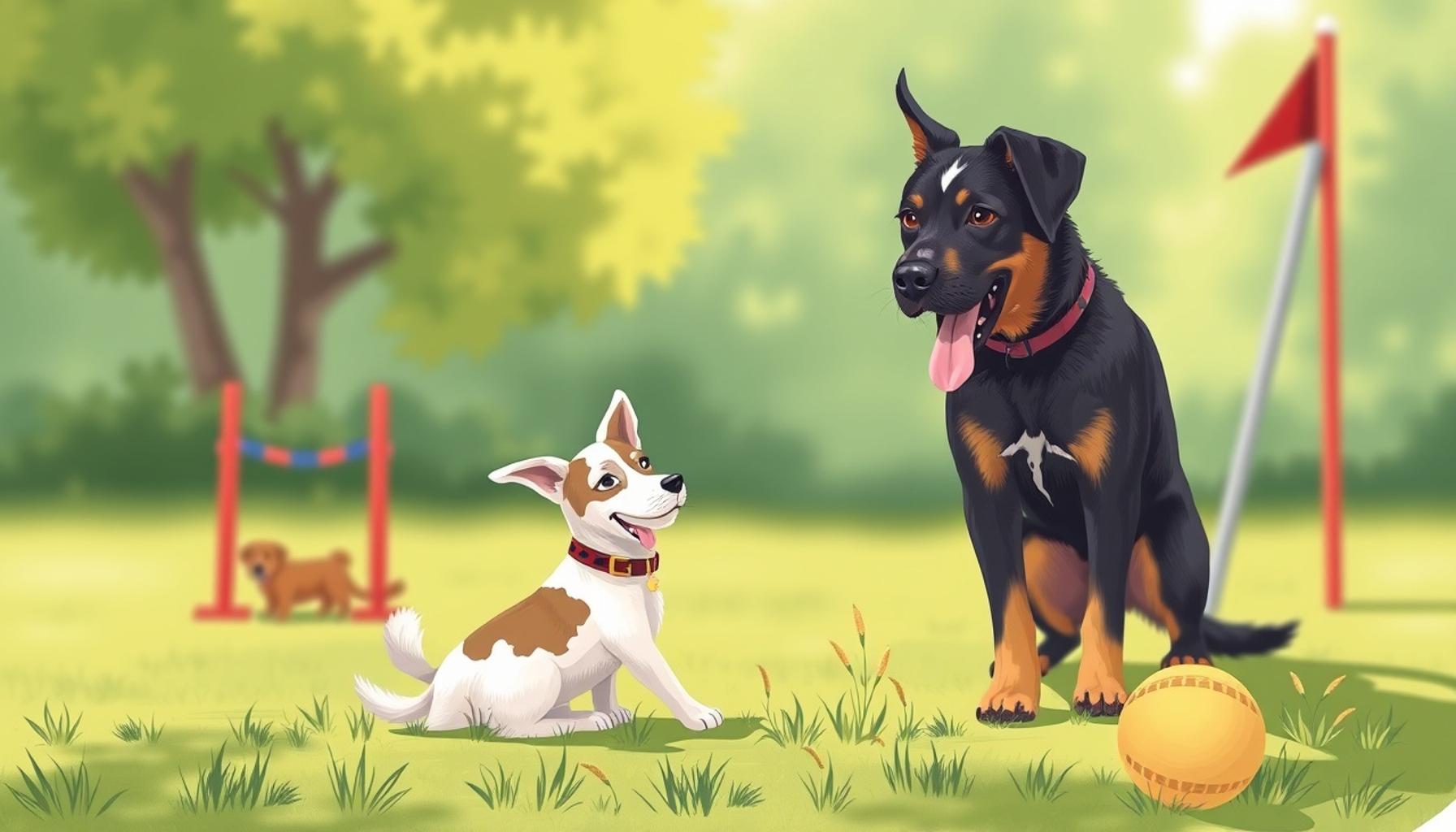
In a world where distractions abound, maintaining your pet’s focus can be a challenge. Many pet owners are turning to agility training as an engaging way to enhance both mental and physical fitness. This dynamic activity not only promotes strong bonds between pets and their owners but also unlocks a plethora of benefits for your furry friends. Through hurdles, tunnels, and weave poles, agility training provides pets with a stimulating environment that challenges them to think and act quickly.
Why Focus and Fitness Matter
A well-focused pet is a happier and healthier pet. With the rise of sedentary lifestyles among both humans and animals, finding ways to keep your pet active is essential. Here are a few key reasons to consider agility training:
- Increased Mental Stimulation: Agility training encourages your pet to think and strategize. As dogs navigate through intricate obstacle courses, they not only enhance their problem-solving skills but also develop better decision-making abilities. This mental workout reduces boredom, a common catalyst for behavioral issues such as excessive barking or chewing.
- Improved Physical Health: This training promotes cardiovascular fitness and strengthens muscles. Dogs that participate in agility training experience better coordination and stamina. The varied exercises involved help to build strength in both small and large muscle groups, lowering the risk of obesity and associated health problems like diabetes.
- Enhanced Social Interaction: Engaging in agility classes fosters interaction with other pets and their owners. Socialization is a critical component of a dog’s development and can lead to improved behavior around other animals and people. Training in a group setting also provides pet owners with opportunities to connect and share tips and tricks with one another, creating a community of support.
As you explore the fascinating world of agility training, you may also discover:
- Creative obstacles that challenge your pet, including seesaws, jumps, and tire jumps. Investing in equipment for your backyard can make practice sessions enjoyable and intriguing.
- Unique strategies to maintain focus during everyday activities. Training techniques can involve commands that encourage your pet to listen attentively while navigating through various distractions.
- A supportive community of fellow pet enthusiasts. Many local parks and training centers host agility events and competitions, providing a venue for you both to showcase progress and skill.
By committing to agility training, you can transform your pet’s lifestyle. Not only will you see physical improvements, but the mental engagement will also foster a deeper connection between you and your pet. As you embark on this journey, stay tuned to learn how this fantastic activity can sharpen their focus and boost fitness levels like never before!
The Foundations of Agility Training
Before diving into the exciting world of agility training, it’s crucial to understand its fundamental components that contribute to your pet’s focus and overall fitness. Agility training consists of a series of specially designed obstacles that pets must navigate through, which not only serve to enhance their physical abilities but also stimulate their minds. This blend of physical agility and cognitive challenges is what makes this form of training so effective.
The Essential Elements of Agility Training
At the heart of agility training are various obstacles that encourage your pet to leap, crawl, weave, and sprint. Some of the common tools include:
- Jump Bars: These are horizontal bars that your pet must jump over. They can be set at various heights to accommodate dogs of different sizes and abilities, ensuring that each pet can find a challenge suitable for them.
- Tunnels: These provide an exciting challenge for pets, requiring them to enter and exit confined spaces. Tunnels enhance a dog’s confidence and willingness to explore new environments, which is vital for developing focus.
- Weave Poles: These strategically placed poles create a zig-zag path that requires precise coordination. Mastering this obstacle not only improves a pet’s agility but also encourages them to pay close attention to their movements, enhancing their focus.
- Seesaws: This element teaches balance and coordination. As pets learn to navigate seesaws, they develop a better sense of their body, improving their physical fitness while simultaneously fostering mental engagement.
Training your pet to navigate these obstacles involves more than simple commands. It requires mutual trust and clear communication. When your dog understands that you want them to complete a task, their focus naturally sharpens. One effective method to enhance this communication is through positive reinforcement. Rewarding your pet with treats and praise when they successfully complete a course helps to create a strong bond, increasing their desire to perform well and pay attention to your instructions.
Progressing Through Training
As with any skill, agility training is progressive. Dogs should start with basic skills before tackling more complex courses. Beginning with easy tasks helps to build confidence, gradually working up to more demanding obstacles as their abilities develop. This gradual progression is important not only for physical safety but also to maintain your pet’s engagement and prevent frustration.
Involving your dog in agility training not only improves their fitness levels but also nurtures their mental acuity, creating a well-rounded, stimulating experience. As your pet becomes proficient, you will likely notice a marked improvement in their ability to focus on tasks both in and out of the training environment. The journey through agility training grants pets newfound confidence while providing a rewarding way to connect with their human companions.
By incorporating this multifaceted training into your routine, you’ll discover that both you and your pet are set on the path to a healthier, more engaged lifestyle. The next sections will delve deeper into advanced techniques and the lasting benefits of agility training, showcasing how you and your furry friend can continue to grow together.
| Advantage | Description |
|---|---|
| Enhanced Mental Stimulation | Agility training provides cognitive challenges that encourage your pet to think critically and respond to commands. |
| Physical Fitness | Engagement in agility courses leads to improved cardiovascular health, strong muscles, and increased stamina for pets. |
| Improved Bonding | Working through agility challenges promotes a stronger human-animal bond as both owner and pet train together. |
| Behavioral Benefits | Agility training can help mitigate anxiety and hyperactivity, leading to well-adjusted pets who are better behaved in various environments. |
Agility training not only improves a pet’s physical abilities but also nurtures their mental capabilities. The combination of the exhilarating challenges of obstacle courses and the rewards from owners creates a fulfilling experience for pets, helping them develop focus and discipline. As pets navigate through various obstacles, they learn to adapt and think on their paws, which is essential for their overall development. The process builds confidence as pets conquer new challenges, making them more versatile and resilient in daily life. The advantages of agility training are compelling; it’s an investment in your pet’s long-term well-being and happiness that yields noticeable results in focus and fitness.
Building Bonding and Trust Through Agility Training
Incorporating agility training into your pet’s routine not only enhances their physical strength and coordination but also significantly strengthens the bond between you and your furry friend. This relationship built on trust, communication, and teamwork is essential for effective training. As you navigate the challenges of agility courses together, you engage in a shared experience that fosters mutual respect and understanding.
The Role of Consistency and Patience
Consistency is a fundamental aspect of agility training. Just like any other skill, pets need regular and structured practice to improve their performance. Setting aside dedicated times each week to work on agility not only solidifies their skills but also teaches them to anticipate training sessions, sharpening their focus and excitement for the tasks ahead. Coupled with patience, this approach allows both you and your pet to learn together and celebrate small victories as their abilities grow.
It’s important to approach agility training with an open mind and a positive attitude. Every pet learns at their own pace, and it’s crucial to recognize that some dogs may take longer than others to navigate certain obstacles. Instead of rushing to the next level, take time to reinforce behavior and reward efforts to build both confidence and focus. Utilize short training sessions to keep your pet engaged. Gradually increasing the difficulty level will entice them to tackle new challenges without overwhelming them.
Socialization and Group Training Sessions
A remarkable benefit of agility training is the opportunity for socialization. Enrolling in group classes not only exposes your dog to various distractions and new experiences but also boosts their confidence while learning to focus amid other pets and people. Participating in group sessions fosters good behavior and can help reduce anxiety, allowing dogs to thrive in social settings. These interactions will not only improve your pet’s focus during intense distractions but will also create a sense of community among fellow dog owners.
In many local areas, agility training clubs and programs are available. Researching and finding suitable classes can create new connections for you and your pet. These structured environments will challenge your dog’s focus while providing a healthy outlet for social interaction and exercise. Consider finding a local agility club through resources designed for pet owners, such as the American Kennel Club or local dog training schools.
Agility Training Competitions
Once your pet becomes more adept at navigating obstacles and responding to commands, you might consider entering them in agility competitions. These events can serve as motivation for both the pet and owner to refine their skills further. They also bring a sense of accomplishment and showcase the hard work put in throughout training. Statistics indicate that agility participants often notice marked improvements in their dogs’ focus and obedience in everyday situations as a result of their competition training.
Competitions do not need to be high-pressure situations; rather, they should be viewed as opportunities for growth and bonding. As dogs adapt to navigating courses under pressure, their ability to maintain focus improves significantly. This new capacity for concentration isn’t just limited to agility scenarios; it can transfer to various aspects of their lives, from basic obedience at home to socializing with other dogs in the park.
Agility training is a multifaceted approach that vastly broadens your pet’s abilities. By fostering trust, consistency, socialization, and the thrill of competition, you enable your furry companion to thrive both physically and mentally. The progress made through agility training not only enhances your pet’s focus but also deepens the connection you share, laying the foundation for a fulfilling canine partnership.
Conclusion: Unlocking Your Pet’s Potential Through Agility Training
In summary, incorporating agility training into your pet’s lifestyle presents a myriad of benefits that extend beyond mere physical fitness. This engaging activity promotes enhanced focus and mental stimulation, allowing your furry friend to develop critical skills that positively influence their overall well-being. Through consistent practice, you nurture a strong bond built on trust and communication, making agility training a rewarding experience for both you and your pet.
As you embark on this journey, remember that patience is key. Every pet is unique and will progress at their own pace. Celebrate their achievements, no matter how small, and adapt your training methods to suit their individual needs. Group training sessions not only provide important socialization opportunities but also build a community that fosters camaraderie among pet owners. This communal support can make the learning process even more enjoyable.
Consider entering local agility competitions as a way to motivate your pet and showcase their skills. These events can be fulfilling milestones in your agility journey and can enhance your pet’s focus in everyday scenarios. Ultimately, embracing agility training will not only boost your pet’s fitness levels but also unlock their full potential, creating a happier, more engaged companion who thrives in various environments.
If you’re ready to take the next step, explore local agility classes or clubs, and begin this exciting adventure together. The journey of agility training is not only about mastering obstacles; it’s about connecting with your pet in a meaningful and fun way.