How to Socialize Your Puppy: Tips for a Well-Adjusted Pet

Creating a Foundation for Lifelong Companionship
Bringing a new puppy into your home is a joyful occasion filled with excitement and discovery. The little furball, with its boundless energy and zest for life, quickly becomes a cherished member of the family. However, the crucial first few months are a formative period for your puppy, significantly influencing its long-term behavior and temperament. Proper socialization during these early stages can determine whether your puppy grows into a well-adjusted pet or develops anxiety and behavioral issues. Understanding how to socialize your puppy effectively will ensure you set them on the right path for a fulfilling life.
Understanding Socialization
Socialization is the systematic process of exposing your puppy to a variety of environments, people, and animals during these formative weeks. The ultimate goal is to instill comfort and confidence in your puppy, helping them adapt to different situations they may encounter as adults.
Key components of effective socialization include:
- Variety of Experiences: It’s important to introduce your puppy to an array of sounds, sights, and smells. For instance, take them on car rides to different locations, such as parks or pet-friendly stores, to expose them to bustling environments and new experiences.
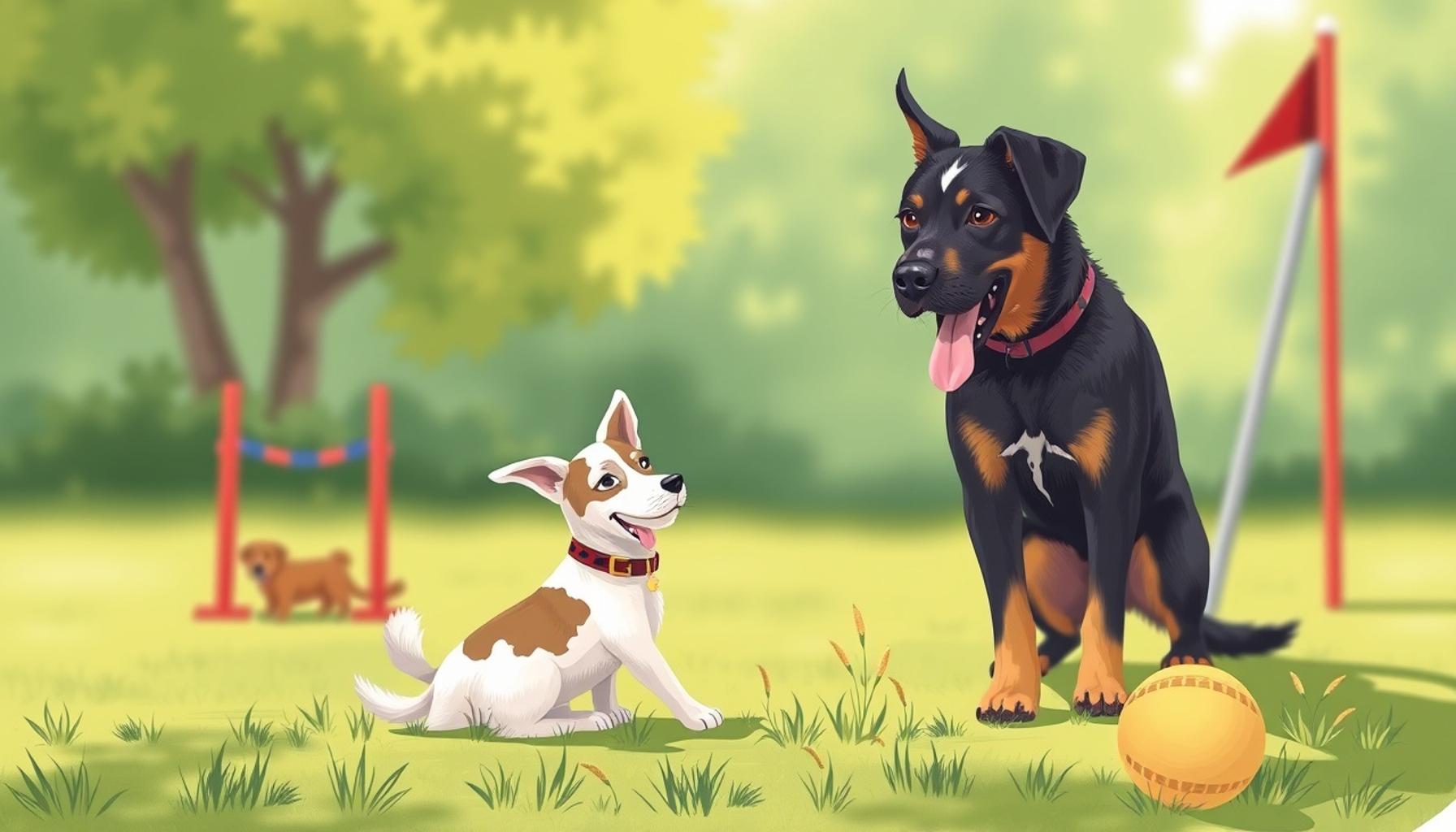
- Positive Encounters: Allow your puppy to have friendly interactions with a range of people of all ages as well as other pets. In the United States, puppy classes can be a fantastic way to achieve this, providing a controlled environment where pups can play and learn together.
- Controlled Environments: Gradually expose your puppy to more complex situations in safe spaces. For example, short, supervised visits to a dog park can help your puppy understand how to engage appropriately with other dogs without overwhelming them.
Experts recommend initiating socialization as early as 3 to 14 weeks, a time when puppies are particularly receptive to new experiences. Neglecting to socialize them during this critical period could lead to fearfulness or aggressive tendencies later in life, making it essential for owners to take an active, hands-on approach.
Why It Matters
A well-socialized puppy not only tends to be happier but also possesses the skills needed to more adeptly navigate the world around them. Socialization plays a pivotal role in preventing:
- Behavior Issues: Unaddressed fears or discomfort can manifest as barking, biting, or other undesirable behaviors that strain the owner-pet relationship.
- Fear of Unfamiliar Situations: Puppies that have been properly socialized are less likely to show anxiety towards new people, experiences, or places, leading to a more relaxed demeanor.
- Difficulty in Learning Commands: A puppy that has experienced various positive interactions is typically more focused and willing to learn, making training sessions more productive.
With a thoughtful approach to socialization, you can guide your puppy towards becoming a friendly and adaptable dog. This journey may require effort and patience, but the rewards are immeasurable. Your commitment to nurturing their social skills will not only enhance their quality of life but also deepen the bond you share. So, are you ready to embark on this enlightening journey together?
Effective Techniques for Socializing Your Puppy
As a new puppy parent, knowing how to properly socialize your furry friend is crucial for fostering positive behaviors that will last throughout their life. The experiences your puppy encounters during their early weeks significantly shape their personality, and initiating socialization early on can lead to a well-behaved, confident adult dog. The process may seem daunting, but breaking it down into manageable steps can make it easier and more enjoyable for both you and your puppy.
Creating a Socialization Schedule
One of the first steps in effective socialization is developing a consistent schedule. A structured plan helps ensure your puppy is exposed to different experiences regularly. Here are some essential activities to include:
- Daily Outings: Aim to take your puppy on short walks in various environments, like busy streets, parks, or quiet neighborhoods. Each outing provides new stimuli, helping your puppy acclimate to different sights, sounds, and scents.
- Meet New People: Arrange playdates whenever possible. Introduce your puppy to friends, family, and neighbors, allowing your furry friend to meet people of all ages, sizes, and backgrounds. This is especially important, as dogs must feel comfortable around a variety of individuals.
- Engage with Other Dogs: Interaction with well-mannered dogs is essential. Joining a puppy kindergarten class or arranging playdates with vaccinated, socialized dogs can help your puppy learn appropriate play behavior and canine etiquette.
Remember, consistency is key! Souket to vary experiences to keep your puppy engaged. The more diverse their experiences, the better prepared they will be for different situations as adults.
Utilizing Positive Reinforcement
Another vital aspect of socialization is the use of positive reinforcement. Puppies are highly receptive to rewards, and by associating new experiences with positive outcomes, you will motivate them to explore their surroundings confidently. Here are some tips to consider:
- Use Treats Wisely: Carry a supply of small, tasty treats to reward your puppy when they encounter something new. This could be a friendly stranger, a bicycle, or another dog. By rewarding them for staying calm and inquisitive, you create positive associations with these new experiences.
- Encourage Playfulness: Engage your puppy with toys during socialization sessions. Play creates a fun environment that alleviates any fear and encourages your puppy to connect positively with others.
- Be Patient: Socialization takes time. If your puppy reacts negatively to a new experience, remain calm and patient. Allow them to retreat to a safe distance before reintroducing the situation slowly, rewarding them for showing any signs of courage.
Through patience and an understanding approach, you’ll create a thriving environment for your puppy’s growth. The time you invest in socializing your puppy today will pay off immensely as they grow into a well-adjusted and sociable adult dog, eagerly joining you in discovering the world together.
Effective Strategies for Socializing Your Puppy
One of the most critical aspects of raising a well-adjusted pet is early socialization. Socialization should ideally begin when a puppy is between 3 to 14 weeks old, as this is a prime time for exposure to new experiences. Here are some effective strategies to incorporate into your puppy’s socialization journey:
1. Meet Different People
Introduce your puppy to a variety of people, including men, women, and children. Different age groups and ethnicities present unique sights, sounds, and scents that can help your puppy become accustomed to the diversity of human interactions.
2. Explore New Environments
Take your puppy on car rides to different locations. Visits to parks, pet stores, or even vibrant urban settings can offer an array of stimuli. Exposing your puppy to varied environments helps reduce fear and anxiety when meeting new places or situations in the future.
3. Interact with Other Dogs
Arrange play dates with well-mannered adult dogs or other puppies. Watching and interacting with other dogs can teach your puppy appropriate social behavior and body language. Ensure these encounters are supervised and positive to promote confidence.
4. Attend Puppy Classes
Participating in puppy classes provides structured socialization. These classes create an environment where puppies can interact under the guidance of a trainer. Learning commands and meeting other pets enhances your puppy’s confidence and can improve obedience.
5. Positive Reinforcement
Whenever your puppy interacts positively with new stimuli—be it people, places, or other animals—use positive reinforcement techniques. Treats and praise create a positive association with new experiences, further encouraging open behavior.Integrating these elements into your puppy’s routine not only facilitates proper socialization but also fosters a companion who is well-adjusted and comfortable in various environments.
| Category 1 | Category 2 |
|---|---|
| Socialization with People | Encourages friendly interactions and reduces fear of strangers. |
| Environmental Exposure | Helps in adapting to various sounds and visuals, leading to a confident dog. |
| Play with Other Dogs | Teaches communication signals essential for dog interactions. |
Ensuring that your puppy is properly socialized not only enhances their quality of life but also enriches your relationship with them. By following these tips, you’ll set the foundation for a well-adjusted, sociable pet.
Recognizing Signs of Stress and Fear
Understanding your puppy’s body language is a crucial skill in the socialization process. Puppies, like humans, display a range of emotions, and recognizing signs of stress and fear can help you intervene before a negative experience becomes ingrained. Some common indicators include:
- Tucked Tail: A tail that is tucked between the legs is often a sign of anxiety or fear. If you notice this behavior, try to reassure your puppy and provide space.
- Excessive Barking or Growling: While barking can be normal, excessive barking or growling may indicate that your puppy is overwhelmed and needs a break from the situation.
- Averting Eyes: If your puppy turns their head away or avoids eye contact, they may be uncomfortable. This can signal a need for lower-intensity interactions.
- Freezing or Cowering: A puppy that suddenly stops moving or cowers down is a clear sign of distress. It’s essential to assess the environment and remove them from stressful situations when this occurs.
Learning to identify these signs will help you make informed decisions during socialization outings, allowing your puppy to grow in confidence without feeling overwhelmed.
Gradual Exposure to New Experiences
One of the most effective strategies for socializing your puppy is gradual exposure to new experiences. It’s important to remember that every puppy is unique, and the pace at which they acclimate to different stimuli will vary. Here are some methods to ensure your puppy feels comfortable while exploring:
- Start Small: Begin with less intimidating settings and gradually progress to more stimulating environments. For instance, if you want your puppy to get accustomed to a park, start by simply visiting the parking lot, letting them observe from a distance.
- Desensitize to Sounds: Many puppies can be frightened by loud noises. Use recordings of common sounds like traffic, thunderstorms, or fireworks, and play them softly while rewarding your puppy with treats. Gradually increase the volume over time as they become more comfortable.
- Meet New Pets One Step at a Time: When introducing your puppy to new dogs, start with one well-mannered and calm dog. Keep the initial meetings short and positive. Once your puppy is comfortable, you can introduce them to additional canine companions.
Gradual exposure helps prevent overwhelming your puppy, allowing them to build confidence in their ability to handle new situations.
Incorporating Training Sessions
Training and socialization go hand in hand. Incorporating training sessions into your socialization routine can enhance your puppy’s ability to interact positively with others. Here’s how to weave training into your socialization plan:
- Basic Commands: Teaching commands such as “sit,” “stay,” and “come” can establish you as a leader, providing security for your puppy in social situations.
- Puppy Classes: Enrolling your puppy in a puppy training class can provide structured socialization and help reinforce obedience under various distractions. Look for classes that emphasize positive reinforcement techniques.
- Practice at Home: Use everyday situations to reinforce training. Encourage your puppy to interact with household members or guests by demonstrating commands before they receive praise or treats.
Integrating training into socialization not only improves behavior but also strengthens the bond between you and your puppy, creating a foundation for success in their adult life.
Conclusion
Successfully socializing your puppy is a journey that lays the groundwork for a well-adjusted, confident dog. By recognizing signs of stress and fear, you can ensure that your puppy has a positive experience rather than being overwhelmed, setting them up for success in varying environments. Utilizing gradual exposure to new experiences allows your puppy to acclimate at their own pace, fostering long-lasting comfort in interacting with other pets, people, and sounds.
Moreover, incorporating training sessions not only enhances obedience but also strengthens the bond between you and your furry friend. By teaching basic commands and participating in puppy classes, you create a structured foundation that not only boosts your puppy’s social skills but also reinforces your role as a caring leader.
Ultimately, the essence of puppy socialization is to find a balance—while challenging your puppy, it’s crucial to maintain a supportive atmosphere. Understanding their needs and respecting their pace will enrich their life and reinforce your relationship. As you embark on this essential adventure, consider seeking resources such as professional trainers or community groups for additional guidance. With patience and dedication, you will raise a happy, sociable, and well-adjusted pet that can thrive in various environments, bringing joy to both your lives.