The Benefits of Socialization for Dogs and Cats
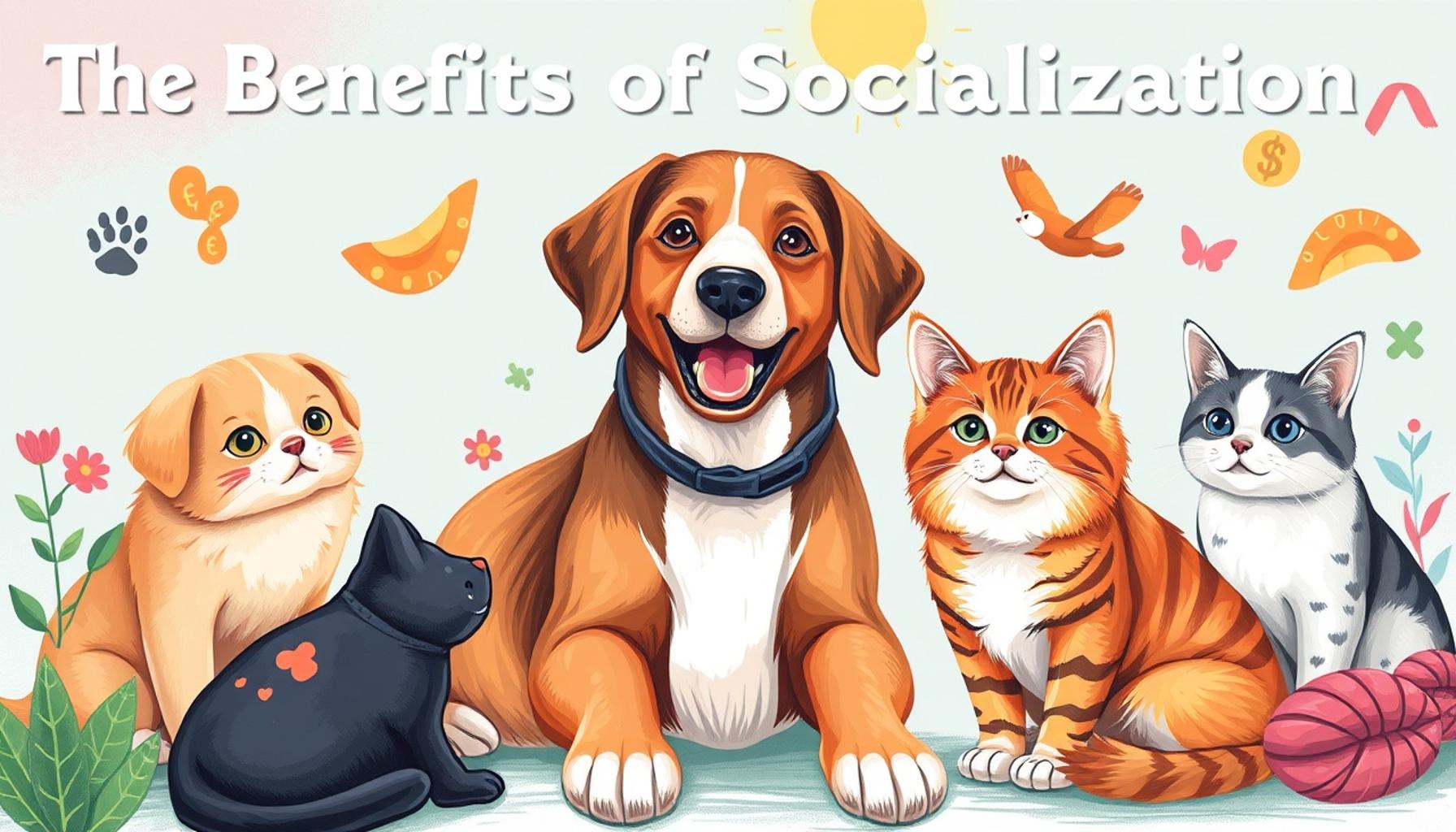
The Importance of Socialization for Pets
When it comes to our furry companions, socialization plays a crucial role in their overall well-being. Animals, much like humans, thrive on interaction and companionship, which leads to various psychological and behavioral benefits. Just as young children learn to navigate social norms and develop communication skills through interactions, pets too rely on social exposure to understand their environment and improve their behavior.
Socializing your pets can enhance their quality of life in numerous significant ways, including:
- Improved behavior: Regular interaction with other animals helps reduce fears and aggression. For instance, a dog that has had positive experiences with other dogs during its developmental stages is less likely to react aggressively when approached by a newcomer. Understanding canine body language and social cues through play can also mitigate misunderstandings, making the dog less fearful of unfamiliar situations.
- Reduced anxiety: Socialized pets are generally less timid and more confident in new situations. For example, a cat that is accustomed to being around people and other pets is more likely to remain calm when guests visit the home or when they are taken to the veterinarian. This adaptability not only eases their stress levels but also facilitates a smoother experience for their owners.
- Enhanced health: Socializing activities can lead to a more active lifestyle, benefiting their physical health. Participation in group walks, doggy playdates, or agility classes encourages exercise and mental stimulation, both of which are vital for a pet’s overall health. Regular activity can help prevent obesity, one of the most common health issues faced by pets in modern society.
In addition to basic social skills, exposing dogs and cats to different environments, people, and other pets can greatly enhance their adaptability. This adaptability is vital, especially in a world where change is constant, from moving to a new home to meeting new people on walks. Embracing varied experiences prepares pets to be comfortable in diverse settings, reducing the likelihood of behavioral problems down the line.
In the heart of America, dog parks and socialization classes offer countless opportunities for pet owners to engage their pets in a vibrant community setting. These places serve as a melting pot where dogs can frolic freely while their owners strike up conversations with fellow pet enthusiasts. This not only fosters friendships among pets but also encourages owners to connect, creating a sense of camaraderie that can lead to a supportive network for both animals and their humans.
As you delve deeper into the benefits of socialization for your furry friends, you’ll uncover strategies and insights that will not only help them flourish but will also enrich your bond with them. From attending training classes to participating in neighborhood meetups, the journey towards a well-socialized pet is filled with opportunities for growth—for both you and your beloved companions. Remember, investing in your pet’s social skills is an investment in their happiness and health, which ultimately benefits you as a devoted pet owner.
Unveiling the Benefits of Socialization
Socialization is not simply a matter of allowing our pets to interact with one another; it is a transformative process that shapes their personalities and influences their behaviors. When dogs and cats are exposed to a variety of environments, people, and animals, they learn how to respond appropriately to different stimuli. This foundation contributes to their overall emotional intelligence and well-being.
For dogs, early socialization is particularly crucial. A study from the American Kennel Club (AKC) indicates that approximately 70% of behavioral issues in dogs stem from a lack of socialization during the critical growth window between 3 and 14 weeks of age. During this time, exposure to a broad range of experiences, sounds, and smells becomes essential. Dogs that miss out on these formative experiences may develop anxiety or aggression, leading to challenges in their interactions with other pets and people.
In contrast, cats, often perceived as solitary animals, also greatly benefit from socialization. While they might not display their need for interaction as overtly as dogs, unsocialized cats can become fearful and stressed. Research by the Journal of Veterinary Behavior shows that cats who engage positively with people and other animals are less likely to exhibit behavioral issues such as litter box problems or excessive scratching.
The advantages of socialization extend beyond just preventing undesirable behaviors; there are several compelling reasons to prioritize social interactions for your pets:
- Better Stress Management: Socialized pets are better equipped to handle stressful situations, such as loud noises or changes in their environment. For instance, a dog that has been regularly exposed to busy parks or bustling city streets is less likely to panic and more likely to respond calmly.
- Stronger Bonds: Engaging in social activities fosters a deepened bond between pets and their owners. Shared experiences can create trust and connection, whether it is through attending obedience classes or simply enjoying a day at the dog park.
- Enhanced Problem-Solving Skills: Interaction with other animals promotes cognitive skills. Pets learn to navigate complex interactions and can even develop strategies to access toys or treats, stimulating their mental faculties.
Engaging with other animals and people also introduces pets to a diverse array of experiences that enrich their lives. Whether it is encountering new toys, exploring different terrain, or meeting a variety of individuals, these experiences contribute to their emotional and psychological health. This adaptability is particularly beneficial in today’s fast-paced world, where pets are increasingly taken on trips, to social gatherings, or even to work with their owners.
Ultimately, the socialization process is an ongoing journey that can significantly enhance your pet’s life while also fostering a rich community among fellow pet owners. Embracing socialization opportunities lays the groundwork for not only a well-behaved pet but a fulfilled and happy companion, making it an essential aspect of responsible pet ownership.
The Benefits of Socialization for Dogs and Cats
Socialization is not just a fun activity for our furry friends; it is an essential component of their overall well-being. Through socialization, both dogs and cats learn to interact positively with their environment and other animals, which can significantly enhance their quality of life. Animals that are properly socialized are more likely to develop well-rounded personalities, which helps them cope with various situations that they may encounter.
For dogs, socialization allows them to learn important behaviors such as bite inhibition, appropriate play, and how to respond to different stimuli, making them less likely to develop behavioral problems. Similarly, cats benefit from socialization by becoming more adaptable to changes in their surroundings and reducing stress levels. A well-socialized cat is often more confident and less fearful when faced with new experiences.
| Benefits of Socialization | Why It Matters |
|---|---|
| Improved Behavior | Socialized pets are less likely to exhibit anxiety or aggression, leading to safer interactions. |
| Stronger Bonds | Regular socialization builds trust between pets and their owners, enhancing their companionship. |
Exposure to varied environments, people, and other pets during socialization periods, particularly when they are young, promotes development and helps prevent behavioral issues in the future. It’s essential for pet owners to actively engage in socialization activities to ensure their dogs and cats grow into well-adjusted adults. Techniques such as organized playdates, participation in puppy classes, or visits to pet-friendly areas can yield long-term benefits for our four-legged family members.
Building Confidence Through Interaction
Beyond the immediate behavioral benefits, socialization plays a key role in cultivating confidence in pets. As dogs and cats encounter new people, animals, and environments, they start to develop a more robust sense of self. For instance, a dog that experiences varied interactions in a positive way learns that unfamiliar situations are not inherently threatening. This newfound confidence not only alleviates anxiety in the short term but can also contribute to long-term mental health, enabling pets to better cope with changes and challenges in their lives.
Interestingly, socialization also has a profound impact on a pet’s physical health. Pets that engage in regular playdates or attend dog parks enjoy increased physical activity, which is crucial for maintaining a healthy weight and preventing obesity-related issues. According to the Centers for Disease Control and Prevention (CDC), 40% of pet dogs in the United States are classified as overweight or obese, leading to health problems like diabetes and joint pain. Regular interaction with other pets can encourage more exercise through play, walk, and exploration, effectively combating these health risks.
Moreover, regular social interactions can significantly enhance behavioral resilience in pets. Animals who are accustomed to interacting with various types of people and other pets tend to display less fear or aggression. A study by the Tufts University Cummings School of Veterinary Medicine illustrates that dogs who regularly socialize are statistically less likely to react negatively to new experiences. By providing a safe space for they can learn the cues of communication among animals, pet owners foster emotional wellness.
In addition to direct physical interactions, the mental stimulation derived from engagement with others is invaluable for pets. Behavioral experts suggest that dogs, for instance, thrive on problem-solving opportunities that come from interacting with both their humans and fellow canines. Activities such as group training sessions or agility classes offer not only physical exercise but also the mental challenge of learning new tricks and navigating obstacles, encouraging cognitive growth.
For cats, socialization may mean exposing them to gentle handling or allowing them to explore cat cafes where they can observe and interact with other felines and people. These settings provide essential mental enrichment that helps prevent conditions like boredom and anxiety, which can lead to destructive behaviors. According to the American Association of Feline Practitioners, engaged cats are less prone to behavioral changes, reinforcing the idea that socialization is vital for feline happiness.
One compelling instance that illustrates the transformative effects of socialization is seen in shelter animals. Many organizations across the U.S. incorporate socialization programs that prepare dogs and cats for adoption. By providing social exposure to volunteers, visitors, and other animals, shelters can help reduce anxiety in pets and boost their chances of finding a forever home. Pets that have undergone these initiatives are generally more well-adjusted, making them ideal candidates for family life.
Ultimately, the socialization experience is not only essential for behavior modification but is also integral to developing a well-rounded, healthy pet. The journey into socialization need not be daunting; it can be a fun expedition, rich in discovery and connection for both pets and their owners. By investing time in these social interactions, caregivers enrich their pets’ lives while enhancing their own opportunities for companionship and joy.
Conclusion: Enriching Lives Through Socialization
In conclusion, the benefits of socialization for dogs and cats are profound and multi-faceted, impacting not just behavior but also emotional and physical well-being. As pets engage with their surroundings, they build confidence, learn to navigate new experiences, and develop essential social skills that enhance their capacity to bond with both humans and other animals.
Moreover, the positive effects of socialization extend to physical health. Regular interactions encourage increased activity levels, combating obesity and related health concerns prevalent in pets today. Engaging in play and exploration not only fosters better fitness but also enhances mental stimulation, laying the groundwork for a healthier lifestyle.
Furthermore, the data supporting the effectiveness of socialization in building behavioral resilience cannot be overlooked. Pets that regularly interact in varied social settings tend to exhibit reduced anxiety and aggression, paving the way for more harmonious relationships with their owners and other pets. The importance of such experiences cannot be underestimated, especially for shelter animals preparing for adoption, as they become more adaptable and appealing to potential families.
As pet owners, investing time in socialization is not merely an obligation but an enriching adventure that benefits both pets and their humans. By prioritizing these interactions, we cultivate a more engaged, balanced, and joyful life together. The journey of socializing our furry friends is well worth the effort, leading to happier pets and lasting companionship. As you embark on this enriching path, consider exploring local pet events, training sessions, or even cat cafes to elevate your pet’s social experience, opening doors to new friendships and joyous moments. Explore further into resources and community programs available in your area to discover innovative ways to enhance the quality of life for your beloved companions.