The Impact of Exotic Species on the Pet Market: Challenges and Opportunities
Understanding the Exotic Pet Market
The pet market in the United States has witnessed a remarkable transformation as more individuals gravitate towards exotic species. This trend speaks not only to evolving tastes but also to the deeper emotional connections humans develop with animals that stand out from traditional pets like dogs and cats. Exotic pets, characterized by their rarity and sometimes striking appearances, are often perceived as symbols of a unique lifestyle, sparking interest among both novice and seasoned pet owners alike.
Among the most popular exotic pets are ball pythons, celebrated for their captivating coloration and patterns. These snakes are generally considered low-maintenance beginners’ pets, making them ideal for individuals looking to venture into the world of exotic animals. They also have a calm demeanor, which can facilitate a rewarding bonding experience for their owners. However, potential owners must create a habitat with specific humidity and temperature controls to mimic their natural environment.
Another noteworthy example is the macaw. Renowned for their colorful feathers and remarkable intelligence, macaws possess a vibrant personality that can charm anyone in their vicinity. However, they are social creatures that require considerable interaction and mental stimulation, making them a commitment that extends far beyond mere ownership. Potential macaw owners must be prepared for the long-term care these birds require, which can span several decades.
On the more unconventional side, Fennec foxes have gained attention as exotic pets. Their large ears and playful nature are undeniably appealing, yet they necessitate a high level of care, including specialized diets and socialization. These foxes tend to thrive in environments that mimic their natural desert habitat, creating challenges for owners who might not be aware of their unique needs.
Challenges of Exotic Pet Ownership
Despite the allure of exotic pets, potential owners must navigate numerous challenges that come with their care. One of the most pressing considerations is the issue of legal restrictions. Many states have laws governing the ownership of specific species, which can involve permits or outright bans. Understanding local regulations is essential to avoid legal consequences and ensure compliance with wildlife protection laws.
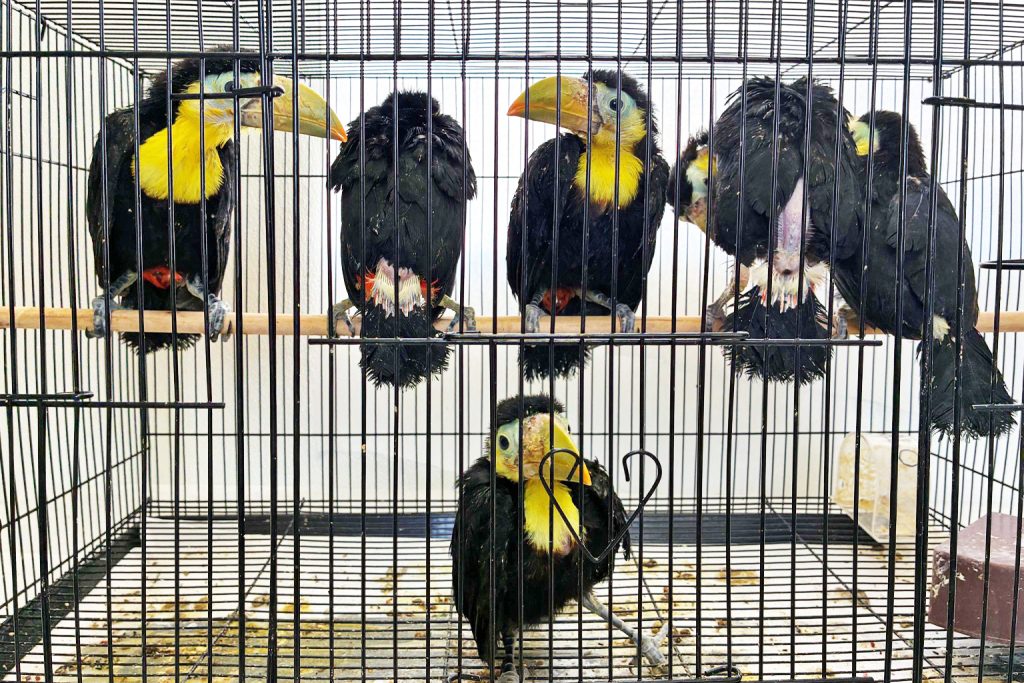
In addition to legal factors, there are significant ethical concerns associated with the exotic pet trade. The demand for rare species can lead to detrimental effects on wild populations, as increased capture efforts and habitat destruction pose threats to native ecosystems. Responsible ownership includes a commitment to prioritize ethical sourcing and to consider the implications of one’s purchase on wildlife conservation.
The care requirements for exotic pets often exceed those of more traditional pets. Most exotic species necessitate specific diets, which can be expensive and difficult to procure. For instance, reptiles may need live insects as part of their diet, while birds might require seeds, fruits, and vegetables to maintain their health. Furthermore, creating suitable living conditions that dwarf the typical pet owner’s home setup is another logistical hurdle.
As the conversation surrounding exotic pets continues to evolve, it becomes crucial for potential owners to educate themselves thoroughly. By understanding the interplay between personal desires, animal welfare, and conservation efforts, individuals can make informed choices that benefit both themselves and the animals in their care. The allure of exotic pets is undeniable, yet with that allure comes the responsibility to tread carefully in an intricate web of environmental and ethical considerations.
Challenges and Considerations for Exotic Pet Owners
Navigating the exotic pet market is not for the faint of heart. While the idea of owning unique species may be thrilling, it brings a host of challenges that potential pet owners must consider before taking the plunge. Understanding these complexities not only helps ensure the well-being of the animals but also protects buyers from unexpected pitfalls.
Legal Restrictions and Compliance
One of the primary challenges associated with exotic pet ownership is the strict network of legal restrictions. In the United States, laws regulating the ownership of exotic species can vary dramatically from state to state. For instance, while a capuchin monkey may be legal to own in some areas, it could be completely banned in others. Consequently, aspiring pet owners need to conduct thorough research to understand their local regulations, which may include:
- Permit requirements for owning specific species
- Age restrictions on ownership
- Bans on breeding and selling of certain animals
- Potential penalties for violations
Shifting legislation can pose risks, as compliance is not only vital for personal safety but also for conservation efforts, ensuring that no endangered species are caught in the exotic pet trade.
Ethical Considerations and Impact on Wildlife
Alongside legal regulations, ethical considerations weigh heavily on the minds of those interested in exotic pets. The demand for these unique animals can have profound impacts on wild populations. Many species are threatened or endangered as a direct result of habitat destruction and over-exploitation. For example, the capture of pythons for the pet trade has led to significant population declines in certain areas. As such, responsible ownership requires a commitment to ethical sourcing; potential owners should investigate whether the pet was obtained through sustainable methods, possibly favoring reputable breeders who practice responsible breeding protocols.
Care Requirements: More than Just Food and Shelter
Furthermore, the care requirements for exotic pets often surpass those of more common animals. The intricacies of their needs can lead to significant challenges for owners who are unprepared. Consider the following aspects:
- Dietary Needs: Many exotic pets have unique dietary requirements that involve specialized foods or supplements. For instance, some reptiles may need a diet consisting of live insects, while many birds thrive on a diet rich in seeds, fruits, and vegetables.
- Habitat Environments: Creating environments that simulate their natural habitats is crucial for many exotic species. This could include specific temperature and humidity levels or providing enrichment activities to ensure mental and physical health.
- Social and Psychological Needs: Social creatures like macaws or ferrets require interaction and mental stimulation. The absence of social engagement can lead to behavioral issues, making it essential for owners to invest time in bonding and interaction.
Understanding these particular needs is the first step in fostering a healthy and sustainable relationship with an exotic pet. As perception of exotic animals continues to shift, it remains imperative that potential owners familiarize themselves with the intricate tapestry of legal, ethical, and care-related challenges that accompany these unique companions. Through awareness and commitment, one can navigate the exotic pet landscape successfully, ultimately enriching both their lives and the lives of their animals.
| Advantages of Exotic Species | Market Impact |
|---|---|
| Biodiversity Enhancement | Exotic pets introduce new genetic diversity to the pet market, improving overall resilience and adaptability. |
| Economic Opportunities | The demand for exotic species fuels job creation in breeding, trade, and care services, boosting the economy. |
The presence of exotic species within the pet market not only brings a unique flair but also creates notable challenges such as regulatory scrutiny and ethical considerations surrounding their care and management. For consumers, owning these exotic pets often becomes a status symbol, leading to increased marketing efforts directed toward educating potential pet owners about the responsibilities involved. As pet enthusiasts look beyond traditional companions, opportunities emerge for businesses to provide tailored products and services that cater specifically to these exotic animals.Furthermore, the allure of exotic species may prompt conservation efforts to be more focused, highlighting their plight in native habitats while promoting sustainability. Programs aimed at responsible breeding practices and awareness campaigns about the ecological impacts of introducing these species into non-native environments are gaining traction. As stakeholders in the pet industry navigate this intricate landscape, understanding the balance between consumer interest and ethical stewardship becomes essential.
Opportunities in the Exotic Pet Market
Despite the challenges inherent in the exotic pet market, there are numerous opportunities that both pet owners and businesses can capitalize on. Understanding and embracing these opportunities can lead to enhanced care for exotic species, as well as ethical practices that support both conservation and sustainable ownership.
Growing Demand for Exotic Species
The increasing interest in exotic pets has led to a burgeoning market characterized by an expanding array of species available for purchase. This growing demand translates into opportunities for conservation-focused businesses that prioritize sustainable breeding and ethical sourcing. For instance, the popularity of species such as African Grey parrots and hedgehogs presents a lucrative chance for breeders to adhere to ethical practices while catering to the desires of potential pet owners.
Education and Awareness Initiatives
As more people look to acquire exotic pets, the need for education surrounding their care becomes increasingly critical. Many organizations and breeders are stepping up to offer resources that inform buyers about the specific needs and care requirements of various exotic species. This shift has prompted a movement towards more responsible ownership, emphasizing the importance of understanding complex care needs, including dietary restrictions, habitat creation, and proper socialization.
Notably, online platforms and social media have emerged as powerful tools for disseminating knowledge about exotic species. Many experts and enthusiasts share their experiences, tips, and insights, helping prospective owners navigate the intricate world of exotic pets. By fostering a well-informed community, these initiatives contribute to healthier animals and more committed owners.
Innovations in Pet Care Products
In response to the unique care requirements of exotic pets, the market has seen a rise in innovative pet care products, tailored specifically to the needs of these animals. From specialized enclosures mimicking natural habitats to custom dietary supplements, companies are developing solutions designed to enhance the quality of life for exotic species.
For instance, the rise of the “bioactive” terrarium concept for reptiles allows for an eco-system within an enclosure, fostering a more natural environment for the animals. Similarly, new products focusing on enrichment opportunities—such as puzzle feeders for parrots or climbing structures for reptiles—help maintain the mental and physical well-being of these pets. Such advancements not only attract buyers but also encourage responsible ownership practices.
Conservation Efforts through Responsible Ownership
Another positive aspect emerging from the exotic pet market is the connection between responsible ownership and conservation efforts. As the demand for exotic pets becomes more finely tuned to ethical practices, efforts abound to protect endangered species. Some businesses contribute a portion of their profits to wildlife conservation organizations or participate in breeding programs specifically designed to boost dwindling populations of certain species.
Additionally, organizations working in the exotic pet space often emphasize education on biodiversity and the significance of preserving natural habitats. By fostering a sense of responsibility among owners, these initiatives help create a populace that values and actively participates in conservation efforts, turning exotic pet ownership into a platform for positive ecological impact.
In summary, while the challenges of entering the exotic pet market are significant, the opportunities for ethical ownership, innovative product development, community education, and conservation efforts are equally profound. By leveraging these prospects, those involved in the exotic pet market can cultivate a thriving environment for both pets and owners alike.
Conclusion: Navigating the Exotic Pet Landscape
In conclusion, the fascinating world of exotic species within the pet market is a realm of both challenges and opportunities. As we grapple with the complex implications of keeping exotic pets, issues such as biodiversity conservation, regulatory compliance, and ethical sourcing remain at the forefront of the discussion. However, these challenges are not insurmountable; instead, they can pave the way for significant advancements in responsible pet ownership and species conservation.
The growing demand for exotic pets has catalyzed a shift towards innovation in pet care products, tailored education initiatives, and community-driven conservation efforts. Businesses that prioritize sustainable practices can thrive, while pet owners who engage with educational resources are better equipped to meet the unique needs of their exotic companions. Moreover, the intersection of responsible ownership and conservation can foster a sense of stewardship among pet owners, actively contributing to the protection of endangered species and their habitats.
As we look ahead, it becomes imperative for all stakeholders—from breeders to pet owners—to navigate the exotic pet market with awareness and ethical intent. By fully embracing the opportunities presented in this dynamic landscape, we can cultivate a more informed and conscientious community. This, in turn, will enrich the lives of exotic pets and promote a harmonious balance between ownership and conservation, ensuring that the beauty of biodiversity continues to thrive for future generations.