
Exploring the Diversity of Aquarium Fish Species: Care and Maintenance
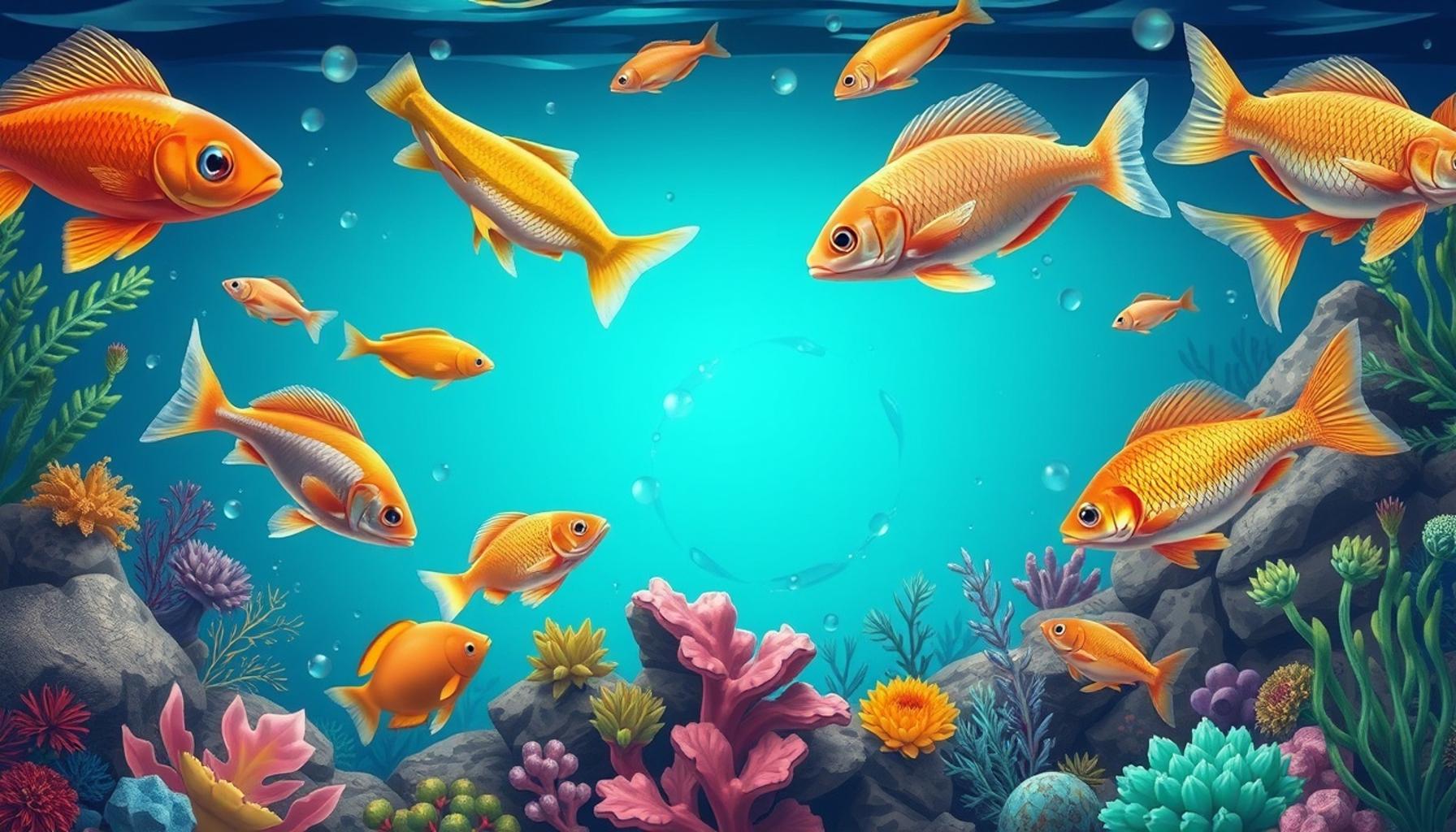
Diversity of Aquarium Fish
Aquarium fish species are a stunning showcase of nature’s diversity. With thousands of species available, enthusiasts can create vibrant, living art in their homes. Understanding the different types of fish and their unique care requirements is crucial for maintaining a thriving aquarium. Each species brings its own color palette, behavior, and environmental needs, creating endless possibilities for aquascaping and community tank designs.
From the bright hues of Neon Tetras to the majestic Angelfish, each species offers something special. These fish not only exhibit a variety of dazzling colors but also demonstrate interesting behaviors. Caring for these aquatic creatures involves:
- Providing the right water conditions, including temperature, pH, and hardness
- Maintaining dietary needs that vary from herbivorous to carnivorous species
- Creating a suitable habitat that mimics their natural environments
Yet, the responsibility doesn’t end there. Each fish species comes with its specific set of challenges and requirements, making research essential for success. For instance:
- Goldfish thrive in cooler waters and require ample space; ideally, they should be housed in an aquarium of at least 20 gallons as they can grow quite large and produce substantial waste.
- Betta Fish prefer warmer temperatures around 78-80°F and typically thrive in solitary environments; keeping them with other aggressive species can lead to stress and health issues.
- Cichlids are known for their territorial nature and complex behaviors, requiring ample hiding spots and spacious aquariums to reduce aggression among individuals.
Understanding these nuances is crucial for anyone looking to maintain a harmonious aquatic ecosystem. For example, selecting tank mates for Cichlids can be a delicate task; species such as Angelfish can coexist with certain types of Tetras, while the wrong combination can lead to disputes or even fatalities.
By diving into the rich world of aquarium fish, hobbyists can unlock the secrets to successful care and maintenance. It’s not just about filling a tank with water and fish; it requires understanding the intricacies of aquatic life, including behavioral traits and health indicators. Join us as we explore the various species, their individual needs, and how to create an optimal environment for them to flourish. Each step taken towards understanding these captivating creatures contributes to not only their survival but also enhances the overall beauty of the aquarium.
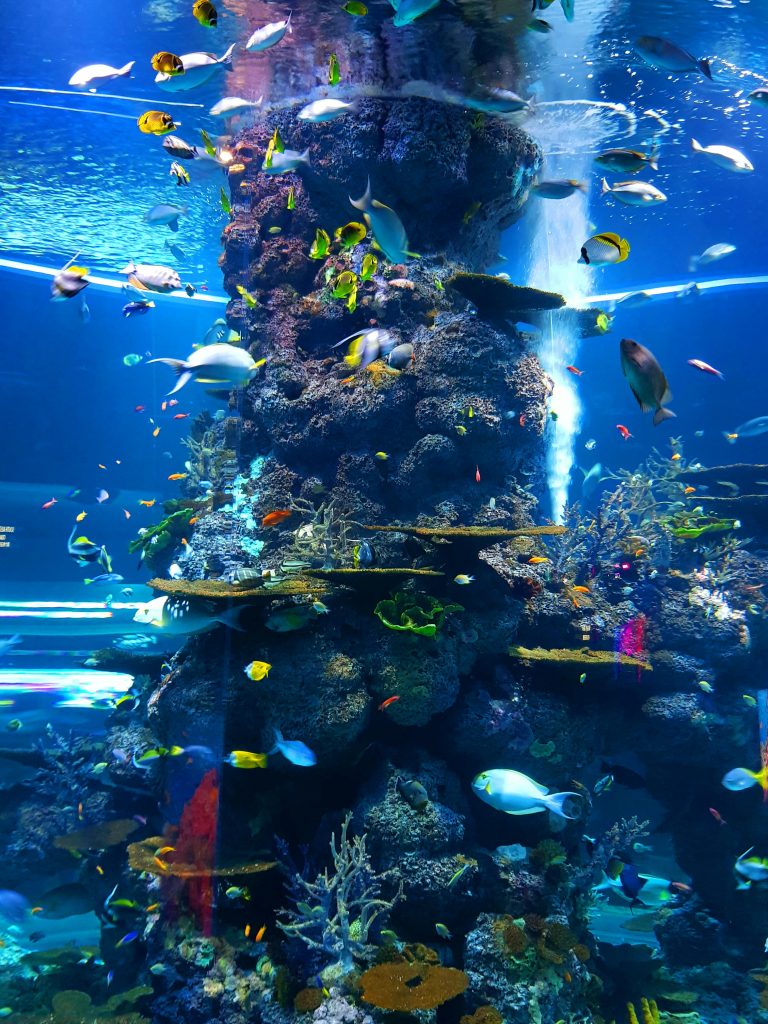
Understanding Water Conditions for Aquarium Fish
The foundation of a successful aquarium lies in the water conditions. Each fish species has a specific range of water parameters that they thrive in, making it essential for hobbyists to familiarize themselves with these needs. Water temperature, pH level, and hardness are critical components that can influence fish health, behavior, and overall wellbeing.
Temperature
Temperature varies widely among species. For example, tropical fish such as Guppies or Discus require warmer water, typically between 75°F to 82°F, whereas goldfish prefer cooler temperatures, around 65°F to 75°F. Utilizing a reliable aquarium heater can help stabilize the environment. Conversely, a thermometer is essential in monitoring these temperatures to ensure they remain within the appropriate range.
pH Levels
The pH level is another crucial factor that can significantly impact fish health. It measures the acidity or alkalinity of water, with most freshwater fish thriving in a pH of 6.5 to 7.5. Species such as Discus enjoy slightly acidic conditions, while Cichlids often prefer alkaline setups. Regular testing with pH strips or a digital meter will help ensure that the water chemistry remains stable for your fish.
Hardness
Water hardness, defined by the concentration of dissolved minerals, typically falls into two categories: general hardness (GH) and carbonate hardness (KH). Most freshwater fish adapt best to moderately hard water. However, species like African Cichlids may require harder water conditions, while others favor softer environments, like Neon Tetras. Testing kits are readily available for aquarists to monitor these levels.
A Balanced Aquatic Environment
Creating a balanced aquatic environment is also vital. One cannot overlook the importance of filtration and water changes in maintaining water quality. A good filtration system helps remove toxins and waste, while regular water changes (10-20% per week) can dilute harmful substances that accumulate over time. Additionally, introducing live plants not only beautifies the aquarium but also aids in oxygen production and algae control.
- Test water parameters regularly to avoid sudden fluctuations.
- Research specific needs for the fish you plan to keep, as some species can be particularly sensitive to changes.
- Use reverse osmosis (RO) water if needed to adjust your water conditions for specific species.
With these foundational aspects of water conditions well understood, you can begin to create a thriving community aquarium tailored to the specific needs of your chosen species. In the next section, we will delve into the dietary needs of aquarium fish, further enhancing their care and maintenance.
| Aquarium Fish Species | Care and Maintenance Tips |
|---|---|
| Tetras | Maintain water quality by performing weekly water changes and checking parameters. |
| Cichlids | Provide hiding spots and robust filtration due to their territorial nature. |
| Betta Fish | Keep away from other males to avoid aggression; weekly water tests are essential. |
| Goldfish | Understand their size and adjust tank size as they grow; clean debris regularly. |
Diving into the world of aquarium fish species presents an enriching experience that goes beyond aesthetic enjoyment. Each species requires specific care and maintenance to thrive, which makes understanding their unique traits imperative. For instance, Tetras are known for their vibrant colors and schooling behavior, necessitating a well-maintained water environment to flourish. Conversely, Cichlids, with their fascinating social structures, demand adequate hiding spots and careful management of tank mates to reduce aggression. Notably, Betta Fish are popular but should be housed individually to prevent conflicts with males. Lastly, Goldfish require special attention as they can grow larger than expected, making proper tank size critical. Exploring these details not only enhances fish health but also amplifies the joy of aquarium keeping. Each species holds its own secrets, waiting for you to uncover their unique care and maintenance needs!
Essential Dietary Requirements for Aquarium Fish
Just as water conditions play a fundamental role in the wellbeing of aquarium fish, dietary requirements are equally critical. Fish, being diverse in their natural habitats, have adapted to wide-ranging dietary preferences. From herbivorous species like Platies to carnivorous ones such as Angelfish, understanding what your fish need to thrive is vital in providing optimal care.
Types of Food
When it comes to feeding your aquatic pets, there are several options to consider. Flake food is the most common type and is convenient for many small to medium-sized fish. These flakes come in various formulations that cater to different species. Another popular option is pellets, which can be floating or sinking, accommodating various feeding behaviors. For more discerning eaters, frozen or live foods such as brine shrimp, daphnia, and bloodworms can offer a nutritious treat and encourage hunting instincts.
Feeding Frequency
Determining the appropriate feeding schedule is crucial. Young and growing fish typically require more frequent feedings, around two to three times a day, while adult fish can thrive on one feeding. Overfeeding can lead to water pollution due to uneaten food decaying in the substrate, which can compromise the health of the fish. A good rule of thumb is to provide only as much food as can be consumed within a few minutes.
Supplementing Diets for Specific Species
Some species may require specialized diets to ensure they receive a balanced nutritional profile. For example, herbivorous fish like Rainbowfish benefit from algae-based foods, while carnivorous species such as Discus need protein-rich options. It’s advisable to research the specific dietary needs of your fish, as deficiencies can lead to health issues like stunted growth or weakened immune systems. Additionally, aquarium fish can also benefit from vitamin supplements that enhance their color and overall health.
Observing Feeding Behavior
Every fish species exhibits unique feeding behaviors that contribute to their overall wellbeing. Pay close attention to how your fish respond to different types of food. For instance, some might nibble sparingly on flakes while others might enthusiastically chase down pellets. Observing these behaviors can also help detect potential health issues; a fish that refuses to eat may indicate stress or illness. Engaging in a mindful feeding routine not only benefits the fish’s health but can enhance your connection as an aquarist.
- Rotate food types regularly to provide variety and prevent dietary boredom.
- Implement a feeding schedule to maintain a healthy routine, optimizing their growth and health.
- Consider the fish size when selecting food; appropriately sized offerings prevent waste and promote higher intake.
By maintaining a well-informed approach to the dietary needs of your aquarium fish, you ensure their growth, vitality, and longevity, promoting a vibrant ecosystem within your home. Next, we will explore the social dynamics of different fish species, focusing on how they interact and cohabit within a community tank.
Conclusion
In summary, exploring the diversity of aquarium fish species unlocks a vibrant world filled with unique characteristics, stunning colors, and fascinating behaviors. From understanding environmental needs—such as specific water parameters and tank setup—to catering to their dietary requirements, responsible care and maintenance are paramount for a thriving aquarium. Every fish species is distinct, requiring tailored care that considers not only feeding habits but also social dynamics within community tanks.
Diving deeper into the aquatic realm, aquarists are encouraged to continuously expand their knowledge about the various species, as understanding their natural habitats can significantly enhance their care. Investing time in research provides insights into specific needs, preventing common pitfalls that may arise from negligence or misunderstanding.
Moreover, the interaction between fish and their environment is an ever-evolving process. Observing behaviors can reveal much about their state of health and happiness, facilitating a proactive approach to wellbeing and disease prevention. By enriching your aquarium with not just a diverse array of fish but also a holistic understanding of their care, you contribute to creating a balanced ecosystem that flourishes and captivates.
As with any commitment, patience and attention to detail will yield rewarding results. For both seasoned aquarists and newcomers, the journey of maintaining and caring for aquarium fish is filled with learning and admiration. Embrace this adventure, and let your curiosity guide you toward enriching friendships with your aquatic companions.