The Importance of Conserving Pet Bird Species: How to Protect Our Feathered Friends
The Importance of Conserving Pet Bird Species
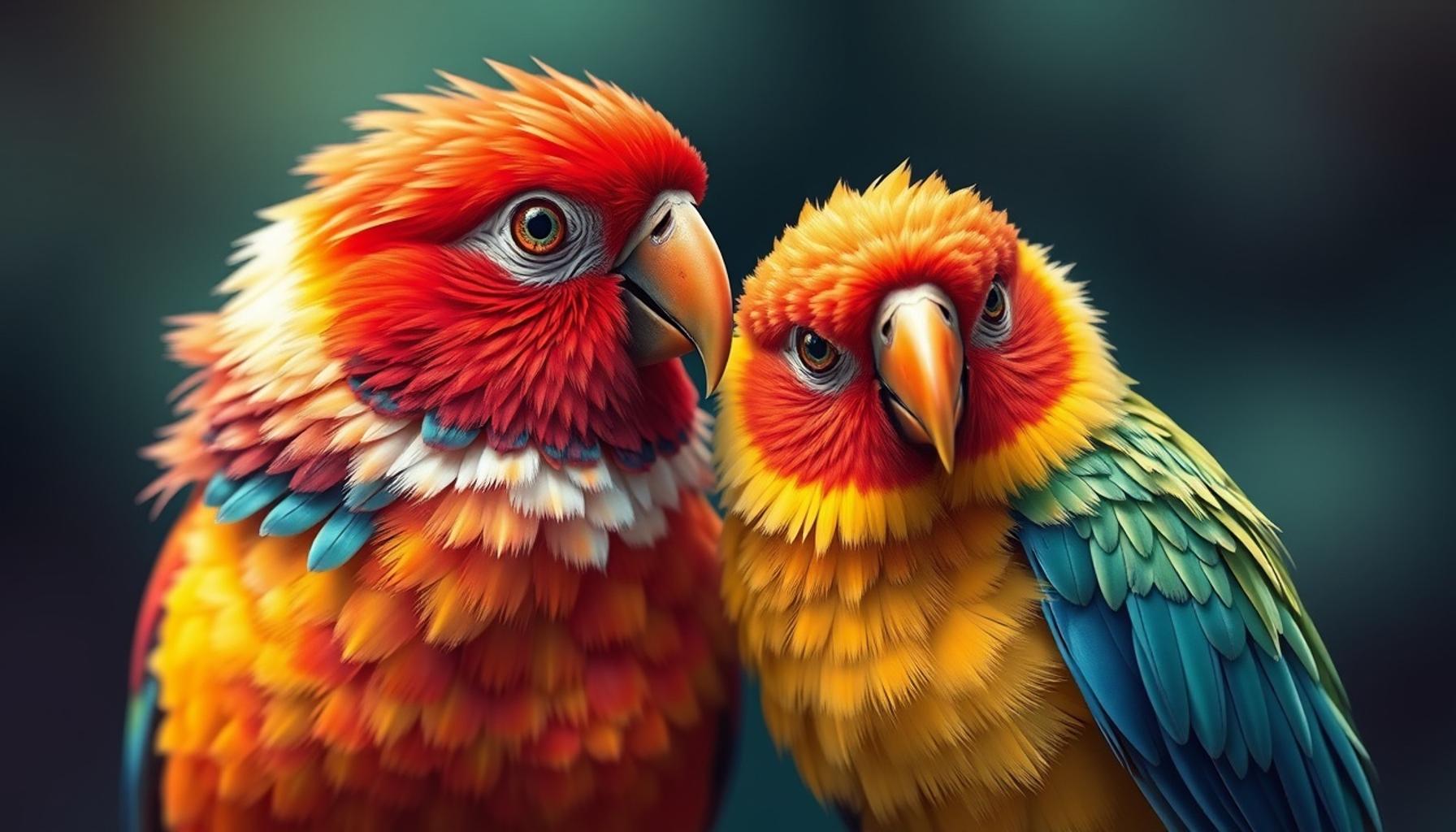
In the vibrant tapestry of life, pet birds play an important role, not only as companions but also as crucial indicators of environmental health. Understanding their needs and the threats they face is vital for their survival and well-being. Pets like parrots, canaries, and finches enrich our lives, yet they often remain overlooked in conservation efforts. Each species has unique characteristics and behaviors that not only captivate bird lovers but also contribute to a balanced ecosystem.
Many people may not realize that numerous pet bird species are endangered or at risk due to various factors. Some of these threats include:
- Habitat Loss: Urban development and deforestation diminish suitable living areas. As cities expand, natural habitats are often sacrificed for commercial and residential development, leading to a decline in bird populations. For example, the California condor, once on the brink of extinction, faced severe habitat loss due to human encroachment.
- Illegal Pet Trade: Many species are captured and sold under inhumane conditions. The international demand for exotic birds such as the African grey parrot drives poachers to remove them from their natural habitats, often leading to devastating population drops. According to the World Wildlife Fund, it is estimated that millions of wild birds are taken from their habitats each year, severely impacting their numbers.
- Climate Change: Alters habitats and disrupts breeding patterns. Changes in temperature and seasonal weather can affect the availability of food sources and nesting sites, particularly for migratory birds. For instance, many species of shorebirds face challenges as rising sea levels threaten their breeding grounds.
By conserving pet bird species, we not only protect these beautiful animals but also promote biodiversity. The act of saving our feathered friends fosters a greater connection between humans and nature. Birds are often seen as harbingers of seasonal change and serve as a barometer for environmental well-being. Their decline may indicate larger ecological issues at play, which can also adversely affect agricultural productivity and ecosystem services that humans rely on.
We can take steps to mitigate these challenges by:
- Supporting Conservation Programs: Contributing time or resources to organizations dedicated to avian welfare, such as the American Bird Conservancy or local wildlife rehabilitation centers. These organizations work tirelessly to protect critical habitats and implement breeding programs to restore at-risk species.
- Educating Others: Raising awareness about the significance of bird conservation through social media campaigns, community workshops, or even school presentations can galvanize collective action. The more we understand the beauty and complexity of bird species, the more likely we are to act on their behalf.
- Adopting Responsibly: Opting for adoption over purchasing from breeders or stores ensures that we support responsible practices and help reduce the pet trade’s demand on wild populations. Organizations often have birds in need of loving homes, promoting both conservation and companionship.
As we delve deeper into the topic, we discover how simple actions can lead to profound differences for our feathered friends. By engaging in conservation efforts, we contribute to a sustainable future where pet birds thrive alongside humans. Let us explore how we can work together to protect the rich avian diversity that surrounds us, ensuring that these incredible species persist for generations to come.
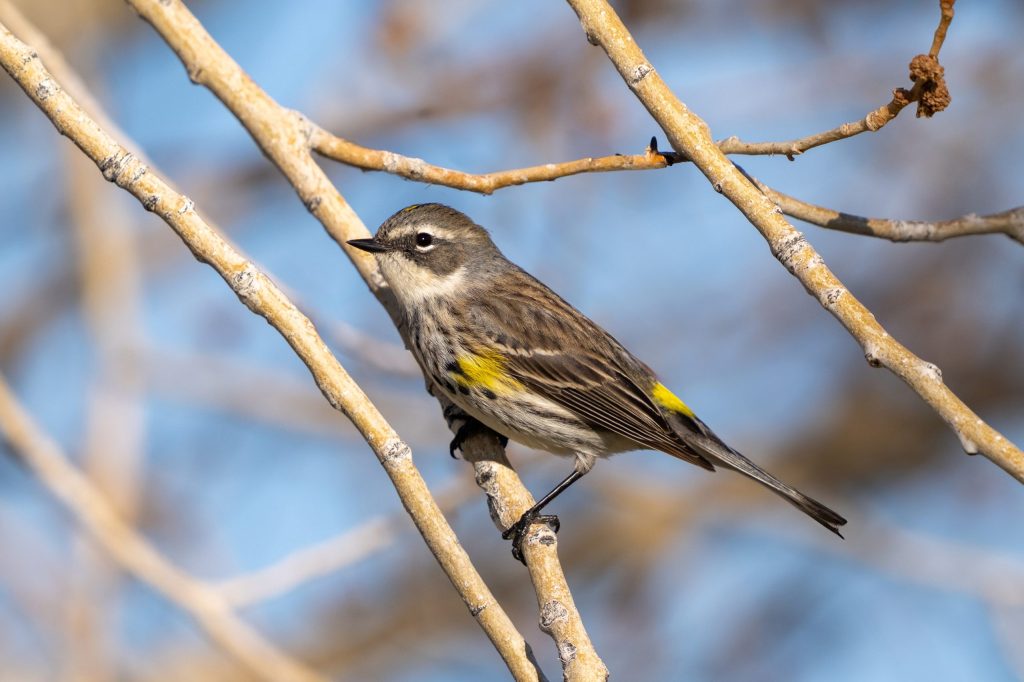
The Challenges Facing Pet Bird Conservation
Despite their captivating beauty and intelligence, pet birds face numerous challenges that threaten not only their existence but also their role within our ecosystems. To effectively understand the importance of conserving pet bird species, we must delve into the specific threats they encounter and the implications of their decline.
One of the most pressing issues is habitat loss. As urban areas expand, natural bird habitats are increasingly transformed into residential neighborhoods and commercial centers. This transformation greatly reduces the available spaces where these birds can thrive. In the United States, iconic species such as the California condor have suffered dramatically from habitat destruction, leading to concerted efforts for their rehabilitation. However, habitat loss isn’t merely a regional concern—it’s a global issue that affects countless species, including familiar pet birds like the budgerigar and cockatoo.
Another significant threat arises from the illegal pet trade. Many bird enthusiasts may not realize that acquiring birds from dubious sources contributes directly to the depletion of wild populations. The exotic bird market often leads to unethical practices, where species such as the Macaw and African grey parrot are illegally captured and sold under devastating conditions. Silenced by demand, these birds face a grim fate, as poachers disregard their needs for social interaction and proper care. In fact, the International Union for Conservation of Nature (IUCN) routinely flags these birds as vulnerable or endangered, prompting global awareness campaigns to combat the trade.
Climate change also poses a formidable challenge, altering the delicate balance of the ecosystems in which pet bird species are found. Communities across the country are already experiencing the impacts of climate change on bird populations, which can range from shifts in migration patterns to disruptions in breeding cycles. Research indicates that certain songbirds face diminishing nesting habitats due to rising temperatures and changing precipitation patterns. This instability can have cascading effects, not just for birds themselves, but also for the flora and fauna in their habitat.
Addressing these challenges requires collective action, and every individual can contribute to the conservation of our feathered friends. Here are several steps we can take to promote conservation among pet bird species:
- Get Involved with Local Initiatives: Join or support community programs aimed at preserving avian habitats. Local organizations often mobilize volunteers for tree-planting events or to clean and protect local wetlands.
- Choose Responsible Sources: When deciding to bring a bird into your home, research shelters and rescues committed to promoting ethical adoption practices. Connecting with these organizations ensures the birds you welcome into your life are not part of unsustainable trade practices.
- Promote Sustainable Practices: Advocate for policies that protect natural habitats. Engage with local policymakers to voice your concerns regarding development projects that threaten avian ecosystems.
By proactively engaging with these issues and understanding the intricate relationship between pet birds, their habitats, and human actions, we can collectively foster a future where our feathered friends are not merely surviving but thriving. More importantly, as we reflect on our responsibilities towards pet bird conservation, we unveil a deeper connection to the natural world, ultimately enriching our own lives in the process.
| Advantage | Explanation |
|---|---|
| Biodiversity Preservation | Conserving pet bird species aids in maintaining ecological balance and biodiversity, which is critical for healthy ecosystems. |
| Educational Opportunities | Preserved pet bird species can serve as valuable resources for education, promoting awareness about wildlife conservation and animal husbandry. |
| Aesthetic Value | Pet birds not only bring color and beauty into human environments but also enhance well-being, making the effort to conserve them beneficial on a personal level. |
| Research and Discovery | Conservation can lead to new research avenues, revealing insights into avian health, behavior, and genetics essential for both pet species and their wild relatives. |
The importance of conserving pet bird species goes far beyond companionship and aesthetic pleasure. Every effort made toward preserving various species contributes profoundly to the well-being of our planet. For example, the impact of conserving these feathered friends fosters a greater understanding of natural biodiversity that directly influences ecological systems.Moreover, pet birds serve as inspirational models for conservation efforts. Through education initiatives that incorporate their characteristics and behaviors, communities can develop a deeper appreciation for avian species both in captivity and in the wild. This connection is crucial, especially in today’s world where countless species face extinction.By championing the cause of pet bird species, individuals not only protect the natural beauty of bird life but also unlock the potential for groundbreaking research that could significantly improve human understanding of health and environmental interaction. Each pet bird represents a unique biological narrative, waiting to be studied and celebrated.Keep reading to discover various methods of engaging in bird conservation efforts and how you can play a role in protecting our feathered friends.
The Role of Education and Awareness in Pet Bird Conservation
Education and awareness play pivotal roles in the conservation of pet bird species. Without a comprehensive understanding of the issues at hand, the general public may remain apathetic or misinformed about the challenges these feathered friends face. Hence, fostering knowledge around pet bird conservation becomes essential for encouraging responsible pet ownership and conservation efforts.
Informational campaigns can shed light on the specific needs of pet bird species, such as the requirement for social interaction, proper diet, and mental stimulation. For example, many people may not be aware that birds like the cockatiel and canary are highly social creatures that require companionship to thrive. By providing information at schools, community centers, and through social media platforms, we can build a society that not only appreciates pet birds but also understands their unique traits and vulnerabilities.
Moreover, educational programs targeting young audiences can instill a sense of responsibility towards wildlife conservation from an early age. This could involve creating interactive curricula that incorporate lessons about local bird species and their environments, effectively nurturing a generation committed to preserving nature. Perhaps a field trip to a local bird sanctuary or a partnership with wildlife organizations can allow children to witness the impact of conservation efforts firsthand. Engaging activities often leave lasting impressions, fostering a sense of stewardship that can last a lifetime.
Leveraging Technology for Greater Reach
In today’s digital age, technology can be harnessed to bring awareness about pet bird conservation to the forefront. Social media platforms have become powerful tools for advocacy; organizations can utilize these channels to share striking imagery, informative videos, and success stories centered around pet bird conservation. For instance, many bird rescue groups document the recovery stories of previously neglected birds, showcasing their transformation and the dedication of the caretakers involved. These narratives not only engage current pet owners but can also inspire prospective bird enthusiasts to consider adopting rather than purchasing from breeders.
Furthermore, virtual reality (VR) experiences and interactive apps can simulate the habitats of threatened bird species, providing users with educational content that captivates their attention. By immersing individuals in the delicate environments that pet birds inhabit, technology enables a deeper appreciation for the role these creatures play in our ecosystems and the urgent need for their conservation.
Community Engagement and Volunteer Opportunities
Activating community engagement is vital for spreading awareness and fostering a collective effort towards pet bird conservation. Birdwatching clubs, community conservation days, and local workshops can be excellent venues for sharing knowledge and rallying support. Volunteers can participate in habitat restoration projects, educational workshops, or fundraising events specifically aimed at supporting avian rescue organizations. For instance, annual events like International Migratory Bird Day bring communities together to celebrate and conserve local bird populations, emphasizing the interconnectedness of all species.
The benefits gained from these community initiatives extend beyond just pet bird conservation; they promote environmental awareness, encourage sustainable practices, and enhance the quality of life for local avian populations. By participating in grassroots movements, individuals can play a part in effective, ongoing conservation efforts that reflect their commitment to preserving nature’s beauty.
As we explore ways to bolster our efforts, promoting education and community engagement emerges as vital components in safeguarding pet bird species while enriching our own lives in the process.
Conclusion: A Collective Responsibility to Protect Our Feathered Friends
In conclusion, the conservation of pet bird species is not merely an act of kindness; it is a responsibility that falls on the shoulders of each one of us. As discussed, the effects of habitat loss, illegal trade, and the increasing neglect of our feathered companions necessitate urgent action. Education, community engagement, and the utilization of technology have emerged as crucial components in the fight to protect these vibrant beings and their diverse ecosystems.
By fostering a culture of compassion and understanding through educational initiatives, we can empower individuals to make informed decisions about pet ownership and conservation. Moreover, community efforts such as volunteerism and participation in local conservation events can create a ripple effect that amplifies awareness, inspires others, and ultimately leads to lasting change.
The vibrant colors of parakeets, the melodic calls of canaries, and the playful antics of cockatiels enrich our lives and serve as a reminder of nature’s beauty. Every step we take towards conservation, from advocating for responsible pet ownership to supporting rescue organizations, contributes to the survival of these cherished species. Just as birds rely on their habitats, they also depend on us to protect them.
So, let us unite in this mission—whether by educating ourselves and others, getting involved in community initiatives, or leveraging technology to spread awareness. Together, we can ensure that our feathered friends flourish for generations to come, allowing the skies to remain filled with the sounds of life and the beauty of varied avian species. Now is the time to take action and safeguard the treasures of our ecosystem while celebrating the joy they bring to our lives.