The Importance of Socialization and Training After Adopting a Pet

The Importance of Socialization for Pets
Incorporating a new pet into your home is an exciting adventure; however, it also comes with challenges that require your attention. One of the most critical steps on this journey is socialization and training. These processes not only help your pet to adapt but also establish a well-rounded companion that fits seamlessly into your family life.
Socialization is fundamentally about exposure. Proper socialization prepares pets to interact confidently with:
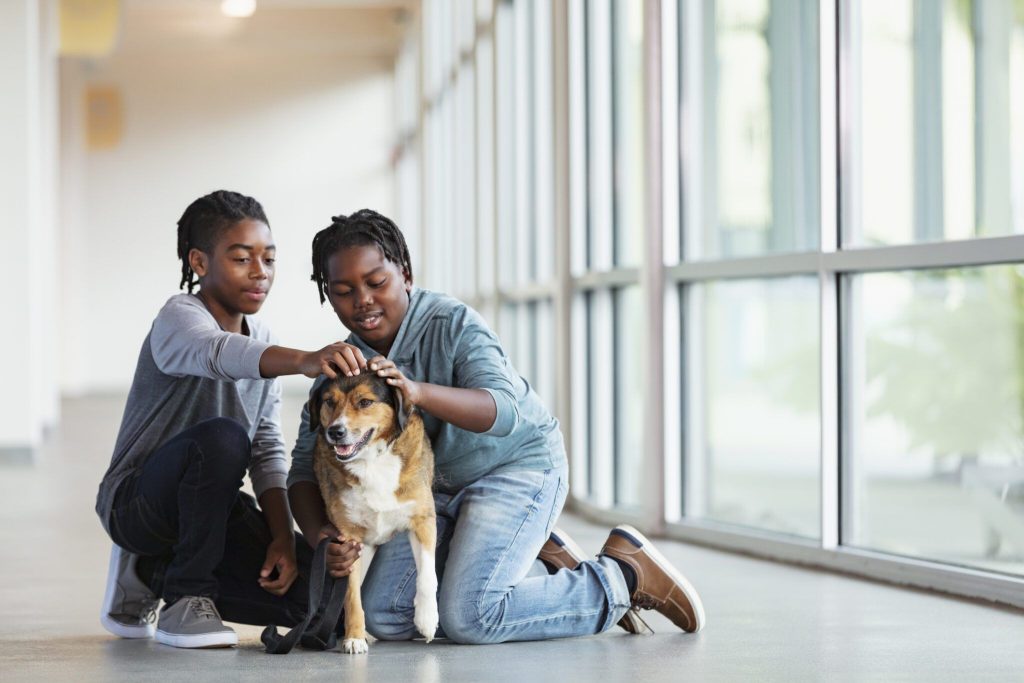
- People: Introducing your pet to various people—including children, elderly individuals, and those with disabilities—can help them become more comfortable around different personalities and behaviors.
- Other animals: Frequent interactions with other pets can reduce anxiety and fear-based responses. Dog parks, for example, are excellent venues for this purpose, allowing dogs to experience different breeds and play styles.
- Different environments: Taking your pet to new places, such as busy streets, parks, and even stores that allow pets, helps acclimate them to various stimuli, from bustling crowds to unfamiliar smells.
The Role of Training in Pet Ownership
Training complements socialization by instilling manners and communication skills in your pet. A well-trained pet is typically more obedient, making interactions more enjoyable for everyone involved. For instance, a pet can:
- Follow commands: Basic commands like “sit,” “stay,” and “come” not only promote safety but also enhance trust between pet and owner.
- Be safer around distractions: Training helps prevent accidents, especially in high-stress environments. For example, a well-trained dog is less likely to run into traffic or become aggressive when upset.
- Develop a stronger bond with their owner: Through training sessions, pets learn to look to their owners for guidance. This mutual understanding can lead to a deeper, more affectionate connection.
Statistics reveal that approximately 25% of pets in shelters struggle with behavioral issues due to a lack of proper training and social exposure. This stark reality emphasizes the need for responsible pet ownership practices. Providing your newly adopted pet with the attention, structure, and guidance they require is crucial to their happiness and your peace of mind.
As we delve further into the significance of socializing and training your adopted pet, we will explore effective strategies and expert recommendations. Learning about these concepts not only enhances your pet’s well-being but also significantly enriches your experience as a pet owner, turning your home into a sanctuary for your beloved companion.
Understanding the Impact of Socialization on Your New Pet
Socialization is not merely a series of interactions; it represents a critical foundation for your pet’s emotional well-being. A pet that is appropriately socialized experiences less stress and anxiety, which can significantly reduce the risk of behavioral problems in the future. Understanding the importance of socialization can lead to a more harmonious living situation for both you and your pet.
When we discuss socialization, it’s vital to highlight several key objectives that this process aims to achieve:
- Building Confidence: Through varied interactions, your pet learns to navigate the world with self-assurance. This confidence is pivotal, especially for rescue pets that may have had limited exposure to people or other animals before adoption.
- Reducing Fear Responses: Pets often react out of fear when confronted with unfamiliar situations. By exposing them gradually and positively to new experiences, socialization can diminish these fearful responses, allowing pets to respond calmly rather than defensively.
- Encouraging Positive Behaviors: Proper social exposure acts as a preventive measure against negative behaviors. For instance, well-socialized dogs are less likely to bark excessively at strangers or display aggression, as they learn that not all new experiences are threats.
Navigating the socialization process may seem daunting but can be simplified by following some best practices. For example, taking time to introduce your pet to new people incrementally and emphasizing positive reinforcement will set the stage for successful social interactions. Utilizing treats, praise, and gentle guidance helps create positive associations with these encounters.
The Essential Benefits of Training for a Well-Behaved Companion
While socialization is crucial, training plays an equally significant role in shaping your pet’s behavior. The benefits of training touch not just your pet’s behavior but also significantly affect your relationship with them.
Training can offer several key advantages:
- Enhanced Communication: Training simplifies the way you and your pet interact. Learning basic commands helps your pet understand what you expect of them, establishing a clear line of communication. For instance, a dog that promptly sits on command can better engage in various activities, from playing fetch to joining you on hikes.
- Safety Enhancements: A trained pet is typically safer to have around both your home and the public. Commands like “leave it” can prevent curious pets from picking up harmful objects during walks, while responding to recall commands can keep them out of potential danger.
- Social Acceptance: Well-trained pets are often more welcomed in community settings. Whether it’s a trip to the pet-friendly café or a visit to a friend’s house, a pet that behaves carries a reputation that reflects well on its owner, making outings more enjoyable.
The significance of socialization and training cannot be overstated; it is a pivotal investment in your pet’s future quality of life. Developing a structured plan for both aspects is essential for creating a loving and well-adjusted pet. By committing time and care to this process, you secure both your pet’s happiness and the enrichment of your shared experiences, creating a more fulfilling life together.
| Category | Details |
|---|---|
| Socialization | Exposing pets to various environments, people, and other animals helps them to develop a well-rounded personality. |
| Training | Teaching basic commands and manners fosters a strong bond between pets and their owners. |
| Behavioral Health | Adequate training can reduce instances of anxiety and behavioral issues. |
| Confidence | A well-socialized and trained pet is typically more confident and less fearful in new situations. |
Effective socialization and training are crucial for newly adopted pets. Immediate integration into lively settings can significantly enhance their confidence. When a pet encounters different sights, sounds, and various personalities, it lays the foundation for a fear-free environment, which is essential for good mental health. Moreover, training not only teaches essential commands but also establishes a sense of routine and stability in the pet’s life. It fosters trust and security, ultimately influencing how they react to unfamiliar circumstances. Additionally, pets that undergo consistent training tend to exhibit fewer behavioral issues, as they learn appropriate responses to their environment.In adopting a new pet, owners will find that investing time in socialization and training paves the way for a healthier, more enjoyable companionship that benefits both the pet and owner.
Long-Term Effects of Inadequate Socialization and Training
Understanding the consequences of neglecting socialization and training is essential for pet owners. Failing to provide proper social experiences can lead to a host of behavioral issues that can deeply affect both the pet and the owner’s quality of life.
Behavioral Problems: Without sufficient socialization, pets may develop significant behavioral problems. For example, dogs that are not exposed to various people, environments, and stimuli might display fear-based reactions, such as growling, barking, or even biting when they encounter anything unfamiliar. These behaviors can make everyday situations, like going for a walk or visiting the vet, a nightmare for both the pet and the owner. According to a study published by the American Society for the Prevention of Cruelty to Animals (ASPCA), nearly 60% of behavioral issues leading to pet abandonment stem from a lack of early socialization.
Vets’ Recommendations: Veterinarians routinely advocate for early and ongoing socialization and training, particularly for puppies and kittens. According to Dr. Sophia Yin, a veterinary behaviorist, introducing pets to varied stimuli in their early months can significantly mitigate excessive fear and anxiety-related behaviors later in life. The critical period for socialization in young animals typically spans from 3 to 14 weeks, making it imperative for new pet owners to seize opportunities during this window.
Variety in Socialization and Training Methods
It’s important to recognize that socialization and training methods should not be one-size-fits-all. Every pet is unique, and understanding their individual temperament and past experiences can lead to tailored approaches that yield better results.
Group Classes: Enrolling your pet in group training classes can serve dual purposes: teaching obedience skills while also facilitating socialization with other animals and humans. These classes offer a controlled environment where pets can learn alongside peers, allowing them to observe and engage in appropriate behavior. According to studies by the Association of Professional Dog Trainers (APDT), group classes have shown to improve both social skills and pet-owner relationships.
Utilizing Technology: In today’s digital age, technology plays a role in training as well. Online training platforms and mobile applications provide resources and virtual classes that pet owners can access from home. This accessibility ensures that pets receive consistent training, even when owners are short on time. Pet training apps often provide step-by-step video tutorials that can help reinforce learning positively.
Community Resources and Support
For those navigating the journey of pet ownership, seeking community resources is a smart strategy. Local animal shelters, pet stores, and community centers often offer socialization and training programs at low or no cost. These opportunities not only facilitate essential learning but also create venues for pet owners to connect and share experiences.
Adopter Support Groups: Many animal rescue organizations foster a sense of community among adopters, providing support groups where tips on training and socialization can be shared. For instance, programs like “Training for Adoption” offer classes aimed at helping new pet owners effectively integrate their new companions into the household.
In conclusion, the importance of socialization and training post-adoption cannot be overstated. By investing the time and effort into these practices, pet owners enhance the overall experience of pet ownership, leading to mutually fulfilling relationships. The journey may have its challenges, but the rewards of a well-socialized and trained pet are undeniable, enriching the lives of both the pets and their families. More resources and innovative tools are becoming available to help pet owners succeed in this crucial endeavor, affirming that the responsibility of nurturing a beloved pet comes with a profound and lasting impact on their well-being.
Conclusion
In the journey of pet ownership, the role of socialization and training post-adoption is paramount. Understanding that the first few months after bringing a pet home can shape their behavior for a lifetime is essential for every pet owner. Adequate socialization helps prevent potential behavioral issues, positioning pets for success in varied environments—from bustling parks to vet visits. Furthermore, as echoed by experts and veterinarians, the critical window for socialization spans early months, making prompt action indispensable.
The implementation of diverse training methods, whether through group classes, one-on-one sessions, or even digital platforms, highlights that there is no single approach to pet training. Tailoring training to fit a pet’s unique personality ensures that they receive the most effective guidance, paving the way for improved behavior and stronger bonds.
Community resources and support networks extend a valuable lifeline for new pet owners, emphasizing the importance of collaboration and shared experiences. Every interaction, training session, and socialization opportunity contributes significantly to a pet’s well-being, creating profound impacts not only on their behavior but also on the overall human-animal bond.
Ultimately, investing in socialization and training enhances the joy of pet ownership, transforming a relationship into a partnership built on trust, understanding, and love. As the benefits of a well-trained and socially adept pet unfold, both pets and their families can look forward to a lifetime of happiness and fulfillment together.