The Evolution of Domestic Cat Species: How Natural Selection and Breeding Influence Behavior and Physical Characteristics
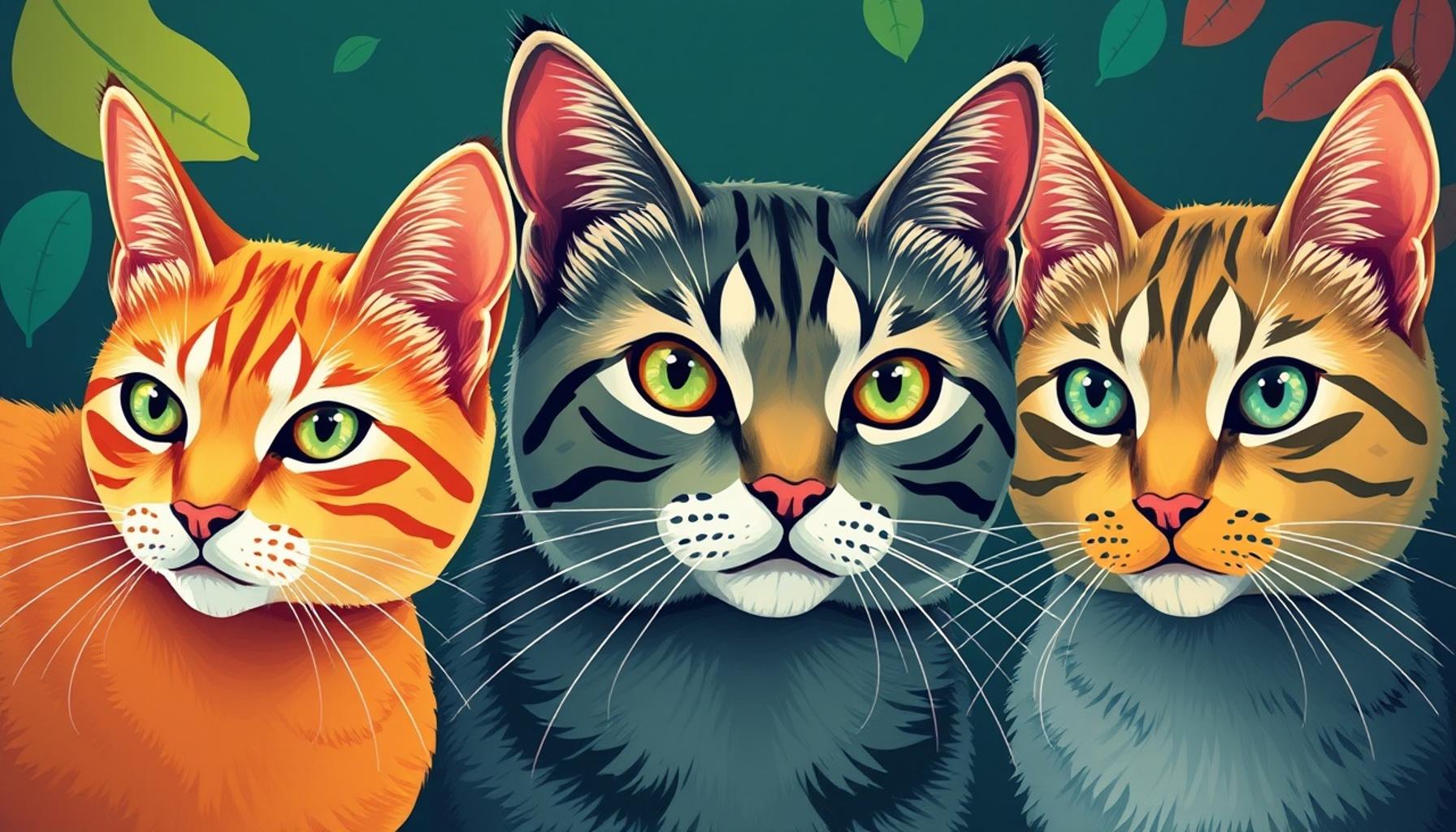
Exploring the Evolution of Domestic Cats
The bond between humans and cats has been shaped over thousands of years, creating a captivating history that is both rich and complex. This journey begins with the process of natural selection, where feral cats, those wild ancestors of our beloved house cats, were drawn to human settlements. Early agrarian societies provided a steady source of food in the form of grain stores, which inevitably attracted rodents. As a result, opportunistic felines began to roam closer to human habitats, offering their natural hunting abilities in exchange for food in a mutually beneficial arrangement.
Through this early coexistence, certain behavioral traits began to dominate. Cats that were more sociable and less skittish were more likely to thrive around humans, leading to an increase in their populations. Conversely, cats that retained their elusive nature likely remained wild, and thus, through generations, we see a clear divergence between domestic and feral populations. This adaptation is crucial in understanding current feline behaviors. For instance, many cats exhibit the instinctual urge to hunt, often seen as they chase toys or engage in play. These hunting behaviors, though largely unnecessary in a domestic environment, reflect their evolutionary past—an inheritance of skills essential for survival.
Selective breeding has also played an instrumental role in shaping cats into the diverse creatures we know today. Over the years, humans have consciously bred cats for specific traits, resulting in various recognized breeds. The Siamese cat stands out with its striking blue almond-shaped eyes and short coat that showcases a color-point pattern. Known for their vocal nature and affinity for companionship, Siamese cats are often described as sociable and affectionate, reflecting the environments they were bred in. In contrast, the Maine Coon, one of the largest domesticated cat breeds, has a stocky build and long, tufted ears, traits believed to be advantageous in cold climates, demonstrating how environment and selective breeding can intertwine to create physical adaptations.
Today, a plethora of breeds exists, and each one carries the imprint of human experiences and choices. For instance, the astonishing agility of the Abyssinian contrasts with the easygoing charm of the British Shorthair, each showcasing unique behaviors and appearances shaped across generations. This variation invites cat owners and enthusiasts alike to appreciate the subtleties of each cat’s nature.
As we navigate the fascinating interplay of behavioral genetics and physical adaptations in cats, it becomes clear that their evolution is a testament to both natural forces and human intervention. The complexities of their existence can deepen our understanding and appreciation for these enigmatic creatures who have curled up beside humans for ages. Investigating these elements not only enriches our relationship with these pets but also invites curiosity about their roles in our lives today.
The Role of Natural Selection in Feline Evolution
As we delve deeper into the evolution of domestic cats, it is essential to emphasize the critical role that natural selection has played in shaping their evolution. The ancestral lineage of today’s house cats can be traced back to the African wildcat (Felis lybica), a species that adapted remarkably well to the changing environmental conditions brought about by human agricultural practices. This adaptability has cemented their place in human society, allowing them to thrive in a new ecosystem—one dominated by humans.
The early relationship between cats and humans demonstrates the principles of natural selection. Cats that were less fearful and more tolerant of human presence had a distinct advantage. They secured food resources and preferred shelters, boosting their chances of survival and reproduction. The traits that emerged during these interactions laid the groundwork for behavioral changes observed in domestic cats today. Some notable traits driven by natural selection include:
- Affectionate Behavior: Cats that displayed more affectionate behaviors were likely to thrive in human company, forging stronger bonds with their human caretakers.
- Less Aggressiveness: The less aggressive cats were more likely to cohabit effectively with humans and other domestic animals, leading to a preference for these traits over generations.
- Curiosity: Cats with a more curious nature were adept at exploring human environments, leading to greater survival rates when interacting with people.
This evolutionary journey illustrates a fascinating point: even as we domesticate animals, the underlying instincts of survival remain potent. Interestingly, many cats still retain a strong hunting instinct. Studies have shown that even the most pampered urban felines engage in stalking and pouncing behaviors, demonstrating that the lineage of hunting is an indelible aspect of their identity.
The Impact of Selective Breeding
In parallel to natural selection, selective breeding has introduced further refinements in domestic cat species. Beginning around the 19th century, cat fanciers began to consciously breed felines to accentuate specific traits. This human-directed selection has given rise to the striking variety of breeds we recognize today. Breeders have opted for characteristics such as coat color, size, and temperament, often in response to owner preferences and lifestyle needs.
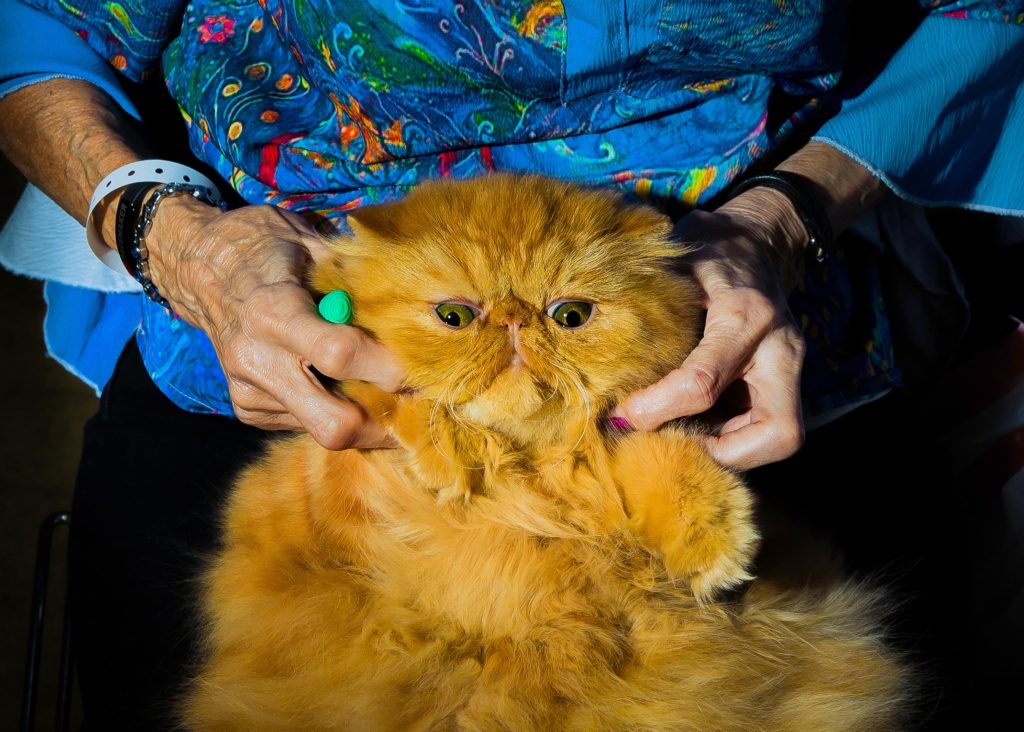
The resulting breeds epitomize the impact of selective breeding, with each showcasing unique combinations of physical characteristics and behaviors. For instance, the playful nature of the Bengal cat, reminiscent of its wild ancestor, reflects an emphasis on energy and agility. Meanwhile, the calm and patient demeanor of the Persian cat results from decades of breeding for a more subdued temperament. This selective development results in fascinating diversity; cat enthusiasts can select companions that align with their desires, whether they seek an active playmate or a serene cuddle buddy.
Ultimately, the interplay between natural selection and selective breeding highlights the multifaceted evolution of domestic cats. Understanding these dynamics not only enriches our appreciation of our feline companions but also unveils the intricate history that continues to shape their behaviors and adoptions within human households.
| Category | Details |
|---|---|
| Natural Selection | Domestic cats have evolved traits that enhance their survival, like enhanced hunting skills and adaptability to various environments. |
| Selective Breeding | Human intervention has led to the development of distinct breeds, each with specific behavioral traits and physical characteristics, such as the playful Bengal or the affectionate Persian. |
As we delve deeper into the evolutionary journey of domestic cats, one must consider the significant role of natural selection combined with selective breeding. Initially, cats were self-sufficient hunters, adapting over millennia to various ecological niches. The presence of humans facilitated a mutually beneficial relationship, where cats helped control pest populations in agricultural settings.However, the impact of human influence takes a profound turn with selective breeding practices that aim to amplify particular traits. Breeds like the Siamese exhibit unique vocalizations and behaviors due to a focused breeding approach, making them distinct from other felines. This evolutionary narrative not only shapes physical appearances—such as coat patterns and eye color—but intricately weaves a tapestry of behavioral characteristics deeply ingrained in each breed’s anatomy.Additionally, such breeding practices must be critically evaluated, as they can inadvertently lead to genetic health issues, showcasing a delicate balance between aesthetic desire and the well-being of the animal. The evolution of domestic cats is a rich subject that invites ongoing exploration into how we shape and are shaped by our feline companions.
Behavioral Adaptations in Response to Human Interaction
Building on the impact of natural selection and selective breeding, it is crucial to examine how domestic cats have further adapted their behaviors in response to the nuances of human interaction. These adaptations highlight the shaping of feline behavior beyond mere survival; they showcase an intricate dance of mutual understanding and companionship that has defined the human-cat relationship.
One significant behavioral adaptation observed in domestic cats is their unique communication style with humans. Unlike their wild counterparts, domestic cats have developed a repertoire of vocalizations, body language, and even facial expressions tailored to elicit human attention and response. For example, the classic “meow” has evolved primarily as a communication tool for humans, not for other cats. The varied pitch and frequency of a cat’s meow can convey anything from hunger to desire for affection, showcasing their adaptability in using sounds to connect with their human counterparts.
In addition to vocalizations, the physical behaviors cats exhibit—such as kneading and head-butting—further exemplify their adaptations to human companionship. Kneading, or “making biscuits,” often occurs when cats press their paws against soft surfaces, a behavior rooted in kittenhood when nursing from their mothers. As adult cats display this behavior towards their owners, it signifies comfort and bonding, reinforcing the emotional connection that has evolved with domestication.
Physical Characteristics Influenced by Environment
The physical characteristics of domestic cats not only showcase the outcome of selective breeding but also underscore how they have adapted to thrive in various environments. Fur type, coat patterns, and body size among different breeds are often linked to their geographical origins and living conditions. For example, the Siberian cat has a thick triple coat designed to withstand cold climates, while the Sphynx cat’s hairless trait is an adaptation to pallid temperatures of its native region, aligning closely with human living spaces typically found in warmer environments.
The difference in body structure also reflects adaptations for specific behaviors. Breeds such as the Oriental Shorthair tend to have slender, agile bodies, ideal for hunting and exploring active environments. In contrast, breeds like the Maine Coon possess larger, robust frames adapted for protection against natural elements, providing both strength and agility in their habitats. These evolutionary traits go beyond aesthetics, significantly influencing their behavior and how they engage with their surroundings.
The Continued Influence of Environment on Domestication
Interestingly, as human societies continue to evolve, so too do the adaptations of domestic cats. Urbanization has led to changes in living conditions and behavior. For instance, cats residing in busy metropolitan areas often develop unique behaviors to navigate challenges. It is not uncommon for city dwellers to adopt more sociable dispositions, likely as a result of the bustling environments filled with noise and activity. Conversely, rural cats may retain more territorial and independent traits, emphasizing their hunting instincts and adaptability to less structured environments.
As we observe these behavioral and physical adaptations, the ongoing interplay of nature and nurture underscores the dynamic evolution of domestic cats. Each cat’s story is interwoven with that of human culture, driving home the point that their evolution continues to be influenced by the contexts in which they exist and the changes brought by their proximity to humans.
Conclusion: The Ever-Evolving Journey of Domestic Cats
The tale of domestic cats encapsulates a fascinating continuum of evolution shaped by a blend of natural selection and selective breeding. Over thousands of years, these remarkable creatures have transformed from solitary hunters into beloved companions, showcasing a myriad of behavioral and physical adaptations that reflect their unique relationship with humans. The communication skills they’ve developed and their ability to navigate diverse environments underscore the significance of this bond. Notably, traits such as a distinctive meow or a propensity for kneading highlight a growing reliance on human interaction, which has redefined how they express themselves.
Beyond behavior, the physical characteristics of cats reveal a remarkable adaptability, tailored by environmental factors and human influence. The striking diversity among breeds—from the rugged Maine Coon to the sleek Sphynx—reflects a marriage of advancements in breeding and instinctual survival mechanisms, enabling them to thrive in various settings across the globe.
As our world continues to evolve, so will the domestic cat, adapting to ongoing changes in human society and environment. This evolution is sure to bring forth further fascinating insights into their behavior and physiology. Indeed, every cat represents a living testament to the intertwined paths of nature and nurture, continually inviting us to explore and understand the intricacies of their existence. For those intrigued by the complexities of domestication, delving deeper into the evolutionary journey of domestic cats may yield surprising revelations about not only their past but also their future roles alongside humans.