Natural Food vs. Industrial Feed: What is Better for Your Pet?
The choice between natural food and industrial feed for pets has become a hot topic among pet owners. As more individuals recognize the significance of nutrition in the health of their animals, they find themselves facing an important dilemma. Understanding the implications of each option can empower pet owners to make better dietary decisions for their furry friends.
What to Consider
When evaluating pet food options, several key factors come into play:
- Ingredients: A critical aspect of pet food revolves around what goes into each type. Natural foods tend to prioritize whole ingredients free from questionable components, while industrial feeds may include various fillers and additives that serve to bulk up content without providing essential nutrition.
- Nutritional Value: It is vital to determine whether pets are receiving the necessary vitamins and minerals for their overall well-being. Natural foods are often formulated to deliver balanced nutrition that closely resembles a natural diet.
- Source: The origin of the ingredients can greatly influence a pet’s health. Local farms may provide fresher and more ethically sourced components, while industrial manufacturers often rely on mass-produced ingredients that could be lower in quality.
Natural Foods
Many pet owners are increasingly opting for natural options to provide their pets with diets that echo what they would consume in the wild. These foods often boast:
- No artificial preservatives: Natural foods typically rely on organic components, which can promote better digestion and healthier choices.
- High-quality protein sources: Ingredients such as whole chicken, beef, or fish help ensure necessary amino acids are present.
- Grain-free or minimally processed ingredients: Many natural brands cater to pets with sensitivities, offering alternatives that avoid common allergens found in grains.
For instance, brands like Blue Buffalo and Orijen focus on using local ingredients and providing recipes that mirror the high-protein diets of ancestral canines and felines. Moreover, pet owners who make food at home often find satisfaction in knowing exactly what their pets consume.
Industrial Feed
In contrast, industrial pet feeds are often favored for their convenience and cost-effectiveness. However, they may include:
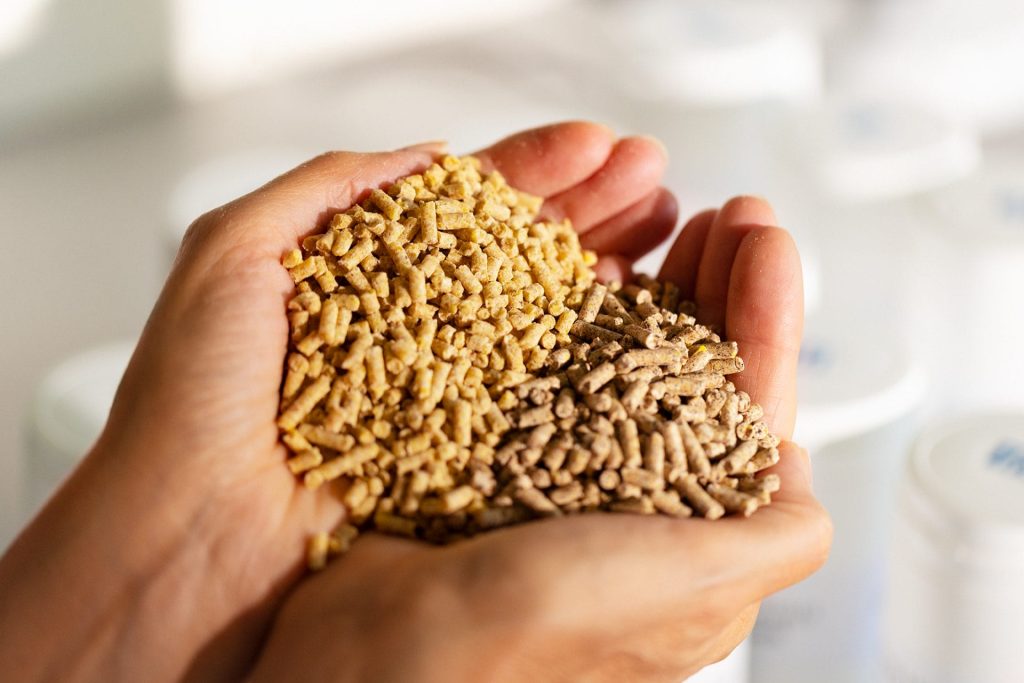
- By-products and fillers: Ingredients might be sourced from parts of animals deemed unfit for human consumption, leading to nutritional deficits.
- Artificial flavors and additives: These are used to enhance taste and appearance, which may not contribute to a pet’s health.
- A longer shelf life, thanks to preservatives: While this can reduce waste, it raises concerns about the health implications of consuming chemically preserved foods over time.
Brands such as Purina and Iams illustrate how industrial feeds can dominate the market due to their affordability and widespread availability in grocery stores and pet supply outlets. However, studies have raised questions about the long-term impact of such diets on pet health.
With so much at stake, it’s crucial to delve deeper into the debate of natural food vs. industrial feed. A well-informed choice could open the door to a healthier and more vibrant life for your beloved pets. As pet owners, the responsibility lies in exploring the myriad options available and considering what best aligns with your pet’s health needs and nutritional requirements.
Understanding the Impacts of Pet Nutrition
Choosing between natural food and industrial feed goes beyond mere preferences; it directly impacts your pet’s health, behavior, and overall quality of life. With the pet food industry projected to reach over $50 billion in the United States by 2024, understanding what you are feeding your furry friend becomes increasingly essential. The nutritional implications of each type of food can set the stage for a lifetime of health or ongoing health challenges.
Key Considerations
As you embark on the journey to better nutrition for your pet, several considerations should guide your decision:
- Personal Health Requirements: Each pet has unique health needs, whether it be due to age, breed, size, or specific health conditions. Natural foods, which often avoid common allergens, can cater to sensitive stomachs or pets with food intolerances more effectively than many industrial feeds.
- Ingredient Transparency: The ingredient list on pet food packaging can be a telling sign. Natural foods often include whole, recognizable ingredients, while industrial feeds may obscure their quality with vague terms such as “meat meal” or “by-products.”
- Long-term Health Effects: While industrial feed might offer a cost-effective solution in the short term, studies indicate potential long-term health risks associated with artificial additives and preservatives. Health issues linked to poor nutrition—such as obesity, diabetes, and digestive disorders—are becoming increasingly common in pets consuming low-quality diets.
Natural Food Benefits
Natural pet food brands are gaining traction due to their commitment to providing wholesome, ethically sourced ingredients that mirror pets’ ancestral diets. With a focus on:
- Fresh whole ingredients: Many natural brands, like Canidae and Wellness, incorporate real meats, vegetables, and fruits which often provide better palatability and digestibility.
- Avoiding common allergens: By using alternative carbohydrate sources, natural foods may help alleviate allergies or sensitivity problems, thus promoting better overall health.
- Raw food diets: Some pet owners are even exploring raw feeding, which can more closely align with a pet’s natural instincts and nutritional requirements. Advocates claim it leads to enhanced energy levels, shinier coats, and improved weight management.
However, it’s also essential to recognize the challenges associated with natural pet food. These can include the need for careful meal planning, ensuring nutrient balance, and an often higher price point. Ultimately, the decision isn’t as straightforward as it may seem.
Next, we’ll investigate the implications of industrial feeds that dominate pet stores and consider whether they can actually meet the health needs of your pets despite their convenience and affordability.
Unpacking the Ingredients: What Your Pet Truly Needs
When contemplating natural food versus industrial feed, it’s essential to examine the ingredient differences that significantly impact pet health. Natural pet foods often boast ingredients sourced from organic and sustainable sources, which can provide a rich nutritional profile. For instance, they typically include fresh meats, vegetables, and whole grains, while steering clear of artificial preservatives, colors, and flavors.
In contrast, many industrial feeds focus on cost-effectiveness, which can lead to a reliance on fillers and lower-quality ingredients. This raises concerns about the long-term health of pets consuming such diets. Ingredients like meat by-products and excessive grains might leave pet owners questioning if their furry companions are receiving optimal nutrition.
The Impact on Health and Wellness
The debate surrounding natural food versus industrial feed extends to long-term health implications. Many proponents of natural diets argue that pets fed whole foods may experience fewer allergies, improved digestion, and better overall vitality. In fact, owners often cite changes in coat quality and energy levels as indicators of a successful transition.
Moreover, the rising trend of pet obesity, fueled by high-calorie industrial feeds, is a significant health concern. Switching to natural food can be an effective way to manage a pet’s weight, as these diets typically focus on nutrient density rather than empty calories. Additionally, natural food preparation often allows owners to have better control over what their pets consume, potentially mitigating health issues related to specific ingredients found in commercial products.
Environmental Considerations
Choosing between natural food and industrial feed also sparks discussions about sustainability. Many brands producing natural pet food prioritize environmentally friendly practices. Sourcing ingredients locally and utilizing non-GMO components can make a considerable impact on reducing the carbon footprint associated with pet food manufacturing. In an era of heightened ecological awareness, pet owners are increasingly considering how their food choices affect the planet.
| Advantage | Impact on Pet Health |
|---|---|
| Higher Nutritional Value | Promotes optimal growth and energy. |
| Fewer Allergens | Reduces the risk of food-related illnesses. |
| Sustainability | Lower environmental impact through ethical sourcing. |
Through this exploration, it becomes clear that the choice between natural food and industrial feed encompasses various critical factors. From nutrition and health benefits to environmental impacts, the discussion encourages a deeper examination of what we feed our beloved pets. Each aspect is worth considering so that pet owners can ask themselves what is truly best for their furry companions.
Exploring Industrial Feed: Pros, Cons, and Nutritional Gaps
As the pet food market expands, industrial feed remains a dominant player due to its convenience and affordability. For many pet owners, the allure lies in the structured formulations that promise complete nutrition in every bowl. However, beneath the glossy packaging and competitive pricing lies a complex tapestry of health benefits and potential drawbacks that pet owners need to understand.
The Appeal of Industrial Feed
Industrial pet feeds are designed with the intention of providing a balanced diet based on standardized nutritional guidelines. Manufacturers often highlight the following advantageous aspects:
- Cost-Effective Options: Industrial feeds are generally less expensive than natural foods, making them a popular choice for families, particularly in regions where pet food prices can be prohibitively high.
- Consistency: The ability to ensure that each bag of food has a consistent taste, texture, and nutritional content appeals to many pet owners who prefer a reliable feeding experience for their pets.
- Convenience: Pre-packaged meals provide a quick solution for busy pet owners, eliminating the hassle of meal preparation and portioning, which can be particularly appealing for those balancing work and family life.
The Nutritional Shortcomings
Despite these advantages, industrial feeds often come under scrutiny for their nutritional composition. A number of concerns have been raised:
- Use of Fillers and By-Products: Many industrial feeds include fillers such as corn, wheat, and soy that serve as inexpensive sources of energy but offer little nutritional value. By-products, which may include parts of the animal not fit for human consumption, can contribute to questionable ingredient quality.
- Artificial Additives: Preservatives and artificial flavors often find their way into industrial formulations to enhance shelf life and palatability. Some studies link these additives to potential health issues over time, including allergies and disruptions in metabolism.
- Generic Formulations: While some brands adhere to high-quality standards, many industrial feeds use a one-size-fits-all approach. This can lead to gaps in nutrition, as not all pets have the same dietary requirements based on age, breed, or health status.
Regulatory Oversight
The regulatory framework in the United States regarding pet food is regulated by the Association of American Feed Control Officials (AAFCO). They establish definitions and guidelines but do not guarantee quality. It is essential for pet owners to research brands thoroughly, understanding how each manufacturer meets or falls short of these recommendations. Products marketed with buzzwords like “natural,” “premium,” or “holistic” often evade the scrutiny that more rigorously tested natural foods face.
Understanding Your Pet’s Needs
Ultimately, the choice between natural food and industrial feed should hinge on your pet’s individual needs. By engaging with a veterinarian or a pet nutrition specialist, owners can better understand condition-specific dietary recommendations, particularly for puppies, senior pets, or those with known health issues. Ensuring that your pet receives the right nutrients to thrive is paramount, regardless of the food source.
A broad spectrum of options exists within the pet food landscape today. Armed with knowledge about both natural foods and industrial feeds, pet owners can make conscientious choices that cater specifically to their pets’ requirements, ensuring not just survival but a vibrant, healthy life.
Conclusion: Navigating the Path to Optimal Pet Nutrition
In the ongoing debate of Natural Food vs. Industrial Feed, pet owners are faced with a plethora of choices, each carrying its own set of benefits and challenges. While industrial feeds offer affordability, convenience, and formulation consistency, they often lack the personalized nutritional depth that natural foods can provide. On the other hand, natural diets may require more planning and investment but often prioritize quality ingredients that can lead to better overall health outcomes for our furry companions.
As the pet food landscape continues to evolve, it is crucial for owners to remain informed about the nutritional compositions of various products. Engaging with veterinarians or pet nutrition experts can illuminate your pet’s unique dietary needs based on factors such as age, breed, and health status. This personalized approach not only empowers pet owners to make informed choices but also enhances the likelihood of promoting a longer, healthier life for their pets.
Furthermore, transparency is key; investigating the sources and manufacturing processes of any pet food—be it natural or industrial—can reveal essential information regarding quality and safety. As you embark on this journey to find the best nutrition for your pet, consider potential health implications, ingredient integrity, and your own lifestyle factors. Ultimately, the best choice lies in understanding your pet’s specific needs and making a decision that aligns with their overall well-being.
Are you ready to elevate your pet’s diet? This simple yet profound choice could shape not just their meals but their vitality and happiness for years to come. With a wealth of resources available, you can delve deeper into this intricate subject, ensuring your beloved pet receives only the best.