
Practical Tips for Creating a Safe and Comfortable Environment for Pets at Home
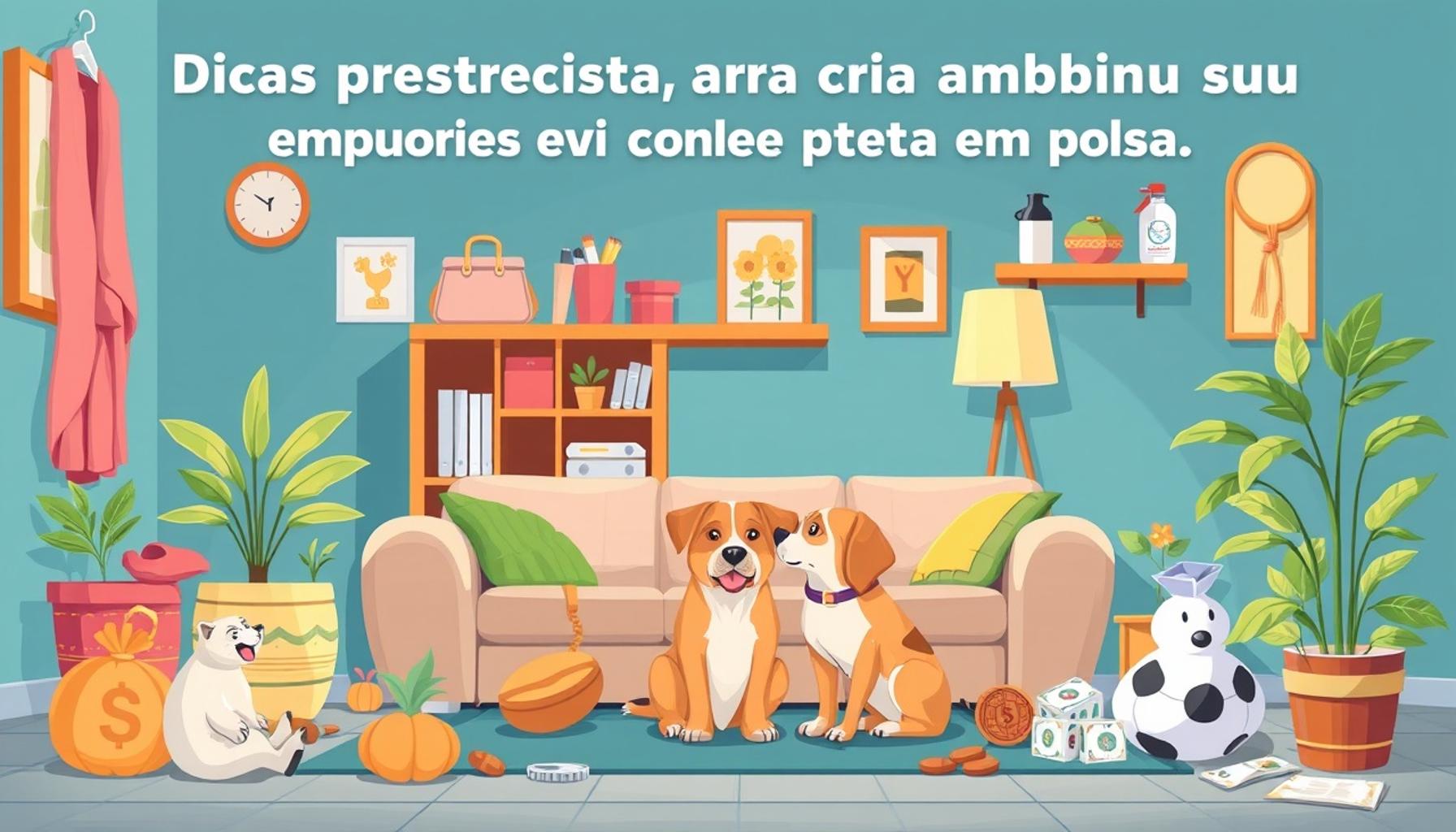
Creating a Safe and Comfortable Space for Your Furry Friends
Our pets are more than just companions; they are family members. Ensuring their safety and comfort is a priority for every responsible pet owner. With a few practical tips, you can transform your home into a pet-friendly haven.
Start by identifying potential hazards within your home, including:
- Sharp objects like knives and scissors can easily injure curious paws. Make it a habit to store these items in high cabinets or drawers with child-proof locks.
- Toxic plants, such as lilies and azaleas, pose a serious threat to pets. Before introducing new greenery into your home, research whether they are safe for your furry friends. Many households in the U.S. utilize houseplants as décor, but it’s crucial to ensure they don’t jeopardize your pet’s health.
- Small items that could be swallowed, like coins, batteries, or small toys, should be kept out of reach. A good practice is to regularly inspect the floors and surfaces for stray items that might intrigue your pets.
Next, consider the comfort of your pet. This goes beyond just soft bedding; think about:
- Designating a quiet, cozy space for rest where your pet can retreat from the hustle and bustle of daily life. A corner with minimal foot traffic, perhaps surrounded by pet-friendly blankets, can become a perfect sanctuary.
- Investing in a comfortable bed suitable for your pet’s size is essential. For example, a large dog breed might benefit from an orthopedic bed that supports their joints, while a small cat might prefer a raised soft perch.
- Providing fresh water at all times and a balanced diet tailored to their specific nutritional needs is vital. Different breeds have varying dietary requirements, making it essential to consult your veterinarian for personalized recommendations.
Additionally, incorporating regular exercise and mental stimulation is vital for your pet’s overall well-being. Activities like:
- Daily walks can help expend excess energy, promote cardiovascular health, and strengthen the bond between you and your pet. Consider exploring local parks or joining pet-friendly hiking groups to enhance this experience.
- Interactive toys that challenge their intelligence can keep pets entertained for hours. Puzzle feeders, for instance, stimulate their brain and reward them with treats.
- Training sessions can build discipline and deeper communication between you and your pet. Not only does this reinforce good behavior, but it also strengthens the trust and bond between you two.
By taking these steps, you can ensure that your home is not just a living space, but a safe and nurturing environment where your pets can thrive. Taking the time to create a pet-friendly atmosphere will not only safeguard your beloved companions but will also lead to a happier and healthier life for them.
LEARN MORE: Click here to discover the importance of socialization and training for adopted pets.
Essential Safety Measures for Your Pet-Approved Home
Creating a safe environment for your pets is the first step in ensuring their well-being. As a devoted pet owner, you need to remain vigilant about potential dangers lurking inside your home. By paying close attention to your surroundings and making some simple adjustments, you can significantly minimize risks. Here are some crucial safety measures to consider:
- Secure Heavy Furniture: Pets, especially playful cats and energetic dogs, have a knack for climbing or jumping onto furniture. Make sure that your bookshelves, cabinets, and other heavy items are anchored securely to the wall to prevent them from tipping over. This is particularly vital for homes with active animals that may inadvertently cause a cascade of misfortune.
- Childproofing Locks: While you may think cabinets and drawers are safe, curious pets can easily access dangerous items. Installing childproof locks on kitchen, bathroom, and laundry room cabinets ensures that harmful substances such as cleaning supplies and medications are out of reach.
- Electrical Outlets: Pets can chew on wires, posing severe risks of electric shock or fire. It is advisable to cover any exposed electrical plugs and use cord protectors to prevent your pets from accessing these tempting targets.
- Keep the Toilet Lid Closed: It may seem like a small detail, but an open toilet can attract pets out of curiosity. This could lead to drowning, especially for smaller dogs or kittens. Always keep the lid closed to eliminate this unnecessary danger.
- Food Storage: Be cautious with food storage, as many human foods are toxic to pets. Ensure that trash cans are secured with lids to prevent your pets from rummaging through potentially hazardous items like chocolate or grapes.
Beyond just safety, the comfort of pets plays a significant role in their contentment at home. A comfortable pet is a happy pet, leading to better interactions and reduced behavioral issues. Consider the following ways to enhance your pet’s comfort:
- Climate Control: Just as humans favor a comfortable temperature, pets do as well. Ensure your home is not too hot or too cold for them. Consider using fans or air conditioning during the summer and heating pads or blankets in colder months, especially for older or more vulnerable pets.
- Safe Spaces: Some pets are better suited to having a designated comfort zone, whether it be a cozy bed, a specific room, or even a safe crate. This space should provide security and the chance to retreat when they feel overwhelmed.
- Regular Grooming: Keeping your pet groomed is essential for their comfort and health. Schedule regular grooming sessions to remove dirt and loose fur, and consider professional grooming services for more intricate care if necessary.
By being proactive about safety and comfort, you can create an environment where your beloved pets can truly thrive. These adjustments will not only protect your pets but also enhance the bond you share with them, leading to a happier and more harmonious household.
Creating a Safe Space for Your Pets
When it comes to creating a secure atmosphere for your beloved animals, a proactive approach can make all the difference. Consider the following practical tips to enhance the safety and comfort of your home environment:
1. Identify Potential Hazards
Start by thoroughly examining your home for any potential dangers. Common hazards include:- Toxic plants: Many houseplants, such as lilies and philodendrons, can be harmful. Ensure any plants in your home are pet-friendly.- Chemicals and cleaning supplies: Store these items in cabinets that are out of reach or secured with childproof locks.
2. Create Comfortable Rest Areas
Pets thrive in cozy spaces. Designate specific areas where they can relax and feel safe. This may include:- Soft bedding: Provide comfortable cushions or blankets that cater to their individual needs.- Quiet zones: Ensure pets have access to a tranquil space away from the hustle and bustle, reducing anxiety during stressful moments.
3. Use Pet-Friendly Decor
Choose materials and furniture that are pet-friendly. Consider the following:- Durable fabrics: Opt for stain-resistant and easily washable options, as accidents are bound to happen.- Non-slip surfaces: Keeping flooring safe can prevent accidents—consider adding area rugs or mats to slippery surfaces.
4. Engage in Regular Maintenance
Routine checks can prevent unforeseen circumstances:- Inspect the yard: Ensure there are no gaps in fences or hazardous items that could pose threats to pets.- Check electrical cords: Use cord protectors to prevent chewing and potential electrical hazards.By following these tips, pet owners can create a nurturing space that promotes safety and a sense of comfort for their furry companions. Prioritizing their well-being enhances the bond shared and contributes to a harmonious living environment.
| Safety Measures | Benefits |
|---|---|
| Secure Hazardous Items | Reduces the risk of accidental poisoning or injury. |
| Create Comfort Zones | Encourages relaxation and lowers stress levels in pets. |
Implementing these strategies can significantly transform your home environment, making it a safe and inviting haven for your pets.
DIVE DEEPER: Click here to discover why training and socialization are vital
Enhancing Your Pet’s Well-Being and Quality of Life
Creating a safe space for your pets transcends mere confinement from potential hazards. To truly foster a nurturing environment, it is essential to integrate enrichment and socially stimulating practices that promote both physical and mental health. Here are vital strategies to consider:
- Safe Outdoor Access: If your pets enjoy the outdoors, constructing a secure and fenced yard can provide them with the freedom to explore without supervision. Ensure that the fence is high enough to deter jumping and check for any gaps where a curious pet might escape. You might also contemplate using a leash or harness for walks to keep them safe from traffic or other hazards.
- Interactive Play: Regular playtime is crucial for your pet’s physical fitness and mental stimulation. Invest in engaging toys such as puzzle feeders, squeaky toys, or interactive gadgets that challenge their intellect. Engaging in daily play doesn’t just help to burn off energy but also helps strengthen the bond between you and your pet.
- Paw-safe Cleaning Products: Many household cleaning products contain harsh chemicals harmful to pets. Opt for pet-safe cleaners or consider DIY cleaning solutions made from natural ingredients such as vinegar and baking soda. This simple transition not only safeguards your pet but also contributes to a healthier environment for all household members.
When addressing your pet’s comfort, it’s equally important to consider their individual needs. Different pets require various accommodations, so understanding their unique personalities will help enhance their everyday lives:
- Furnishing with Care: Choose furnishings that accommodate pets. Consider furniture fabrics that are durable and resistant to staining. For instance, leather or tightly woven fabrics can be easier to clean compared to more delicate materials. Additionally, creating pet-friendly zones, such as a comfy pet bed in the living room, can encourage pets to relax in approved areas.
- Bedding and Sleeping Arrangements: Providing a comfortable bed is essential for your pet’s well-being. Select beds that are appropriately sized for your pet and consider those with orthopedic support if they have arthritis or joint issues. Regularly washing bedding materials also keeps the sleeping environment clean, benefiting both the pet’s health and home hygiene.
- Hydration and Nutrition: Regular access to fresh water is crucial for pets, particularly dogs and cats. Invest in a pet water fountain that continuously filters water, encouraging them to hydrate. In terms of nutrition, always consult your veterinarian to tailor a balanced diet suitable for your pet’s breed, age, and health considerations.
Moreover, enriching your pet’s environment extends to their social interactions:
- Buddy System: If time allows, consider adopting a second pet to provide companionship for your first. Animals often benefit from the social interaction of another, relieving boredom when owners are away.
- Frequent Socialization: Regular exposure to new experiences, whether through visiting pet-friendly parks or participating in training classes, can positively influence a pet’s behavior and stress levels. Such activities not only fulfill their social needs but help in fostering a well-adjusted pet.
By implementing these practical tips for creating both a safe and comfortable environment for your pets at home, you can provide a nurturing space that supports their physical, mental, and emotional well-being. Pay attention to the evolving preferences and needs of your pets, making adjustments as necessary to keep their lives enriched and fulfilling.
DISCOVER MORE: Click here to learn about supplements in pet nutrition
Conclusion
In summary, creating a safe and comfortable environment for your pets at home is not just about minimizing risks but also enriching their overall quality of life. By utilizing practical tips such as implementing safe outdoor access, engaging in interactive play, and choosing pet-friendly furnishings, you significantly enhance your furry companions’ happiness and health.
Moreover, regular attention to their needs—be it through hydration, nutrition, or tailored bedding—will ensure their comfort and well-being. Understanding and adapting to your pets’ unique personalities is crucial, as it allows for a more personalized approach that promotes their emotional health. Additionally, fostering social interaction through companionship and exposure to new experiences can alleviate boredom and stress, contributing to a more balanced and well-adjusted pet.
By adhering to these guidelines and consistently observing your pets’ evolving preferences, you can cultivate a nurturing environment that not only safeguards their physical safety but also invites joy and contentment. Remember, a happy pet often reflects a happy home, so take the proactive steps necessary to ensure that your environment is a sanctuary that celebrates your beloved companions. Consider delving into further research on pet care to stay updated on the best practices for maintaining a safe and stimulating home for your furry friends, as continuous education can significantly enhance the quality of their lives.