
How to Train Your Cat to Use a Litter Box
Understanding Litter Box Training
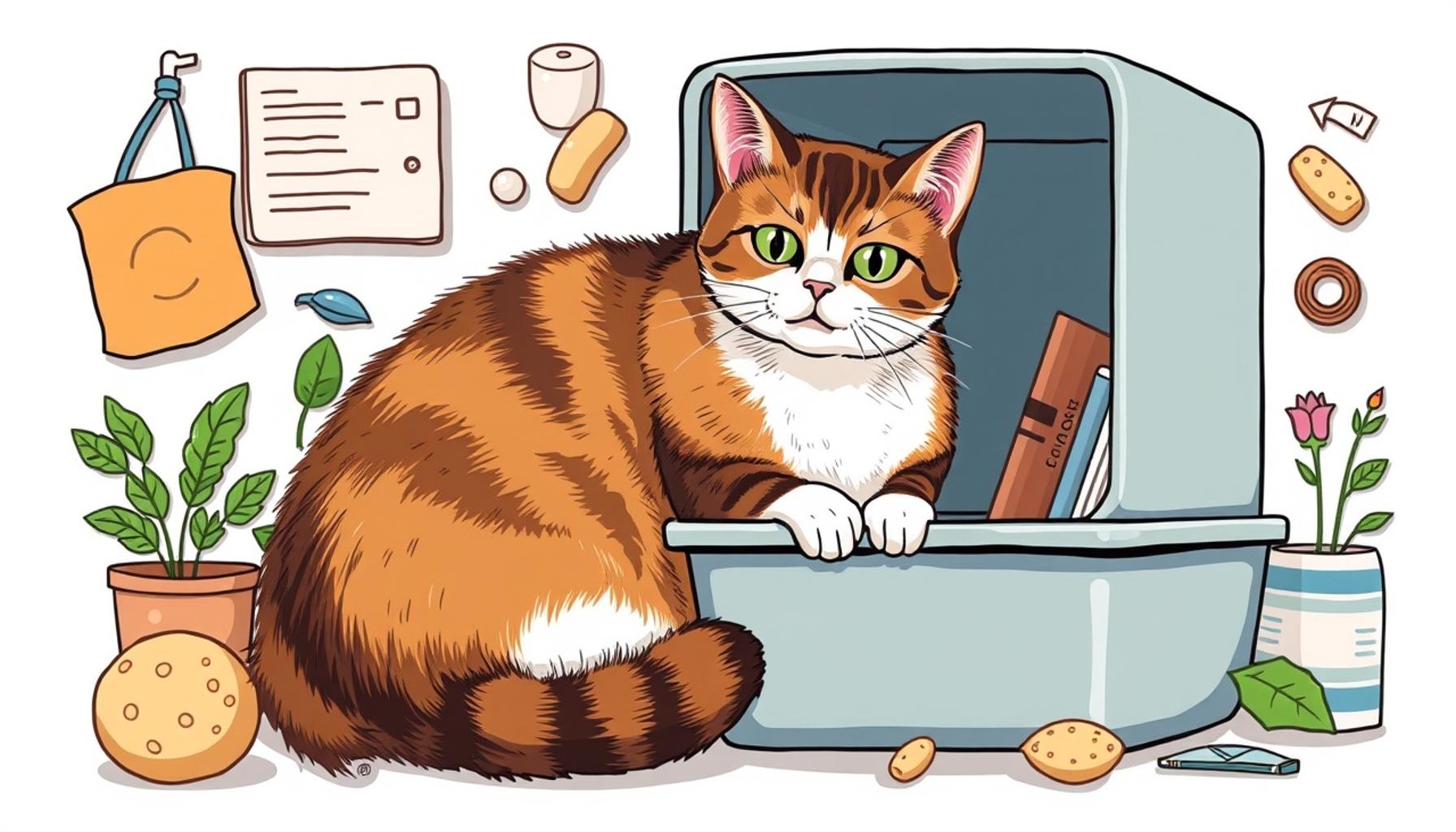
Litter box training is an essential and often challenging aspect of cat ownership. As a new cat owner, it’s vital to recognize that cats, by nature, are clean animals. They instinctively seek out specific areas to relieve themselves, which is where your role as their caregiver comes into play. The process can significantly impact your cat’s happiness and your home’s cleanliness.
To set the stage for successful litter box training, a few key components must be given careful consideration. Choosing the right litter box is paramount. The ideal box should be large enough for your cat to turn around comfortably, with low sides that provide easy access, especially for kittens or older cats. Experimenting with different shapes—covered boxes versus open pans—can also help you determine what your cat prefers; some cats appreciate the privacy of a covered box, while others may feel confined.
Equally important is the type of litter. Cats are often quite particular about their litter. Options include clumping, non-clumping, and biodegradable varieties made from natural materials such as corn or recycled paper. Clumping litter tends to be favored by many cats due to its ease of cleaning, but introducing your cat to any new type of litter should be done gradually. Mixing the new litter with the old can help ease the transition.
The Right Location Matters
Another critical factor to consider is the location of the litter box. Cats generally prefer to use their box in quiet, low-traffic areas that afford them some degree of privacy. Avoid placing the box near their food and water bowls, as this could deter them from using it. Ideal spots might be a quiet corner of a bathroom or laundry room. If you have multiple cats, providing multiple boxes is essential, as this helps minimize territorial disputes and encourages regular usage.
Establishing a consistent routine can also influence your cat’s habits; for instance, after meals or playtime are prime times to encourage usage. Rewards and positive reinforcement, such as treats or gentle praise, can further motivate your furry companion to use the box and reinforce good behavior.
With these considerations in place, you’re not just setting up a litter box; you’re creating a welcoming environment that encourages your cat to adopt a litter box habit confidently. For those willing to invest time and care into this training process, the rewards can be immense. A smoothly functioning litter box routine not only contributes to your cat’s overall well-being but also enhances the cleanliness and comfort of your living space.
In the following sections, we will delve into specific training techniques, common pitfalls to avoid, and practical tips that can facilitate a successful litter box experience for both you and your cat, fostering a harmonious and respectful relationship.
DISCOVER MORE: Click here to uncover the benefits and challenges of exotic pets
Essential Steps for Effective Litter Box Training
Once you have a suitable litter box and the right type of litter in place, the next step is implementing effective training strategies. While every cat has its own personality and preferences, understanding their natural behaviors can help you guide them toward a successful litter box routine. Here are some essential steps to ensure your cat learns to use the litter box with ease:
Create a Positive Association
Just as with any training, creating a positive association with the litter box is critical. You want your cat to regard the box as a safe and inviting space. Here are some strategies to foster this:
- Introduce the Box Gradually: Allow your cat to explore the litter box without pressure. Leave the door open so they can come and go freely, and observe their behavior as they investigate.
- Use Treats and Praise: Whenever your cat enters the litter box or displays an interest in it, reward them with treats or enthusiastic praise. Positive reinforcement helps to build trust and encourages them to use the box willingly.
- Keep It Clean: A clean litter box is a must. Scoop it daily and change the litter regularly. Cats have a strong sense of smell, and a dirty box may deter them from using it.
Observe Your Cat’s Behavior
Each cat has unique habits, so being observant can help you understand when they need to use the litter box. Watch for signs such as:
- Sniffing and searching for a place to relieve themselves
- Squatting or scratching at the ground
- Meowing or seeking attention before heading to the litter box
Identifying these cues can allow you to guide your cat towards the litter box during those crucial moments, reinforcing the habit.
Consistency is Key
Maintaining a consistent routine is equally vital in litter box training. Cats thrive on routine, and regularity will help cement the habit. To establish consistency, consider the following:
- Feed at Regular Times: Scheduled feeding times can encourage regular bathroom habits. Cats often need to relieve themselves shortly after eating.
- Supervise and Guide: Especially in the initial phase of training, monitor your cat’s activity. If you notice them showing signs they need to go, gently guide them to the litter box.
By creating a structured environment that promotes litter box usage, you’re actively helping your cat develop a reliable habit. With patience and observance, you can successfully train your cat to use the litter box, paving the way for a harmonious living situation.
In the upcoming sections, we will explore troubleshooting techniques for common issues, including litter box aversion and preferences, ensuring a smooth transition for your feline companion.
To effectively train your cat to use a litter box, understanding their natural behaviors and instincts is crucial. Cats are inherently clean animals, which means they prefer to eliminate waste in a specific spot that feels safe and comfortable. This instinct can be harnessed to establish a successful litter box routine.First, choose the right litter box. Opt for a box that is spacious enough for your cat to turn around comfortably and avoid high sides, especially for kittens. A generous layer of litter (around 2-3 inches) will provide a soft surface for scratching, which mimics their natural inclination to dig. Location is also vital in the training process. Place the litter box in a quiet, easily accessible area, away from everyday hustle and bustle, to encourage usage. If the box is too close to food and water, your cat might avoid it. Cats appreciate privacy, so a secluded spot is often ideal.Establish a consistent schedule for introducing your cat to the litter box. After meals or naps are prime times for training, as cats usually feel the urge to eliminate during these periods. Gently place your cat in the litter box and allow them to explore. If they use it, praise them immediately with gentle encouragement or treats; positive reinforcement is key to reinforcing the behavior.Observe your cat’s behavior closely. Signs of discomfort, such as scratching near the box or reluctance to enter, may indicate that changes are necessary. Some cats may prefer a particular type of litter, so experimenting with various options might be needed to find their preference. It’s essential to maintain cleanliness as well. Regularly scoop the litter box at least once a day and thoroughly change the litter once a week to keep it odor-free and appealing. Cats are less likely to use a filthy box, so create a routine that aligns with their cleanliness needs.If your cat has previously used the litter box but suddenly stops, it could be due to stress, medical issues, or changes in their environment. In such instances, consult your veterinarian to rule out health problems and discuss possible behavioral solutions.Integrating these practices and understanding your cat’s needs will not only simplify the training process but will also promote a positive relationship between you and your feline friend. As you refine this routine, you’ll find that litter box training can become a seamless part of your pet care regimen.
DISCOVER MORE: Click here to learn about strengthening your bond with your pet
Troubleshooting Common Litter Box Issues
Despite your best efforts, you might face challenges during the litter box training process. Understanding common problems and their solutions can help you address any bumps in the road. Here’s how to tackle some typical litter box issues:
Litter Box Aversion
One of the most significant hurdles in litter box training is when a cat refuses to use the box altogether. This aversion can stem from several factors:
- Litter Type: Cats may have strong preferences regarding the type of litter used. Some might find clumping or scented litters unappealing. Experimenting with different types, such as clay, silica, or natural alternatives, might be the solution.
- Box Location: The placement of the litter box can significantly affect its usage. Ensure the box is in a quiet and low-traffic area. Cats appreciate privacy, so placing the box away from potential disturbances, such as loud appliances or busy households, can encourage use.
- Size of the Box: A litter box that is too small may discourage a cat from using it. Ensure the box is adequately sized for your cat, allowing them to turn around and dig comfortably. For larger breeds, consider extra-large boxes.
Behavioral Concerns
If you notice that your cat is consistently missing the box or making messes outside of it, you may need to consider behavioral factors. Here are some suggestions:
- Stress Factors: Changes in the household, such as new pets, moving to a new home, or an alteration in routine, can induce stress in cats. Try to identify any potential stressors and address them accordingly. Providing a safe space where your cat can retreat during stressful times can alleviate anxiety.
- Health Issues: Frequent litter box accidents can sometimes indicate health issues, such as urinary tract infections (UTIs) or other medical problems. If your cat is showing signs of distress, such as frequent meowing or straining to urinate, it’s essential to consult a veterinarian.
Redirecting Your Cat’s Action
Sometimes, despite your best efforts, your cat may choose other areas in the house for their bathroom needs. To discourage this behavior, try the following:
- Limit Access: If possible, restrict access to the areas where your cat is eliminating. This could involve closing doors or using gates during the training process.
- Encourage Box Use: When you catch your cat using an undesirable area, gently but firmly direct them to the litter box. You could also use a phrase or sound consistently to signal that they should go to the box.
Be Patient and Persistent
Training your cat to use the litter box successfully can take time and persistence. Remember that each cat is different, and what works for one may not work for another. Consistently applying the above strategies while maintaining a positive attitude will ultimately yield results.
As you navigate through the training process, it’s essential to remind yourself to exercise patience. Every cat learns at their own pace, and understanding their unique needs will lead to a solid and reliable litter box habit. Keeping records of your cat’s interactions with the box can also provide insight into their progress and the effectiveness of your strategies.
DIVE DEEPER: Click here to learn more about how nutrition affects your
Conclusion
Successfully training your cat to use a litter box is not only a matter of convenience for pet owners but also contributes to your feline friend’s well-being. The journey may have its ups and downs, but patience, understanding, and consistency are your most significant allies. By observing your cat’s individual preferences and needs, you can create an inviting environment that encourages them to embrace their litter box.
An early intervention addressing common issues such as litter aversion or behavioral concerns can pave the way for a smoother training experience. As you troubleshoot and refine your approach, remember to consider factors like litter type, box location, and your cat’s stress levels. Keeping a close watch on their health is crucial; any changes in litter habits could point to underlying medical issues that need professional attention.
Moreover, the key to long-term success lies in fostering a positive association between your cat and the litter box. Regular maintenance, coupled with gentle encouragement, can reinforce good litter habits. If your cat exhibits unwanted behaviors, it’s essential to redirect them while preventing access to undesirable elimination spots. Encouraging box use through consistency will help them settle into this new routine.
In conclusion, with a bit of effort and a lot of love, your cat can become a model litter box user. Engaging in this training process not only strengthens the bond between you and your cat but also enhances your overall experience as pet owners. Dive deeper into the resources available on litter box training to further enrich your understanding and ensure a harmonious relationship with your furry companion.