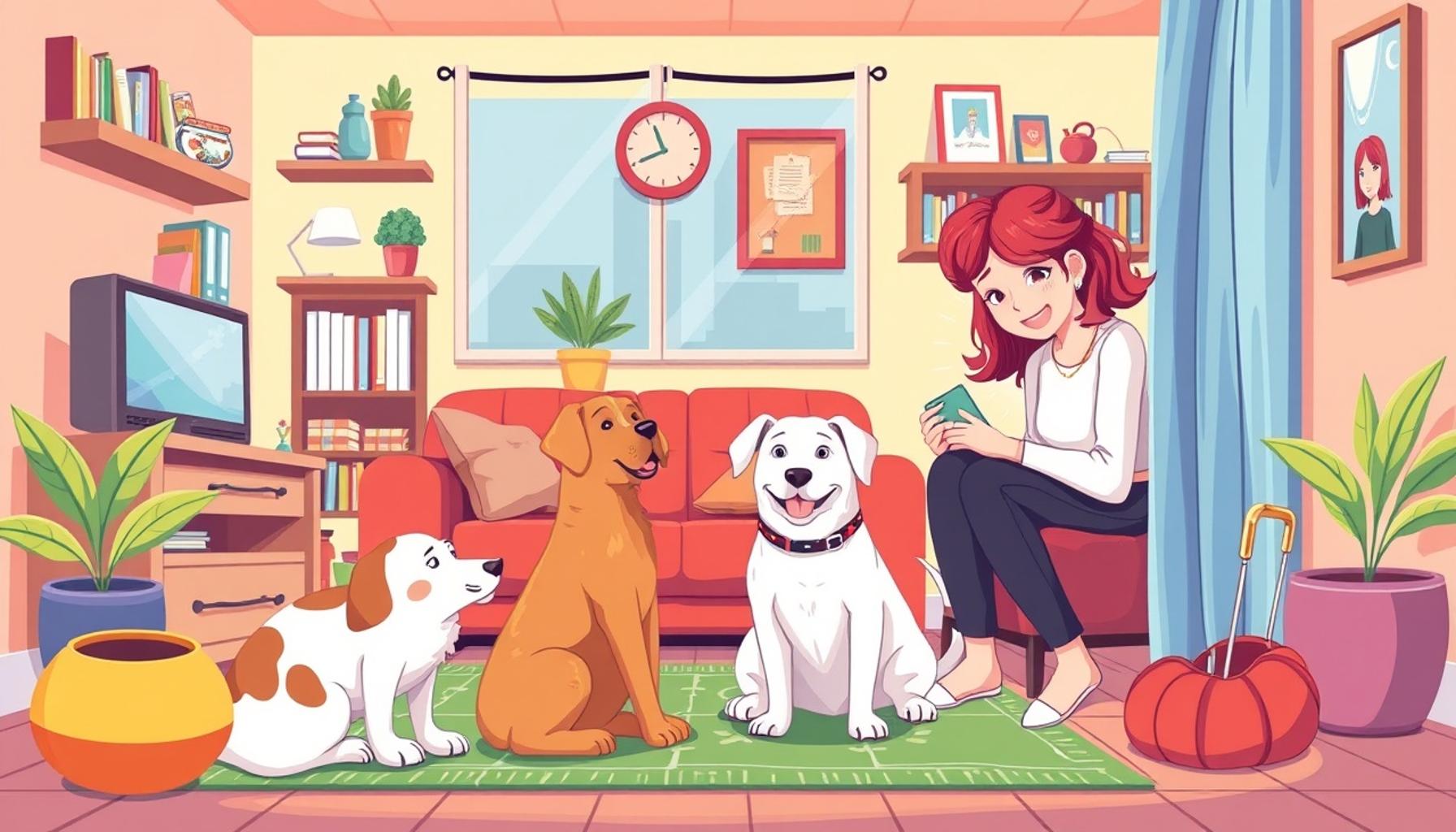
Responsible Adoption: Preparing Your Home to Welcome a New Furry Friend

Welcoming a new furry friend into your home is an exciting adventure, but it requires careful planning and consideration. Many pets sadly end up in shelters due to impulsive decisions or inadequate preparations. To make a positive impact, it’s vital to approach responsible pet adoption with a thoughtful mindset.
Assess Your Readiness
Before bringing an animal into your home, it is essential to evaluate your lifestyle and living environment comprehensively. Here are some critical factors to consider:
- Time Commitment: Pets require daily attention and interaction. Dogs, for instance, need regular walks and playtime, while cats thrive on companionship and mental stimulation. Consider your daily schedule and whether you can consistently devote the time that different pets need.
- Financial Responsibility: Be prepared for costs that extend beyond the initial adoption fee. Regular expenses such as quality food, grooming services, and veterinary care can add up significantly. Additionally, unforeseen medical emergencies can arise, necessitating a financial cushion specifically for your pet’s needs.
- Space Requirements: Ensure your home is suitable for the breed and size of the pet. Larger dogs, like Great Danes or Labs, may require more room to roam and play, while smaller pets, like hamsters, may only need a small enclosure. Your living situation, whether an apartment or a house with a yard, will greatly influence your choice of pet.
Preparing your home is not just about creating physical space; it’s about establishing a nurturing environment. Familiarizing yourself with a pet’s specific needs is crucial, as this commitment does not conclude at the adoption process but instead marks the beginning of a long-term relationship.
Creating a Pet-Friendly Space
Setting up your home for a furry friend includes several vital steps aimed at ensuring comfort and safety:
- Safe Zones: Designate areas in your home where your pet can roam freely and safely. This could include specific rooms or enclosed spaces where they can relax without hazards.
- Essential Supplies: Invest in high-quality food and water bowls, comfortable bedding, engaging toys, and necessary training materials. Items like chew toys for dogs or scratching posts for cats help ensure your pet remains engaged and satisfied.
- Hazard Prevention: A critical aspect of preparing your home involves removing hazardous items. This includes securing loose wiring, storing cleaning supplies out of reach, and making sure that small objects that could be swallowed are not left lying around.
By carefully considering these aspects, you can ensure a smooth transition for both you and your new companion. Responsible adoption is more than just giving a pet a home; it’s about creating a lifetime of happiness together. According to the American Society for the Prevention of Cruelty to Animals (ASPCA), over 6 million animals enter U.S. shelters each year. Your commitment to responsible adoption can directly contribute to reducing this number, fostering a culture of compassion and care for animals in need.
DON’T MISS: Click here to ensure your pet’s comfort and safety
Assessing Your Readiness for Responsible Adoption
Before bringing an animal into your home, it is essential to evaluate your lifestyle and living environment comprehensively. Here are some critical factors to consider for responsible adoption:
- Time Commitment: Pets require daily attention and interaction. Dogs, for instance, need regular walks and playtime, while cats thrive on companionship and mental stimulation. Consider your daily schedule and whether you can consistently devote the time that different pets need. Research has shown that animals left alone for too long can develop behavioral issues, leading to stress for both the pet and the owner.
- Financial Responsibility: Be prepared for costs that extend beyond the initial adoption fee. Regular expenses such as quality food, grooming services, and veterinary care can add up significantly. Furthermore, unforeseen medical emergencies can arise, necessitating a financial cushion specifically for your pet’s needs. It’s wise to budget for an annual vet visit, vaccinations, and potential emergency treatment, which can easily run into the hundreds or thousands of dollars.
- Space Requirements: Ensure your home is suitable for the breed and size of the pet. Larger dogs, like Great Danes or Labs, may require more room to roam and play, while smaller pets, like hamsters, may only need a small enclosure. Your living situation, whether an apartment or a house with a yard, will greatly influence your choice of pet. Additionally, consider any community regulations or pet restrictions that may apply in your area.
Preparing your home is not just about creating physical space; it’s about establishing a nurturing environment. Familiarizing yourself with a pet’s specific needs is crucial, as this commitment does not conclude at the adoption process but instead marks the beginning of a long-term relationship.
Creating a Pet-Friendly Space
Setting up your home for a furry friend includes several vital steps aimed at ensuring comfort and safety:
- Safe Zones: Designate areas in your home where your pet can roam freely and safely. This could include specific rooms or enclosed spaces where they can relax without hazards.
- Essential Supplies: Invest in high-quality food and water bowls, comfortable bedding, engaging toys, and necessary training materials. Items like chew toys for dogs or scratching posts for cats help ensure your pet remains engaged and satisfied.
- Hazard Prevention: A critical aspect of preparing your home involves removing hazardous items. This includes securing loose wiring, storing cleaning supplies out of reach, and making sure that small objects that could be swallowed are not left lying around. Additionally, consider the safety of your outdoor spaces; installing secure fences can prevent escapes and keep your pet safe from potential dangers.
By carefully considering these aspects, you can ensure a smooth transition for both you and your new companion. Responsible adoption is more than just giving a pet a home; it’s about creating a lifetime of happiness together. According to the American Society for the Prevention of Cruelty to Animals (ASPCA), over 6 million animals enter U.S. shelters each year. Your commitment to responsible adoption can directly contribute to reducing this number, fostering a culture of compassion and care for animals in need.
| Category | Details |
|---|---|
| Home Preparation | Ensure your home is pet-proofed by securing fragile items and removing toxic plants. |
| Creating a Safe Space | Designate a calm area with a comfortable bed and toys for your new pet. |
| Supplies Checklist | Gather essential items such as food, water bowls, leashes, and grooming tools. |
| Routine Establishment | Set a consistent schedule for feeding, walking, and playtime to help your pet adapt. |
Preparing your home for a new furry friend is crucial in ensuring a smooth transition for both you and your pet. Home preparation includes securing fragile items and removing toxic plants, as these can pose serious risks. It is also essential to create a safe space within your home where your pet can feel secure. This should include a comfortable bed and a few toys to provide comfort and stimulation.Having a supplies checklist ready helps avoid last-minute scrambles. Essential items such as food and water bowls, leashes, and grooming tools should be at your fingertips. Finally, establishing a routine early on is beneficial for acclimatizing your new friend to their environment, leading to a more harmonious household. This planning equips both pet and owner for a fulfilling relationship together.
DISCOVER MORE: Click here to uncover the emotional benefits of pet adoption
Establishing Routines and Training
Once you’ve created a suitable environment for your new furry friend, the next critical aspect of responsible adoption is establishing routines and training. Animals thrive on consistency and structure, which can significantly improve their behavior and well-being. Here are key points to consider when setting up routines:
- Feeding Schedule: Implementing a consistent feeding schedule is vital. Most pets benefit from being fed at the same times each day. This routine helps them anticipate mealtime and can aid in digestion, weight management, and potty training. For dogs, this might mean two to three meals a day, depending on their age and breed, while cats typically do well with one or two feedings.
- Exercise Routines: Regular exercise not only keeps your pet healthy but also plays a critical role in their mental stimulation. For dogs, daily walks or play sessions are essential, while indoor cats can benefit from playtime with interactive toys or climbing structures. Engaging in physical activities together creates a bond and helps combat behavioral issues often caused by boredom or excess energy.
- Training Sessions: Early and consistent training lays the groundwork for a well-behaved pet. Consider enrolling in a training class or utilizing online resources to learn effective training methods. Basic obedience commands such as “sit,” “stay,” and “come” are crucial and can even save your pet’s life in emergency situations. Positive reinforcement methods, like treats and praise, motivate and encourage good behavior.
Socialization and Enrichment
A critical aspect of raising a well-rounded pet involves socialization and mental enrichment. Introducing your pet to new experiences, people, and environments can influence their behavior and adaptability. Here’s how to make this a part of your routine:
- Socialization Opportunities: For puppies and kittens, socialization should start early—ideally before 16 weeks of age. Arrange playdates with other friendly pets or take your dog to local parks. Adult pets can also benefit from exposure to new environments. Frequent visits to different locations can help them become well-adjusted companions who are comfortable in various situations.
- Interactive Toys: Providing engaging toys not only entertains pets but also stimulates their minds. Puzzle toys that dispense treats, for example, encourage problem-solving skills and can keep pets occupied for extended periods. Cats often love toys that mimic prey, while dogs enjoy fetch games or tug-of-war as enriching activities.
- Routine Vet Visits: Establish a relationship with a trusted veterinarian early on. Regular check-ups enable a preventative approach to health and can catch potential issues before they become significant problems. Vaccinations, parasite control, and dental care are all crucial components of maintaining a healthy pet.
As you’ll come to learn, preparing for responsible pet ownership is not merely about creating a safe home; it’s a journey that requires ongoing commitment and nurturing. The investment you make in establishing routines, proper training, and socializing your pet ensures a fulfilling life—for both of you—strengthening the bond that can develop between human and animal.
DISCOVER MORE: Click here to find out how to choose the perfect pet!
Conclusion
Embracing responsible adoption is a profound commitment that stretches far beyond simply providing a home for a new furry friend. It encompasses a holistic approach that ensures the well-being of your pet while enriching your life. After preparing your space, recognizing the importance of consistent routines for feeding, exercise, and training lays the foundation for a happy and healthy environment. Such practices are not only vital for your pet’s behavior but also strengthen the bond you share.
Equally vital is the aspect of socialization and mental stimulation. Engaging your pet through play and exposing them to various experiences equip them to adapt well in diverse situations. This journey includes frequent visits to a veterinarian, thus ensuring that your furry friend’s health remains a priority throughout their life.
The rewards of responsible adoption become evident as you witness your newly welcomed pet flourish into a loving companion. With patience, understanding, and dedication, both you and your pet will thrive in a harmonious relationship. As pet ownership continues to rise in the United States, it is imperative for prospective adopters to approach this decision with thoughtfulness and preparation. By investing your time and resources in their care, you open up a world of companionship, joy, and shared experiences that will undoubtedly enrich both your lives.
Consider reaching out to local shelters or animal rescue organizations for additional resources and guidance on how to best support your new family member. Each adoption story can turn into an incredible journey, filled with love and loyalty, where every step thoughtfully taken benefits not only your pet but your entire household.