
The Effects of Screen Time on Sleep Quality and Strategies to Mitigate Its Impact
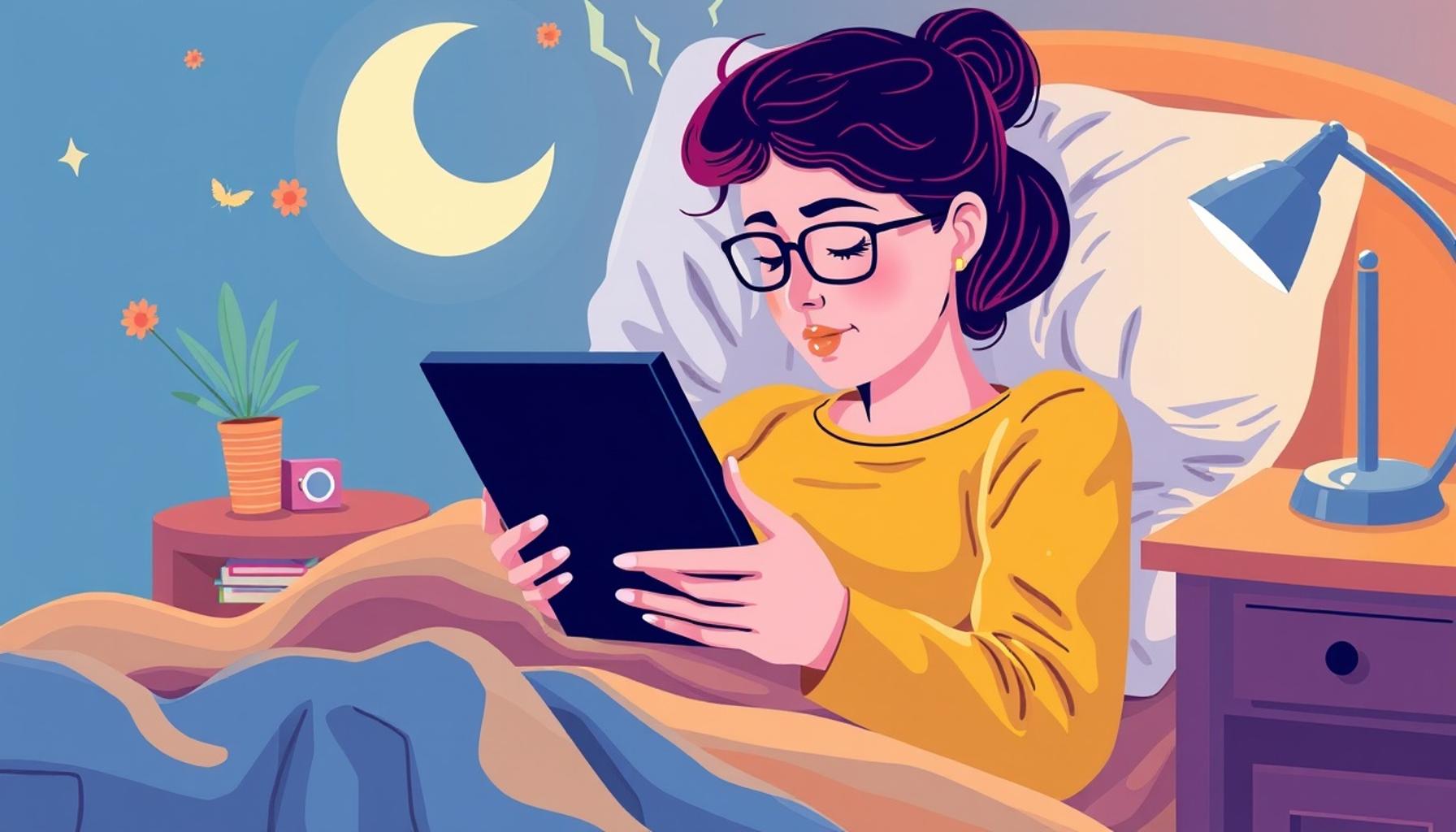
The Effects of Digital Device Use on Sleep Quality
In an age where digital devices dominate both personal and professional environments, the increasingly widespread use of screens has raised significant concerns regarding health, particularly when it comes to sleep. As individuals spend an average of over seven hours a day in front of screens, it is essential to recognize how this behavior impacts our overall well-being, especially the quality of our sleep.
One of the most critical issues revolves around the disruption of circadian rhythms. The human body operates on a natural cycle regulated by light and darkness. Exposure to blue light—the type emitted by smartphones, tablets, and computers—interferes with the production of melatonin, the hormone responsible for regulating sleep. This interference can lead to difficulty falling asleep and staying asleep, contributing to a restless night.
Moreover, the increased alertness triggered by active engagement with electronic devices can perpetuate the problem. Action-packed video games, thrilling movies, or scrolling through social media can keep the brain in a heightened state of arousal, making it challenging to unwind. For instance, studies suggest that individuals who surf social media late at night often report feelings of anxiety, further complicating their ability to relax before bed.
Additionally, the connection between screen time and sleep disorders cannot be overlooked. Research indicates that excessive exposure to screens, particularly in the evening, correlates with insomnia and poorer sleep quality. According to the American Sleep Association, nearly 50% of adults in the U.S. experience sleep disturbances, with a significant portion attributing their struggles to excessive screen time.
Recognizing these challenges is the first step toward fostering healthier sleep habits. As we delve deeper into the relationship between screen use and sleep, several proactive strategies emerge that can aid in improving sleep quality.
- Establishing a screen-free zone: Designate specific areas within your home, such as the bedroom, as technology-free zones. This practice can cultivate a relaxing environment conducive to sleep.
- Utilizing night modes: Take advantage of the night mode features on smartphones and tablets, which adjust the screen’s color temperature to reduce blue light exposure during evening hours.
- Implementing a digital curfew: Establish a time in the evening, perhaps an hour or more before bedtime, to disconnect from devices. This habit encourages relaxation and helps signal to your body that it’s time to wind down.
Ultimately, understanding the intricate relationship between screen time and sleep quality is vital in today’s tech-driven society. By adopting these strategies, individuals can take crucial steps toward improving their sleep and, consequently, their overall health and well-being. As our reliance on technology continues to grow, the imperative to proactively manage our screen time in relation to sleep remains stronger than ever.
Understanding the Mechanisms Behind Screen Time and Sleep Disruption
The relationship between screen time and sleep quality is a complex interplay of biological and psychological factors. As our dependence on digital devices continues to grow, unraveling this connection becomes increasingly important. To fully grasp how screen use affects sleep, we need to delve into the specific mechanisms at play.
One of the fundamental aspects to consider is the role of blue light exposure. When screens illuminate our environments, the blue light emitted can mislead our internal clocks. These clocks are finely tuned to respond to the natural light-dark cycle, so stimulating the eyes with artificial light at night can confuse our circadian rhythms. The result? Our bodies might struggle to recognize when it is time to sleep, leading to delays in sleep onset and reduced overall sleep duration.
According to the National Sleep Foundation, over 90% of Americans report using electronic devices in the hour before bed. This habit can contribute to lower sleep quality, not only because of the light but also due to the engaging content often found on screens. The psychological effects of screen time can lead to increased mental stimulation, making it difficult for individuals to unwind. Engaging in activities such as reading the news, playing games, or drafting emails can maintain an alert state long after the device is turned off.
Additionally, the distraction factor plays a significant role in sleep disruption. Notifications, messages, and the constant availability of online content can create a sense of urgency that pulls individuals back into their devices. This phenomenon, commonly referred to as “FOMO” (fear of missing out), keeps users constantly checking their screens, inadvertently shortening their sleep time and deteriorating sleep quality.
Moreover, the impact of screen time does not affect everyone equally. A study published in the Journal of Clinical Sleep Medicine found that younger adults are particularly vulnerable to the adverse effects of screen exposure, as they often spend more time on devices compared to older generations. This heightened sensitivity emphasizes the importance of addressing screen time habits, particularly among adolescents who are at a critical developmental stage.
- Establish a bedtime routine: Creating a consistent pre-sleep routine can signal to the body that it is time to wind down, promoting better sleep quality.
- Use blue light filters: Many devices now come equipped with blue light filtering options that can dramatically reduce exposure during evening hours, aiding in sleep readiness.
- Engage in relaxing activities: Consider replacing screen time with calming practices such as reading a book, meditating, or listening to soothing music to prepare the mind for sleep.
In recognizing these underlying mechanisms, it becomes clear that modifying screen time use can significantly enhance sleep quality. As we examine effective strategies to mitigate the impact of digital devices on our slumber, we empower ourselves to reclaim critical hours of rest essential for our well-being.
The Detrimental Effects of Screen Time on Sleep Quality
Excessive screen time has become a ubiquitous aspect of modern life, particularly with the rise of smartphones, computers, and tablets. A growing body of research highlights how this technological engagement can adversely affect sleep quality. The blue light emitted by screens is particularly troublesome; it can disrupt the circadian rhythm, the internal clock that regulates sleep-wake cycles. Studies have found that exposure to blue light before bed can delay the onset of sleep and alter hormone production, particularly the release of melatonin, a hormone critical for sleep induction.Moreover, the content consumed during screen time can also play a significant role. Engaging material—such as action-packed video games, thrilling movies, or social media interactions—can elevate arousal and cognitive engagement, making relaxation and sleep initiation more challenging. According to research, individuals who use devices in the hour leading up to sleep have reported a substantial decrease in sleep satisfaction and are more likely to experience insomnia symptoms.
Strategies to Mitigate the Impact of Screen Time
Despite the clear impacts of screen time on sleep, there are effective strategies that individuals can implement to mitigate these effects. One such approach is establishing a screen time curfew, ideally turning off devices at least one hour before bedtime. This allows the mind to unwind and the body to prepare for a restorative sleep cycle. Additionally, utilizing blue light filters on devices can help reduce exposure during evening hours, limiting the disruption of melatonin production.Another effective strategy involves creating a sleep-friendly environment that encourages relaxation. This could mean adopting a calming bedtime routine that involves activities such as reading a book (preferably one that does not involve a screen), gentle yoga, or mindfulness exercises. By fostering a more peaceful atmosphere, individuals can counteract the stimulating effects of screen time and pave the way for a more restful slumber.In conclusion, understanding the relationship between screen time and sleep quality is critical. By proactively managing device usage and employing practical strategies, individuals can enhance their sleep quality, leading to improved overall health and productivity. These considerations are essential as society continues to adapt to the rapid pace of technological advancement.
Strategies to Mitigate Screen Time’s Impact on Sleep Quality
In the face of the undeniable connection between increased screen time and compromised sleep quality, it becomes essential for individuals to adopt effective strategies aimed at minimizing this impact. These strategies do not require drastic lifestyle changes; rather, they involve small yet significant adjustments to daily routines that can promote better sleep hygiene.
Firstly, one of the most effective approaches is to establish screen time boundaries. Experts recommend setting a curfew for electronic devices, ideally limiting usage at least one hour before bedtime. This ensures that the body begins to transition into a more relaxed state, allowing the natural production of melatonin, the hormone responsible for regulating sleep. By creating a technology-free zone in the bedroom, individuals can eliminate the temptation to scroll through social media or catch up on emails, thus facilitating a smoother journey to slumber.
Another innovative solution is the incorporation of mindfulness techniques into the pre-sleep routine. Practices such as deep breathing, yoga, or journaling can effectively calm the mind and body, counteracting the high levels of stimulation derived from screens. The science behind these techniques aligns with findings from studies that suggest mindfulness can improve sleep quality by reducing anxiety and cultivating a sense of tranquility prior to bedtime. This mental preparation, combined with a reduced amount of screen exposure, creates an optimal environment for sleep.
Moreover, embracing technology alternatives is an essential consideration. For individuals accustomed to reading on screens, transitioning to physical books or magazines can yield a beneficial effect on sleep quality. Not only does this shift reduce blue light exposure, but it also allows for a more immersive experience that can promote relaxation. Furthermore, utilizing traditional alarm clocks instead of smartphones to wake up in the morning helps maintain the distance between sleeping areas and devices, preserving a peaceful sleep environment.
In addition to these individual strategies, the implementation of collective initiatives surrounding screen time awareness can be instrumental. Schools and workplaces are increasingly understanding the profound impact that excessive screen time has on attention spans and overall productivity, and many are now implementing wellness programs that include educational components on healthy screen habits. This not only fosters collective responsibility in managing screen time but also helps to cultivate a culture of mindfulness about technology use among younger generations.
In light of the mounting evidence linking screen time to diminished sleep quality, incorporating these practices into daily life is essential. As we become more aware of the effects of our digital habits, we open the door to better sleep quality and improved overall health. By making conscious adjustments to how and when we engage with technology, we can reclaim lost hours of rest and enhance our well-being amid an increasingly digital world.
Conclusion
As we navigate the complexities of modern life, screen time has become an inescapable aspect of our daily routines. However, the undeniable consequences it has on sleep quality necessitate a re-evaluation of how we consume digital content. From social media scrolling at night to binge-watching late into the evening, excessive screen exposure is now a well-documented contributor to sleep disturbances, affecting everything from cognitive function to emotional well-being.
To combat these detrimental effects, adopting various strategies is crucial. Simple yet effective measures, such as establishing screen time boundaries, incorporating mindfulness techniques into evening rituals, and favoring technology alternatives, serve as vital tools in restoring our sleep quality. Furthermore, a community-focused approach, where schools and workplaces promote awareness of healthy screen habits, fosters collective responsibility and mindfulness, especially for younger generations.
Overall, enhancing sleep hygiene in our increasingly digital world demands intentional actions and lifestyle adjustments. As individuals become more conscious of their screen habits, a path emerges toward reclaiming restful nights and revitalized days. The necessity to balance our interactions with technology is not just a matter of personal health but a broader societal challenge that invites ongoing dialogue and proactive solutions. By prioritizing our well-being and embracing thoughtful practices, we can mitigate the impact of screen time on sleep and enjoy the multitude of benefits that quality rest offers.