Understanding the Role of Gut Health in Shaping Nutrition Choices
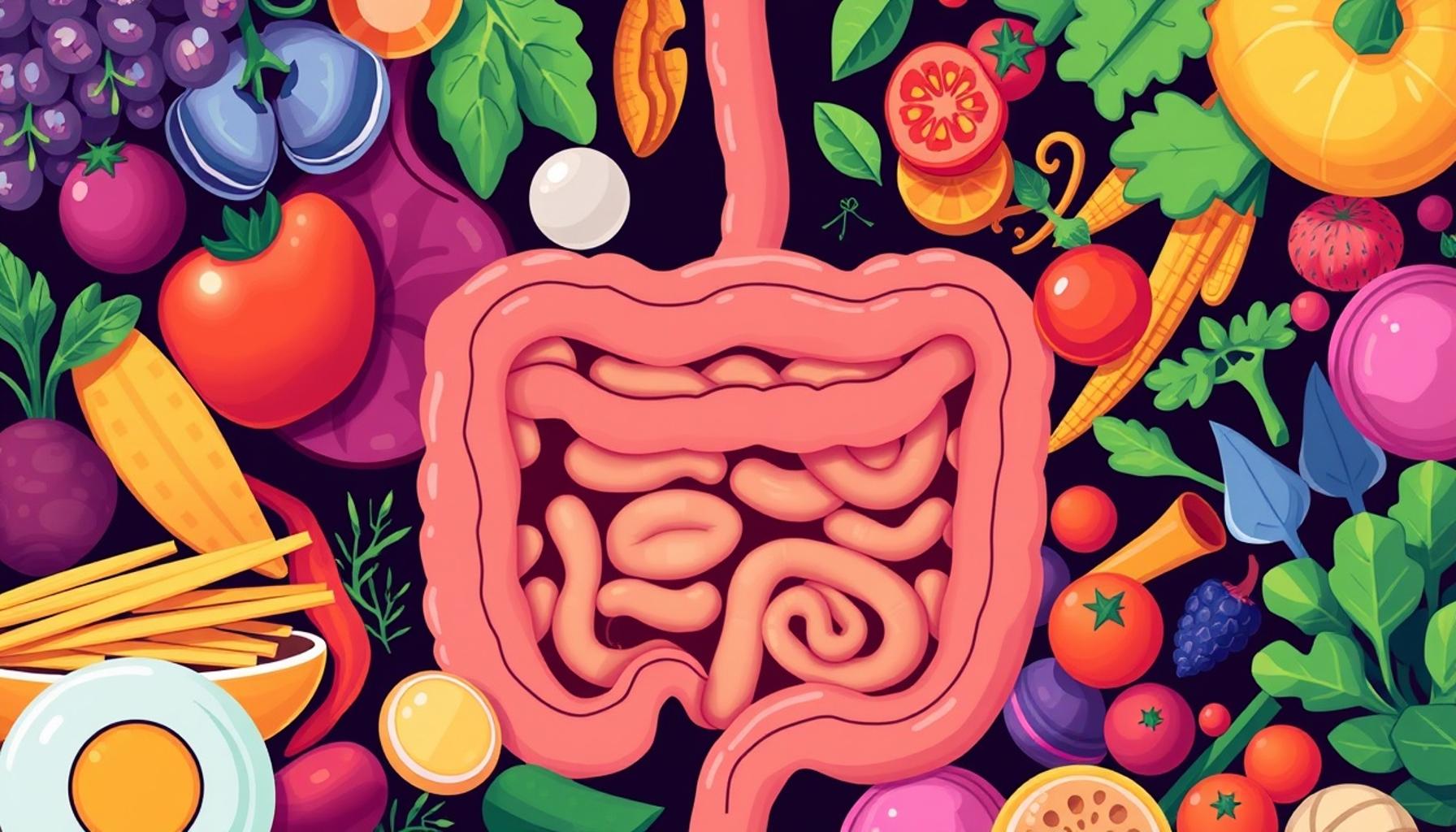
Understanding the Gut Microbiome
The human gut is an intricately designed environment, bustling with activity as over 100 trillion microbes live in a symbiotic relationship with their host. These microorganisms, which include bacteria, viruses, and fungi, create a complex ecosystem that not only helps with digestion but also significantly influences our overall health, making the notion of the gut as our “second brain” an apt metaphor. The gut microbiome is a powerful factor that shapes our nutrition choices, illuminating our cravings or aversions to certain foods.
Microbiome Composition
The composition of your microbiome can be as unique as your fingerprint. A diverse microbiome teems with various microbial species and contributes to balanced digestion by breaking down complex carbohydrates, aiding nutrient absorption, and minimizing food sensitivities. For instance, studies have shown that individuals with a more diverse microbiome are less likely to suffer from dietary intolerances, such as lactose intolerance or gluten sensitivity. This diversity can be nurtured by incorporating a variety of foods in your diet, particularly fruits, vegetables, whole grains, and fermented foods like yogurt and sauerkraut.
The Gut-Brain Connection
One of the most fascinating aspects of the gut is its direct communication with the brain, often referred to as the gut-brain axis. The gut sends signals through the vagus nerve, influencing satiety and hunger cues. For example, when the gut has a healthy population of beneficial bacteria, it can produce neurotransmitters like serotonin, which plays a vital role in regulating mood and appetite. This intricate connection explains why people may reach for comfort foods, particularly those high in sugar, when they feel stressed—often a misguided attempt to enhance mood due to imbalances in gut health.
Inflammation Levels
A thriving gut microbiome can significantly reduce systemic inflammation, which is crucial for maintaining a healthy metabolism and preventing chronic diseases. Inflammation is often linked to poor food choices, as the body can crave high-energy foods when it is in a state of distress. Conversely, a balanced gut microbiome can lead to better control over inflammation, facilitating healthier food choices and cravings.
Navigating Your Nutrition Choices
Arming yourself with knowledge about these elements can lead to more personalized and informed dietary decisions. When you understand how your gut health impacts your cravings and food preferences, you can more effectively adopt a diet that supports your wellbeing. For example, if you notice that sugary foods trigger intense cravings, it might be beneficial to explore alternatives that promote a healthy gut, such as high-fiber foods or probiotics.
In this exploration, readers will uncover:
- How gut health impacts cravings and food preferences.
- The relationship between diet and the microbiome.
- Practical tips for improving gut health through nutrition.
Diving deeper into the realm of gut health reveals a wealth of opportunities to optimize your nutrition and enhance your overall health. Each bite you take can either nourish or hinder your microbiome, making it essential to harmonize your eating habits with your gut’s needs for a more vibrant, healthier lifestyle.
Unpacking the Microbiome and Its Influences
The journey to better nutrition begins with understanding the role of a well-functioning gut microbiome. This remarkable collection of microorganisms not only processes the food we consume but also plays a pivotal role in determining our craving patterns and food preferences. The interplay between the microbiome and our diet is crucial; a balanced gut flora fosters a healthier relationship with food, while an imbalanced one can lead to a host of dietary issues.
The Power of a Diverse Microbiome
It is essential to recognize that the composition of one’s microbiome is deeply personal—shaped by factors such as genetics, environment, and, most importantly, our diet. A diverse microbiome, rich with various microbial species, contributes to better digestion and nutrient absorption. According to recent research, people with higher microbial diversity are less likely to experience gastrointestinal issues, such as bloating or indigestion, and are more proficient at assimilating important nutrients from their diet.
Moreover, a diverse microbiome can reduce the prevalence of food sensitivities. For instance, individuals who incorporate a variety of foods—including fruits, vegetables, whole grains, and fermented products—into their daily intake often report fewer issues related to lactose or gluten intolerance. This highlights the importance of embracing a broad spectrum of dietary options to promote gut health.
Signals Between Gut and Brain
The gut does more than just digest food; it actively communicates with the brain through a network known as the gut-brain axis. This connection influences not only our physical hunger but also our emotional relationship with food. Healthy gut bacteria are known to produce neurotransmitters, such as serotonin, which regulates mood and appetite. This interaction explains why individuals may gravitate toward high-sugar or high-carb “comfort” foods when feeling down—an attempt to self-medicate in response to an imbalance in their microbiome.
The Impact of Inflammation on Food Choices
Another critical element to consider is the role of inflammation in shaping our nutrition choices. A healthy gut microbiome can significantly mitigate systemic inflammation, essential for maintaining a stable metabolism. When inflammation rises, the body often craves high-calorie foods as a desperate means to gain energy. In contrast, a balanced gut environment tends to normalize these cravings, encouraging healthier food choices in line with our nutritional needs.
By learning how gut health and inflammation interact, individuals can make informed decisions when navigating their diets. Recognizing the signals your body sends can empower you to shift towards options that support gut diversity and overall wellness.
In conclusion, understanding the relationship between gut health and nutrition choices opens the door to a personalized approach to food. As we delve deeper into the influence of gut health on cravings and dietary preferences, we can discover new ways to enhance our diets for improved well-being.
| Advantage | Description |
|---|---|
| Improved Digestion | A healthy gut microbiome enhances nutrient absorption and reduces digestive discomfort, leading to better overall well-being. |
| Influence on Cravings | Gut health can impact what foods one craves, steering individuals toward healthier choices rich in prebiotics and probiotics. |
| Support for Mental Health | Research shows a connection between gut health and mood regulation, which may aid in combating emotional eating. |
| Detoxification | A well-functioning gut helps the body detoxify efficiently, impacting food choices positively by promoting clean foods over processed options. |
The relationship between gut health and nutrition choices goes beyond mere digestion. It extends into the realm of mental wellness, where the gut-brain axis plays a crucial role. The gut microbiome has been shown to influence mood and behavior, which can subsequently impact food preferences and eating habits. Furthermore, certain food types can significantly enhance gut health, leading to a virtuous cycle of improved nutrition choices and better overall health.Emerging studies suggest that balance in the gut microbiome may mitigate emotional eating triggered by stress or anxiety. This insight highlights the importance of recognizing the multifaceted impacts that gut health has on our relationship with food. By prioritizing nutrient-rich, gut-friendly foods, individuals are not only investing in their digestive health but also in their mental clarity and emotional stability.Understanding how gut health shapes our nutrition choices encourages individuals to make informed dietary decisions, potentially resulting in long-lasting health benefits.
Navigating the Dietary Landscape: Probiotics, Prebiotics, and Nutritional Choices
As we continue to peel back the layers of the gut-health-nutrition relationship, we encounter two crucial terms that have gained traction in recent years: probiotics and prebiotics. Probiotics are live microorganisms, often referred to as “good bacteria,” that provide numerous health benefits when consumed. These beneficial microbes can be found in various fermented foods, such as yogurt, kefir, sauerkraut, and kombucha. Incorporating probiotics into our diet can enhance gut flora diversity, leading to improved digestive health and a stronger immune system.
On the other hand, prebiotics are non-digestible fibers that serve as food for beneficial gut bacteria. Common sources of prebiotics include bananas, onions, garlic, asparagus, and whole grains. Consuming a diet rich in prebiotics can fuel the growth of helpful bacteria in the gut, subsequently fostering a balanced microbiome. This interplay between probiotics and prebiotics underscores the importance of not just what we eat, but how we can strategically combine different foods to optimize gut health.
Personalized Nutrition Through Gut Health Insights
The future of nutrition may very well lie in the personalized approach afforded by understanding our unique gut microbiome. Emerging science suggests that by analyzing an individual’s microbiome, nutritionists can tailor dietary recommendations that not only enhance gut health but also align with personal health goals. This could include specific food suggestions that support deeper nutrient absorption or reduction of inflammation, thereby aligning the benefits of gut health with individual needs.
This concept was explored in a study published in the journal Nature, which identified specific microbial profiles linked to different dietary patterns. For example, individuals with a higher abundance of Prevotella species tended to thrive on a plant-based diet, while those with increased Bacteroides were more suited to a meat-centric diet. These findings illustrate how gut bacteria can influence not only preferences but also potential dietary successes.
The Gut and Metabolism Connection
In addition to shaping our food choices, gut health plays a critical role in metabolism and weight management. Studies indicate that certain gut bacteria can affect energy extraction from food and influence fat storage. A specialized microbiome may aid in improved insulin sensitivity, helping to regulate blood sugar levels and prevent metabolic disorders such as diabetes. Therefore, individuals striving for weight loss and better metabolic health should pay close attention to their gut health as an integral component of their overall strategy.
Food Sensitivities and Reactions
A well-tended microbiome can act as a gatekeeper, inhibiting the development of food sensitivities. Conversely, an imbalance in gut bacteria may trigger undesirable reactions to specific foods. For instance, a study found that individuals with dysbiosis—an imbalance of gut flora—were more likely to experience adverse reactions to common food proteins. This revelation highlights the importance of fostering a balanced microbiome through diet to mitigate food intolerances and enhance the overall quality of life.
As we unravel the connection between gut health and nutrition choices, we find that optimizing our diet is not merely about calorie counting or macro balancing but also about nurturing the complex ecosystem residing in our digestive tract. As such, making informed decisions, choosing diverse diets, and incorporating probiotic and prebiotic-rich foods may be vital steps in paving the way to robust health.
Conclusion: Embracing Gut Health for Informed Nutrition Choices
In today’s increasingly health-conscious society, the intricate link between gut health and our nutrition choices is a revelation that cannot be overlooked. As we venture deeper into understanding our body’s microbiome, it becomes evident that probiotics and prebiotics play monumental roles in not only enhancing digestive health but also in guiding our dietary preferences and overall wellness. From promoting a diverse gut flora to optimizing metabolism, the implications of nurturing our gut are profound.
Moreover, the advent of personalized nutrition points to a transformative future where dietary recommendations are tailored to the unique microbial profiles within each individual. This emerging paradigm shifts the focus from generalized dietary guidelines to specific, science-backed strategies that meet individual health goals, reinforcing the notion that one size does not fit all in nutrition.
Additionally, a healthy gut can act as a barrier against food sensitivities and metabolic disorders, opening up avenues for improved quality of life. As it becomes clearer that what we consume significantly affects our gut health—and vice versa—the importance of incorporating a well-rounded diet rich in fibers and beneficial bacteria is more critical than ever.
Ultimately, understanding the role of gut health in shaping our nutrition choices empowers individuals to make informed decisions that foster both physical health and long-term well-being. By embracing this knowledge, we stand to not only enhance our digestive health but to cultivate a more mindful relationship with the food we enjoy.