The Power of Creative Outlets: Art and Music as Stress Management Tools
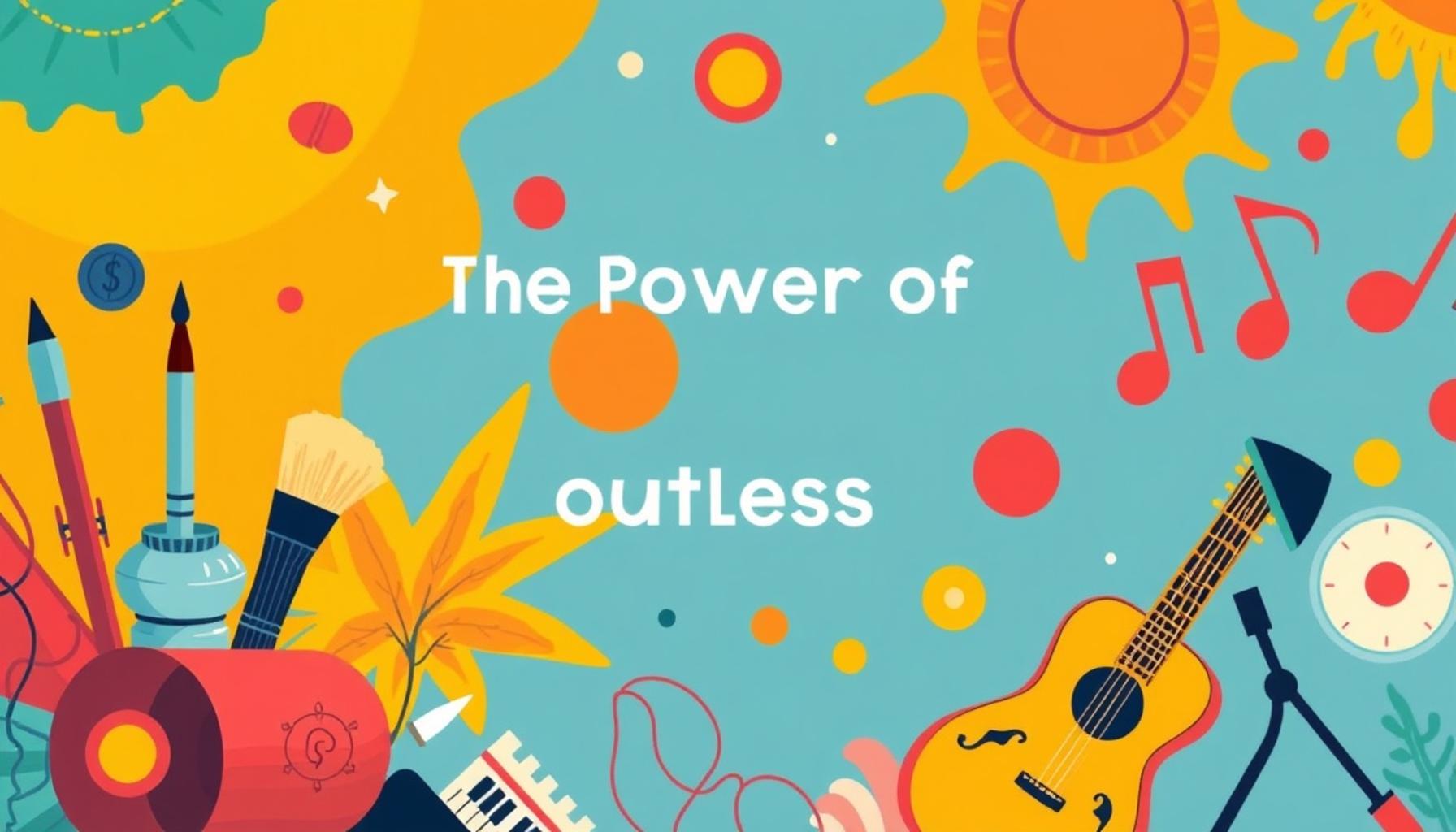
The Power of Creative Expression
In today’s fast-paced world, stress can often feel overwhelming. With increasing demands in both personal and professional spheres, finding effective ways to cope has become essential for maintaining mental well-being.
Creative outlets, such as art and music, serve as powerful tools for managing stress by providing not just an escape but also a meaningful means of expression. These activities are not merely hobbies; they represent a form of therapy that taps into the emotional and psychological landscape of individuals.
Art as a Therapeutic Tool
- Art therapy encourages self-exploration, allowing individuals to visualize their emotions in a tangible form. This technique is particularly beneficial for those who struggle to articulate their feelings verbally. The process of creating art can lead to profound revelations, helping individuals confront and process their anxieties or traumas. For example, a study conducted by the American Art Therapy Association found significant improvements in mood, self-esteem, and overall mental health among participants who engaged in structured art therapy sessions.
The Healing Power of Music
- Music is another potent ally in the fight against stress. Research has documented its ability to elevate mood and stimulate brain activity, with studies indicating that listening to or playing music can trigger the release of dopamine, a neurotransmitter associated with pleasure. Moreover, music therapy has become a recognized practice in various clinical settings, helping patients manage pain, anxiety, and depression. A notable example is the use of music therapy in hospitals, where patients report feeling less anxious during surgeries when they listen to calming music.
Mindfulness through Doodling and Painting
- Engaging in activities such as doodling or painting promotes mindfulness, keeping individuals grounded in the present moment. This practice allows for a meditative state where worries and distractions fade into the background. Research suggests that these creative tasks can lower cortisol levels, the hormone associated with stress, enhancing relaxation. For instance, a study published in the journal Psychology of Aesthetics, Creativity, and the Arts found that just 45 minutes of art-making could lead to marked decreases in stress, reinforcing the benefits of creativity as a coping mechanism.
Engaging in creative practices has been linked with significant reductions in stress levels. Studies show that both art and music activate different brain regions associated with emotion regulation and relaxation, creating a powerful synergy that fosters healing. The combination of these activities can stimulate areas of the brain that are crucial for emotional processing and resilience, potentially leading to higher overall life satisfaction.
Whether it is strumming a guitar, painting a landscape, or dancing to a favorite song, these activities offer more than just enjoyment; they provide a structured way to process stress and emotions. By understanding how to harness their power, individuals can unlock doors to a healthier, more balanced lifestyle, encouraging a proactive approach to mental health in an often chaotic world.
Unlocking the Therapeutic Benefits of Creativity
As stress levels continue to rise in an increasingly demanding world, the search for effective tools to combat anxiety is more critical than ever. Two of the most accessible and impactful options are art and music, both of which have been studied extensively for their therapeutic benefits. These creative outlets do not merely provide an escape from the realities of life; they also foster deep emotional understanding and personal growth.
Art’s Role in Emotional Resilience
- Artistic expression serves as a form of communication when words fail. Through paints, pencils, and clay, individuals can express feelings they might struggle to verbalize, offering a unique pathway to healing. The American Journal of Art Therapy reports that individuals engaging in art activities often report heightened emotional awareness and a notable decrease in psychological distress. This can be particularly beneficial for those who have experienced trauma, as visual art allows participants to confront their past in a structured, manageable way.
Transforming Mood through Melodies
- In addition to visual arts, music has a remarkable capacity to influence emotions and mental states. Scientific research indicates that certain tunes can induce feelings of calm and joy, making it a vital tool in stress management. Studies from leading institutions, such as the University of Maryland, have found that listening to music can lower blood pressure and reduce levels of the stress hormone cortisol. Moreover, engaging in musical activities, whether playing an instrument or singing, provides a therapeutic diversion from stressors, creating a positive feedback loop that enhances wellness.
Mindfulness and Creative Practices
- Activities such as mindful doodling or simple painting exercises not only promote creativity but also enhance mindfulness. This practice encourages individuals to focus on the present, effectively pulling their attention away from stress-inducing thoughts. A study published in the journal Psychology of Aesthetics, Creativity, and the Arts demonstrated that even a short session of doodling can lead to significant reductions in stress levels. By concentrating on the motion of drawing or applying color, participants experienced a calming effect comparable to meditation.
The potential of creative outlets like art and music to significantly lower stress cannot be overstated. As individuals engage in these activities, they activate different regions of the brain associated with emotion regulation and stress relief. Whether one is putting brush to canvas or strumming a guitar, the resulting engagement can lead to meaningful stress reduction and greater emotional resilience. The simple act of creating transcends mere hobby; it is a profound practice that shapes overall mental health and well-being.
Understanding the mechanisms through which art and music influence our emotional landscape allows individuals to utilize these tools more effectively. By incorporating these practices into their daily routines, people can promote a healthier approach to stress management, paving the way for more fulfilling, balanced lives.
The Power of Creative Outlets: Art and Music as Stress Management Tools
Engaging in creative activities such as art and music can significantly alleviate stress and enhance overall well-being. Not only do these outlets serve as forms of self-expression, but they also allow individuals to connect with their emotions and experiences. Studies indicate that participation in artistic endeavors lowers stress hormones, leading to reduced anxiety and an overall improved emotional state.
Art therapy, which involves using visual arts to facilitate healing, has been embraced by mental health professionals. It offers a non-verbal medium for individuals to explore and communicate feelings that they might struggle to articulate verbally. Similarly, music therapy utilizes music to promote healing and improve quality of life. It can involve listening to music, creating music, or engaging in rhythmic activities, which have been found effective in addressing both physical and emotional challenges.
Furthermore, immersing oneself in these creative practices can foster mindfulness, allowing individuals to escape from daily pressures. This process of mindful engagement cultivates relaxation and enhances cognitive function. While art invites imagination and creativity, music can induce relaxation and enhance mood. Together, they promote the release of endorphins, the body’s natural feel-good chemicals, creating a positive feedback loop that encourages ongoing participation in creative outlets.
| Category | Description |
|---|---|
| Art Therapy | Utilizes visual arts to facilitate emotional expression and healing. |
| Music Therapy | Employs music to promote healing and improve mental well-being. |
| Mindfulness | Engaging in creative practices fosters relaxation and reduces stress. |
| Cognitive Enhancement | Art and music stimulate brain function and promote endorphin release. |
Incorporating these forms of self-expression into daily routines can empower individuals to manage stress more effectively and create a healthier emotional landscape. As we unravel the potential of art and music, it is crucial to explore personal preferences to find the most fulfilling activities that resonate with our unique experiences.
Harnessing Art and Music for Community Connection
While personal engagement with art and music provides significant benefits, their role in fostering community connections cannot be undervalued. Collective artistic endeavors have proven potent in reducing stress by promoting social bonds and a sense of belonging. Community centers and local organizations across the United States have recognized this potential, creating programs that harness the healing power of creativity.
Art Therapy in Community Settings
- Art therapy groups encourage participants to collaboratively engage in creative projects. A prime example can be found in various community workshops where individuals come together to create murals, potluck art shows, or collaborative sculptural pieces. This shared experience not only enhances creativity but forms camaraderie among participants, reducing feelings of isolation that are commonly associated with stress. The National Alliance on Mental Illness emphasizes the importance of community in mental health, noting that social interactions are vital for emotional well-being.
Musical Gatherings: Bridging Gaps
- Similarly, musical initiatives within communities, such as open mic nights or group drumming activities, provide a platform for individuals to express themselves without judgment while bringing people together. Research from the British Journal of Psychiatry found that participating in group musical activities can significantly decrease feelings of anxiety and depression. In the U.S., events like song circles or community choirs establish a nurturing environment where participants can bond over shared experiences, solidifying relationships and reducing stress.
The Therapeutic Impact of Workshops
- Many mental health professionals are now incorporating creative workshops into their treatment plans. For example, therapeutic painting workshops offered by social service organizations engage individuals to explore their emotions through color and imagery while under the guidance of trained facilitators. According to the American Art Therapy Association, these sessions often culminate in not just reduced stress levels but improved self-esteem and emotional expression, effectively empowering individuals to tackle their challenges head-on.
In addition to workshops, events like local art fairs and music festivals serve as excellent opportunities for people to engage with their community while enjoying the therapeutic benefits of creativity. These events are designed for participants to experience and appreciate art and music, creating a festive atmosphere that draws people together. In an era where personal connections sometimes feel strained, the communal joy and creativity found in these experiences lead to both immediate and long-term reductions in stress.
As more individuals and communities embrace the healing power of creative outlets, the public discourse around art and music as effective stress management tools will continue to expand. The incorporation of such activities into communal life can cultivate resilient societies capable of addressing both individual and collective stress while fostering a shared sense of purpose and joy.
Conclusion: The Transformative Role of Creativity in Stress Management
In a world increasingly burdened by stress, the exploration of art and music as effective stress management tools offers a beacon of hope. The evidence is compelling; creative outlets not only enhance individual well-being but also foster community connections that are essential in today’s fast-paced society. Programs that emphasize collaborative artistic and musical experiences illustrate how shared creativity can bridge generational gaps, strengthen bonds, and cultivate a sense of belonging.
As communities across the United States embrace initiatives such as art therapy, group performances, and creative workshops, individuals are discovering the profound emotional and psychological benefits these practices yield. Participants report reduced anxiety, improved self-esteem, and a newfound ability to express complex emotions. This transformation is pivotal, as it instills resilience and empowers individuals to confront challenges that may previously have felt insurmountable.
The journey towards integrating art and music into stress management strategies is one that invites continuous exploration. As further research unveils the therapeutic potential of these creative avenues, it becomes increasingly important to advocate for greater access to such programs, ensuring that everyone can reap the rewards of creativity. Ultimately, as we harness the power of artistic expression, we might not only alleviate individual stress but also enrich the fabric of our communities, paving the way for a more expressive, connected, and healthier society.