Effective Positive Reinforcement Top Techniques for Dog Training Success
Introduction
Understanding how to train your dog effectively can transform your relationship, making it more enjoyable and rewarding. Positive reinforcement techniques focus on encouraging desirable behaviors rather than punishing unwanted ones, promoting a happier learning experience for your pet. With a wealth of research supporting its effectiveness, this method is increasingly favored by trainers and pet owners alike.
As dog ownership continues to rise, so does the need for effective training methods that align with humane practices. Positive reinforcement not only helps in teaching commands but also fosters trust and communication between you and your furry friend. In this article, we will explore the Top 5 Effective Positive Reinforcement Techniques that can lead to training success.
- Clicker Training
- Treat-Based Rewards
- Verbal Praise and Affection
- Playtime as a Reward
- Consistency and Patience
Prepare to discover how these techniques can elevate your training sessions and strengthen your bond with your dog.
Top 5 Effective Positive Reinforcement Techniques for Training Your Dog
Training your dog is not only essential for a harmonious household but also incredibly rewarding. A well-trained dog understands boundaries and expectations and is happier and more comfortable within its environment. The methods you choose to train your dog significantly influence the effectiveness of the training process and the long-term dynamics between you and your companion. Among various training approaches, positive reinforcement emerges as a favored choice among dog owners and trainers alike.
This humane and effective approach focuses on reinforcing desirable behaviors by offering rewards, thus motivating your dog to continue the behavior. By contrast, punitive methods can lead to fear and anxiety, eroding the bond between a pet and its owner. In this article, we explore five compelling positive reinforcement techniques that stand out for their effectiveness and impact, each adding a unique dimension to your dog training toolkit.
5. Clicker Training
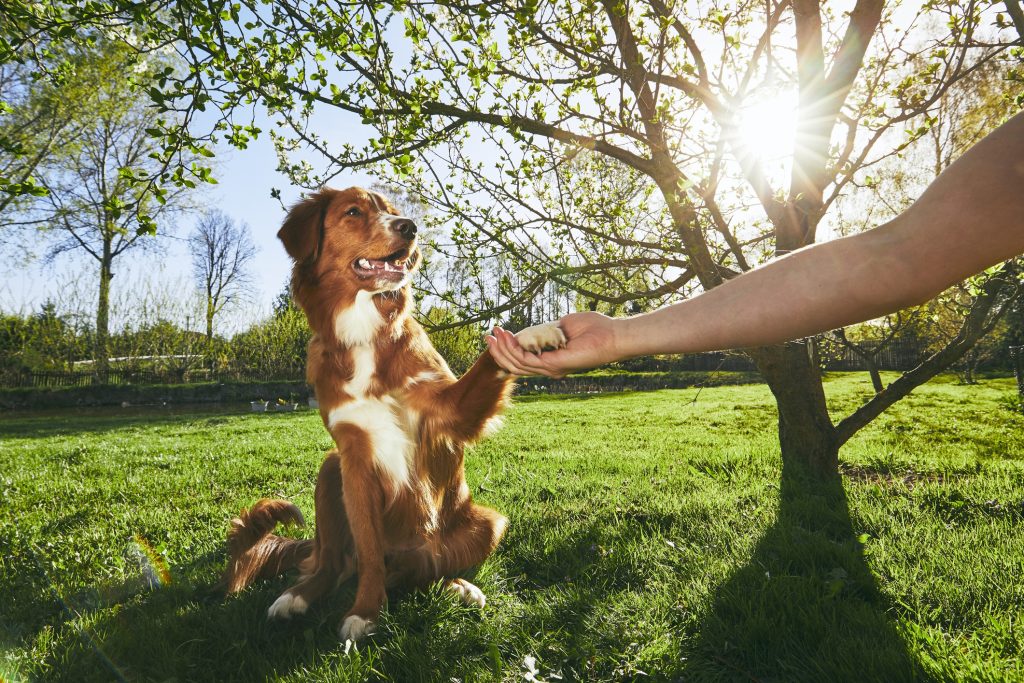
Clicker training is a purposeful method that employs a small device emitting a distinctive clicking sound to mark desired behaviors. This technique is renowned for its clarity and precision, making it particularly effective for fine-tuning specific actions. When your dog performs the desired behavior, you immediately click the device to signal a correct response and then follow it with a rewarding treat or positive attention. Over time, the click itself becomes an intrinsic part of the reward system, a marker for a job well done.
Imagine training your dog to perform an intricate trick, like spinning on command. Each incremental progress, marked by the clicker, informs your dog they are on the right track, promoting faster learning. This method emphasizes the importance of timing; the click should coincide precisely with the behavior being rewarded, bridging the gap between action and reward, and making it clear to the dog which behavior earned the treat.
4. Treat and Praise Method
The Treat and Praise Method combines the power of a delectable reward with the warmth of verbal acknowledgment. This dual approach not only reinforces the behavior but also strengthens the bond between you and your dog. When your dog sits when asked or stays on command, rewarding them with a favorite treat along with enthusiastic praise, such as “Good boy!” or “Fantastic job!”, builds confidence and trust.
Studies have shown that dogs thrive on social interaction and approval from their human companions, making verbal praise a potent tool in positive reinforcement. Choosing the right treats is crucial; opt for small, low-calorie snacks that are big on flavor, ensuring your dog remains motivated without the risk of unhealthy weight gain.
3. Target Training
Target training introduces a playful yet purposeful element to dog training, focusing on touching specific targets, like your hand or a designated stick, with their nose or paw. This technique not only provides mental stimulation but also lays the groundwork for complex command sequences.
It can evolve into teaching practical skills such as directing your dog to walk at a heel without pulling on the leash or participate in agility courses, where precise movements are required. Dogs often enjoy the search and reward aspect of this method, finding pleasure in the challenge it presents as well as the reward at the end.
2. Latency Training
Latency training taps into the vital skill of patience, an invaluable trait for both dogs and owners. This technique revolves around the delay between commanding your dog and their execution of the command, rewarding prolonged and consistent obedience. Consider commands like “wait” or “stay”, where the ability to control impulse becomes paramount.
For example, during mealtimes, command your dog to “wait” before allowing them to approach the food bowl. Gradually increase the waiting duration before rewarding them, reinforcing patience and compliance. This mastery over self-restraint can prove beneficial in every aspect of life, from avoiding darting out the door to staying composed when excited visitors arrive.
1. The “Nothing in Life is Free” Method
The “Nothing in Life is Free” (NILIF) method depicts the ultimate portrayal of balanced giving and receiving within the dog-human relationship. Under this principle, your dog must perform a task or demonstrate a behavior to earn every treat, meal, or affection. This implies understanding not only the command itself but also recognizing the reciprocal nature of the human-dog relationship.
In practical terms, before you acknowledge your dog’s request for a treat or attention, ask them to sit or lie down, reinforcing the importance of behaving appropriately to receive rewards. This can carry over into providing structure; every privilege your dog enjoys is an opportunity for reinforcing behavior. Over time, it fosters a disciplined approach towards everyday interactions, encouraging thoughtfulness and compliance from your canine friend.
Adopting these positive reinforcement techniques into your dog’s training routine does more than promote acceptable behavior. It nurtures an environment of mutual respect and understanding, crucial elements for a fulfilling companionship. Consistency and patience remain your steadfast allies throughout this process; the journey of training is a marathon, not a sprint. Ask yourself, which method appeals most to you, and what new behaviors will you instill first? Remember, the journey of training holds as much value as the ultimate destination!
| Category | Details |
|---|---|
| Immediate Rewards | Using treats or praise immediately after desired behavior ensures that your dog connects the action with the reward, reinforcing their learning. |
| Variety of Rewards | Incorporating a range of treats, toys, and affection keeps your dog motivated and engaged, as they remain uncertain about which reward they’ll receive next. |
| Consistency | Consistent reinforcement of the same commands and behaviors enables clearer communication, allowing your dog to understand expectations and improving obedience. |
| Positive Environment | Training in a calm, non-distracting environment helps your dog focus. A positive setting can reduce anxiety and enhances the overall training experience. |
In employing these **effective positive reinforcement techniques**, pet owners unlock an empowering pathway to fostering a deep bond with their dogs. Immediate rewards create meaningful associations, while a diverse array of rewards ensures that training remains an exciting adventure rather than a mundane task. By maintaining a **consistent** approach and cultivating a positive environment, the interactions can become nurturing experiences. This methodology not only enriches training sessions but also enhances the loving companionship that owners and dogs share. The journey through training is **not just about commands**, but ultimately about growing together in understanding and trust.
Frequently Asked Questions on Positive Reinforcement Techniques for Dog Training
What is positive reinforcement in dog training?
Positive reinforcement is a widely used training technique that involves rewarding your dog for desired behaviors. This can include treats, praise, or playtime. The aim is to encourage the dog to repeat these behaviors in the future. With consistent application, positive reinforcement can effectively shape a wide range of desirable behaviors in dogs.
How does positive reinforcement differ from other training methods?
Unlike traditional methods that might use punishment to reduce unwanted behaviors, positive reinforcement focuses on encouraging the actions you want to see. This approach not only fosters trust between you and your dog but can also lead to better long-term behavioral outcomes. Studies have shown that dogs trained with positive reinforcement tend to be more obedient and less stressed.
Can you use positive reinforcement for all types of dog behaviors?
Yes, positive reinforcement can be applied to a variety of behaviors, from basic commands like “sit” and “stay” to more complex tasks such as agility training. The key is to be consistent and patient, ensuring that rewards are given immediately after the desired behavior to strengthen the association in your dog’s mind.
What are some examples of rewards used in positive reinforcement?
Popular rewards include treats, verbal praise, a favorite toy, or even a few moments of playtime. The reward should be something your dog finds highly motivating. Some trainers recommend using a mix of rewards to keep training sessions dynamic and engaging for your dog.
How long does it usually take for positive reinforcement to show results?
Training outcomes can vary depending on the dog’s age, breed, and prior experiences. However, with regular and conscientious practice, many dogs show noticeable improvements within a few weeks. Remember, every dog learns at a different pace, so it’s important to remain patient and persistent.
Conclusion: Reinforcing the Bond with Positive Techniques
Training a dog is not just about instilling obedience; it’s about building a stronger bond between you and your pet. As we explored in the article, effective positive reinforcement techniques are pivotal in fostering a cooperative and happy relationship with your dog. These methods not only encourage better behavior but also make the learning process enjoyable for both parties.
Key Insights from Positive Reinforcement
- Patience and Consistency: The cornerstone of positive reinforcement is being patient and consistent. Sticking to a routine and maintaining clear expectations help dogs understand and internalize desired behaviors.
- Timing is Everything: Rewarding a behavior instantly ensures that the dog associates the good behavior with the positive outcome. This immediate connection reinforces learning effectively.
- Value of Treats and Praise: Using treats, toys, or verbal praise enhances motivation. These rewards serve as incentives for dogs to continue displaying positive behaviors.
- Understand Your Dog’s Unique Needs: Every dog is different. Tailoring the reinforcement to suit your dog’s preferences makes training more effective and engaging.
- Avoiding Punishments: Steering clear of negative reinforcement or punishment prevents fear and anxiety, thus promoting a positive and trusting relationship.
In essence, by employing these positive reinforcement techniques, you are creating a foundation of trust and respect. Training should be seen as a collaborative effort that benefits both the owner and the pet. As you embark on this journey, remember that the ultimate goal is not just obedience but nurturing a lasting connection with your furry friend. With dedication and empathy, positive reinforcement can transform the way we understand and interact with our dogs.