
The Importance of Balanced Nutrition for Your Pets Health and Wellbeing
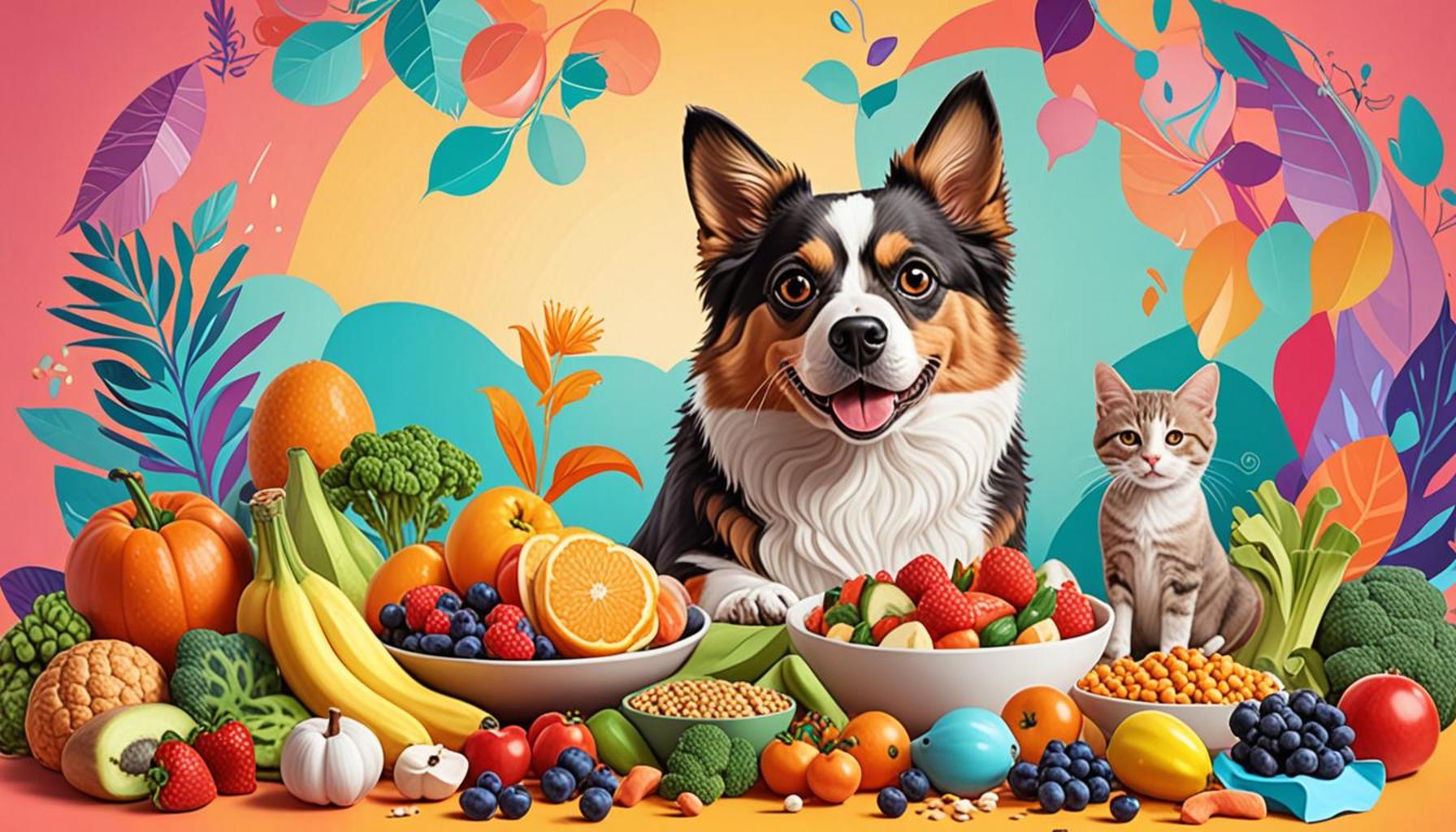
As pet ownership continues to rise globally, the focus on providing a better quality of life for our furry companions has never been more critical. A key aspect of this commitment lies in ensuring that pets receive a balanced nutrition tailored to their specific needs. Just like humans, pets require a diet filled with vital nutrients to maintain their health, prevent diseases, and enhance their overall wellbeing.
With various pet food options flooding the market, it becomes essential for pet owners to make informed decisions about their pets’ diets. Here are some compelling facts highlighting the relevance of proper nutrition for pets:
- Prevention of Obesity: Obesity in pets can lead to serious health issues.
- Improved Longevity: Balanced diets can contribute to a longer life for pets.
- Enhanced Immune Function: Proper nutrition supports a strong immune system.
This article will explore the top 5 essential components of balanced pet nutrition, empowering owners to make informed choices that directly impact their pet’s health and happiness. Discover the insights that will elevate your understanding and care for your beloved animals.
Top 5 Reasons Why Balanced Nutrition is Essential for Pets
Nourishing our furry companions with the right balance of nutrients is crucial for their overall health and well-being. In this article, we’ll dive into the top five reasons why a balanced diet is vital for our beloved pets. From enhancing longevity to preventing diseases, understanding the importance of pet nutrition can lead to blissful and healthier lives for our four-legged friends.
5. Prevention of Obesity
Obesity in pets has become an alarming issue in recent years, with surveys indicating that one in three pets are classified as overweight or obese. An imbalance in nutrition often leads to excessive weight gain in animals. Feeding our pets the proper proportions of healthy foods can help keep them at a healthy weight.

Some key factors contributing to obesity include:
- Overfeeding: Providing more calories than required, often due to misjudgment or misunderstanding of the pet’s caloric needs.
- Lack of exercise: Sedentary lifestyles lead to weight gain, and many pets lack adequate physical activity due to urban living conditions.
- Unhealthy snacks: Frequent indulgence in treats that are high in calories and low in nutritional value.
A balanced diet can aid in combating this issue by offering precise caloric intake tailored to each animal’s age, size, and energy level. Thus, maintaining a healthy weight promotes an overall better quality of life.
4. Enhanced Immune System
A strong immune system is pivotal for pets to fight off ailments and infections. Nutritional balance plays a significant role in strengthening this defense mechanism. A diet rich in essential vitamins, minerals, and antioxidants is key to an effective immune response.
Foods that can boost the immune system include:
- Fruits and vegetables: Provide essential vitamins like A, C, and E, which are critical in maintaining healthy tissues and cells.
- High-quality proteins: Support cell growth and repair, crucial for maintaining health and vitality in pets.
- Omega fatty acids: Help reduce inflammation and boost immune function, especially important in fighting chronic diseases.
Investing in the right nutrition for pets could mean they dodge many health issues, promoting a longer, happier life.
3. Healthy Coat and Skin
The health of a pet’s coat and skin is often a good indicator of its overall health. A balanced diet that includes fatty acids, proteins, and antioxidants contributes to a shiny, vibrant coat and nourished skin.
Some dietary elements that enhance coat and skin health include:
- Omega-3 and Omega-6 fatty acids: These are crucial for reducing skin irritations and maintaining a healthy shine, combating problems such as dandruff and itching.
- High-quality proteins: Essential for hair structure and quality, ensuring that pets look their best with minimal hair shedding.
- Zinc and Biotin: Important for skin cell regeneration and overall skin health, Zinc helps in wound healing and maintaining skin integrity.
Paying attention to a pet’s diet can lead to fewer skin problems and a more lustrous coat, adding to their charm and appeal.
2. Improved Digestion
Balanced nutrition can significantly impact a pet’s digestive health. Digestive issues are common among pets and can lead to discomfort and health problems. A diet high in fiber, for instance, can promote healthy digestion and regularity.
Some components to consider for better digestive health include:
- Probiotics: Promote gut health by maintaining a beneficial gut flora balance, aiding in protecting the gut against harmful pathogens.
- Fiber: Aids digestion and helps prevent constipation while moderating blood sugar levels and preventing rapid absorption of carbohydrates.
- Limited fillers: Choosing food lacking in common fillers can enhance nutrient absorption, ensuring that pets receive the full benefit of their meals.
With the right dietary balance, pets can experience improved digestion, leading to a happier and more comfortable life.
1. Longevity and Quality of Life
Ultimately, well-balanced nutrition is paramount for increasing a pet’s lifespan and enhancing their quality of life. By feeding pets the right mix of nutrients, owners can help prevent chronic diseases, maintain energy levels, and promote overall well-being.
Key benefits associated with balanced nutrition include:
- Stronger muscles and bones: Vital for aging pets to maintain mobility, avoiding conditions such as arthritis and osteoporosis.
- Better mental clarity: Essential for cognitive function, ensuring pets maintain a sharp mind as they age.
- Less risk of disease: Well-fed pets are less susceptible to chronic diseases commonly caused by nutritional deficiencies, such as diabetes and heart disease.
A commitment to providing balanced nutrition not only leads to longer life but also ensures that pets enjoy a vibrant, energetic, and happy existence.
Understanding the significance of balanced nutrition for pets is essential for any owner dedicated to their furry friend’s health. Prioritizing their dietary needs can lead to a multitude of benefits, resulting in a happier and longer-lasting companionship. Engaging actively in discussions with veterinarians and pet nutritionists can help tailor the best dietary plans specific to each pet’s needs, ensuring holistic care and vibrant health.
| Category | Description |
|---|---|
| Weight Management | A balanced diet helps in maintaining a healthy weight for your pets. Obesity can lead to various health issues such as diabetes, joint problems, and cardiovascular diseases. |
| Improved Immune System | Nutritious foods are essential for strengthening the immune response. A pet with a strong immune system is less likely to fall ill, thus prolonging their life. |
| Enhanced Cognitive Function | Certain nutrients, particularly omega-3 fatty acids and antioxidants, are vital for brain health. This is especially significant in older pets where cognitive function can decline. |
| Healthy Skin and Coat | A balanced diet contributes to a shiny coat and healthy skin. Nutrients like fatty acids, vitamins, and minerals play a crucial role in reducing skin issues and promoting overall appearance. |
The significance of providing a nutritionally balanced diet for pets cannot be overstated. Not only does it support essential bodily functions, but it can also significantly enhance the quality of life. Regularly monitoring your pet’s nutritional intake and making adjustments based on activity level, breed, and age can foster a positive and proactive approach to their health. Establishing a routine that includes quality foods will pay dividends in the long run, both for your pet’s happiness and for the peace of mind of their owners.
Frequently Asked Questions on Balanced Nutrition for Pets
What constitutes a balanced diet for pets?
A balanced diet for pets typically includes a mix of high-quality proteins, healthy fats, carbohydrates, vitamins, and minerals. The nutritional needs can vary based on the pet’s species, age, breed, and level of activity. Pet owners should consult with veterinarians to tailor diets that meet specific health requirements and support overall well-being.
Why is balanced nutrition important for my pet’s health?
Balanced nutrition is crucial as it impacts your pet’s growth, energy levels, immune function, and longevity. Proper nutrition helps in maintaining a healthy coat, strong bones, and a robust immune system. A diet lacking in essential nutrients can lead to a myriad of health issues, such as obesity, malnutrition, or even organ failure.
How can I determine if my pet’s diet needs adjustment?
Noticeable signs that may indicate a need for dietary adjustments include unexplained weight changes, changes in energy levels, digestive issues, and skin or coat problems. Regular veterinary check-ups provide insights into your pet’s health status and whether specific nutrient deficiencies or excesses need addressing.
Are commercial pet foods sufficient for providing balanced nutrition?
Commercial pet foods can offer balanced nutrition, provided they meet regulatory standards like the AAFCO (Association of American Feed Control Officials) nutritional adequacy. However, it’s important to select foods appropriate for your pet’s life stage and health conditions. Some pets may require specialized diets, and consulting a vet is essential to ensure dietary choices meet individual pet needs.
Conclusion: The Importance of a Balanced Diet for Pets
As we have explored in this article, providing a balanced diet for pets is crucial for their overall health and well-being. A well-structured nutritional plan not only ensures that pets receive all the essential nutrients they need but also helps prevent a myriad of health problems, such as obesity, diabetes, and heart disease. An understanding of the right balance of proteins, carbohydrates, fats, vitamins, and minerals is necessary for pet owners who are committed to their pets’ health.
Key Takeaways
- The significance of a balanced diet in extending the life expectancy of pets and enhancing their quality of life.
- The role that age, breed, and activity level play in determining the specific dietary needs of each pet.
- Understanding the benefits of commercial pet foods versus homemade meals, and how to choose wisely between the two.
- The need for regular veterinary consultations to receive personalized dietary advice for pets.
- The importance of hydration and the consequences of dehydration on a pet’s health.
Ultimately, the responsibility of maintaining the health of our pets lies with us, their guardians. By understanding and implementing a balanced diet, pet owners can significantly improve their pet’s health and longevity. This vital responsibility also opens new avenues of discovery, as pet nutrition is a continually evolving field that benefits from ongoing research and development. Pet owners are encouraged to stay informed about the latest nutritional breakthroughs and be proactive in tailoring their pets’ diet to meet individual needs. By doing so, they not only ensure their pets’ happiness but also contribute to the advancement of pet health care as a whole.