Master Positive Reinforcement for Dog Behavior Issues Effectively

Understanding the Power of Positive Reinforcement
When it comes to addressing behavioral issues in dogs, positive reinforcement has emerged as one of the most effective methods. This approach focuses on rewarding desired behaviors instead of punishing unwanted ones, making training a more enjoyable experience for both the dog and the owner. With the right techniques, you can foster a strong bond with your pet while effectively managing their behavior.
Why Positive Reinforcement Matters
Choosing positive reinforcement not only enhances learning but also promotes a happier and more confident dog. Here are key reasons why this method is essential:
- Builds Trust: Dogs trained with positivity form a stronger relationship with their owners.
- Encourages Repetition: Rewarding good behavior increases the likelihood of its repetition.
- Avoids Fear: Positive methods eliminate the fear and anxiety associated with punishment-based training.
Get Ready for Insights
In this article, we will uncover the Top 5 Positive Reinforcement Methods specifically designed to tackle various behavioral issues. From leveraging treats to using praise effectively, each method will be explored in detail to provide you with actionable insights.
Top 5 Positive Reinforcement Methods for Behavioral Issues in Dogs
Welcoming a dog into your family is a joy, yet it also comes with the responsibility of guiding them through proper behavioral training. Establishing a harmonious relationship with your canine companion hinges on effective communication, patience, and understanding. Positive reinforcement methods have emerged as a centerpiece of modern dog training, lauded for their efficacy and humane approach. Diverging from traditional punitive techniques, positive reinforcement focuses on encouraging good behavior by rewarding it, which fosters trust, improves behavior, and strengthens the bond between dog and owner.
In this article, we delve into the top five positive reinforcement methods for tackling behavioral issues in dogs, ranked from least to most effective. Each technique is described in detail, offering insights into how you can implement them for optimal results.
5. Clicker Training
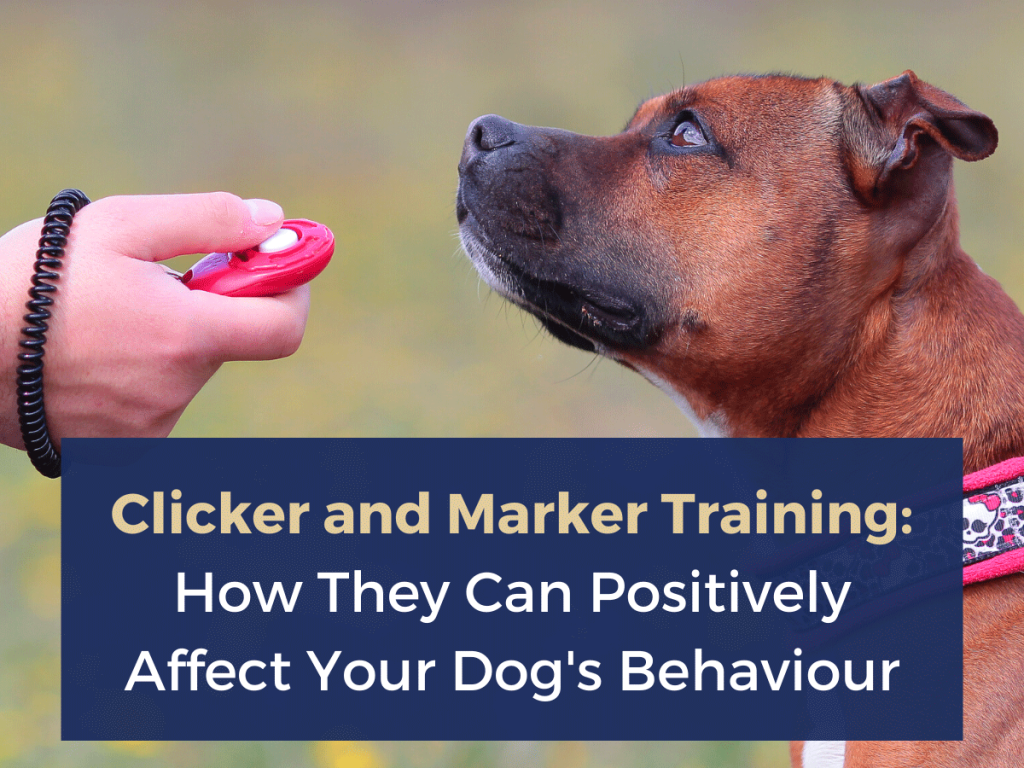
Clicker training is a widely adopted method for communicating with dogs, built on the simple principle of marking desirable behaviors with a distinctive sound. A handheld clicker generates this sound, serving as an immediate signal to the dog that they have done something right. When followed by a reward, typically a treat, this creates a clear cause-and-effect relationship that dogs can quickly learn.
This method is particularly effective for teaching new commands or behaviors, as it allows for precise timing. For instance, precisely marking the moment a dog sits or stays increases the clarity of what action is being rewarded. Over time, dogs start to associate the click with a positive outcome, making them eager to repeat the rewarded behavior. While it might not be the most comprehensive approach, clicker training can be a gateway to more advanced reinforcement techniques, enhancing both training effectiveness and enjoyment for your pet.
4. Verbal Praise
Never underestimate the power of verbal praise in positive reinforcement strategies. Dogs are perceptive to the tone and emotion in human voices, and offering verbal encouragement can play a critical role in reinforcing good behavior. While simple, it requires careful timing and consistency to ensure its effectiveness.
When your dog exhibits positive behavior, offering verbal praise such as “good boy” or “well done” in a genuinely enthusiastic tone helps communicate approval. This method is heightened if combined with physical affection, like a gentle pat or rub, or when paired with tangible rewards. Though verbal praise may not be as tangible as treats, its warmth can profoundly impact your dog’s confidence and willingness to engage in training, fostering a positive learning environment.
3. Treat Reward Systems
Using treat reward systems is arguably one of the most direct and effective reinforcement techniques in dog training. Dogs are naturally motivated by food, making treats a powerful incentive for repeating desired behaviors. The immediacy of receiving a treat after a good action cements a strong behavioral pattern in a dog’s learning process.
However, it’s important to balance reward frequency and size to maintain your dog’s health. Incorporating a variety of small, nutritious treats ensures that your pup remains enthused about training sessions without the risk of overfeeding. Establishing a treat jar filled with options may increase the engagement and eagerness of your dog to perform tasks. Just remember, as training progresses, you may gradually reduce dependency on treats, transitioning to using praise and play as reinforcement.
2. Interactive Toys and Games
Leveraging interactive toys and games is a particularly beneficial approach in positive reinforcement training, engaging your dog physically and mentally while rewarding compliance. Unlike straightforward treat-based methods, this approach integrates learning with play, thus making training a joyful experience.
Consider puzzle toys that challenge dogs to solve problems to access treats, or engage them in games like tug-of-war, fetch, or hide-and-seek. These activities not only serve as rewards but also stimulate their intellect and exercise instincts, crucial for balanced development. Moreover, these games strengthen the emotional bond, as your dog associates fun, rewarding activities with positive behaviors, thus encouraging them to behave appropriately to continue the play.
1. Consistency and Routine
At the apex of effective training methods lies the principle of consistency and routine. Dogs, like humans, are creatures of habit. Establishing a structured routine cements predictability, creating a comfortable and secure environment for learning. By maintaining consistency, you ensure that your dog knows what to expect and what is expected of them, reducing anxiety and enhancing focus.
Structured routines for meals, walks, playtime, and training sessions reduce randomness, enabling your dog to thrive amid clear expectations. When good behaviors are rewarded consistently within this framework, it accelerates learning and reinforces positive behavioral patterns. For instance, if a dog understands that sitting patiently during mealtime earns them their dinner, they’re more likely to adopt this behavior permanently.
In conclusion, employing these five positive reinforcement techniques not only aids in addressing behavioral issues but also fortifies the bond between you and your dog. Consistency in application catalyzes effective behavior modification, paving the way for a well-trained, joyful, and contented pet. Remember, the key to successful positive reinforcement training is patience and consistency—attributes that, when honed, yield long-lasting behavioral improvements and a rich, fulfilling companionship with your furry friend.
| Category | Description |
|---|---|
| Behavior Modification | This approach focuses on changing undesirable behaviors through consistent positive reinforcement, fostering a more obedient and happy dog. |
| Trust Building | Using rewards, such as treats or praise, helps to build a strong bond and trust between the dog and its owner, crucial for effective training. |
| Joint Activities | Engaging in games like fetch or agility training not only serves as a form of reinforcement but also strengthens the human-canine relationship. |
| Preventing Fear | Positive reinforcement counters negative experiences; for instance, rewarding calm behavior in stressful situations can replace fear with confidence. |
Positive reinforcement is a powerful tool not just for correcting behavioral issues but also for creating a joyous learning environment for dogs. When owners reward desired behaviors, they communicate what is acceptable in a way that dogs naturally respond to. The benefits of these methods extend beyond just immediate training goals; they foster long-term emotional health in dogs.In the realm of **Behavior Modification**, it’s crucial to apply reinforcement consistently. For example, using treats immediately after a positive behavior occurs can significantly increase the likelihood of that behavior being repeated. This consistent application helps reinforce learning pathways in the dog’s brain, leading to better retention of training over time. The aspect of **Trust Building** is not to be underestimated. Dogs are perceptive beings; they can sense their owner’s emotions and intentions. Positive reinforcement strengthens their trust and confidence in their owners, allowing for a deeper bond to develop. For instance, if a dog exhibits signs of anxiety in new situations, rewarding them for calm behavior can help alleviate their fears. Furthermore, the inclusion of **Joint Activities** in training leads to more engaged learning experiences, making training sessions fun and interactive. Rewards, whether they are treats or verbal affirmation, during activities such as agility courses or even simple fetch games can shift the focus from correction to cooperation, allowing the dogs to relish the training process.Lastly, **Preventing Fear** is a pivotal aspect of employing these methods. By rewarding dogs during unfamiliar or stressful scenarios, owners can effectively counteract fear responses. This promotes resilience and adaptability, essential traits for a well-rounded dog in today’s world.Exploring each category reveals the multifaceted benefits of positive reinforcement in dog training. By investing time in understanding these methods, owners can achieve a happier, more balanced relationship with their furry companions.
Frequently Asked Questions About Positive Reinforcement for Dogs
What is positive reinforcement and how does it work for dogs?
Positive reinforcement is a training method that focuses on rewarding desired behaviors to encourage them to happen more frequently. It is based on the principle that behaviors that are followed by a positive outcome are more likely to be repeated. In the context of dog training, this involves giving a dog a treat, praise, or playtime immediately after they perform a behavior correctly. This method is grounded in scientific evidence showing that animals, including dogs, learn faster and more effectively when rewarded for good behavior rather than punished for bad behavior.
Can positive reinforcement address all types of behavioral issues in dogs?
While positive reinforcement is a highly effective method for many types of behavioral issues, it may not be a one-size-fits-all solution for every dog or problem. It is particularly beneficial for teaching new commands, improving obedience, and reducing anxiety-related behaviors. However, some more complex issues, such as aggression or deeply ingrained fear responses, might require a combination of training methods, professional guidance, and possibly other interventions. It is crucial for dog owners to assess each situation individually and consider consulting a professional dog trainer or behaviorist for challenging cases.
How quickly can I expect to see results from positive reinforcement training?
The time it takes to see results from positive reinforcement training can vary greatly depending on several factors, including the dog’s age, temperament, the specific behavior being addressed, and the consistency of training. Some dogs may respond to training within a few sessions, while others might take weeks or even months to show significant improvement. Consistency and patience are key – regular practice and reinforcement are crucial in ensuring that the learned behaviors stick.
Is it possible to use positive reinforcement incorrectly?
Yes, misuse of positive reinforcement can happen, often when the timing of the reward is incorrect. It is essential to provide the reward immediately after the desired behavior to ensure the dog makes the connection between the two. Delayed rewards can reinforce the wrong behavior. Additionally, consistency is important; irregular reinforcement or lack of clarity in what is being rewarded can confuse dogs. Properly understanding timing and consistency is vital for effective positive reinforcement training.
Are there specific rewards I should use for positive reinforcement?
The choice of reward can vary depending on what motivates your dog the most. Common rewards include treats, toys, petting, or verbal praise. It’s important to select a reward that your dog finds highly motivating and reserve it specifically for training purposes to maintain its value. Experimenting with different rewards can help you identify what works best for your dog. Always remember, the right kind of reward can make all the difference in reinforcing positive behaviors effectively.
Conclusion: Embracing Positive Reinforcement for a Harmonious Human-Canine Relationship
As we’ve explored throughout this article, positive reinforcement is a powerful tool in addressing and mitigating behavioral issues in dogs. Rooted in the principles of rewarding desired behaviors rather than punishing undesirable ones, it encourages dogs to repeat positive actions and fosters a healthier relationship between pets and their owners.
Some of the most effective methods include the use of treats, verbal praise, clicker training, playtime as a reward, and consistent routines. Each of these techniques leverages the natural instincts of dogs to ensure compliance and reinforce good habits. By understanding the underlying motivations behind a dog’s behavior, owners can use positive reinforcement strategies to guide their pets towards more desirable actions.
What stands out most is the widespread adaptability and success of these methods. They’re not only regarded highly by expert trainers and veterinarians but also welcomed by dog owners as humane and compassionate. Dog owners who invest time and patience in implementing these strategies often discover a more fulfilling and stress-free relationship with their pets.
It’s crucial for dog owners to bear in mind that each dog is unique and that determining the most effective method might require some trial and error. Ultimately, positive reinforcement is not just a training technique but a philosophy that acknowledges a dog’s potential for learning and growth. Many studies and anecdotal evidence suggest that consistent application can result in happier and more well-adjusted pets.
For any dog owner struggling with behavioral issues, delving deeper into these reinforcement techniques offers an opportunity not only to address these problems but also to deepen the bond with their canine companion. As awareness grows, the techniques of positive reinforcement will continue to provide invaluable insights into effective dog training, benefitting pets and owners alike.