
Positive Training Tips for Cats: How to Teach Tricks and Desired Behaviors
Unlocking the Potential of Your Feline Friend
Every cat possesses the innate ability to learn, yet this capability often necessitates a distinct approach that resonates with their natural instincts and behaviors. Positive training is a highly effective method that emphasizes reinforcement through rewards and affirmations, turning the training process into an enjoyable experience for both you and your furry companion. Unlike harsh training techniques that can lead to fear or anxiety, positive reinforcement focuses on encouraging desirable behaviors, resulting in a more affectionate and well-adjusted pet.
Here are some compelling reasons to embrace positive training:
- Strengthen the Bond: Engaging in training sessions nurtures a stronger bond of trust and understanding between you and your cat. As your cat learns to associate commands with positive outcomes, a unique relationship of companionship blossoms.
- Enhanced Behavior: Positive training enables you to teach your pet not just nifty tricks, but also to curtail unwanted behaviors such as scratching furniture or excessive meowing. By redirecting their actions into positive responses, you create a more harmonious home environment.
- Engaging Mental Stimulation: Training stimulates your cat’s mind, keeping them sharp and reducing boredom. Mental enrichment is crucial as a bored cat may resort to destructive behaviors. Training sessions can provide that necessary engagement, enriching their day-to-day experience.
Common misconceptions perpetuate the belief that cats are untrainable compared to dogs. However, the reality is that, with the right techniques, cats can learn a multitude of commands and tricks. From the straightforward act of sitting on command to the entertaining high-five, your cat’s potential is as vast as your willingness to engage in their training. One example of advanced training is creating an obstacle course for your cat, which not only teaches agility but also provides a fun cooperative activity.
This article will delve into positive training tips specifically for cats, offering insights and techniques tailored to elevate your pet’s learning experience. You’ll discover practical strategies, such as using treats or toys as rewards, and how to approach training sessions to keep them short and fun. Get ready to transform your kitty into a captivating and well-behaved companion that both you and your visitors will admire!
DISCOVER MORE: Click here to learn about a balanced diet for your pet
Setting the Stage for Successful Training
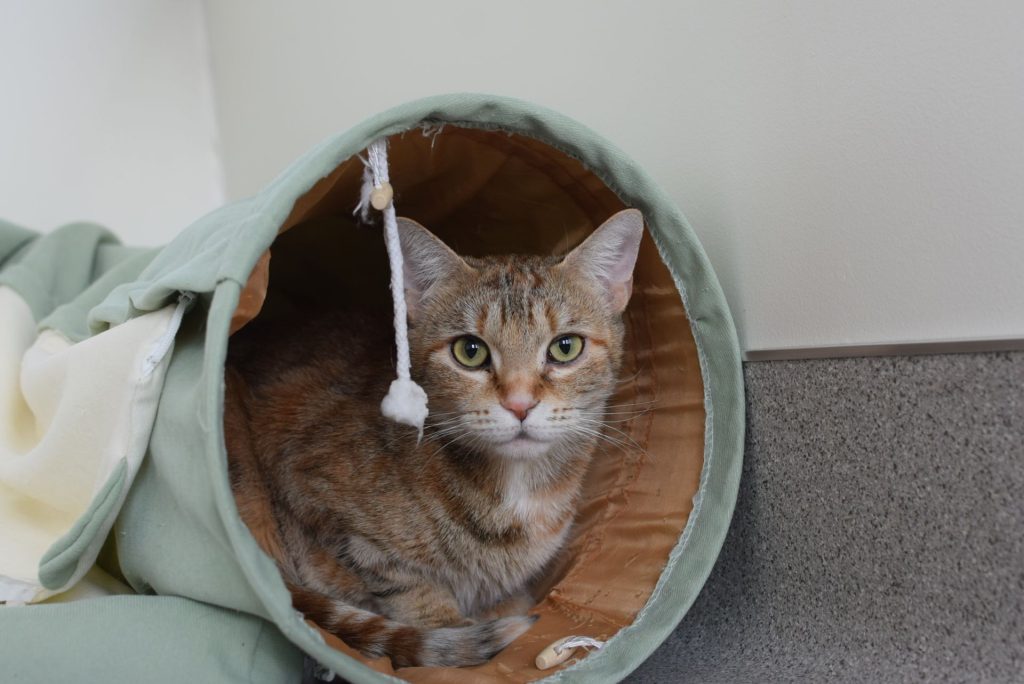
To embark on a positive training journey with your cat, it is essential to create an environment that fosters learning. The first step is choosing a calm location free from distractions. Cats are inherently curious creatures, so training sessions should ideally be held in a quiet space where your feline can focus. Additionally, the duration of training sessions plays a pivotal role in their effectiveness. Aim for short, five to ten-minute sessions to maintain your cat’s attention. This will not only prevent boredom but also solidify their engagement with the new commands or tricks you’re introducing.
Another critical factor is selecting the right motivation. Cat treats are a classic choice for positive reinforcement; however, it’s important to find something your cat truly loves. Whether it’s their favorite crunchy treat, a small piece of cooked chicken, or even a beloved toy, the key is to ensure that the reward is both enticing and healthy. Varying rewards can keep your cat intrigued and eager to participate, making each training session feel fresh and exciting.
Positive Reinforcement Techniques
Positive reinforcement is the cornerstone of successful cat training. This technique involves rewarding your cat immediately after they exhibit the desired behavior, creating a strong association between their action and the reward. Here are some effective strategies to incorporate positive reinforcement into your training regimen:
- Clicker Training: Consider using a clicker as a tool for marking desired behaviors. The distinct sound of the click signifies to your cat that they did well, followed by an immediate reward. This method helps in establishing clear communication between you and your feline.
- Response Timing: Timing is crucial in positive reinforcement. Make sure to reward your cat within seconds of them performing the desired action. This immediate feedback reinforces their connection to the behavior, increasing the likelihood of them repeating it.
- VARIETY of Rewards: Keep your cat guessing by varying the types of rewards you offer. Sometimes a treat, other times a game of their favorite chase, or even some gentle petting or verbal praise can have a significant impact on their motivation.
- Gradual Progression: Start with simple commands or tricks, such as “sit” or “come.” As your cat becomes proficient in basic tricks, gradually introduce more complex commands or routines, building confidence and skills.
It’s important to remember that every cat is unique, and what works for one may not resonate with another. Patience is paramount; celebrate small victories and progress, adjusting your methods as necessary. As you venture into the world of cat training, you’ll likely discover that not only are you teaching them new tricks, but you may also be unveiling surprises that reflect the charming personality of your feline friend.
| Training Method | Advantages |
|---|---|
| Clicker Training | Strengthens communication between owner and cat, making learning enjoyable. |
| Positive Reinforcement | Encourages desirable behavior by rewarding cats, building trust while teaching. |
When it comes to teaching our feline friends, understanding their psychology is crucial. Utilizing methods like clicker training can vastly improve your interactions. This method involves using a handheld clicker to mark the exact moment your cat performs the desired behavior, followed by a treat. This precise feedback helps cats understand exactly what behavior led to the reward, making learning more systematic and engaging.On the other hand, positive reinforcement serves as an effective approach to encourage new tricks and behaviors. By rewarding your cat with treats, praise, or playtime whenever they exhibit a desired action, you build a strong bond based on trust and appreciation. This method not only enhances learning but significantly reduces stress in both the trainer and the cat. Exploring these training techniques can lead to successful outcomes and a happy, well-mannered cat.
DISCOVER MORE: Click here to find local pet adoption resources
Tailoring Your Approach: Individual Needs and Challenges
While the foundation of effective cat training lies in positive reinforcement techniques, it is essential to tailor your approach to cater to the individual personality and characteristics of your feline companion. Understanding your cat’s unique temperament will not only enhance the training experience but also lead to more successful outcomes. Some cats are natural learners, while others may be more hesitant or stubborn. Recognizing these traits allows you to adopt training strategies that suit their personal style.
For example, some cats may thrive in a structured environment, benefiting from consistent routines and expectations. Establishing a set time each day dedicated to training can be beneficial. Most cats will learn better when they understand that these sessions are a regular part of their day. However, for more anxious or timid cats, training should be approached with flexibility. Consider allowing your feline to dictate the pace, taking breaks as necessary to avoid overwhelming them.
Addressing Behavioral Issues
Training is not only about teaching new tricks but also about addressing undesired behaviors. Many cats display habits that can be unsettling, such as scratching furniture, over-grooming, or excessive vocalization. By applying positive training techniques, you can redirect these behaviors into acceptable alternatives. Here are some strategies for dealing with common issues:
- Redirecting Scratching: Instead of scolding your cat for scratching the sofa, provide them with an appealing scratching post or pad. When they use it, reward them immediately. Place the post in areas where they like to scratch, and encourage its use by incorporating catnip to make it enticing.
- Managing Over-Grooming: If your cat is over-grooming due to stress or boredom, offer mental stimulation through interactive toys or puzzle feeders. Reward them for engaging in these activities rather than focusing on grooming themselves excessively.
- Reducing Vocalization: If your cat tends to meow excessively, ascertain the underlying cause—whether they are seeking attention, food, or are in distress. Reinforce quiet behavior by rewarding moments of tranquility with treats or affection, rather than responding to the noise.
Moreover, if your cat responds negatively to certain stimuli, such as loud noises or sudden movements, incorporating desensitization techniques can be beneficial. Gradually expose your cat to these triggers in a controlled environment, rewarding calm reactions and reducing anxiety over time.
Incorporating Play into Training
Another fabulous method for reinforcing training is through play. Engaging your cat in activities they enjoy can turn a training session into a fun game, making them more inclined to participate. Use interactive toys, such as feather wands or laser pointers, to grab their interest. You can weave training commands into their play, such as teaching them to ‘come’ by calling them to chase a toy. This association makes the learning process enjoyable, significantly enhancing retention of learned behaviors.
Additionally, monitoring your cat’s energy levels is vital. Cats can be unpredictable, and some days they may not be in the mood for training. Flexibility in your approach not only accommodates their emotional state but also reinforces the idea that training should be a positive experience.
Lastly, documenting your training journey can be beneficial. Keeping a log of your sessions allows you to track progress and uncover patterns or challenges that may arise over time. This tool will help you adjust your techniques and stay motivated, fostering an enriched relationship with your feline companion.
DISCOVER MORE: Click here to learn more about pet oral health
Conclusion: Embracing Positive Training for Your Feline Friend
In summary, training your cat through positive reinforcement techniques not only fosters a harmonious bond between you and your pet but also enriches their lives with mental stimulation and behavioral clarity. By understanding your cat’s individual needs, whether they are boisterous and eager to learn or timid and cautious, you can tailor your approach for optimal results. Empowering your cat with commands and tricks through enjoyable and structured sessions strengthens communication, transforming the training experience into a rewarding journey for both of you.
Addressing behavioral issues is equally important in the training process. Redirecting unwanted behaviors and providing suitable alternatives is key to maintaining a peaceful home environment. As you implement strategies to manage habits like scratching or excessive vocalizations, remember that patience and consistency are your greatest allies. Engaging your cat in play-based training not only reinforces lessons but also turns learning into a delightful game, making it easier for them to absorb new skills.
Lastly, documenting your journey offers invaluable insights into progress and learning patterns that are often overlooked. This practice allows you to evaluate and refine your methods, keeping you motivated and informed. As you embark on this rewarding adventure of training your feline companion, remember that the ultimate goal is not just skilled tricks, but a strengthened relationship based on trust and affection. By applying these positive training tips, you will cultivate a well-behaved cat that is both a joy to be around and a testament to the power of positive reinforcement.