
Training Your Dog for Off-Leash Adventures: Safety and Techniques
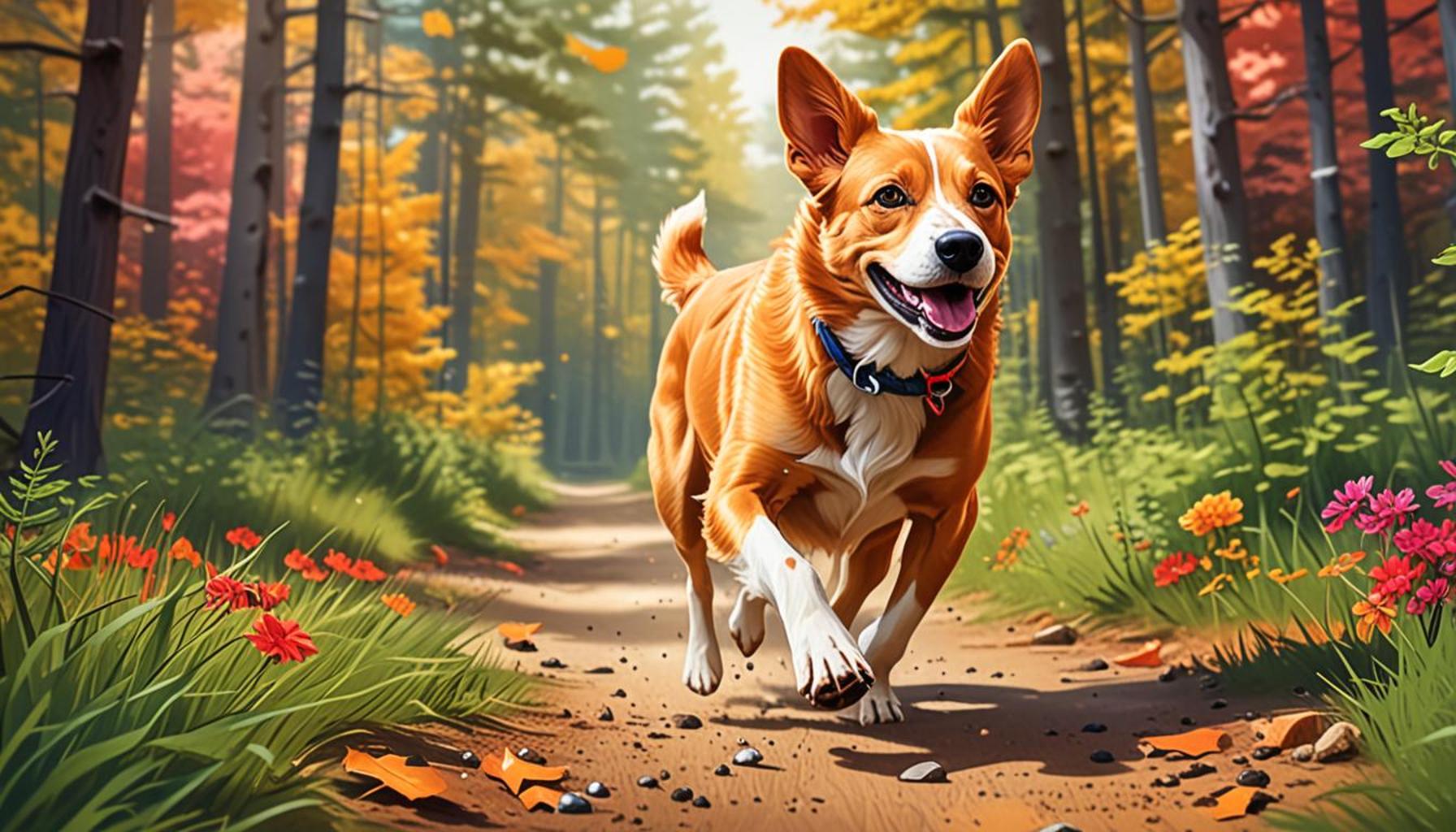
Unleashing Your Dog’s Potential
Imagine the thrill of exploring nature with your furry friend, free from the constraints of a leash. Off-leash adventures offer dogs a sense of freedom and allow them to engage with their environment in ways that leashed walks simply can’t. The rush of wind as they sprint across meadows, the joyous barks echoing through the trees, and the unbridled happiness as they sniff every intriguing scent are experiences that leashed walks can hardly replicate. However, embracing this exhilarating experience comes with its own set of challenges and responsibilities.
Why Training is Essential
Before you set off on your off-leash journey, it’s crucial to ensure your dog is well-trained. Effective training not only enhances your dog’s enjoyment but also prioritizes safety. It can make the difference between a blissful day in the park and a worrying chase through the woods. Here are some key points to consider:
- Understanding Commands: Your dog must reliably respond to basic commands such as ‘come,’ ‘stay,’ and ‘leave it.’ For example, the command ‘come’ is vital for calling your dog back to you in potentially dangerous situations, such as when they encounter a busy road or encounter wildlife.
- Socialization: Exposure to different environments, people, and other animals helps your dog thrive. This socialization process should start as a puppy but continues throughout your dog’s life. Visiting dog parks or enrolling in group training classes are great ways to enhance your dog’s social skills.
- Safety Precautions: Familiarize yourself with local laws regarding off-leash areas to avoid penalties. Many urban areas have designated off-leash parks where your dog can roam freely, but these often come with specific regulations to ensure the safety of all pets.
The Right Techniques
Mastering off-leash training involves using specific techniques tailored to strengthen your dog’s obedience. Implementing these methods will build a solid foundation for your adventures:
- Positive Reinforcement: Use treats and praise to reward good behavior. When your dog successfully responds to a command, immediately offering a small treat or enthusiastic praise helps reinforce the behavior and encourages your pet to repeat it.
- Gradual Exposure: Introduce your dog to off-leash experiences slowly. Begin in a secure and enclosed area before transitioning to more open spaces to ensure your dog is comfortable and confident.
- Consistency: Training should be a regular part of your routine for long-lasting results. Short, daily training sessions can be much more effective than infrequent, longer sessions. Aim to incorporate training into your everyday life, using commands during play or meal times.
As you embark on this liberating journey, equip yourself with the knowledge and techniques necessary to guarantee a successful off-leash experience. This preparation not only enhances your bond with your dog but also fosters trust, ensuring you can count on your furry companion to behave reliably in a variety of situations. Your dog will thank you with every wag of its tail, and you’ll share countless happy memories during your outdoor escapades.
LEARN MORE: Click here for a comprehensive guide
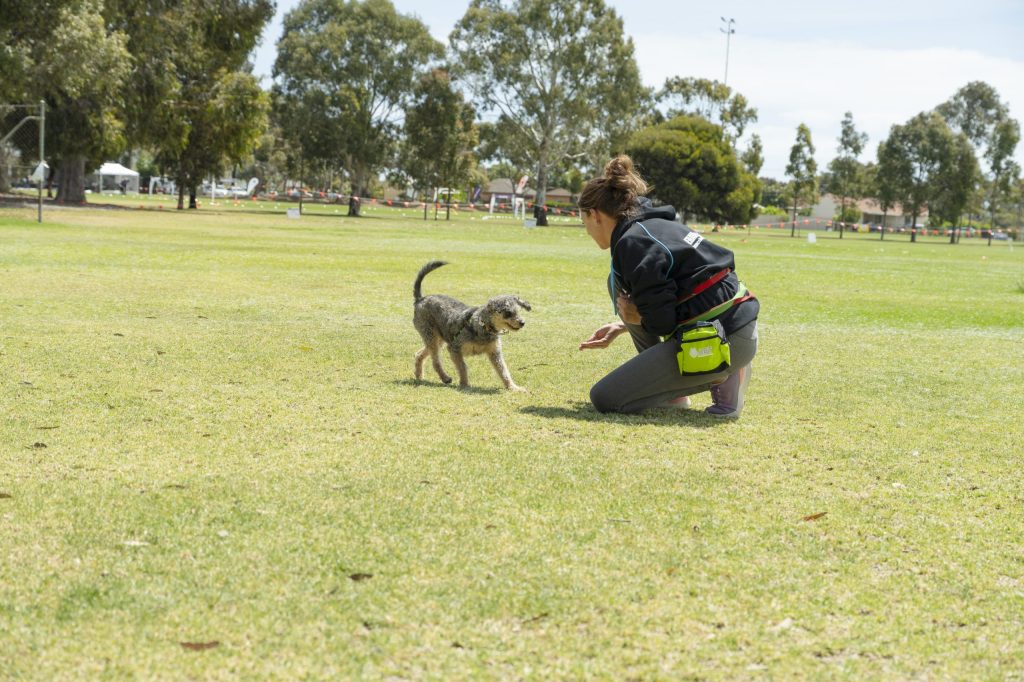
Mastering the Art of Off-Leash Training
Training your dog for off-leash adventures is not just about teaching commands; it’s about building a deep and trusting relationship between you and your pet. This special bond is essential for a successful off-leash experience, allowing your dog to feel secure and confident in various environments. However, before letting your furry companion off the leash, it’s vital to understand the nuances of effective training methods and their importance for both safety and enjoyment. Here are several key aspects to focus on:
Building a Strong Foundation
At the heart of off-leash training lies a solid foundation built on respect and understanding. Teaching your dog the following foundational skills will set the stage for future off-leash success:
- Reliable Recall: The ‘come’ command is perhaps the most critical skill to master. Start training in a quiet home environment and gradually increase distractions as your dog becomes more reliable. Use high-value treats to reinforce their success, and practice regularly to cement the behavior.
- Impulse Control: Teaching your dog to wait patiently before rushing into situations, whether it’s engaging with other dogs or exploring new scents, enhances their safety. Implement games that encourage waiting, such as ‘wait for your food’ or practicing ‘down-stays’ in lively environments.
- Stay Duration: Extending the time your dog can hold a position like ‘stay’ is paramount. Start with short periods and gradually increase the duration while adding distractions to challenge your dog’s focus. Reward them for their patience and reinforce the action.
Incorporating Real-Life Scenarios
To fully prepare your dog for off-leash experiences, it’s crucial to practice in real-life scenarios. Gradually move your training outside to a secure, fenced area before transitioning to open spaces. Consider the following techniques:
- Controlled Playdates: Arrange playdates with other well-trained dogs to see how your dog interacts off-leash. This helps them learn social cues and boosts confidence around other pets.
- Utilizing Long Lines: Initially, use a long line attachment during walks to allow your dog some freedom while still having control. This transitional phase ensures that your dog can explore while still being leashed, allowing you to enforce commands like ‘come’ if needed.
- Frequent Adventures: The more off-leash experiences you expose your dog to, the better. Visit different parks, hiking trails, and nature areas with designated off-leash zones. Consistency is key, reinforcing positive behavior each time you’re together in these chosen environments.
By focusing on these fundamentals and incorporating real-life experiences into your training regimen, you’ll cultivate a responsible and trustworthy off-leash companion. These techniques not only provide safety for your dog but also engage their physical and mental stimulation, ensuring that your adventures are both exciting and worry-free. As your dog masters these skills, you’ll find that your excursions become more enjoyable, and the bond you share will grow stronger with each off-leash outing.
Training Techniques for Off-Leash Adventures
When it comes to off-leash training, the approach should be systematic and well-structured to ensure safety and fun for both you and your dog. The foundation of your training journey begins with the basic commands that establish essential communication between you and your pet. Commands like sit, stay, and come are indispensable and should be mastered in a controlled environment before venturing off-leash.
Once your dog confidently follows these commands, you can gradually introduce distractions. Start in a secure, fenced area where your dog can explore without the looming risk of escaping. Gradually increase the level of distraction—invite friends over or use toys to motivate your dog while practicing commands. The idea is to strengthen their response to commands under varying conditions, boosting their reliability.
Another critical aspect of successful off-leash training is the concept of the recall. A solid recall means your dog returns to you promptly when called. Practice this with a long leash initially, allowing your dog some freedom while still maintaining control. Reward your dog with treats or praise upon returning, reinforcing the idea that coming back is a positive experience.
Furthermore, incorporating ‘fun games’ like hide-and-seek engages your dog’s natural instincts and promotes mental stimulation, which is vital during off-leash outings. This encourages an unbreakable bond, making them more likely to stick close by your side.
While exploring off-leash adventures, always carry some basic supplies, including a leash, water, and first aid items. This preparation ensures that you’re equipped to handle unforeseen situations while out enjoying the great outdoors.
Safety Precautions
Safety should always be at the forefront of your training regimen. An important aspect to consider is the environment in which you’ll allow your dog to roam free. Off-leash areas should be designated spaces free from heavy traffic, hazards, or wildlife. Before setting out, check local leash laws and regulations, as there may be specific areas allowed for off-leash activities.
Engaging your dog in off-leash adventures ensures they receive enrichment through exercise and socialization. However, safety also means understanding your dog’s behavioral traits. Some dogs may not respond well to the excitement of new environments and could become easily distracted or anxious. Knowing your pet’s limits and reading their body language will help you manage their experiences better.
In conclusion, the key to successfully training your dog for off-leash adventures lies in patience, practice, and planning. As you establish a strong foundation focused on safety and techniques, you ultimately set the stage for rewarding experiences filled with joy, trust, and exploration.
| Training Techniques | Safety Precautions |
|---|---|
| Basic Commands Mastery | Choose safe environments for off-leash activities. |
| Gradual Distraction Training | Understand your dog’s behavioral traits before engaging. |
LEARN MORE: Click here for essential insights
Ensuring Safety and Confidence During Off-Leash Adventures
When it comes to off-leash training, ensuring your dog’s safety is of utmost importance. Even a well-trained dog can encounter unpredictable situations in unfamiliar environments. To navigate these challenges effectively, consider the following strategies that not only enhance your dog’s safety but also build their confidence.
Understanding Your Environment
Before venturing off-leash, familiarize yourself with the environments where you plan to explore with your dog. Different locations present various challenges, such as wildlife, other dogs, or busy urban settings. Here are some tips to better understand your surroundings:
- Research Local Regulations: Many parks and public spaces have specific rules regarding off-leash activity. Check local ordinances to ensure compliance with leash laws and off-leash areas. Understanding these regulations can not only protect you but also keep your dog safe from potential accidents or confrontations.
- Assess Wildlife Hazards: Certain natural areas may harbor wildlife that poses a threat to your dog. Familiarize yourself with local fauna—such as snakes, coyotes, or bear encounters—and teach your dog to avoid these animals. Having a good grasp of your surroundings can mitigate risks associated with unexpected wildlife encounters.
- Avoid Busy Areas: When starting off-leash training, avoid crowded parks or busy streets. Dogs can become easily distracted in such environments, which may lead to safety hazards. Opt for quieter trails or less populated parks until your dog demonstrates reliable off-leash behavior.
Implementing Safety Gear
While training your dog for off-leash adventures, utilizing proper gear can significantly enhance their overall safety. Consider the following options:
- GPS Tracking Collars: Invest in a GPS collar or tracking device, which allows you to monitor your dog’s location at all times. These devices can provide peace of mind, especially in vast areas where it may be challenging to keep visual contact.
- Reflective or Light-Up Gear: If you plan on having off-leash adventures during low-light conditions, using reflective collars or leashes, or adding LED lights can increase visibility for both you and your dog.
- First Aid Kits: It’s essential to be prepared for any minor injuries or emergencies. Carrying a basic pet first aid kit can help address cuts, scrapes, or insect bites until you can reach a veterinarian. This preparation demonstrates responsible dog ownership and ensures you are ready for any situation.
Gradual Exposure to Off-Leash Opportunities
As you build your dog’s off-leash skills, it’s vital to gradually expose them to off-leash environments. This not only helps to solidify their training but also boosts their confidence. The gradual exposure process can involve:
- Short Off-Leash Sessions: Start with brief periods off-leash in secure areas, gradually increasing the duration as your dog exhibits reliable recall and impulse control. This gradual approach reduces anxiety for both you and your pet.
- Using Positive Reinforcement: When your dog responds well to commands in off-leash settings, reward them with treats, praise, or playtime. Consistently rewarding their good behavior encourages them to remain engaged and responsive during adventures.
- Setting Boundaries: Teach your dog the boundaries of safe exploration. Use visual cues or designate specific areas where they can roam while reinforcing the ‘come’ command to call them back for safety or when approaching potentially hazardous spots.
By mastering your environment, utilizing safety gear, and exposing your dog gradually to new experiences, you’ll create a safe and enjoyable off-leash adventure that enhances both your dog’s skills and your shared bond. These practices ensure thoughtful preparation and pave the way for countless memorable outings together.
DISCOVER MORE: Click here to learn about genetics and dog behavior
Conclusion: Embrace the Adventure with Confidence
Embarking on off-leash adventures with your dog can be one of the most fulfilling experiences for both you and your furry companion. However, it’s essential to balance freedom with safety by implementing the techniques and strategies discussed throughout this article. By being informed and prepared, you can instill a sense of confidence in your dog, paving the way for enjoyable outings.
Understanding your environment is crucial; it ensures that you are aware of potential hazards and local regulations that could impact your off-leash experience. Utilizing safety gear such as GPS tracking collars and first aid kits provides an additional layer of protection, allowing you to focus on creating wonderful memories without excessive worry.
Moreover, the concept of gradual exposure to off-leash situations not only reinforces your dog’s training but also strengthens the trusting bond you share. Utilizing positive reinforcement when your dog demonstrates good behavior encourages them to excel in these scenarios, turning challenges into exciting opportunities for growth and exploration.
In summary, with careful planning and a proactive approach, you can enjoy the thrill of off-leash adventures while keeping your furry friend safe and happy. Together, you and your dog can discover the great outdoors, forging a stronger connection through shared experiences that will last a lifetime. So grab that leash (or not!), and take the first steps towards a thrilling off-leash journey today!