The Role of Environment in Training: Creating the Ideal Space for Your Pet
Designing the Perfect Training Environment for Your Pet
The atmosphere in which you train your pet can significantly influence their behavior and learning capabilities. A carefully structured space enhances the training process and cultivates a solid, trusting bond between pets and their owners. Understanding how to create this ideal environment can transform not only training sessions but also everyday interactions with your furry companions.
Key features of an ideal training environment include:
- Distraction-free zones: It’s vital to minimize noise and visual disturbances. Choose a quiet room away from distractions like television sounds, clattering dishes, or outside noise. This helps your pet concentrate better on learning commands without the temptation to explore other stimuli.
- Safe areas: Ensuring the space is free from hazards is paramount. Remove potentially dangerous items such as electrical cords, choking hazards, or toxic plants. A safe environment allows pets to focus on their training without the worry of getting hurt.
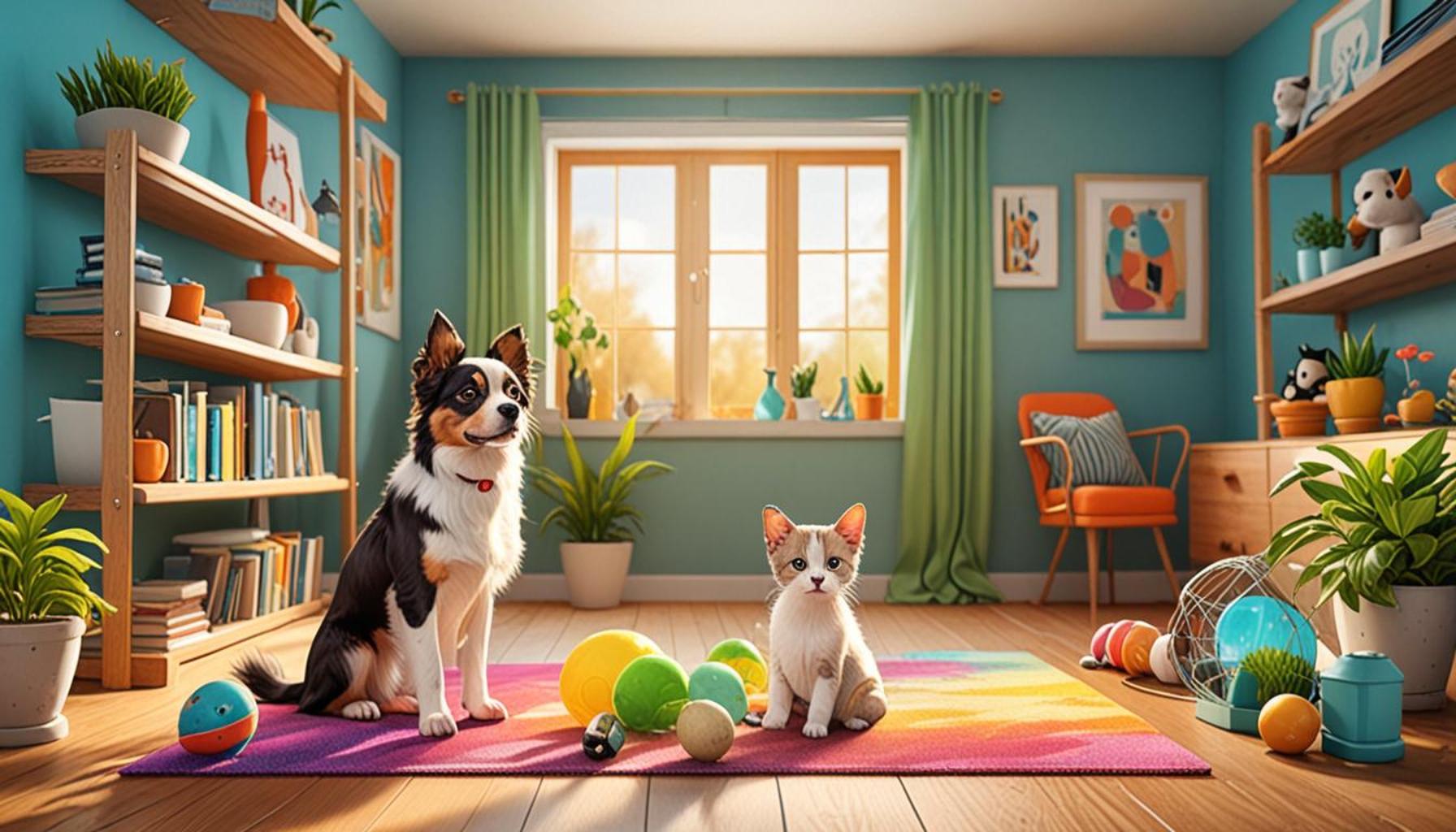
- Comfortable surfaces: Providing a welcoming area equipped with cozy bedding or mats makes it easier for your pet to relax during training breaks. If your pet feels comfortable, they are likely to be more engaged in their learning sessions.
Research supports that pets trained in familiar and comfortable surroundings tend to show enhanced focus and reduced stress levels. Tailoring your training space to suit your pet’s specific needs is essential. For instance, high-energy dogs thrive in larger open areas where they can move freely, while timid cats may prefer a cozy corner with low stimulating activities.
Elements such as lighting, layout, and even the scents can profoundly influence the efficacy of your training sessions. Consider incorporating:
- Natural light: Maximizing exposure to daylight can elevate mood and increase energy levels for both you and your pet. A well-lit environment is often more inviting and encourages active participation.
- Interactive toys: These tools not only serve as rewards but also stimulate mental engagement during training. Puzzle toys or treat dispensers can keep your pet intrigued and eager to learn new skills.
- Consistent routines: Regularly scheduled training sessions in the same environment help your pet acclimate to the training protocols. Establishing a clear routine creates predictability, making your pet feel secure and focused.
As we dive deeper into how to create a nurturing environment, it’s crucial to recognize that a well-designed training space fosters not only effective learning but also solidifies the bond between pet and owner. Investigating how elements like sound, community resources such as local pet trainers, and even weather conditions can affect your training environment can provide further insights. By paying attention to these factors, you can harness the transformative power of a thoughtfully curated training space and elevate your sessions to a new level of success.
DISCOVER MORE: Click here to learn about balanced nutrition for your pet
Understanding the Impact of Environment on Your Pet’s Training
When it comes to training your pet, the significance of the surrounding environment cannot be underestimated. Pets, much like humans, are influenced by their surroundings, which can either enhance or hinder their ability to learn. In exploring the role of environment in training, it’s crucial to recognize how various factors can be optimized to create a productive space for skill development and behavioral improvement.
One of the first considerations in designing a training environment is layout. The physical arrangement of your training space should encourage seamless movement and interaction. For instance, if you are working with a high-energy dog, allowing ample space for them to run and express themselves is essential. Alternatively, smaller pets such as cats or rabbits may require a more intimate setting where they feel secure. Establishing defined areas for different activities—such as play, training, and rest—can reinforce structure and clarity in their learning process.
Another pivotal aspect is the presence of sensory stimulation. Pets are highly responsive to their senses, particularly sight and smell. To effectively engage your pet during training, it is beneficial to introduce elements that cultivate curiosity and delight. For example:
- Varied textures: Incorporating different materials like rugs, mats, or grass can create a tactile experience. This can be particularly engaging for pets as they learn to associate different surfaces with specific training commands.
- Scents: Utilizing scent-based cues, whether through treats or essential oils designed specifically for pets, can enhance your pet’s ability to focus on tasks. Familiar and enjoyable scents create a positive association with the training space.
- Visual aids: Bright colors and playful designs can stimulate a pet’s interest in training. Colorful mats or banners can make the space visually appealing and inviting, encouraging pets to be more engaged.
The emotional aspect of the environment also plays a vital role in training success. Dogs, for instance, can sense their owner’s emotions. A calm and positive demeanor during training fosters an atmosphere of trust and safety. Providing a nurturing backdrop where pets feel free to make mistakes and learn from them without fear of reprimand is crucial for maintaining motivation and enthusiasm.
Furthermore, ensuring that your training environment is functional and equipped with necessary resources—like treats, toys, and training tools—can streamline the training process. Clutter or disorganization can lead to distractions, slowing down learning and reducing the effectiveness of the sessions. By keeping essentials within reach, you’re not only maximizing training efficiency but also demonstrating consistency in your approach.
In summary, understanding the multifaceted components that define your pet’s training environment empowers you to create an ideal space that fosters learning and collaboration. From layout to sensory input and emotional undertones, all these factors contribute to shaping your pet’s training experience, leading to more fruitful outcomes while solidifying the bond between you and your furry friend. As we delve deeper into how specific elements, such as sound and community resources, can affect training efficacy, you will be better equipped to harness the full potential of your pet’s environment.
When it comes to training your pet, the environment plays a pivotal role in shaping behavior and reinforcing positive habits. The space in which your pet is trained can greatly influence their focus, comfort, and overall learning experience. An environment that is conducive to training not only helps in minimizing distractions but also facilitates a smoother learning curve for your furry friend.
Typically, an ideal training environment consists of several key aspects that cater to the needs of the pet and the owner. Consistency is essential; having a dedicated training area that remains unchanged can enhance your pet’s familiarity and comfort. This sense of security allows them to concentrate better on the tasks at hand. Furthermore, the presence of familiar scents and sounds can further eliminate anxiety, making your pet more receptive to commands.
Another essential component is the setup of the training space. For example, incorporating interactive toys and training aids can stimulate your pet’s mind and promote engagement. Often, the presence of these items can encourage natural curiosity and foster a playful yet controlled training environment. This not only keeps your pet interested but also allows for structured play that aids in learning.
Natural light and open space should not be overlooked either, as they can help regulate mood and energy levels. Additionally, remember to ensure that the area is free from loud noises or unexpected interruptions, as these factors can hinder progress. Thus, creating an environment that is supportive and enriching will undoubtedly lead to a more effective and enjoyable training process.
| Environmental Factors | Impacts on Training |
|---|---|
| Consistent training space | Encourages familiarity and reduces anxiety |
| Interactive toys | Increases engagement and curiosity |
| Natural light | Regulates mood and energy levels |
| Minimal distractions | Enhances focus and learning |
Creating the ideal space for your pet is not just about aesthetics; it involves careful consideration of various elements that influence their learning. A well-thought-out environment can transform the training experience, leading to improved behavior and a stronger bond between you and your pet. So, invest time in crafting that perfect training zone, and you may be surprised by the positive outcomes it produces in your pet’s behavior and overall happiness.
DIVE DEEPER: Click here to learn more
Enhancing Training Efficacy Through Sound and Community Engagement
While the physical elements of your training space can significantly impact your pet’s learning, auditory factors also play an essential role. The way sound is perceived in an environment can either facilitate focus and engagement or lead to stress and distraction. For instance, loud or abrupt noises from traffic, loud music, or sudden commotions can interrupt training sessions and diminish a pet’s ability to concentrate.
To create an optimal auditory environment, consider the following strategies:
- Controlled noise levels: Try to train your pet during quieter times of the day. Early mornings or late afternoons may be ideal, especially in neighborhoods where children are at school or when fewer outdoor activities are underway.
- Background sounds: Soft, calming music can soothe pets and reduce anxiety during training sessions. Many studies have highlighted that classical music can lower heart rates in dogs, promoting a tranquil environment conducive to learning. Alternatively, sounds designed specifically for pets can create an inviting atmosphere.
- Sound desensitization: Gradually introducing your pet to various common sounds—like doorbells, vacuum cleaners, or thunder—within a controlled training context can help them become accustomed to these stimuli, making them more adaptable to real-world scenarios.
Engaging with community resources also enhances the environment your pet learns in. Local parks, training classes, and pet-friendly establishments offer diverse and stimulating settings. Training in varied locations can introduce your pet to new experiences—often including different sights, smells, and sounds—which are vital for broadening their comfort zone. Here are some effective ways to incorporate community elements into your training routine:
- Group classes: Joining a neighborhood pet training class not only exposes your pet to social interactions with other dogs or pets but also provides a controlled environment guided by professionals. Group settings encourage pets to learn behaviors through observation, camaraderie, and friendly competition.
- Field trips: Organize trips to pet-friendly stores, cafes, or parks. These outings can serve as practical, hands-on training opportunities for real-life situations. Taking your pet to a busy area can also help desensitize them to distractions and improve their social skills.
- Support networks: Connecting with fellow pet owners through local clubs or online communities can bolster your training efforts. This network shares insights, tips, and resources that can be invaluable in overcoming obstacles and achieving training goals.
Moreover, integrating consistency and routine within your training environment is integral to your pet’s success. Animals thrive on predictability—establishing a training schedule aids in building a structured learning experience. If the training occurs at the same time each day within the same location, pets can more easily grasp what is expected of them, leading to enhanced learning.
The evolving dynamics of your pet’s training space can significantly influence their experience, shaping their behavior and skills along the way. By thoughtfully evaluating auditory elements, leveraging community resources, and ensuring consistency, you are setting up an environment rich in support and opportunity. As you navigate this intricate web of influences, remember that your pet’s training journey is as much about the connection you cultivate with them as it is about the space you create.
DISCOVER MORE: Click here for insights on choosing the perfect shelter
Conclusion
In summation, the environment in which you train your pet plays a pivotal role in their overall learning experience. By considering factors such as noise levels, sensory stimuli, and community engagement, you can significantly enhance the effectiveness of training sessions. An environment that minimizes distractions and promotes calmness can not only enhance focus but also foster a stronger bond between you and your pet.
Moreover, incorporating opportunities for socialization through community resources—like group classes and outings—enriches your pet’s adaptability and confidence. The more varied the training environments, the better equipped your pet will be to handle the complexities of real-world situations. This journey is not just about commands and obedience; it’s also about cultivating resilience and social skills essential for a well-adjusted animal.
As you embark on this training odyssey, remember that consistency and routine are equally crucial. By establishing a predictable schedule, you enable your pet to thrive in an environment that promotes learning and reinforces desired behaviors. Ultimately, creating the ideal space for your pet is about being attuned to their needs and understanding how the various components of their surroundings interact with their learning processes.
As you explore and refine the spaces where you train, consider it an adventure—one that not only nurtures skills and behaviors but also deepens the meaningful connection you share with your pet. In this way, the environment becomes more than just a backdrop; it transforms into a vital partner in your pet’s education and growth.