
Effective Techniques for Training Cats to Use Litter Boxes
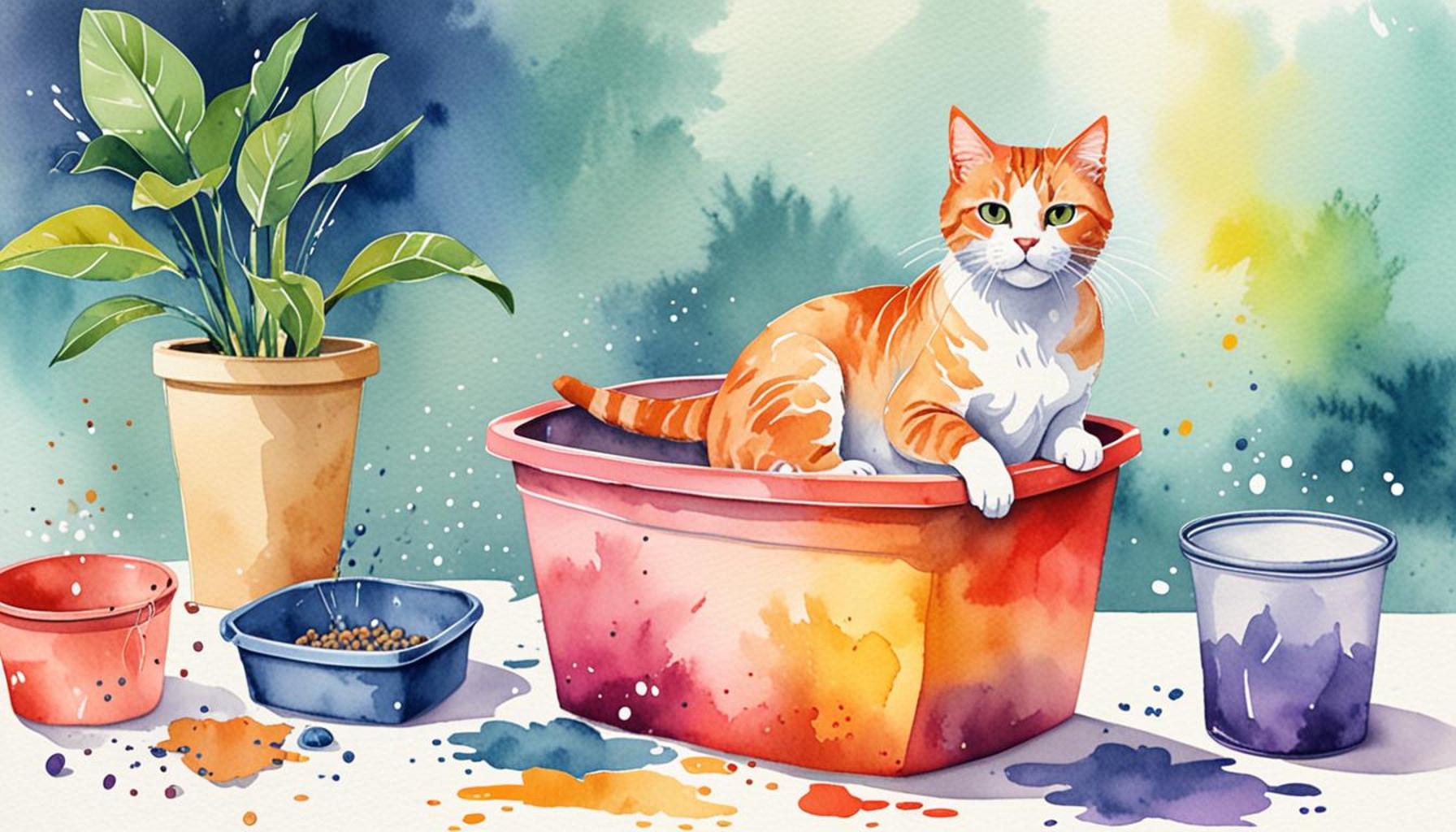
Understanding the Basics of Litter Box Training
Bringing a new cat into your home is an exciting experience filled with anticipation and joy. However, one of the initial hurdles many pet owners encounter is ensuring their new feline companion is comfortable and capable of using a litter box. While this may appear to be a daunting task, it can be a simple process when approached with the right techniques and an understanding of your cat’s instincts.
Creating a Welcoming Environment
The cornerstone of effective litter box training lies in understanding and respecting your cat’s natural behavior. Cats are instinctively inclined to bury their waste, making the litter box an ideal solution for them. Here are several effective techniques that can facilitate this transition:
- Location: Select a quiet, easily accessible area for the litter box. Cats prefer secluded spots where they feel safe from potential disturbances. A spare bathroom or laundry room can often serve as an ideal location, provided it’s far from their food and water bowls.
- Type of litter: Cats are particular about the texture and scent of their litter. Common options include clumping, non-clumping, and crystal litters. You might also find that some cats prefer unscented varieties. Experimenting with different types can help identify your cat’s preference, optimizing their experience.
- Positive reinforcement: Celebrate small victories when your cat uses the litter box correctly. Whether it’s a treat, gentle praise, or a bit of playtime, rewarding them reinforces good behavior and encourages them to continue using the box.
- Cleanliness: Frequently cleaning the litter box is crucial. Cats are fastidious creatures that may refuse to use a box that smells unpleasant or is filthy. Aim to scoop the litter daily and perform a complete change every week or two, depending on the litter type.
Recognizing Common Reluctance Factors
Understanding the reasons that might deter a cat from using the litter box can significantly aid in reinforcement strategies. Several factors can lead to litter box aversion:
- Unpleasant odors or messiness can contribute to a cat’s reluctance. Regular maintenance is vital to ensure that the box remains an inviting space.
- Location issues can also play a significant role; if the chosen spot makes the cat feel vulnerable or unsafe, they may avoid the box altogether. Cats often seek privacy; an open or high-traffic area might deter them.
- Health problems, including urinary tract infections or gastrointestinal issues, may also cause avoidance. If a cat consistently refuses to use the litter box, a visit to a veterinarian is advisable to rule out potential medical concerns.
Patience and Consistency are Key
As you guide your feline friend through the training process, patience and consistency will prove invaluable. Each cat is unique, and their adaptation speed can vary significantly. Some cats may take to the litter box immediately, while others may require additional time and encouragement. Providing a supportive environment where your cat feels secure and understood will not only ease the transition but also strengthen your bond with them.
With the right approach, your furry companion can become proficient in using the litter box, allowing for a cleaner, more enjoyable home environment. Embrace this journey, keep these tips in mind, and you’ll soon find yourself sharing your space with a well-trained, happy feline friend.
LEARN MORE: Click here for essential nutrition tips
Essential Steps for Successful Litter Box Training
Training your cat to use a litter box is not merely about introducing them to the box; it’s about cultivating a safe and engaging experience that resonates with their natural instincts. Understanding the intricacies of these feline behaviors can make all the difference in ensuring a smooth transition. By leveraging effective techniques tailored to your cat’s unique personality and preferences, you can create a positive environment that encourages regular litter box use. Here are some essential steps that can facilitate successful litter box training:
Choosing the Right Litter Box
The first step in litter box training is selecting a suitable container. While most pet stores offer a variety of options, remember that not all litter boxes are created equal. Here are some tips to help you choose:
- Size Matters: Ensure the litter box is large enough for your cat to move comfortably. For adult cats, a box that is at least 1.5 times the length of their body is generally appropriate. Kittens may require smaller options until they grow.
- Type of Box: Some cats prefer covered litter boxes that provide added privacy, while others may feel confined and anxious. Observe your cat’s behavior to determine which type they prefer.
- Entry and Exit: For kittens or older cats with mobility issues, consider a box with low sides for easier access. This will help prevent any frustrations that may arise from entering or exiting the box.
Understanding Litter Preferences
Beyond the box itself, the type of litter also plays a crucial role in your cat’s willingness to engage. Cats can be quite finicky about the litter they use. Here are some considerations to keep in mind:
- Texture: Many cats are selective about litter texture, with some preferring clumping clay while others favor natural or crystal litter. It’s beneficial to experiment with different options to see what your cat enjoys most.
- Odor Control: While some litters come with fragrances designed to mask odors, many cats prefer unscented varieties. Choosing a natural or low-odor option can reduce the likelihood of deterring your cat from using the box.
- Transitioning Litter: If you need to switch litters, do so gradually. Mixing the old with the new litter can help ease this transition and make your cat feel more secure.
Establishing a Routine
Just like people, cats thrive on routine. Establishing a consistent schedule for feeding and litter box cleaning can create a sense of security for your furry friend. Here are some key points to consider:
- Regular Feeding Times: Consistent feeding schedules can stabilize your cat’s bathroom habits, making it easier for them to associate the litter box with bathroom breaks.
- Monitor Usage: Pay close attention to how frequently your cat uses the litter box. A sudden change in behavior may signal a problem that needs addressing.
- Encouragement Without Pressure: If your cat seems hesitant or resistant, avoid forcing them into the box. Instead, encourage exploration with gentle nudges and rewards when they show interest.
By carefully choosing the right tools and establishing a positive, routine-based approach, you can significantly enhance your likelihood of successfully training your cat to use the litter box. The rewards of a well-trained feline companion extend beyond mere cleanliness; they foster a harmonious home environment and solidify the bond between you and your pet.
| Technique | Description |
|---|---|
| Positive Reinforcement | Using treats and praise when your cat uses the litter box builds a positive association. |
| Consistent Routine | Establishing a regular schedule of feeding and providing access to the litter box aids in predicting bathroom needs. |
| Litter Box Placement | Positioning the litter box in a quiet, accessible location encourages usage and reduces anxiety. |
| Type of Litter | Experimenting with different types of litter can highlight what your cat prefers, which can make all the difference. |
When effectively training cats to use litter boxes, it’s essential to select techniques that align with feline behavior. Utilizing positive reinforcement, consistently reinforcing good behavior with treats and praises, makes your cat more likely to associate the litter box with positive experiences. Additionally, establishing a consistent routine around feeding and bathroom access not only helps the owner anticipate the cat’s needs but also creates reliability in the cat’s schedule.Furthermore, the placement of the litter box is crucial; a peaceful environment that is easily accessible goes a long way in reducing your cat’s anxiety. Lastly, experimenting with different types of litter can lead to discovering the optimal choice that best suits your cat’s preferences, thus facilitating a smoother transition to using the litter box consistently. This comprehensive approach delivers a well-rounded strategy for successful litter training, enhancing the human-animal bond and ensuring a stress-free environment for both you and your feline friend.
LEARN MORE: Click here for essential nutrition tips
Creating a Positive Litter Box Environment
Once you’ve set the foundation with the right litter box and litter type, the next step to effective litter box training involves creating an inviting and positive litter box environment. The psychology behind your cat’s preference for their chosen bathroom spot can be quite intricate, but focusing on a few key areas can yield satisfying results.
Location, Location, Location
The placement of the litter box is just as crucial as the box itself. Cats are instinctively private animals; hence, a secluded yet accessible area is ideal. Here are some points to consider when determining the best location:
- Avoid High-Traffic Areas: The litter box should be set away from household noise, human foot traffic, and areas where other pets congregate. A quiet corner or a designated room can offer your cat a sense of security while doing their business.
- Stay Clear of Food and Water: Cats prefer not to eliminate near their eating or drinking spots. Ensure the litter box is situated a fair distance away, promoting an environment where your cat feels comfortable.
- Accessibility: Consider your cat’s age and health conditions when selecting the box location. For senior cats or those with mobility issues, ensure the chosen spot is easily reachable without obstacles.
Regular Cleaning Routine
Cleanliness is vital when it comes to litter box training. Cats have a strong sense of smell, and if the litter box is not maintained properly, they may refuse to use it. Understand these important cleanliness tips:
- Daily Scooping: Aim to scoop out any waste at least once a day. Regular removal of soiled litter can prevent odors and create a more inviting space for your cat.
- Complete Change: Change the litter completely every couple of weeks, washing the box thoroughly with mild soap and water. This ensures that lingering odors are eliminated and gives your cat a fresh start.
- Monitor Litter Depth: Cats typically prefer about two to three inches of litter. Too little can hinder their ability to bury their waste, while too much can be daunting. Maintain the right level for optimal comfort.
Positive Reinforcement Techniques
Encouragement through positive reinforcement can significantly enhance your cat’s litter box usage. Cats respond well to rewards, so consider the following strategies:
- Use Treats: If your cat uses the litter box successfully, reward them with their favorite treat immediately. This creates positive associations with the box, reinforcing the behavior.
- Vocal Praise: Cats often respond well to a soft and encouraging voice. Speak gently and enthusiastically to your cat when they approach or use the litter box.
- Playtime Rewards: Pair the successful use of the litter box with playtime or interactive games. Establishing a fun connection can encourage your cat to use their litter box happily.
By focusing on these aspects—placement, maintenance, and positive reinforcement—you can create an effective training regimen for your feline friend that promotes consistent litter box use. Your cat’s attitude towards their bathroom habits can be transformed, leading to a harmonious living space for both of you as your bond strengthens with these shared routines.
DISCOVER MORE: Click here to learn about balanced nutrition for your pet
Conclusion
Training your cat to use the litter box effectively is not just about choosing the right equipment; it encompasses a holistic approach that integrates environment, hygiene, and psychology. By understanding your cat’s natural behaviors and preferences, you can create a welcoming litter box experience that encourages consistent use. Placement is crucial—opt for a quiet, private area away from daily disruptions, and ensure it’s easily accessible for your feline friend. Regular maintenance, including daily scooping and complete litter changes, can foster an odor-free and appealing bathroom environment.
Furthermore, employing positive reinforcement techniques such as treats, verbal praise, and engaging play can transform your cat’s perception of their litter box from a mundane task to an enjoyable experience. This approach not only solidifies their good habits but also strengthens the bond you share.
As you implement these techniques, remain patient and observant. Every cat is unique, and learning their preferences will take time. Creating a successful litter box routine may require adjustments based on your pet’s reactions and preferences. Whether you are a first-time cat owner or a seasoned feline enthusiast, these insights into effective litter box training can alleviate stress for both you and your cat. Investing the time and energy in this training process not only supports your cat’s well-being but also cultivates a more harmonious household. For more tips and resources, consider exploring reputable cat care websites or consulting veterinary behavioral specialists.