Training Your Pet to Cope with New Environments: Strategies for Success
Understanding Pet Adaptation Challenges
When we navigate significant changes in our lives, such as moving to a new city or starting a new job, we often seek ways to adapt and cope. Pets, much like humans, can experience a range of emotions in response to changes in their environment. This emotional response can manifest as stress, anxiety, or even physical symptoms like loss of appetite or destructive behaviors. Therefore, as pet owners, it is crucial to consider how best to prepare our animal companions for new experiences.
One common scenario that many pet owners face is taking their beloved pets to the vet. For dogs and cats, the unfamiliar smells and sounds of a clinic can be daunting. To alleviate this fear, it’s beneficial to introduce your pet to the clinic environment through brief, pleasant visits that don’t involve procedures. Simply allowing your pet to explore the waiting area while offering gentle praise or treats can help build a positive association with future vet visits.
Another situation that can unsettle pets is moving to a new home. Here, socialization becomes key. Gradually exposing your pet to various aspects of the new environment—such as new furniture, different smells, or even diverse noises—can ease the transition. You can accomplish this by allowing them to explore one room at a time, reinforcing their bravery with treats and affection.
Effective Strategies for Training
In addition to socialization, employing positive reinforcement is another vital strategy. This technique involves rewarding your pet for exhibiting behaviors that are desirable in unfamiliar situations. For example, if your dog shows calmness amidst unfamiliar noises, rewarding them with their favorite treat can encourage them to continue this behavior in the future.
Consistency is crucial, and establishing a routine can provide a sense of security for your pet. Research indicates that animals thrive on routine, as it allows them to predict the sequence of events throughout their day. Try to keep feeding times, walks, and play sessions at the same time daily to enhance their comfort level.
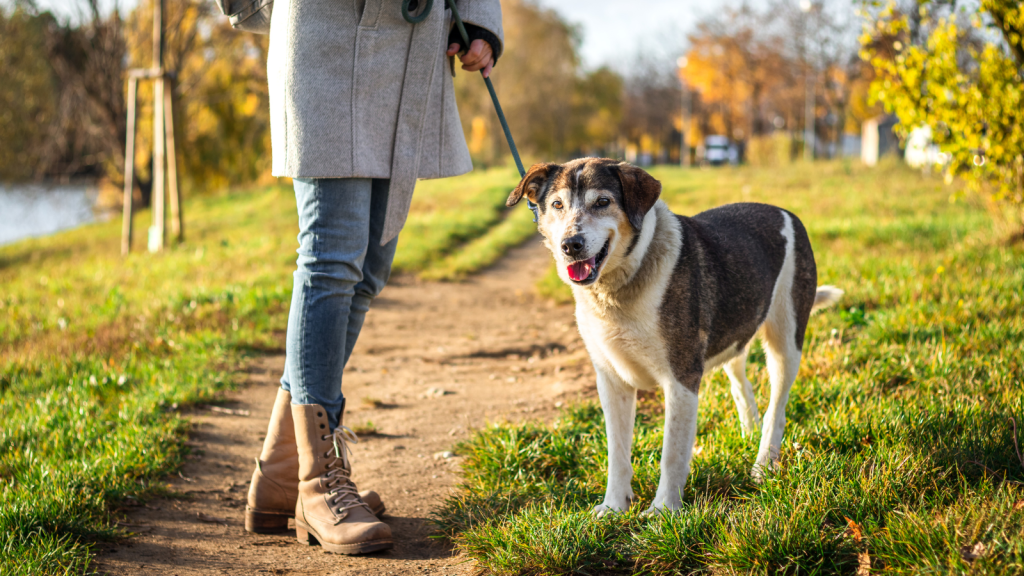
Lastly, implementing desensitization techniques can be invaluable. This means slowly introducing your pet to new sights, sounds, and experiences in a controlled manner to reduce their anxiety over time. For instance, if you’re preparing for a road trip, take your pet on short car rides to help them adjust to being in a vehicle without the stress of a longer journey.
The process of adapting to new environments is not just about survival; it’s an opportunity for growth and empowerment. By incorporating these strategies, you’re not only making your pet feel secure but also enhancing the bond between you. Remember, patience is paramount. Every pet is unique, and the journey to adaptation may vary; it’s important to tailor your approach to the individual needs of your furry friend.
As we continue exploring these strategies, prepare to uncover practical tips and everyday insights that can ease your pet’s transition into new environments. Understanding these aspects is not only beneficial for your pet but can also lead to a more harmonious household.
DISCOVER MORE: Click here for comprehensive pet adoption resources
Creating a Welcoming Environment
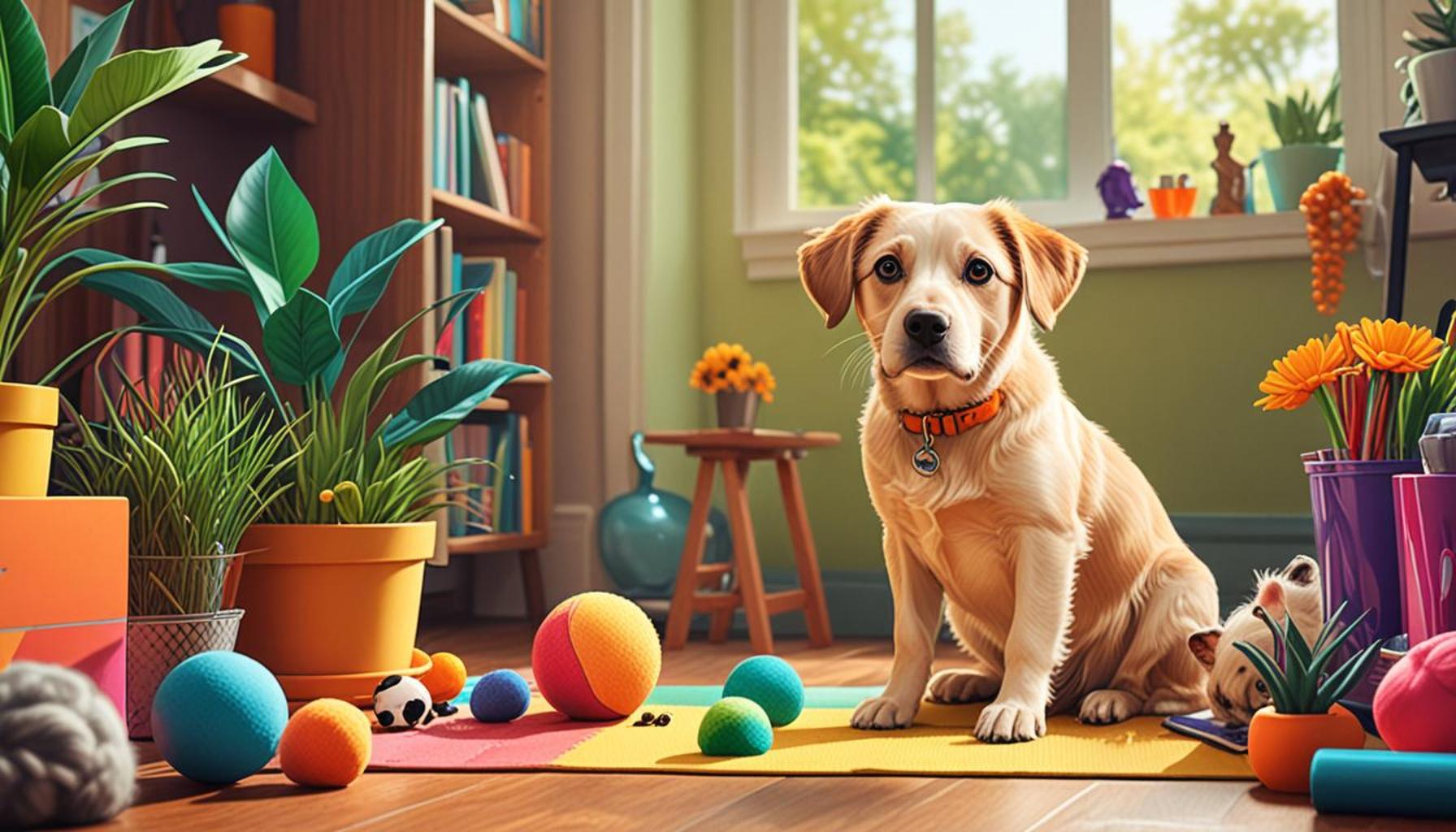
When it comes to helping your pet adjust to new surroundings, the very first step is ensuring that their environment feels safe and welcoming. Just as humans decorate and personalize their living spaces to create a sense of comfort, pets thrive in environments that are familiar and enjoyable. Begin by setting up a designated area or corner in your new home where your pet can retreat whenever they feel overwhelmed. Include their favorite blanket, toys, and any items that carry their scent to evoke familiarity and reassurance.
Moreover, incorporating elements that stimulate your pet’s curiosity can help them feel more at ease. For example, placing scratching posts for cats or puzzle toys for dogs can provide mental stimulation, shifting their focus from anxiety about the new environment to engaging activities. Creating a structured space, complete with food and water bowls, contribute significantly to your pet’s overall sense of security.
Socialization with New Neighbors and Pets
In parallel to creating a secure environment, initiating socialization exercises plays a crucial role in acclimating your pet to new social settings. It’s human nature to make connections with others, and pets are no different. When moving to a new neighborhood, make a point to introduce your pet to friendly neighbors and their animals. Here are some practical tips for socializing your pet:
- Participate in community events: Dog parks, pet-friendly exhibitions, or community festivals can be excellent opportunities for your pet to meet others.
- Schedule playdates: Arrange for a meet-and-greet with other local pets while ensuring it takes place in a neutral territory, minimizing territorial behavior.
- Engage with a local trainer: Opt for group training classes that not only teach obedience but also incorporate socialization tactics.
These interactions will not only enrich your pet’s life but will also help them develop essential social skills, making them more comfortable in unfamiliar environments. Positive experiences with other pets and humans can enhance their confidence and lessen fears associated with new surroundings.
Implementing Gradual Exposure Techniques
Another important approach to preparing your pet for unfamiliar situations is through gradual exposure. This technique encourages pet owners to introduce their companions to new experiences slowly, preventing potential overwhelm. Using baby steps—whether it’s a new room you want them to explore or a bustling street on a leash—allows your pet to acclimate at their own pace.
For example, when introducing your pet to the noisy sounds of a city, begin with listening to recordings of street sounds at a low volume. Gradually increase the volume while rewarding calm behavior with treats or praise. Over time, your pet will understand that new sounds do not pose a threat, empowering them with the skills they need to adjust effectively to their environment.
Ultimately, the journey of helping your pet cope with new environments is continuous and requires ongoing attention. By creating a welcoming atmosphere, fostering social interactions, and utilizing gradual exposure techniques, you set the foundation for a confident and adaptable pet. Take the time to observe how your pet responds to these strategies and adjust your approach as needed. Remember, each pet has its unique personality, and their adaptation will be a reflection of their individual needs.
| Category | Details |
|---|---|
| Preparation Techniques | Establishing a training routine and familiarizing pets with new environments. |
| Socialization | Encourages positive interactions with various people, places, and animals. |
| Environment Gradation | Gradually exposing pets to new environments reduces anxiety and builds confidence. |
| Positive Reinforcement | Using treats and praise to reward desirable behaviors encourages adaptability. |
Training your pet to adapt to new situations is an integral aspect of pet ownership. By utilizing preparation techniques, pet owners can create a structured routine for their pets. This familiarity plays a vital role in helping animals adjust to sudden changes in surroundings. In addition, socialization is crucial; pets that interact with different people and other animals tend to become more adaptable. Implementing an environment gradation strategy allows pets to face new experiences incrementally, a method proven to alleviate stress. Furthermore, employing positive reinforcement, by rewarding your pet with treats or affection, fosters desirable behaviors and aids their acclimatization to various environments. Exploring these strategies will pave the way for a more balanced relationship between pet and owner, enhancing the overall well-being of both.
DISCOVER MORE: Click here to learn how to create a safe space for your pet
Establishing a Routine and Consistency
One of the most effective strategies when training your pet to adapt to new environments is establishing a routine. Animals thrive on predictability, and by creating a consistent daily schedule, you provide your pet with a framework that fosters feelings of security. Begin by setting regular times for feeding, potty breaks, playtime, and walks to help your pet understand what to expect throughout the day.
For instance, if you plan walks at specific times, your dog will start to associate those moments with positive experiences, making them more eager to venture outside. Cats, on the other hand, benefit from their own routine; if you establish a consistent time for engaging in interactive play, it can not only keep them mentally stimulated but also build their confidence in new spaces.
In addition, consistency is key when it comes to commands and rules. Ensure that all family members are on the same page regarding the commands and behaviors you want to encourage or discourage. This uniformity helps to reinforce your pet’s understanding and fosters a sense of stability in their new environment.
Utilizing Positive Reinforcement Techniques
To encourage successful adaptations, employing positive reinforcement techniques is crucial. This strategy involves rewarding your pet for desired behaviors, which helps to instill a sense of accomplishment and satisfaction. For example, if your pet explores a new room or interacts positively with new people or pets, shower them with praise, treats, or playtime as a reward.
When teaching your pet to navigate unfamiliar spaces, make sure to celebrate even small victories. If your dog successfully greets a neighbor without fear, or if your cat is brave enough to explore a new corner of the house, acknowledging those moments can significantly bolster their confidence. Over time, positive reinforcement will encourage your pet to embrace new experiences more readily.
Creating Safe Zones for Exploration
As your pet begins to explore their new environment, creating designated safe zones can further aid their acclimation. These areas should be places where your pet can retreat if they feel overwhelmed. If you have a dog, consider using a crate or a specific room as their safe space, outfitted with their bed, toys, and safety blankets. For cats, elevated spaces like cat trees can offer a sense of security while allowing them to survey their environment from a comfortable height.
In addition to safe zones, orienting these areas with familiar items can help ease the transition. For instance, placing some of their toys or blankets in these spaces will ensure that your pet feels a sense of belonging. This tactic is especially effective in multi-pet households, as it gives pets their personal territory, reducing stress and territorial disputes.
Ultimately, the combination of establishing routines, employing positive reinforcement, and creating safe zones constitutes a robust strategy in helping your pet navigate unfamiliar environments. Each of these approaches works synergistically to build your pet’s confidence, thus enhancing their ability to embrace new challenges and experiences. Remember that adaptability is a learning process, and being attuned to your pet’s emotional responses will ensure that they feel supported throughout their journey.
DON’T MISS: Click here for essential pet dental care tips
Final Thoughts on Training Your Pet for New Environments
In conclusion, successful training for your pet to navigate new environments hinges on a combination of strategies designed to foster adaptability and security. By establishing consistent routines, you create a predictable framework that alleviates anxiety and builds confidence. The significance of consistency extends beyond schedules, affecting commands and behavioral expectations as well. When everyone in the household is on the same wavelength, pets feel more grounded in their surroundings.
The role of positive reinforcement in this journey cannot be overstated. Rewarding your pet for their bravery in facing new experiences transforms their perception of these challenges from daunting to enjoyable. Each small victory should be recognized, reinforcing the idea that exploration leads to positive outcomes. This approach nurtures not just their behavioral adaptation but also strengthens the bond between pet and owner.
Lastly, identifying and creating safe zones within your home can be a game changer. These spaces offer a getaway for your pet during overwhelming moments, allowing them to regroup and feel secure. Equipping these areas with familiar items establishes a sense of belonging, which is particularly crucial in multi-pet households.
As you implement these techniques, remember that each animal has its own unique pace of adjustment. Patience, understanding, and empathy are essential as you guide your pet through their acclimation process. Embrace the journey, as each step you take together fortifies their ability to thrive in various environments, paving the way for a happy and well-adjusted companion. For further exploration, consider consulting professional trainers or behaviorists who can provide tailored strategies for your specific pet’s needs.