How to Train Your Pet for Anxiety and Stress Management
Understanding Pet Anxiety
Many pets experience anxiety, which can manifest in various ways that may concern their owners. It’s important to be observant, as these signs can vary widely among different animals. Signs of anxiety in pets include:
- Excessive barking or meowing, often as a way for them to express discomfort or distress.
- Destructive behavior, such as chewing furniture or scratching doors, which can indicate an inability to cope with stress.
- Withdrawal or hiding, showing that your pet feels overwhelmed and seeks solace in isolation.
- Changes in eating habits, such as loss of appetite or overeating, reflecting their emotional state.
As a responsible pet owner, it’s crucial to recognize these signs and take actionable steps to address them. Training your furry friend is not just about obedience; it’s about promoting their mental well-being. A well-trained pet often exhibits lower anxiety levels, leading to a happier home environment.
The Impact of Anxiety on Pets
Pet anxiety can lead to severe behavioral problems and even health issues. For instance, a dog suffering from separation anxiety may not only cause chaos in your home but can also injure themselves trying to escape. Managing this stress is necessary for the happiness of both pet and owner. To effectively combat pet anxiety, consider the following:
- Understanding the root causes of anxiety can help develop effective training strategies. Whether it’s fear of loud noises, new environments, or separation, identifying triggers is essential.
- Implementing stress-relief techniques such as regular exercise, mental stimulation through puzzle toys, and establishing a calming routine can create a more peaceful environment.
- Using specialized tools or resources like anxiety wraps, calming collars, or even pheromone diffusers can facilitate better training outcomes and comfort for your pet.
In this article, we will explore some effective strategies to help your pet cope with anxiety and stress. These strategies may include behavior modification, engaging in interactive play, and providing safe spaces where your pet can retreat and feel secure. By incorporating these techniques, you can cultivate a healthier, more stable lifestyle for your beloved companion. Let’s dive into tailored methods that not only ease anxiety but also strengthen your bond with your pet.
In conclusion, understanding pet anxiety is not just beneficial for the pets themselves but can significantly enhance the overall harmony within a household. Being proactive in addressing your pet’s anxiety can lead to a joyful and fulfilling companionship for many years to come.
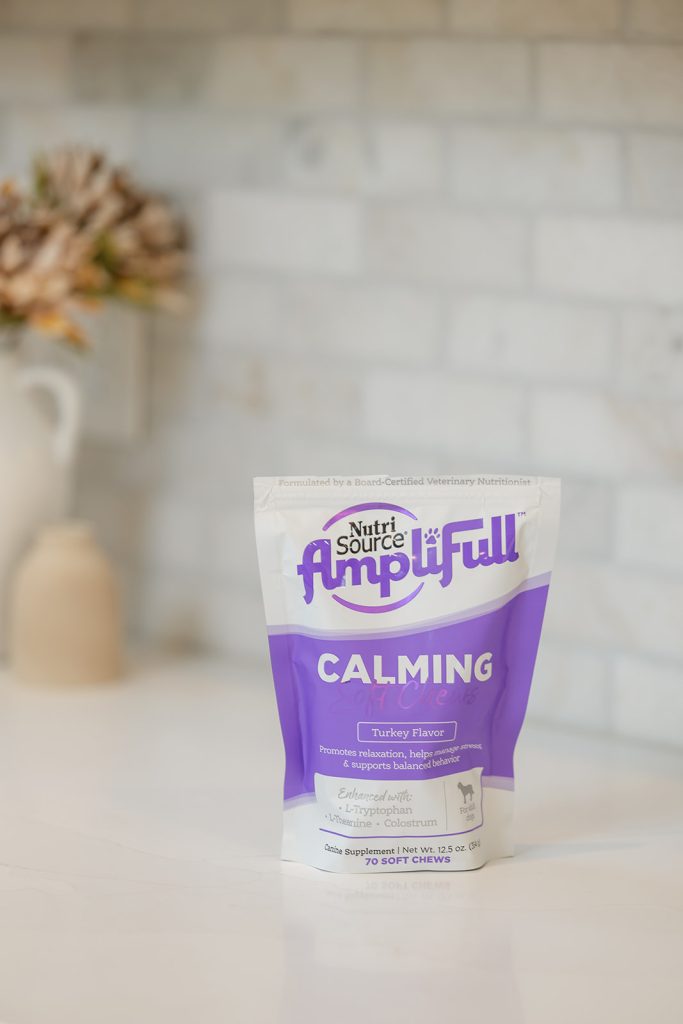
LEARN MORE: Click here for essential training tips
Effective Training Techniques for Anxiety Management
Training your pet to manage anxiety is a crucial step toward ensuring their emotional health, as well as the overall harmony in your home. Various effective techniques can help you foster a sense of safety and comfort for your furry friend, ultimately aiding in stress relief. Understanding that every pet is an individual and may respond differently to training methods is critical.
Positive Reinforcement
One of the most effective methods for training pets is positive reinforcement. This technique involves rewarding your pet for desired behaviors, helping them associate those behaviors with positive experiences. For instance, if your dog remains calm during a thunderstorm, offer them a treat or praise. Over time, your pet will learn that calm behavior can lead to enjoyable rewards. Key aspects of positive reinforcement include:
- Consistency: Make sure to use consistent commands and rewards, so your pet understands exactly what behaviors are being reinforced.
- Timing: Reward your pet immediately after the desired behavior occurs to establish a clear connection between the action and the reward.
- Variety: Use a variety of rewards, from treats to playtime, to keep your pet motivated and engaged in the process.
Desensitization Techniques
Desensitization is another useful strategy to help your pet cope with anxiety-triggering situations. This method involves gradually exposing your pet to the source of their anxiety in a controlled and safe manner. Here’s a structured approach to consider:
- Identify Triggers: Observe and identify what specifically causes stress for your pet, such as loud noises, unfamiliar people, or being left alone.
- Controlled Exposure: Introduce your pet to these triggers in low-stress situations, taking care to monitor their reactions and comfort levels.
- Gradual Increase: Gradually increase exposure until your pet becomes more comfortable and less reactive to the previously overwhelming stimulus.
Creating Safe Spaces
Providing your pet with a safe space can significantly reduce their anxiety. A designated area in your home, such as a cozy corner with their favorite bed or blankets, serves as a sanctuary where they can retreat when feeling stressed. Consider these tips for creating an ideal safe space:
- Location: Choose a quiet area away from high-traffic zones in your home.
- Comfort Items: Include favorite toys, blankets, or clothing that has your scent, which can be soothing for your pet.
- Environment Control: Keep the space dimly lit and free from startling noises, creating a calming atmosphere.
By implementing these training techniques, you can make a significant difference in your pet’s anxiety levels and overall well-being. Each step taken to help your pet cope with stress is an investment in your relationship and their happiness. In the following sections, we will delve deeper into other effective strategies and tools for managing pet anxiety, equipping you with comprehensive knowledge for a peaceful life together.
When it comes to effectively managing your pet’s anxiety and stress, applying the right techniques can make a significant difference. One of the most critical aspects of training is establishing a structured routine. Pets thrive on consistency, and a predictable schedule provides them with a sense of security. Regular feeding, exercising, and playtimes can help reduce anxiety by creating an environment where your pet feels safe and in control.
Additionally, utilizing positive reinforcement can yield remarkable results. Rewarding your pet for calm behavior reinforces their confidence and encourages them to repeat those actions. Simple rewards such as treats, praise, or extra playtime can motivate your furry friend to remain calm during stressful situations.
Moreover, consider incorporating calming techniques into your training regimen. This might include using anxiety wraps or calming sprays that contain natural herbs known for their soothing properties. These tools can serve as effective adjuncts to training, providing your pet with immediate comfort and support.
Socialization is another essential element in mitigating anxiety. Gradually exposing your pet to various environments, people, and other animals enables them to build resilience and adapt to new experiences. The key is to start slow; overwhelming your pet can do more harm than good. An incrementally increasing exposure to new stimuli will help in developing a well-adjusted and confident pet.
| Category 1 | Category 2 |
|---|---|
| Routine Establishment | Helps create a sense of security for pets |
| Positive Reinforcement | Encourages desired behaviors and builds confidence |
| Calming Techniques | Include tools like anxiety wraps and calming sprays |
| Socialization | Builds resilience and adaptability in pets |
Finally, monitoring your pet’s body language during training and exposure to new situations is vital. Signs of stress may include pacing, excessive barking, or hiding. By paying attention to these signals, you can adjust your approach as needed and ensure a positive learning experience for your pet. The journey of helping your furry friend manage anxiety is ongoing, but with patience and dedication, you can truly make a difference in their well-being.
DIVE DEEPER: Click here to discover effective training techniques
Additional Strategies to Alleviate Pet Anxiety
In addition to the previously mentioned training techniques, there are numerous strategies to further enhance your pet’s ability to handle anxiety and stress. Addressing your pet’s emotional needs through a mix of environmental changes, social interactions, and mental stimulation will create a more well-rounded approach to anxiety management. Below are several methods that can profoundly impact your pet’s emotional well-being.
Exercise and Physical Activity
Regular physical activity is vital for your pet’s mental and emotional health. Exercise releases endorphins, which can elevate mood and help alleviate anxiety symptoms. Depending on your pet’s breed and energy level, consider the following exercise routines:
- Daily Walks: For dogs, regular walks not only provide physical stimulation but also expose them to different environments, which can help them build confidence.
- Interactive Play: Engage your pet in interactive games such as fetch, tug-of-war, or chase to promote bonding and relieve stress.
- Dog Parks: Allowing your dog to socialize with other pets can improve their social skills and reduce fear-based behaviors. However, always ensure that the park provides a safe and controlled environment.
Training Classes and Socialization
Joining a training class or group can significantly benefit your pet’s anxiety levels. Not only does it provide valuable socialization opportunities, but your pet will also learn essential skills in a positive environment. Keep these points in mind:
- Positive Group Dynamics: Find classes that focus on positive reinforcement and are taught by experienced trainers. The support from a group can also ease any anxiety your pet experiences.
- Puppy Socialization: If you have a young dog, enrolling in a puppy class can be particularly beneficial, as it helps them gain exposure to various sights, sounds, and smells in a friendly atmosphere.
- Ongoing Training: Continually offering training exercises and challenges improves your pet’s mental stimulation and reinforces their bond with you.
Use of Calming Products
Incorporating calming products into your pet’s routine can also aid in reducing anxiety. The market offers a wide range of products designed to help pets cope with stress, including:
- Calming Treats: Often containing natural ingredients like chamomile or valerian root, these treats can promote relaxation when given before triggering events.
- Thundershirts or Anxiety Vests: These specially designed garments apply gentle pressure to your pet’s body, providing a sense of security similar to swaddling an infant.
- Diffusers and Sprays: Products containing pheromones or essential oils can create a calming atmosphere. For example, diffuser plugins designed specifically for dogs can help soothe their nerves during stressful situations.
All these additional strategies serve to create a supportive environment for your pet, reinforcing their confidence and decreasing their anxiety over time. Every pet is unique, and it may take some experimentation to find the right combination of techniques and products that work best for your furry friend. The path to a calmer pet is often a collaborative journey, involving patience and understanding from you, the pet owner.
DISCOVER MORE: Click here to find your perfect feline friend!
Conclusion
In summary, effectively managing your pet’s anxiety and stress requires a multifaceted approach tailored to their individual needs. From consistent training techniques to incorporating exercise, socialization, and various calming products, each strategy plays a vital role in building your pet’s confidence and resilience. Understanding that anxiety in pets can stem from various triggers—be it environmental changes, separation, or loud noises—allows you to create a supportive atmosphere filled with patience and empathy.
The journey to a calmer and more balanced pet isn’t a quick fix; it’s a process that includes ongoing observation, responsiveness, and adaptation of different methods. While you may find one or two techniques particularly effective, combining several strategies often yields the best results. Engaging in regular activities, such as training classes or collaborative play, not only enhances your pet’s skills but also strengthens your bond, creating a safe space where they feel secure.
Finally, don’t hesitate to reach out to professionals, such as veterinarians or animal behaviorists, for guidance tailored to your pet’s specific needs. By continually exploring resources and being attentive to your pet’s unique personality, you can lead them towards a calmer life filled with joy and confidence. Remember, an anxiety-free pet is a happy pet, and the effort you invest today will pay off in the long term for both of you.