How to Train Your Pet for Safe Interactions with Children
Creating Harmonious Spaces
In a nation where over 67% of American households proudly include a pet, fostering a safe and joyful environment for both children and furry companions becomes increasingly paramount. It’s essential to recognize that while pets bring immeasurable joy and companionship, their interactions with children must be managed meticulously. By training pets to respond positively to the presence of kids, families can enhance the quality of their cohabitation.
Why Training Matters
Unfortunately, the excitement of bringing a new pet into the home can sometimes overshadow the importance of proper training. This initiative goes beyond mere obedience and delves into creating a balanced atmosphere where all members of the family—two-legged and four-legged alike—thrive. Here are several compelling reasons why effective training is vital:
- Safety First: Engaging in training significantly reduces the risk of bites or scratches, which is crucial when young children are involved. In fact, the American Veterinary Medical Association states that approximately 4.5 million dog bites occur each year, underscoring the importance of instilling the right behaviors in our pets.
- Social Skills: Well-trained pets learn appropriate ways to interact, recognizing the boundaries that help them coexist harmoniously with children. This not only fosters enjoyment but also nurtures the pet’s sociability with other household members and visitors. For example, teaching a dog to respond to commands like “sit” or “stay” can prevent them from jumping on or startling a young child.
- Peace of Mind: When pets are well-trained, parents can relax while their children play, knowing that both parties are safe. Parents are empowered to supervise interactions with less anxiety, which enriches the overall family experience and builds stronger relationships.
Basic Training Techniques
Implementing effective training techniques paves the way for constructive interactions between pets and children. Here are some foundational methods that can be beneficial:
- Praise and Reward: Positive reinforcement is a powerful tool in shaping behavior. By rewarding your pet with treats or affection when they display good behavior around children, you encourage them to repeat those actions. This method builds a strong bond based on trust and love.
- Desensitization: Gradual exposure to children and their characteristic behaviors—loud noises, sudden movements, and playful antics—can help pets become more comfortable and less reactive. For instance, you might start by allowing your pet to observe children from a distance before gradually decreasing that space as their comfort grows.
- Controlled Introductions: It’s crucial to supervise initial meetings between pets and children. This allows you to establish boundaries while monitoring reactions. Start with short, controlled encounters, rewarding your pet for calm behavior. Over time, as trust builds, you can increase the duration of these interactions.
In summary, by providing your pet with the tools they need to interact safely with children, you create an environment rich with love and understanding. Dive deep into these training methods and watch as they transform your household into a haven of joyful coexistence, ensuring that both pets and kids can play, explore, and grow together in harmony.
DISCOVER MORE: Click here to learn about effective positive reinforcement
Understanding Your Pet’s Behavior
To create a safe and enjoyable environment for both pets and children, it’s essential to delve into the intricacies of your pet’s behavior. Just as human children have unique personalities and temperaments, pets also exhibit distinct behavioral traits that influence their interactions. These traits can provide valuable insights into how to effectively manage these interactions, ensuring comfort for the pet and safety for the child.
Recognizing Body Language
Being attuned to your pet’s body language is fundamental in preventing miscommunication and fostering positive interactions. Each movement or posture conveys significant information about your pet’s emotional state. For example, a dog’s tail wagging often signals joy or eagerness, but it’s important to note the context—if the wagging is slow and low, it may indicate insecurity or submission. Conversely, if the tail is held high and wagging quickly, it reflects excitement.
The facial expression of your pet is equally telling. A relaxed dog will have a loose body posture, an open mouth, and soft eyes. In contrast, if you observe a dog with bared teeth, a tucked tail, and fixed eyes, these signs are warning signals of aggression or fear. For feline companions, a happy cat might knead their paws and purr, whereas an agitated cat may swat or hiss. Understanding these signals allows guardians to assess their pet’s readiness to engage with children safely.
Common Misbehavior Triggers
Misbehavior in pets often stems from identifiable triggers. Recognizing these triggers helps preemptively address potential issues. Consider the following common triggers that can incite undesirable behaviors during interactions between pets and children:
- Noise Sensitivity: Pets such as dogs can be particularly vulnerable to loud noises or chaotic environments. As children tend to be energetic and expressive, the sudden outbursts of sound may overwhelm some pets. To ease this transition, one can slowly acclimate their pet to these environments through positive experiences, reinforcing calm behavior.
- Resource Guarding: Some pets may exhibit protective behaviors over their food, toys, or resting areas. It’s critical to educate children about respecting these boundaries. Teaching children to not approach a pet during mealtime or while they are engaged with their favorite toy can prevent unintended confrontations and elevate safety.
- Overstimulation: The enthusiastic energy of children can occasionally overwhelm pets. Sudden movements or excessive attention may cause a pet to feel anxious or agitated. Creating safe spaces where pets can retreat when they feel overstimulated helps foster a more peaceful cohabitation.
Setting Realistic Expectations
When embarking on the journey of pet training, it’s essential for families to establish realistic expectations. Each animal learns at their own pace, depending on various factors such as breed, age, and previous experiences. While some dogs may swiftly grasp training exercises, a more anxious pet, like a rescue animal, might take longer to acclimate.
Utilizing consistent practice, employing positive reinforcement, and maintaining clear communication will facilitate gradual progress. Recognizing and celebrating small victories in this process can increase motivation and strengthen the bond between your pet and family.
Investing time into understanding your pet’s behavior equips you with the tools to build meaningful relationships. Such understanding does not only enhance training efficacy but also contributes to safe, joyous interactions with children. Creating a nurturing environment where pets and kids can thrive harmoniously ultimately leads to an enriched household filled with love, laughter, and companionship.
Understanding the Basics of Training
When it comes to training your pet for safe interactions with children, it’s essential to start with the *basics of obedience training*. Teaching your pet fundamental commands such as “sit,” “stay,” and “down” can create a solid foundation for a safe environment. These commands not only foster good behavior but also help you manage your pet’s actions around children, ensuring compliance at a moment’s notice.Another vital aspect is *socialization*. Introducing your pet to children gradually and in a controlled manner will help them develop a comfort level with different noises and movements common to childhood play. This can significantly reduce the likelihood of anxious or aggressive responses, creating a harmonious relationship between your pet and the little ones.
Using Positive Reinforcement
Training your pet requires patience and persistence; therefore, using *positive reinforcement techniques* is crucial. Rewarding your pet with treats or praise for good behavior when they interact gently with children encourages them to repeat such actions. This method not only builds trust between you and your pet but also reinforces the behavior you want to see, laying the groundwork for safe interactions.It’s equally important to involve your kids in this process. Teaching children how to interact with pets gently and calmly will promote *positive behavior in both parties*. Show them how to approach your pet, signal the animal to sit, and provide treats. This educative approach fosters respect and understanding, ensuring that both children and pets feel secure during interactions.
Recognizing Your Pet’s Body Language
Understanding your pet’s body language is a pivotal part of fostering safe interactions. Watch for signs of discomfort or stress, such as raised fur, yelping, or retreating. Educate your children to recognize these signals and explain why it’s important to give the pet space in such situations. Creating a safe zone for your pet, a place where they can retreat and relax, is valuable. Explain to your children that pets, much like people, need their personal space, especially when feeling overwhelmed.
Regular Training Sessions
Incorporating short, regular training sessions into your routine can enhance your pet’s behavior significantly. Engaging in 5 to 10-minute training activities multiple times a week can make a huge difference. Use a combination of commands and socialization practice to keep training fun and interesting while ensuring your pet understands their role in household interactions.By focusing on these elements, you’ll help your furry friend become a safe and beloved companion for your children, paving the way for joyful interactions across ages. As you progress, always keep your focus on enhancing both your pet’s and your children’s understanding of one another, ensuring a lasting bond that’s rooted in safety and love.
| Category | Description |
|---|---|
| Obedience Training | Establishes key commands for safety and control. |
| Socialization | Gradually introduces your pet to children. |
| Positive Reinforcement | Encourages good behavior through rewards. |
| Body Language | Teaches recognition of your pet’s signals. |
DISCOVER MORE: Click here for insights on choosing a pet adoption shelter
Effective Training Techniques for Children and Pets
Once you’ve gathered insights into your pet’s behavior, it’s time to employ effective training techniques that will enhance their interactions with children. Training your pet goes beyond basic commands; it involves instilling behaviors that foster a safe and amicable environment. Here are some approaches that can effectively bridge the gap between pets and children:
Positive Reinforcement Training
Using positive reinforcement as a fundamental training method encourages desired behaviors through rewards. Whether using treats, praise, or playtime, this technique helps pets associate positive outcomes with good behavior around children. For instance, if your dog calmly interacts with a child, reward them immediately with a treat or affection. This strategy not only nurtures your pet’s social skills but also builds their confidence.
Incorporating children into the training process can also be beneficial. Teach them to provide the rewards, allowing them to participate in your pet’s training and helping your pet to associate children with positive experiences. This joint effort not only strengthens the bond between the pet and child but enhances the child’s sense of responsibility and empathy.
Teaching Gentle Interaction
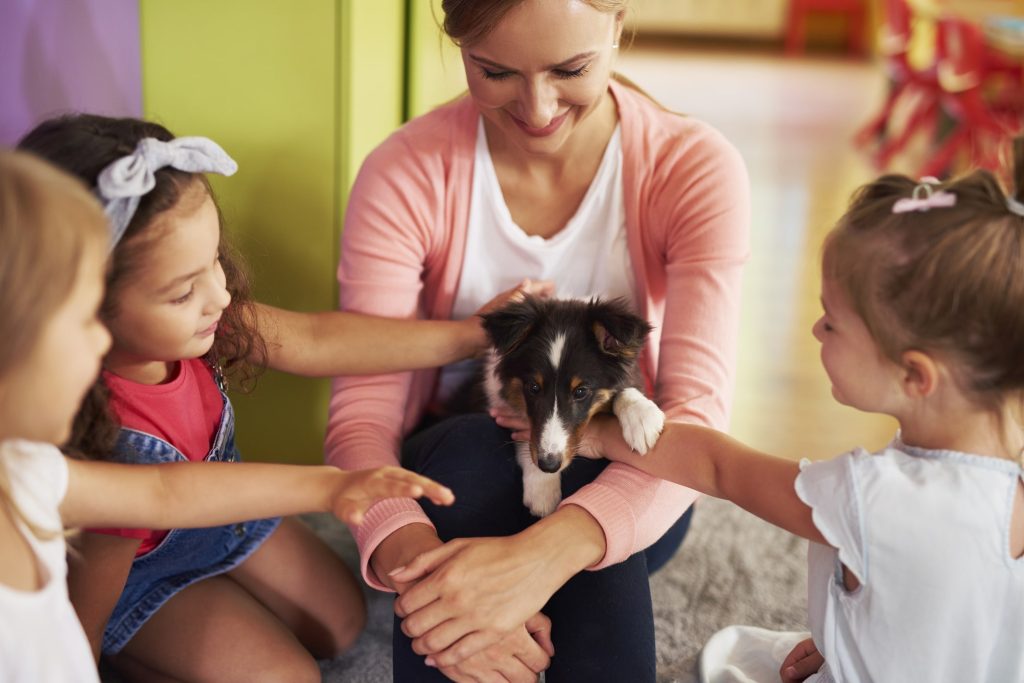
It’s crucial to guide children on how to interact with pets gently. Children often express their excitement through exuberant gestures, which can be misconstrued by animals as threatening. Educating kids to use soft voices, gentle petting, and calm movements can significantly minimize stress for pets. Teach children to approach pets with an outstretched hand, allowing the animal to initiate contact, which cultivates a sense of safety for all involved.
Create role-playing scenarios where children practice what they’ve learned. For example, they can pretend to be interacting with a stuffed animal, demonstrating how to touch, hold, and talk to pets calmly. This practice allows children to internalize safe interaction methods, greatly enhancing real-life experiences with your pet.
Establishing Boundaries
Teaching your pet boundaries is essential for promoting safe interactions. Basic commands such as “sit,” “stay,” and “leave it” are not only crucial for obedience but also for instilling behavioral limits. Having your pet respond to these commands when children are around will create a predictable environment where both the pet and the child feel secure.
Integrating structured playtime can also help in establishing boundaries. Engage children in supervised games that allow pets to showcase their training, such as fetch or hide-and-seek, where they respond to commands while enjoying themselves. This not only reinforces your pet’s learning but also provides opportunities for children to witness proper behavior and respect for the pet’s space.
Creating a Safe Space
In a bustling household with children, it’s imperative to create a safe space for pets. Designate an area where your pet can retreat when they need a break. This space should contain their bed, toys, and essentials, allowing them to feel secure amidst the activity. Teach children to respect this space, explaining its importance to their pet’s well-being. For added effectiveness, practicing the concept of ‘quiet time’ can help both children and pets to wind down after thrilling interactions, promoting a calming routine.
In addition, if your pet shows signs of distress in high-energy or chaotic environments, consider using calming products such as anxiety wraps, pheromone diffusers, or soothing music designed for pets. These measures can help mitigate their anxiety during interactions, fostering a more harmonious coexistence with children.
By implementing effective training techniques, you foster a respectful relationship between pets and children that can thrive on mutual understanding. With patience and persistence, both children and pets can learn to navigate their interactions safely and joyfully, enriching household dynamics.
DISCOVER MORE: Click here for effective puppy training techniques
Conclusion
In summary, training your pet for safe interactions with children is a vital responsibility that promotes a harmonious environment for both. By employing positive reinforcement techniques, establishing clear boundaries, and teaching gentle interaction methods, you significantly pave the way for a safe coexistence. Educating children on how to properly engage with pets fosters empathy and respect, ensuring that they learn to appreciate the nuances of animal behavior.
Moreover, creating a dedicated safe space for your pet not only helps reduce anxiety but also allows them a retreat when the excitement becomes overwhelming. Regular supervised playtime solidifies the skills your pet acquires during training sessions, enhancing their ability to respond to commands and interact positively with the little ones in their life.
As families in the United States embrace the reality of shared households, it becomes increasingly important to cultivate an atmosphere of understanding and respect between pets and children. By investing time and effort into training, both pets and children can enjoy enriching relationships that contribute to their overall emotional and social development.
Thus, if you haven’t begun your training journey yet, now is the perfect time to take those first steps. Remember, with patience, consistency, and a touch of love, you can create an environment where safe and joyful interactions flourish, ensuring a brighter future for both your pets and children. Explore more resources and programs available in your area to further enhance these invaluable skills and insights.