Cat Breeds with Unusual Colors and Patterns
Exploring Unique Feline Features
For cat enthusiasts, one of the most enjoyable aspects of feline companionship is the striking variety of colors and patterns that different breeds exhibit. Beyond the basic definitions of color and coat, certain breeds stand out with distinctive hues and markings that not only capture the imagination but also tell a unique story about their genetics and breed history. From the flamboyant and festive calicos to the mysterious and elegant pointed patterns, every cat embodies individuality in the most artistic of ways.
Among the standout breeds, the following truly highlight the diversity within the feline spectrum:
- Sphynx: Renowned for their hairless state, Sphynx cats showcase a spectrum of skin tones that range from pale peach to deep chocolate brown. Some even sport intriguing spots, reminiscent of high fashion runway models with unique patterns adorning their skin. Their lack of fur brings the focus to their expressive faces and many believe their warm, soft skin is a delight to pet.
- Bengal: With their enchanting marbled or rosetted coats, Bengals not only bear resemblance to wild leopards but also carry an air of wild elegance. Their fur, which can shimmer in the sunlight, is one of their most striking features. This breed’s exotic look is amplified by a personality that often reflects its energetic and playful nature, making them not only beautiful to behold but fun companions as well.
- Oriental Shorthair: With an impressive palette of over 300 color variations, Oriental Shorthairs stand out for their vivid hues and striking patterns. From eye-catching tabby to solid shades, each cat showcases a different artistic expression. Their slim build and large ears accentuate their unique appearance, and they are often characterized by their vocal and social personalities, forming close bonds with their humans.
- British Shorthair: Best known for their plush, dense coats, this breed is frequently associated with a classic blue shade, but they can also have rare colors such as lilac, cream, and cinnamon. Their round faces and stocky builds contribute to their charmingly stout appearance. British Shorthairs are renowned for their calm demeanor, making them ideal companions for families and individuals alike.
As we appreciate these extraordinary traits, it is equally important to understand the genetic factors that contribute to each breed’s unique coloring and patterns. This intricate web of genetics not only explains why certain markings occur but also emphasizes the rich heritage each breed carries. For example, the distinctive color-point pattern seen in Siamese cats is due to a temperature-sensitive gene, where the cooler areas of their body (like the ears and paws) become darker than the warmer areas (the body).
In delving deeper into this vibrant world of cat breeds with unusual colors and patterns, we uncover not only the visual appeal of these cats but also their delightful personalities that complement their striking looks. Each cat brings with it a tapestry of history, genetics, and character that adds to the ever-growing appreciation pet owners have for their feline companions. As you explore this exceptional variety, be prepared to be amazed by the characteristics, stories, and beauty encapsulated within this incredible spectrum of our feline friends.
LEARN MORE: Click here to learn about balanced nutrition for your pet
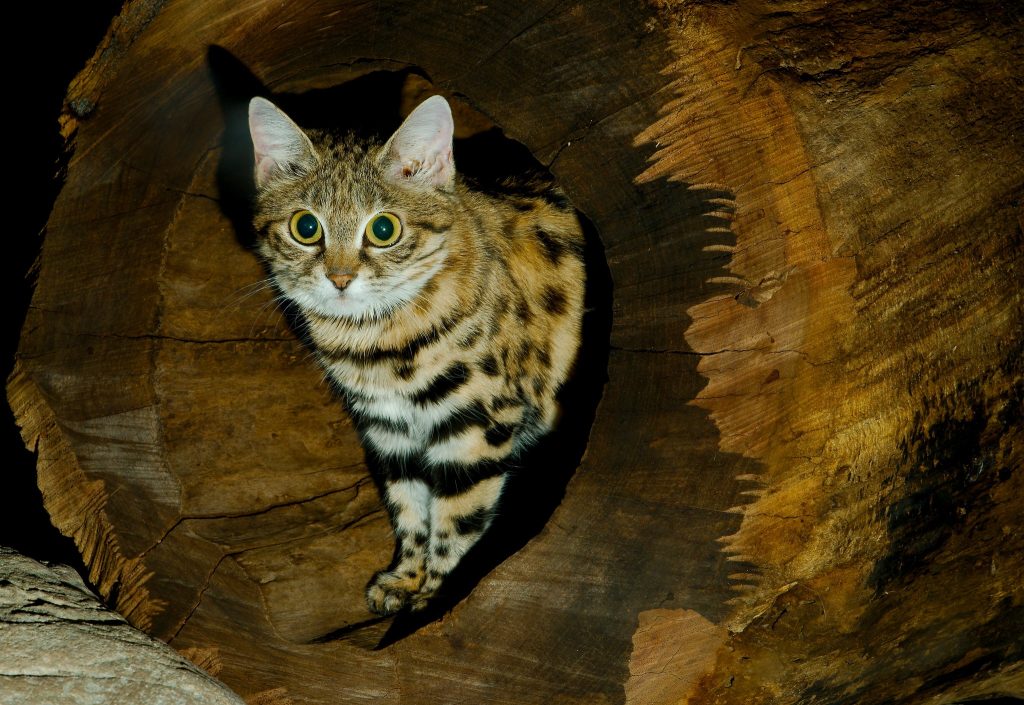
Intriguing Coats and Colors: A Closer Look
As we immerse ourselves in the captivating world of cat breeds with unusual colors and patterns, it becomes clear that these distinct features are not just aesthetic but also stem from complex biological and genetic factors. Each breed’s unique appearance can tell a story of its own, connecting us to their lineage and character. Let’s explore some of the most mesmerizing breeds that exemplify this fascinating diversity:
- Siamese: Known for their striking color-pointed pattern, Siamese cats have a pale body with darker extremities, including ears, face, paws, and tail. The stark contrast of colors, often seen in shades of cream and seal, draws cat lovers’ eyes immediately. This breed is not only visually stunning but also highly intelligent and vocal, often captivating their owners with their chatty nature.
- Scottish Fold: Easily recognized by their unique folded ears, Scottish Folds can also display a striking array of colors and patterns including solid, tabby, and even bi-color variations. Their adorable round faces and gentle expressions make them a favorite among cat lovers. The fascinating genetic mutation that causes their ear structure adds an extra layer of intrigue to their already charming appearance.
- Turkish Van: The Turkish Van is strikingly known for their distinctive color patterns, typically featuring a predominantly white coat with colored markings on their head and tail. Often referred to as the “swimming cat,” this breed not only has a unique aesthetic but also enjoys water—quite unusual for felines! Their playful and affectionate nature complements their unusual appearance.
- Exotic Shorthair: A close relative to the Persian breed, the Exotic Shorthair has a plush, dense coat with a round face and short muzzle. While they are often found in solid colors like blue or cream, they can also flaunt dazzling patterns such as tabby, tortoiseshell, and calico. Their gentle and laid-back temperament makes them a perfect match for families seeking a lovable companion.
Understanding the genetics behind these remarkable colors and patterns enriches our appreciation for these breeds. For instance, color combinations in cats are primarily determined by a series of complex genes. The presence of the agouti gene can influence coat patterns, while other genes dictate whether a cat will have solid, tabby, or spotted fur. This genetic interplay creates the broad spectrum of colors and patterns that we see in our beloved feline companions.
As we delve deeper into this vibrant tapestry of cat breeds, it becomes evident that each unusual color and pattern serves as a reminder of nature’s creativity and the diversity of life. The stories told through these cats not only celebrate their striking appearances but also their unique personalities that bring joy to countless homes throughout America and beyond.
| Category | Details |
|---|---|
| Kittens with Rare Patterns | Unique markings like marbling or spots add to their charm, making them perfect for cat lovers. |
| Color Variations | Colors such as lilac or cinnamon create an eye-catching appeal, elevating their attractiveness. |
| Breed Recognition | Certain breeds with unusual colors, like the British Shorthair, can also gain prestige in feline competitions, drawing more attention. |
Exploring these cat breeds with uncommon colors and patterns can offer profound insights into feline variety. For instance, the Sphynx cat, recognized for its hairless appearance, showcases a range of striking colors that can truly captivate hearts. Alternatively, the Oriental Shorthair flaunts a spectrum of hues, transcending traditional color boundaries and expanding the appeal for pet owners. With their distinctive aesthetics, such breeds often serve not just as pets, but as vibrant companions that bring a unique character to their households. The allure of their unusual appearances stimulates interest not just among potential pet owners but also within the breeding community, leading to an ever-growing appreciation for these extraordinary feline companions. As interest in such unique cats continues to burgeon, more resources and information are becoming available, enticing cat enthusiasts to learn about the various breeds with fascinating traits.
DISCOVER MORE: Click here to learn about valuable resources
More Unique Breeds: An Exploration of Exceptional Patterns
Expanding our exploration of cat breeds with unusual colors and patterns, we find that the diversity continues to thrill both enthusiasts and casual observers alike. From the striking colors of the Bengal to the delicate subtleties of the Ragdoll, each breed provides a distinctive visual experience, along with their own unique characteristics and temperaments.
- Bengal: Renowned for their wild appearance, Bengals feature a gorgeous coat that can resemble that of a leopard, complete with rosettes or marbled patterns. The intricate variations of their spots and stripes not only catch the eye but are also a product of their fascinating heritage, being descendants of the Asian leopard cat. These energetic and playful felines are known for their intelligence and are often eager to engage in interactive play, showcasing their dynamic personalities alongside their stunning looks.
- Ragdoll: The Ragdoll breed boasts large size and striking blue eyes, but it is their color-point and ‘high white’ patterns that are particularly enchanting. Most commonly seen in colors like seal, chocolate, and lilac, the Ragdoll’s long, soft fur adds to their appeal. Often described as gentle giants, these cats are affectionate and sociable, making them ideal companions for families and individuals seeking a peer cat that thrives on human interaction.
- American Shorthair: This versatile breed showcases an extensive range of colors and patterns, including classic tabby, silver spotted, and even calico. Their robust build and rounded faces give them a charming appearance, while their well-tempered nature means they adapt well to various living situations—from cramped apartments to spacious homes. The American Shorthair is not only visually appealing but also known for their hunting skills, making them effective rodent catchers.
- Japanese Bobtail: This breed is easily identifiable by its characteristic short tail that resembles a pom-pom. Japanese Bobtails come in a variety of colors and patterns, but their most famous is the mi-ke (pronounced “mee-keh”) pattern, which is a trio of white, black, and orange colors. These cats are culturally significant in Japan, symbolizing good luck and fortune, and embody playful and lively personalities that enjoy engaging with their families.
The diverse genetic backgrounds of these breeds add a layer of depth to their colors and patterns. For example, the presence of the white spotting gene can create piebald patterns, leading to unique looks among breeds. Advanced genetic studies have also indicated how specific genes can affect attributes such as coat texture, which varies not only in length but also in density and pattern. This intricate relationship between genetics and aesthetics constitutes an exciting realm of discovery for both cat lovers and researchers alike.
As we highlight these extraordinary breeds, it’s clear that each cat’s unique coloration and pattern reflect both a long-standing tradition of selective breeding and the natural diversity that exists in the feline world. Through understanding the science behind these visual marvels, we gain a richer appreciation of the role each breed plays in the vast tapestry of domestic cats, inviting us to love and cherish them all the more.
DON’T MISS: Click here to ensure your pet’s safety and comfort
Conclusion: The Kaleidoscope of Feline Beauty
The world of cat breeds with unusual colors and patterns provides a delightful exploration into the vibrant tapestry of feline diversity. From the bold and adventurous Bengal to the comforting presence of the affectionate Ragdoll, each breed not only showcases its unique aesthetic but also brings distinct personality traits and charm to its human companions. The American Shorthair with its adaptability and playful character brings joy to households, while the culturally rich Japanese Bobtail adds an element of good fortune, illustrating the links between color, culture, and companionship.
As we’ve seen, the intricate science of genetics plays a crucial role in producing these magnificent combinations of hues and patterns. Each cat’s extraordinary appearance is crafted through a combination of selective breeding and natural variation, inviting enthusiasts to appreciate the beauty of each individual feline. Understanding the genetics behind these stunning visual traits not only enriches our knowledge of these breeds but also encourages responsible breeding practices that respect the well-being of these companions.
Ultimately, whether you’re a cat lover drawn to the aesthetic appeal of these unique breeds or a potential owner considering the perfect feline addition to your life, this exploration into the realm of unusual colors and patterns serves as a reminder of the multifaceted charm of cats. Their unique appearances, coupled with their individual personalities, create connections that enrich our lives and highlight the remarkable diversity within the feline species. Embracing these beautiful traits allows us to foster a deeper appreciation for the feline companions who grace our homes and hearts.