Aquarium Fish Species and How to Set Up the Ideal Environment
Transforming Your Space with an Aquarium
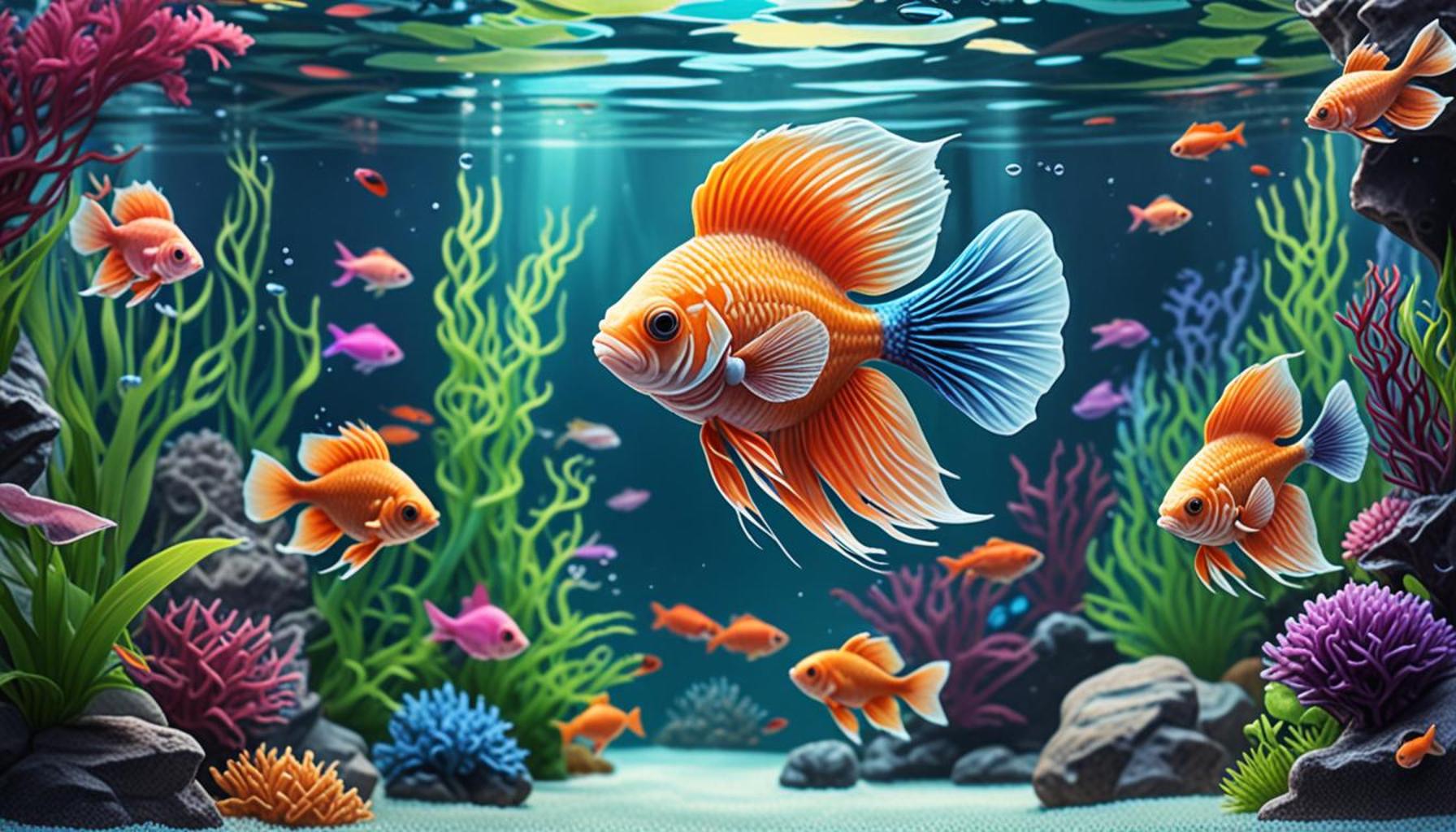
Creating an aquarium is more than just a hobby; it’s an artistic expression that adds tranquility and beauty to your home or office. A well-maintained aquarium provides a dynamic living art piece, fostering a sense of relaxation and connection to nature. However, embarking on this journey requires a comprehensive understanding of various aquarium fish species and their distinct care requirements.
Exploring Different Water Types
The initial decision in aquarium setup revolves around the type of water: freshwater or saltwater. Freshwater fish are often considered more suitable for beginners due to their relatively simplistic care requirements and robust adaptability. For instance, species such as Betta fish and neon tetras thrive in community tanks and are known for their vibrant colors. Conversely, saltwater fish, like the popular clownfish, often demand more precise water conditions and advanced filtration systems, which can be a challenge for novice aquarists.
Fish Size and Compatibility
When considering which fish to add to your aquarium, size matters significantly. Small fish, such as zebra danios or guppies, can comfortably inhabit smaller tanks and often coexist harmoniously with one another. However, larger species, like oscar fish, require spacious living environments due to their territorial nature and potential for aggression, necessitating the provision of at least a 55-gallon tank or larger for adequate swimming space.
Understanding Fish Temperament
The temperament of fish species is another crucial component in ensuring a peaceful aquarium environment. Peaceful fish species, such as neon tetras or cardinal tetras, can usually be combined within a community tank without issue. Yet, caution is necessary when introducing aggressive species like cichlids, which can resort to territorial disputes if not matched judiciously with compatible tank mates. Researching compatibility charts and understanding individual fish behaviors will enhance your aquarium experience.
Creating the Ideal Environment
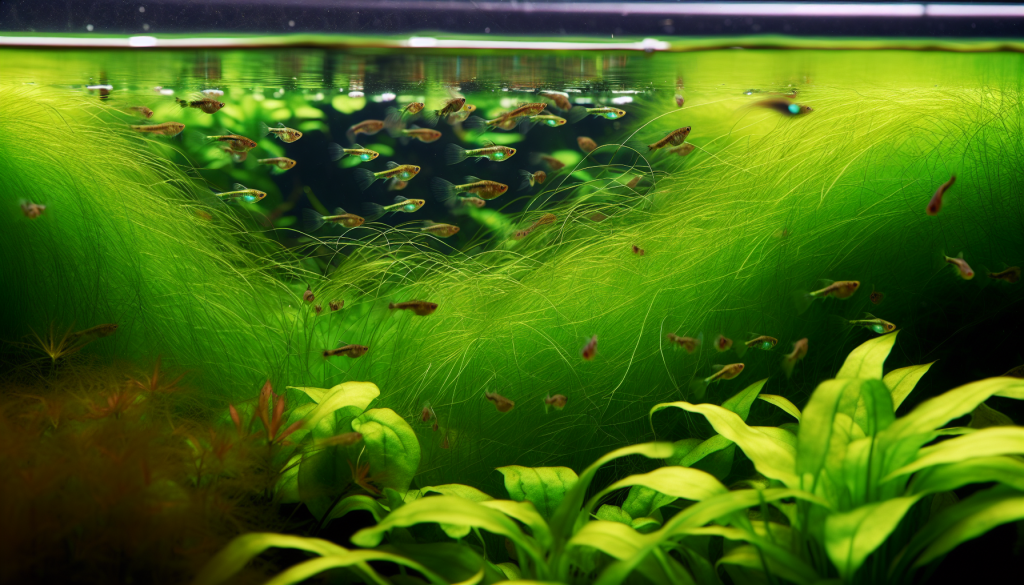
Establishing the perfect habitat is fundamental to the health and longevity of your fish. Water quality is paramount; maintaining a clean, well-filtered tank is essential, with regular testing for pH levels, ammonia, and nitrate concentrations to prevent toxic build-up. Aquascaping plays a vital role in mimicking natural habitats, utilizing a combination of plants, rocks, and substrates that reflect the geographic origins of your fish. For example, adding live plants not only beautifies the tank but also provides natural filtration and breeding grounds. Additionally, carefully monitoring and adjusting the tank temperature can replicate the ideal conditions required for different species—most tropical fish thrive best at temperatures between 74 and 78 degrees Fahrenheit.
Embracing Research and Discovery
As you prepare to launch your aquarium venture, immerse yourself in research. Online forums, local aquarium societies, and guides can offer invaluable insights, helping you to refine your fish selection and care strategies. Exploring the myriad of aquarium opportunities deepens your understanding and undeniably amplifies the joy of nurturing these aquatic wonders. Engaging with this vibrant community can turn a simple hobby into a lifelong passion, with countless stories and experiences waiting to be discovered.
DISCOVER: Click here to learn how to choose the perfect shelter for your pet
Choosing the Right Fish for Your Aquarium
When diving into the world of aquariums, selecting the right fish species is crucial to create a stunning display and ensure a harmonious ecosystem. With a vast array of options available, understanding the distinct needs of various species will lay the groundwork for a successful aquarium setup. Fish can be categorized based on factors such as size, temperament, and compatibility, all of which are essential considerations for novice and experienced aquarists alike.
Freshwater vs. Saltwater Species
The choice between freshwater and saltwater fish will significantly influence your aquarium setup. Freshwater fish are typically more forgiving and easier to care for, making them an ideal starting point for beginners. Some popular freshwater species include:
- Betta Fish: Known for their vibrant colors and unique fin shapes, Betta fish are solitary and do best in tanks that allow for a single male to avoid aggression.
- Neon Tetras: These diminutive fish are perfect for community tanks, thriving in schools of six or more, and are notable for their shimmering blue and red hue.
- Guppies: Hardy and easy to breed, guppies add color and movement to a tank, and they are suitable for a variety of tank conditions.
In contrast, saltwater fish provide breathtaking displays of color but often require more elaborate setups with precise salinity levels and filtration. Species such as cichlids and clownfish are popular, yet they may necessitate specialized environments and underwater habitats.
Assessing Tank Size and Space
Aquarium size is another critical factor that directly impacts fish selection. It is essential to provide adequate space for your fish to thrive. Considerations include:
- Small tanks (10-20 gallons): Ideal for small species like guppies and neon tetras. These tanks require careful monitoring, as the smaller volume of water can lead to quick changes in water quality.
- Medium tanks (20-55 gallons): Best for community setups that include a mix of small and medium-sized fish, like zebra danios and platies.
- Large tanks (55 gallons and above): Necessary for larger fish like Oscars or aggressive cichlids, which require more space to establish territories.
Understanding Nutritional Needs
Each fish species has unique dietary requirements, making it imperative to cater to their nutritional needs. Fresh and high-quality foods can significantly enhance the vibrant colors and health of your fish. Common feeding options include:
- Flake food: Typically designed for a variety of fish and can be easily administered.
- Pellets: Often more nutritious, these are ideal for species like cichlids, as they provide the right protein balance.
- Live or frozen foods: Such as brine shrimp and bloodworms, which are excellent for carnivorous species as they encourage natural hunting behavior.
By matching your aquarium’s environment with the fish you choose, you set the stage for a thriving underwater community. Understanding the nuances of each species not only amplifies the aesthetic appeal but also fosters a sustainable habitat where all inhabitants can flourish.
Aquarium Fish Species and Their Habitat Requirements
When setting up a thriving aquarium, understanding the specific needs of different fish species is crucial. Each species possesses unique characteristics and environmental requirements that must be met to ensure their health and happiness. Freshwater Species are often the best option for beginners. Popular choices like Betta fish, Guppies, and Tetras are not only colorful but also adapt well to various tank conditions. For instance, Betta fish, known for their vibrant colors and flowing fins, require a tank of at least 5 gallons with a warm temperature range of 76-82°F. Additionally, these fish thrive in a calm environment, so using a gentle filter is recommended to prevent stress.On the other hand, saltwater species such as Clownfish and Tang can offer a more vibrant and diverse aquarium experience. Saltwater tanks, however, require greater knowledge in terms of water chemistry and filtration. Clownfish specifically do well in pairs and benefit from a tank set up with live rock, which provides hiding spots and territories. Setting up the ideal environment involves more than just choosing the right fish; it requires careful consideration of tank size, substrate, plants, and filtration. Adding live plants not only enhances the aesthetics of the aquarium but also helps maintain water quality by absorbing excess nutrients.
Factors to Consider in Your Aquarium Setup
Establishing a balanced ecosystem is vital for the health of your fish. Here are some important factors to consider:1. Tank Size: Larger tanks provide more stable water parameters and space for schools of fish. 2. Filtration Systems: Proper filtration and aeration are crucial for maintaining a healthy habitat. Research different types of filters, like hang-on-back or canister filters, for the best results. 3. Water Parameters: Temperature, pH, hardness, and ammonia levels must be monitored regularly. Each species has specific requirements; hence, using a good water testing kit is advisable. 4. Aquascaping: The arrangement within the tank can create territories and shelter for the fish. Use rocks, wood, and plants to create a natural environment that mimics their wild habitats.By carefully considering the needs of each fish and setting up the aquarium accordingly, hobbyists can create a thriving aquatic ecosystem. Your journey into the world of aquarium fish species will not only enhance your living space but also offer a fascinating view into nature’s wonders. Understanding and implementing the right aquatic environment is the key to enjoying healthy and vibrant fish for years to come.
DISCOVER MORE: Click here for valuable adoption resources
Creating the Ideal Aquarium Environment
Once you’ve selected your fish species, the next step in establishing a thriving aquarium is to create an environment that mirrors their natural habitat. This involves careful planning of the tank layout, maintaining water quality, and providing appropriate temperature and lighting. Each of these factors plays a significant role in the well-being of your aquatic pets and can influence their behavior and health.
Water Quality and Filtration
One of the most critical aspects of fish care is ensuring optimal water quality. Ammonia, nitrite, and nitrate levels must be monitored closely, as toxic levels can lead to serious health issues for your fish. Regular water changes—approximately 25% of the tank’s volume every two weeks—help maintain a stable environment. Additionally, investing in a reliable filtration system is essential. Options include:
- Canister filters: Known for their efficiency and versatility, these filters can handle larger tanks and a variety of media types.
- Hang-on-back filters: These are ideal for smaller setups, providing an adequate level of filtration without taking up too much space.
- Sponge filters: Great for gentle filtration suitable for fry and sensitive species, these filters not only clean the water but also provide aeration.
Regular testing kits for pH levels, hardness, and chlorine content should be used to ensure your fish are in an optimal environment. The pH level, for instance, largely influences the behavior and health of your aquarium inhabitants, with most freshwater species thriving at a neutral pH of around 7.0.
Temperature Regulation
Temperature is another crucial factor for maintaining a healthy aquarium. Most tropical fish species require a stable temperature between 75°F and 82°F. Investing in a quality aquarium heater and thermometer will help you maintain this temperature. It’s also advisable to place the heater near a filter outlet to ensure even distribution of warm water throughout the tank. Always remember to acclimate your fish gradually when introducing them to the tank—this can involve floating the bag in the tank for an hour, gradually mixing in tank water.
Tank Decor and Natural Elements
Adding decorations, plants, and substrate will not only enhance the aesthetic of your aquarium but will also replicate the natural environments of your fish. Some important considerations include:
- Live plants: These provide hiding spots and areas for fish to explore while helping to oxygenate the water. Species like java fern and anubias are low-maintenance and cater to both freshwater and certain saltwater setups.
- Substrate: The choice of substrate can affect your fish and plant growth. Sand is ideal for some species, like catfish, while gravel works best for others.
- Hiding spots: Using caves, rocks, or driftwood will create territories and reduce stress, particularly for more territorial species.
Incorporating these natural elements creates a more immersive environment and significantly impacts the fish’s overall well-being, reducing stress and promoting natural behaviors.
Lighting for Your Aquarium
Proper lighting is often overlooked but plays a vital role in both plant growth and the overall ambience of the aquarium. Choose lighting systems based on the needs of your plants and fish. LED lights are a popular choice, offering energy efficiency and the ability to simulate natural light cycles. Aim for about 10 to 12 hours of light each day, which can help regulate the growth of algae and maintain a pleasing aesthetic for both you and the fish.
Whether you are a novice aquarist or an experienced hobbyist, understanding the intricacies of creating an ideal aquarium environment ensures that your fish not only survive but thrive, presenting a lively and beautiful aquatic landscape in your home. As each fish species comes with its own unique requirements, ongoing education and research will be essential for maintaining a successful aquarium ecosystem.
DISCOVER MORE: Click here to learn about balanced nutrition for your pet
Conclusion
Creating a vibrant and healthy aquarium starts with understanding the specific needs of your chosen aquarium fish species and meticulously replicating their natural habitats. By focusing on fundamental elements such as water quality, temperature regulation, and appropriate lighting, you can lay the groundwork for a thriving aquatic environment. The integration of live plants, decorations, and proper filtration not only enhances the visual appeal of the tank but also supports the well-being of your fish, encouraging them to exhibit natural behaviors and reducing stress levels.
Moreover, staying informed about the particular requirements of each species is crucial, as it allows you to make necessary adjustments and provide tailored care. Regular observation and interaction with your fish can deepen your appreciation for this captivating hobby. Remember, the journey of aquarium keeping is a dynamic process of learning and evolving—each adjustment you make can yield new insights into the rich tapestry of aquatic life.
For those looking to delve deeper, resources such as local fish stores, aquarium clubs, and online forums can provide invaluable support and guidance. Whether you are setting up your first aquarium or enhancing an existing one, arming yourself with knowledge and engaging with the aquatic community will significantly elevate your experience. Dive into this aquatic world wholeheartedly, and watch as it transforms your living space into a sanctuary of color, movement, and serenity.