
How to Prepare Your Home for the Arrival of an Adopted Animal: Essential Resources and Tips

Welcoming an adopted animal into your family is a delightful venture filled with promise and companionship. However, this joy comes with significant responsibilities that demand careful planning and consideration. To foster a sense of security and comfort for your new pet from day one, it is essential to create a welcoming environment in your home. This involves various preparations that encompass both physical modifications to your space and emotional adjustments for your family.
Essential Steps to Take
Before your adopted pet crosses the threshold of your home, there are pivotal steps to ensure their comfort and happiness. Here’s a detailed checklist to guide you:
- Pet-proof your space: Animals are naturally curious, so it is vital to make your home safe. Secure any loose wires that could pose a choking hazard or lead to electrical shocks and consider removing toxic plants like lilies or sago palms, which are harmful to pets. Ensure that medications, cleaning supplies, and sharp objects are stored securely out of reach to prevent accidental ingestion.
- Create a designated area: It is beneficial to set up a specific area in your home that serves as a sanctuary for your new pet. This space should include a comfortable bed, fresh water, and feeding bowls. Designate a spot for toys and blankets, allowing your pet to feel at home and encouraging their exploration of the area.
- Gather supplies: Before your furry companion arrives, stock up on essential supplies. Choose high-quality food and appropriate toys that cater to their size and age. Don’t forget to include a collar with ID tags featuring your contact information, which is crucial for ensuring their safety should they wander off.
Additional Considerations
Understanding the unique needs of your new companion is paramount to ensuring a happy integration into your household. Keep these additional factors in mind:
- Research breed specifications: Different breeds exhibit diverse temperaments and physical requirements. For instance, a Border Collie, known for its high energy, will need ample exercise and mental stimulation compared to a more laid-back breed like a Bulldog. Understanding these traits can help you meet their needs effectively.
- Find a reputable vet: Once your pet is acclimated, it’s crucial to establish a relationship with a trusted veterinarian. Schedule a comprehensive check-up as soon as possible and discuss necessary vaccinations, preventive care, and any future health concerns. This proactive approach is fundamental to your pet’s well-being.
- Adjust your schedule: Pets thrive on routine, which contributes to their sense of security. Take time to plan daily activities around your new pet, including walks, feeding times, and play sessions. These routines help build trust and reinforce your bond as you learn each other’s habits and personalities.
As you embark on this rewarding journey, these foundational preparations will pave the way for a long-lasting and fulfilling relationship with your adopted animal. By diligently creating a safe, welcoming space, you can transform your home into a sanctuary that brings joy, companionship, and stability for many years ahead. Your thoughtful efforts not only enhance your pet’s life but also enrich your own, fostering mutual love and trust that will thrive in your shared environment.
DISCOVER MORE: Click here to find your perfect feline friend
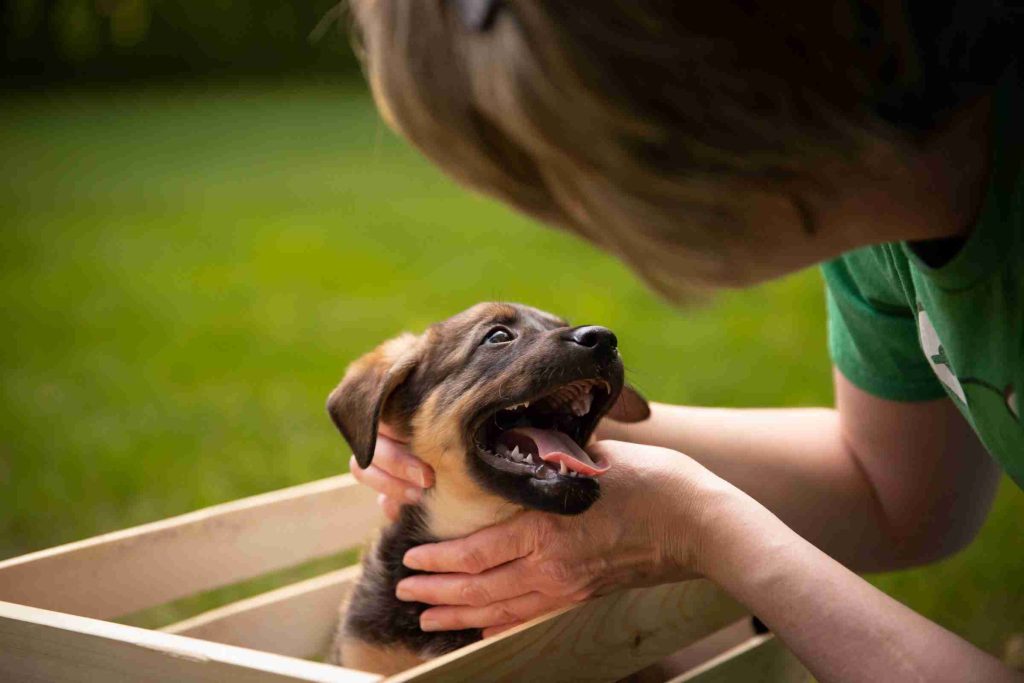
Setting the Stage for Your New Companion
Preparing your home for the arrival of an adopted animal goes beyond mere excitement; it requires intentional planning to create a nurturing environment. Below we delve into essential actions that will help pave the way for a smooth transition for both you and your new pet.
Pet-Proofing: A Safety First Approach
The first step in ensuring your home is ready for an adopted animal is pet-proofing your space. Animals, especially those adjusting to a new environment, are naturally curious and may explore every nook and cranny. Consider the following:
- Electrical safety: Use cord covers or tape to keep electrical cords out of reach, preventing any potential shocks or chewing hazards.
- Secure windows and doors: Check that screens are intact and doors close securely to prevent escapes.
- Hazardous materials: Store all chemicals, cleaners, and medications in cabinets with childproof locks, ensuring that these substances are not accessible to your inquisitive new friend.
- Toxic plants: Research and remove any plants listed as toxic to pets, such as azaleas or philodendrons, to avoid any accidental poisoning.
Creating a Comfortable Haven
Once your space is safe, it’s time to set up a comfortable haven for your new furry friend. A designated area can serve as a temporary retreat that helps ease anxiety and fosters a sense of security. Here are some elements to include:
- Cozy bedding: Choose a soft, supportive bed in a quiet corner of your home, giving your pet a cozy place to rest.
- Food and water station: Place feeding bowls in or near their designated area to establish a routine. Fresh water should always be available.
- Accessible toys: Provide a variety of toys that cater to your pet’s playing style, such as chew toys for dogs or scratching posts for cats.
- Training pads or litter box: Prepare a space for toilet training needs, selecting an area that is easy to clean and somewhat isolated from everyday foot traffic.
Stocking Up on Supplies
Before your new pet arrives, it’s crucial to gather essential supplies ahead of time. This not only alleviates last-minute stress but also demonstrates your commitment to their well-being. Consider the following must-have items:
- High-quality food: Research and select an appropriate diet for your pet’s age, size, and breed. Transition gradually to avoid digestive issues.
- Collar and ID tags: Equip your pet with a collar that fits well, and make sure it has an ID tag with your contact information, which can be a lifesaver should they escape.
- Grooming supplies: Depending on the type of animal, gather items like brushes, nail clippers, and bath supplies to keep your pet looking and feeling their best.
- Comfort items: Soft blankets or familiar toys can ease the transition and provide comfort in those early days.
Each of these foundational steps plays a pivotal role in ensuring that your home is welcoming and secure for your adopted animal. These preparations not only enhance their comfort but also set the stage for a happy and harmonious coexistence as you embark on this rewarding journey together.
Essential Resources for Your New Furry Friend
Preparing your home for an adopted animal requires not just a welcoming atmosphere but also the right resources to ensure a smooth transition. Additionally, it’s crucial to understand the importance of pet-proofing your space. This includes removing any hazardous items that could pose a risk to your new companion. Basic supplies typically include food and water dishes, a comfortable bed, and toys to keep them entertained.
Understanding Behavior and Training
One important resource that often goes overlooked is the availability of training guides and behavior specialists. Adopted animals may come with a few challenges, especially if they have an uncertain past. Investing in positive reinforcement training books or enrolling in an obedience class can make a significant difference in building a trusting relationship.
Veterinary Care is a Must!
Immediately establishing a relationship with a veterinarian is crucial once you adopt an animal. Look for local vets who specialize in caring for adopted animals, as they will understand specific needs and health risks. Don’t forget that vaccinations, spaying or neutering, and routine check-ups are important parts of a animal’s health care.
Essential Supplies Checklist
| Category | Details |
|---|---|
| Food and Water Bowls | Durable, easy-to-clean options are ideal for daily use. |
| Safe Toys | Choose types that stimulate your pet mentally and promote physical activity. |
| Chew-proof Bed | Provides comfort and a sense of security for your new friend. |
| Grooming Supplies | Brushes, nail clippers, and shampoo designed for your pet’s specific needs. |
| Safety Gear | Collars, leashes, and ID tags are critical for security. |
DISCOVER MORE: Click here for essential pet oral health tips
Transitioning Smoothly: Enhancing Your Home Environment
As you prepare for your new furry family member, it’s essential to consider the emotional and psychological aspects of their transition into your home. Pets come from diverse backgrounds; some may have experienced neglect or trauma, while others might just be adjusting to a new setting. Here are some strategies to ensure a smooth adjustment process:
Establishing a Routine
Consistency is critical for a pet settling into a new home. Establishing a daily routine that includes feeding, playtime, and walks can create a sense of stability for your animal. Pets thrive on predictability, and a routine helps them feel secure. Here are some routine tips to consider:
- Regular feeding schedule: Feed your pet at the same time each day to develop trust and comfort. Adjust this based on their age and dietary needs.
- Consistent bathroom breaks: For dogs, schedule regular bathroom breaks to reinforce house training. Cats will appreciate a clean litter box at all times.
- Quality playtime: Set aside time each day for interactive play to strengthen your bond and help your pet burn off energy, which can reduce anxiety.
Creating a Positive Enrichment Environment
Alongside the routine, mental stimulation and physical enrichment are crucial to your pet’s adaptation. A new environment can be overwhelming, so stimulating activities can make it more enjoyable and alleviate stress. Here are some ideas to enhance your pet’s experience:
- Interactive toys: Toys that dispense treats or require problem-solving can keep your pet engaged and provide mental challenges.
- Training sessions: Short and positive training sessions not only teach commands but can also serve as a bonding experience, thus creating a better understanding between you and your pet.
- Exploration space: Allow your pet to explore different areas of your home gradually. This helps them acclimate to their environment without feeling overwhelmed.
Integrating with the Family
Involving the entire family in your pet’s adjustment journey is vital. Teamwork creates a sense of belonging for your new companion and helps them feel accepted. Ensure every family member understands their role in caring for the pet, from feeding to socialization. Consider the following:
- Unified training methods: Ensure everyone uses the same commands and rewards to prevent confusion for your pet.
- Age-appropriate interactions: Teach children how to interact gently and respectfully with pets to foster a positive relationship.
- Socialization opportunities: Arrange for your pet to meet family friends and their pets in a controlled setting to promote healthy socialization.
Healthcare Considerations
Adopting a pet requires a commitment to their health and well-being. Schedule a visit to the veterinarian within the first week of bringing your new animal home. Establishing a healthcare plan can set your pet up for success throughout their life. Consider the following health tips:
- Vaccination records: Ensure you obtain all vaccination records from the shelter or rescue, and discuss any necessary follow-up shots with your vet.
- Spaying or neutering: If not already done, discuss spaying or neutering with your vet as part of your pet’s health and behavioral plan.
- Preventative care: Consult your veterinarian about flea, tick, and heartworm prevention to keep your pet healthy and comfortable.
By thoughtfully addressing these aspects of your home environment, you not only welcome your adopted animal but also provide a nurturing foundation where they can thrive while adjusting to their new life with you. The right preparations can transform what might be a stressful experience into a joyful and enriching journey for both of you.
DISCOVER MORE: Click here for valuable pet adoption resources
Conclusion: Embracing the New Journey with Your Adopted Animal
Preparing your home for the arrival of an adopted animal is not just about filling it with the essentials; it’s about creating a loving environment that supports their emotional and physical well-being. As highlighted throughout this article, understanding your pet’s background and recognizing their needs can significantly affect their adjustment period. By establishing a consistent routine, providing mental and physical stimulation, and involving your entire family in the process, you lay the groundwork for a lasting bond and a happy home.
It’s also essential to prioritize healthcare solutions from the very beginning. A trip to the veterinarian shortly after adoption ensures that your new friend is on the path to a healthy life filled with care and preventive measures. The love and stability you offer will help ease anxiety and build confidence in your pet, encouraging them to feel secure and loved in their new surroundings.
Ultimately, the journey of integrating an adopted animal into your family is a mutual experience filled with opportunities for growth, connection, and joy. By implementing these essential resources and tips, you can transform the initial chaos of the transition into a life-changing adventure for both you and your furry companion. Embrace this unique opportunity, and let the love and companionship of your adopted animal enrich your life in ways you never imagined possible.