Balanced Diet Essential for Optimal Pet Health and Wellbeing

Providing a balanced diet for pets is crucial for their overall health, longevity, and happiness. Just like humans, animals require a variety of nutrients to thrive, and the right nutrition can prevent numerous health problems. As pet owners, it is our responsibility to ensure that our furry companions receive the essential vitamins, minerals, and proteins necessary for a robust life.
The relationship between diet and health in pets cannot be overstated. Diet plays a pivotal role in:
- Maintaining healthy weight – Preventing obesity-related conditions.
- Boosting immunity – Enhancing their ability to fight diseases.
- Improving digestion – Supporting gastrointestinal health.
- Ensuring shiny fur and healthy skin – Indicators of a good diet.
- Enhancing energy levels – Keeping pets active and playful.
In the upcoming sections, we will explore the Top 5 essential components of a balanced diet for pets, offering insights into the best practices to keep them thriving. Stay tuned as we delve deeper into the fascinating world of pet nutrition!
Top 5 The Importance of a Balanced Diet for Pet Health
Have you ever wondered about the massive impact nutrition can have on your pet’s overall health? For any living creature, a balanced diet is essential, and our much-loved pets are no exception. In this article, we will deeply explore the top five reasons why maintaining a balanced diet is critical for their well-being. From the gleam of their coat to their overall longevity, nutrition plays a fundamental role in a pet’s life. Keep reading to unlock the secrets of pet nutrition and the wonders it can perform for your furry or feathered companion.
5. The Basics of Nutritional Balance
Understanding the fundamentals of a balanced diet is the first step toward ensuring your pet’s health. A balanced diet is characterized by a proper mix of proteins, fats, carbohydrates, vitamins, and minerals, each serving a unique purpose. Proteins are crucial for muscle development and repair; fats are essential for providing energy and aiding in nutrient absorption, particularly fat-soluble vitamins. Carbohydrates also serve as an immediate source of energy, while vitamins and minerals facilitate various metabolic processes that are indispensable for growth, immunity, and overall health.
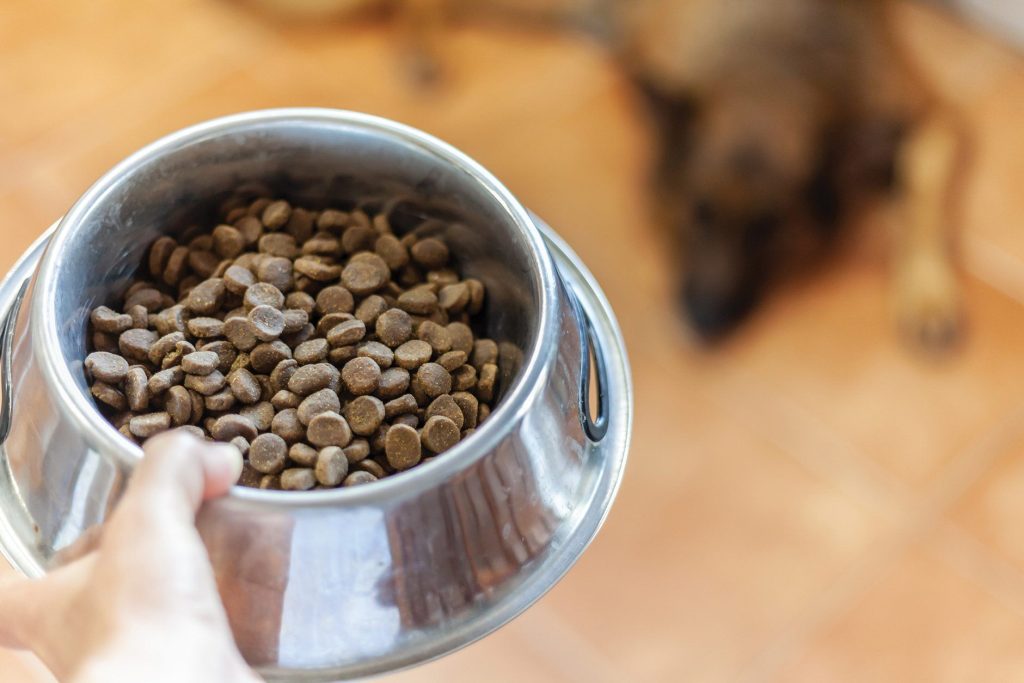
It’s important to note that various pets require different proportions of these nutrients, factors such as species, age, size, and health conditions play a significant role. For instance, a growing puppy will need more protein than an older dog, while a cat’s natural diet is predominantly protein-rich due to their carnivorous nature. Therefore, consulting with your veterinarian for personalized, species-specific dietary recommendations is essential, as they can help devise a plan tailored to effectively support your pet’s unique needs.
4. Enhancing Immune Function
A well-balanced diet plays a vital role in enhancing your pet’s immune system, which is crucial in warding off diseases and infections. Essential vitamins and minerals boost immune response and have antioxidant properties that protect body cells, improving overall health and longevity. Vitamins like Vitamin C and E, along with minerals such as Zinc and Selenium, are particularly significant in maintaining robust immune functions.
Nutrient Roles in Immunity
- Vitamin C: This antioxidant helps neutralize free radicals, which can damage cells and lead to illnesses.
- Vitamin E: Vital for the proper function of several organs and processes, it supports a healthy skin and a sound reproductive function.
- Zinc: Essential for enzyme function, it aids in repair and regrowth processes, including wound healing.
- Selenium: Encourages proper immune and thyroid functions, playing a role in regulating metabolism and cellular health.
Providing your pet with a diet rich in these nutrients not only keeps them healthy but also enhances their quality of life, ensuring they are less prone to illnesses and more joyful every day.
3. Managing Weight and Preventing Obesity
Obesity is unfortunately becoming increasingly common among pets, carrying with it a host of health complications such as diabetes, joint disorders, and heart disease. A balanced diet is fundamental in managing a pet’s weight and preventing obesity, which is a preventive measure that can greatly extend your pet’s active years. Even the loving act of offering too many treats can unknowingly contribute to weight gain if not monitored.
Guidelines for Maintaining Healthy Weight
- Regular Exercise: Encourage daily physical activity tailored to your pet’s age, breed, and health status; even short walks or interactive play sessions can make a difference.
- Measure Food Portions: Instead of eye estimation, use specific measuring tools to ensure feeding in the correct amounts to prevent overeating.
- Healthy Treat Alternatives: Opt for low-calorie options like certain fruits and vegetables, always checking for pet-safe options like apples or carrots, instead of calorie-dense snacks.
By following these guidelines and adhering to a balanced diet, pet owners can significantly reduce the risk of obesity-related health issues, ensuring a healthier life for their companions.
2. Supporting Healthy Skin and Coat
Your pet’s skin and coat condition often reflects their internal health. A balanced diet rich in fatty acids, particularly Omega-3 and Omega-6, can lead to a shiny coat and healthy skin. These fatty acids help in maintaining skin moisture, reducing the chance of dryness, and preventing common skin diseases such as dermatitis or dandruff.
Moreover, essential vitamins like A and E significantly contribute to skin health, aiding in cell regeneration and the adequate growth of fur. For pets who may be struggling with skin conditions, adjusting their diet to include these essential nutrients can provide relief and significantly improve their overall health, leaving them looking and feeling their best.
1. Promoting Longevity and Quality of Life
Arguably, the most significant aspect of a balanced diet is its profound impact on promoting longevity and enhancing quality of life for pets. Proper nutrition is linked to a longer, more vibrant life free from many common feline and canine diseases. Pets with adequate nutrition tend to be happier as they age, with a markedly reduced risk for chronic diseases.
Diet’s Impact on Lifespan
- Preventative Care: Balanced diets play a key role in preventing diseases that can drastically shorten pet life spans.
- Cognitive Health: Nutrients like DHA, often found in fish oils, are vital for maintaining brain health, particularly in aging pets.
- Active Lifestyle: Proper nutrition translates to more energy for play and activity, crucial for maintaining muscular and cardiovascular health.
By focusing on a balanced diet, you ensure your furry or feathered friends enjoy the best quality of life possible. This approach not only reduces health risks but also enhances their overall well-being and happiness, giving them the chance to thrive in every stage of life.
In conclusion, understanding and implementing a balanced diet for your pet does not just benefit their health in the short term but paves the way for a lifetime of joy, companionship, and vitality.
| Category | Key Features |
|---|---|
| Nutrition | A balanced diet provides essential nutrients like proteins, fats, vitamins, and minerals necessary for optimal health and wellbeing of pets. |
| Disease Prevention | Proper nutrition is crucial in preventing chronic diseases such as obesity, diabetes, and heart disease, which are increasingly prevalent among pets. |
| Energy Levels | A balanced diet can enhance the energy levels in pets, enabling them to be active and play, which contributes positively to their physical and mental health. |
| Skin and Coat Health | The right balance of nutrients helps maintain healthy skin and a shiny coat, which are indicators of a pet’s overall health and vitality. |
Balanced nutrition serves not only as fuel for your pet but also as a foundation for a longer, healthier life. It is an often-overlooked facet that significantly influences behavioral aspects as well. For instance, pets that receive a proper diet tend to exhibit better moods, less anxiety, and improved sociability. Understanding this can lead guardians to rethink the implications their pets’ meals have on emotional and psychological well-being.Additionally, the importance of hydration cannot be overstated. A well-balanced diet typically includes sufficient moisture for optimal health, but it’s essential to ensure pets have constant access to fresh water. Dehydration can negatively impact organ function and is a critical factor in maintaining overall health.Moreover, the rise of commercial pet foods has introduced both innovation and complexity. While many products highlight beneficial ingredients, it’s vital for pet owners to scrutinize labels to avoid misleading claims. Often, pet food marketed as “natural” or “premium” may still lack essential components vital for health. Engaging with a veterinarian can help navigate this landscape to ensure your pet’s dietary plan is not only balanced but tailored to their unique needs based on breed, age, and activity level.In essence, the exploration of balanced feeding practices unveils a world where nutrition meets care, ultimately shaping a future where pets can thrive not just survive. As pet owners come to recognize the direct link between diet and health, the quest for well-being becomes a proactive and evolving dialogue.
Frequently Asked Questions about Balanced Nutrition for Pet Health
What are the benefits of a balanced diet for pets?
A balanced diet is crucial for maintaining the overall health and vitality of pets. It provides the essential nutrients necessary for growth, energy, and maintaining a healthy immune system. Adequate nutrition can help prevent chronic diseases, enhance the pet’s lifespan, and ensure a shinier coat and stronger bones. Additionally, it contributes to better digestion and optimal weight management.
How can I determine if my pet’s diet is balanced?
To assess if your pet’s diet is balanced, consider their daily nutrient intake, which should include proteins, carbohydrates, fats, vitamins, and minerals in the right proportions. Consulting with a veterinarian or a pet nutritionist can provide guidance tailored to your pet’s age, breed, and health status. Moreover, look for signs such as consistent energy levels, a healthy coat, and regular bowel movements to determine dietary adequacy.
Are there risks associated with an unbalanced diet for pets?
Yes, an unbalanced diet can pose several health risks for pets. Deficiencies or excesses in certain nutrients can lead to conditions such as obesity, diabetes, heart disease, or malnutrition. For example, too much fat can result in obesity, while insufficient protein might cause muscle loss. It’s vital to ensure a diet that meets all of your pet’s nutritional needs to avoid these issues.
What should I look for in commercially prepared pet foods?
When selecting commercial pet food, ensure it complies with established safety and nutrition standards. Look for products that state they provide complete and balanced nutrition as per AAFCO (Association of American Feed Control Officials) standards. It is also advisable to review the ingredient list, prioritize those with high-quality protein sources, and avoid excessive artificial additives or fillers.
Conclusion: The Importance of Balanced Diets for Pet Health
The significance of a balanced diet for maintaining the health and well-being of our beloved pets cannot be underestimated. As we explored throughout this article, providing your pet with a nutritionally complete diet is pivotal to fostering longevity and vitality. Critically, a balanced diet ensures that pets receive all essential nutrients, including proteins, fats, vitamins, and minerals, which are crucial for their development, energy levels, and overall health.
One of the primary takeaways is that a nutritious diet plays an instrumental role in preventing obesity, a common yet preventable health issue that reduces the quality and length of pets’ lives. Moreover, by feeding your pets appropriately, you can help avert various diet-related health problems such as diabetes, liver disease, and joint issues. The beneficial impact of a balanced diet on improving your pet’s coat, skin health, and immune system is equally noteworthy, emphasizing the visible transformations that proper nutrition can trigger.
Furthermore, a well-planned diet tailored to a pet’s specific age, breed, and health condition is paramount. It’s essential for pet owners to educate themselves continually on the best feeding practices and to consult veterinarians for tailored advice that fits their pet’s unique needs. As we emphasize the importance of this subject, it becomes clear that a balanced diet is not just a dietary choice; it’s a crucial component of responsible pet ownership.
In conclusion, taking the time to research and provide a nutritionally balanced diet for your pet is an investment in their happiness and health. The positive influence of proper nutrition extends beyond basic health, enriching your pet’s life in myriad, immeasurable ways. As pet owners gain more awareness and knowledge, they can ensure that their pets not only survive but thrive, leading long, fulfilling lives.