Menu

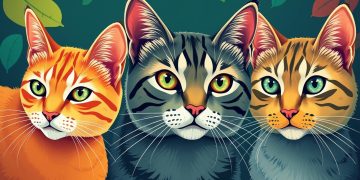
The Evolution of Domestic Cat Species: How Natural Selection and Breeding Influence Behavior and Physical Characteristics

This exploration highlights how natural selection and selective breeding have shaped the evolution of domestic cats. Through behavioral adaptations and physical characteristics, these fascinating creatures have transformed from wild hunters into affectionate companions, showcasing the intricate bond between humans and cats that continues to evolve over time.

Exotic Species as Pets: Benefits and Challenges for Owners and Ecosystems

Exotic species as pets offer unique companionship and educational opportunities but come with significant challenges, including specialized care requirements and potential ecological impacts. Responsible ownership involves understanding the needs of these animals and considering ethical implications, ensuring a balance between personal enjoyment and wildlife conservation.

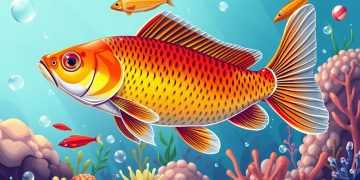
The Role of Aquarium Fish Species in Environmental Education and Conservation

Aquarium fish species play a crucial role in environmental education and conservation, enhancing public understanding of aquatic ecosystems and conservation challenges. Through engaging exhibits and community initiatives, these vibrant creatures inspire individuals to protect marine biodiversity and advocate for sustainable practices, fostering a culture of stewardship for aquatic resources.

The Importance of Genetic Diversity in Dog Breeds: Implications for Health and Well-Being

Genetic diversity is crucial for the health and well-being of dog breeds, impacting their longevity and reducing genetic disorders. Emphasizing responsible breeding practices can enhance immune response, behavioral traits, and adaptability, ultimately leading to happier, healthier canine companions. Prioritizing genetic variability is key for thriving dog populations.

The Evolution of Insect Species as Pets: Fascination and Sustainability in Breeding

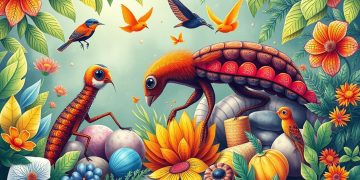
The rise of insects as pets highlights a shift towards sustainability and biodiversity in pet ownership. Insects offer low-maintenance companionship, educational opportunities, and eco-friendly benefits. As interest grows in breeding exotic species, enthusiasts foster a deeper connection with nature and contribute to conservation efforts, transforming perceptions of pet companionship.

Understanding the Specific Needs of Less Common Species of Reptiles as Pets

Exploring less common reptile species as pets enriches ownership experiences while highlighting their unique needs. Understanding their specialized dietary, habitat, and environmental requirements is essential for promoting health and well-being. Knowledge and preparation foster deeper connections with these exotic reptiles, ensuring responsible and rewarding companionship.

Hybrid Cat and Dog Breeds: Trends, Care, and Impacts on the Pet Market

The rise of hybrid cat and dog breeds is transforming pet ownership, appealing to consumers with unique traits and health benefits. Understanding their specific care needs, including diet, exercise, and socialization, is crucial for responsible ownership. This trend significantly impacts the pet market, reflecting evolving consumer preferences.

Unconventional Mammal Species as Pets: Benefits and Necessary Care

Explore the captivating world of unconventional mammal species as pets, from ferrets to miniature piglets. These unique companions offer distinct personalities, enhanced bonding opportunities, and mental stimulation, while requiring specialized care. Understanding their needs and legal considerations ensures a rewarding pet ownership experience that fosters joy and community connections.

The Fascination with Species of Amphibians as Pets: Creating an Ideal Environment

Amphibians make captivating pets due to their diverse species, low maintenance needs, and educational value. Creating an ideal habitat involves understanding humidity, temperature, and substrate requirements. By providing enriching environments, pet owners can foster health and happiness while deepening their appreciation for these extraordinary creatures.

The Importance of Conserving Pet Bird Species: How to Protect Our Feathered Friends

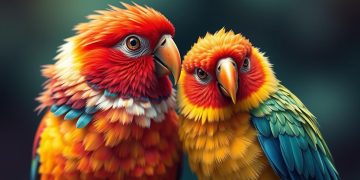
Conserving pet bird species is essential for maintaining biodiversity and ecosystem health. Key threats include habitat loss, illegal trade, and climate change. By fostering education, community engagement, and responsible pet ownership, we can protect these vibrant creatures and ensure their thriving presence for future generations.