Effective Positive Reinforcement Techniques for Dog Training
Unlocking the Secrets of Dog Training
When it comes to training your furry friend, positive reinforcement stands out as a highly effective approach. This technique not only strengthens the bond between you and your dog but also encourages desirable behaviors in a fun and rewarding manner. The beauty of positive reinforcement lies in its simplicity and effectiveness, making it an ideal strategy for dog owners of all skill levels.
Understanding how to implement positive reinforcement techniques can transform your training sessions. Here are some key elements to consider:
- Treats and Rewards: Using tasty treats can motivate your dog to learn new commands. For instance, small, soft treats work well for quick rewards during training, and you might choose something special, like chicken or cheese, for milestones achieved. The key is to select items your dog truly enjoys.
- Praise and Affection: Verbal encouragement and petting reinforce good behavior. A simple “good boy!” or a happy tone can make your dog excited to please you. Dogs are naturally social animals, and they thrive on attention and approval from their families.
- Playtime: Incorporating games after successful training can foster enthusiasm. Fetch, tug-of-war, or even a game of hide-and-seek can turn training sessions into enjoyable bonding experiences. Your dog will not only learn commands but will also associate training with fun.
Studies conducted by researchers in animal behavior have shown that dogs trained through positive methods are often more eager to learn and engage. Moreover, this method reduces the likelihood of behavioral issues, such as anxiety or aggression, while simultaneously promoting a happy, confident pup. Such findings encourage many pet owners to abandon outdated practices that may involve harsh corrections, leading to healthier dynamics between pet and owner.
As you delve deeper into the world of canine training, you will discover various techniques tailored to suit your dog’s personality and needs. For example, while some dogs may thrive on food rewards, others might be more motivated by toys or social interaction. Tailoring your approach not only enhances training efficacy but also respects your dog’s unique traits.
Embracing a positive reinforcement approach not only leads to effective training outcomes but also enhances your relationship with your dog. It’s essential to remember that consistency is critical. Regular practice in short, engaging sessions—few minutes at a time—can significantly accelerate progress, ensuring your dog remains focused and enthusiastic.
Join us as we explore proven techniques that will help you achieve training success with your canine companion! Whether you’re a first-time dog parent or a seasoned trainer, the journey of understanding your dog’s behavior and learning together can be incredibly rewarding. Get ready to embark on an exciting adventure of training that strengthens your bond while fostering a well-behaved canine friend!
Key Techniques to Enhance Your Training Sessions
As you consider the most effective positive reinforcement techniques for dog training, it’s essential to recognize the different elements that can lead to successful outcomes. While treats, praise, and playtime are foundational, the approach can be tailored to fit the unique needs of your dog, creating a customized training experience that resonates with your furry friend.
One of the first steps in applying positive reinforcement is understanding the concept of timing. Dogs operate in the moment, so delivering rewards immediately after the desired behavior is crucial. This timing helps your dog associate the reward with the action they just performed. For instance, if you’re teaching your dog to sit, deliver a treat or praise as soon as they lower their behind to the ground. This clarity will enhance their understanding and retention of the command.
In addition to timing, consider utilizing a clicker. This small device makes a distinct sound that can mark the exact moment your dog performs the desired behavior. The clicker acts as an audible reward, allowing for precise communication. Following the click, immediately provide a treat or praise. This method has garnered support from many dog trainers and is particularly effective in shaping new behaviors.
Another valuable technique is the concept of shaping behaviors. Instead of waiting for your dog to perform a complete command perfectly, reward incremental progress. For instance, if you’re teaching your dog how to roll over, start by rewarding them for lying down, then for rolling onto their side, and finally for completing the full roll. This gradual approach not only reduces frustration for both you and your dog but also fosters a positive atmosphere where they feel successful.
- Consistency: Establish clear rules and stick to them. Every family member should use the same commands and cues to reinforce the training.
- Short Sessions: Keep training sessions brief, around 5 to 10 minutes. This prevents burnout and helps maintain your dog’s attention.
- Gradual Increase in Difficulty: Start with simple commands before moving to more complex tasks, ensuring your dog builds confidence with each success.
- Variable Rewards: Occasionally surprise your dog with a higher-value treat or extended playtime to keep them guessing and engaged.
As you implement these techniques, avoid overloading your dog with commands or expectations. Dogs can become stressed or confused if they feel pressured to learn too quickly. Instead, celebrate small victories, and don’t hesitate to backtrack if needed. The goal is to make training enjoyable for your dog, fostering a sense of accomplishment and joy.
Using positive reinforcement effectively is not just about rewards; it’s about creating a nurturing learning environment. Beyond commands, ensure your dog understands what behaviors are undesirable by redirecting them gently rather than reprimanding them harshly. With patience and practice, you’ll discover that training becomes a transformative experience for both you and your canine companion.
| Category | Key Features |
|---|---|
| Behavior Shaping | Gradually reinforcing approximations of desired behaviors, allowing dogs to learn complex tasks through small steps. |
| Immediate Rewards | Providing rewards immediately after the desired behavior reinforces the connection between the action and the reward. |
| Increased Bonding | Utilizing positive reinforcement techniques can enhance the relationship between the dog and the trainer, fostering trust and cooperation. |
| Reduces Fear and Anxiety | A positive approach helps in minimizing stress, leading to a calmer and more responsive dog. |
Utilizing positive reinforcement techniques effectively transforms the dog training experience for both the trainer and the dog. One key technique is behavior shaping, where rewards are given for small steps towards the desired behavior. This method allows dogs to learn various tasks such as sit, stay, and more complex tricks through gradual progress, making the training process both engaging and achievable. Moreover, the importance of immediate rewards cannot be overstated; when trainers give rewards right after a desired action, the dog quickly associates the action with a positive outcome. This practical approach reinforces learning and accelerates the training process. Additionally, employing these techniques significantly increases bonding between dog and trainer. As the dog experiences success and receive rewards, trust is established, fostering a harmonious relationship. These techniques also play a vital role in managing behavior as they reduce fear and anxiety. By creating a safe and positive learning environment, dogs often respond better to training sessions. Through effective positive reinforcement, owners not only achieve their training goals but also improve their dog’s overall well-being.
Expanding Your Positive Reinforcement Toolkit
While treats, praise, and clickers serve as fundamental tools in effective dog training, broadening your positive reinforcement toolkit can yield even more impactful results. Different dogs respond to different reinforcements; thus, discovering which methods resonate best with your canine companion is essential in fostering a productive learning environment.
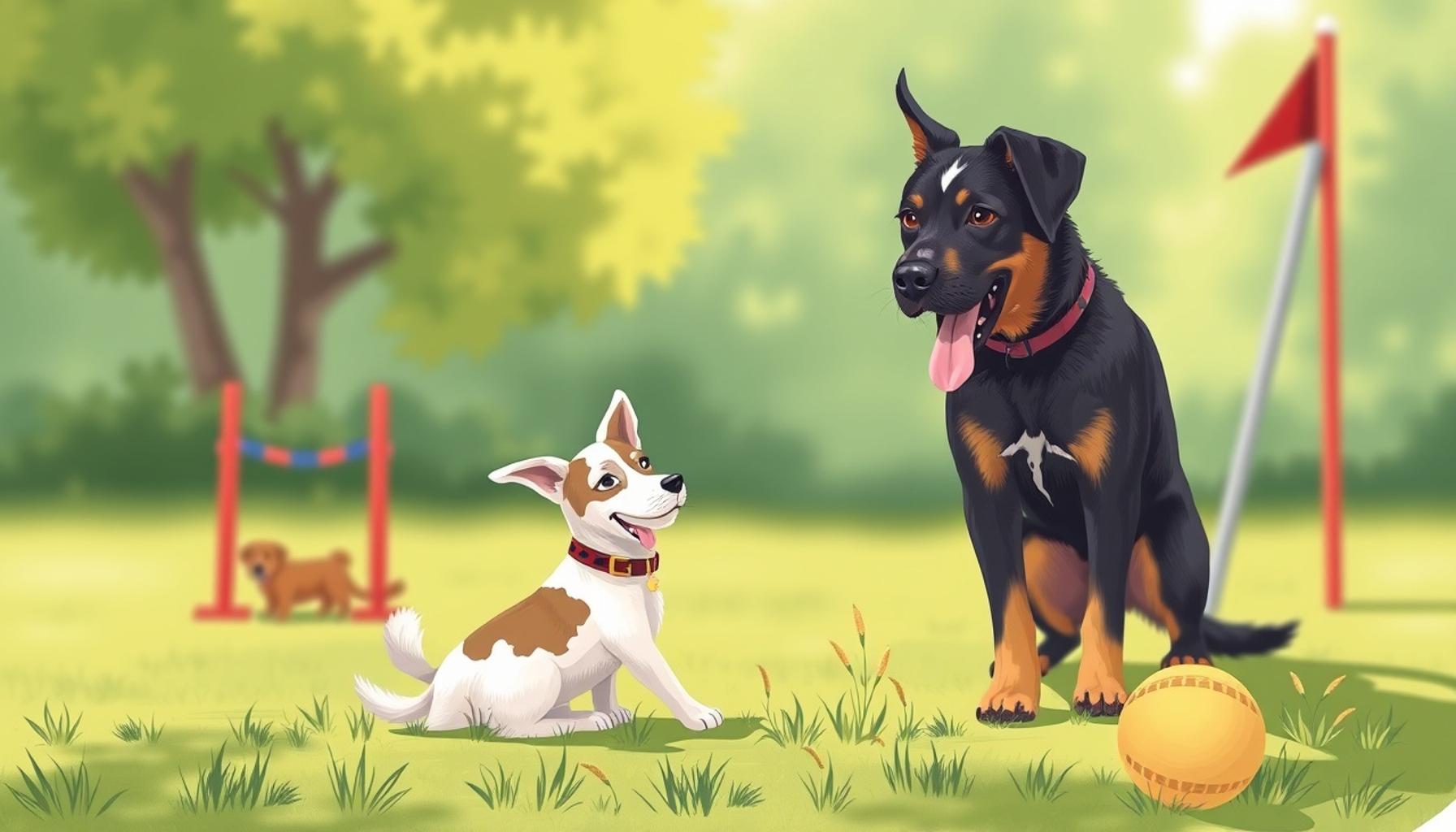
One technique worth exploring is play-based reinforcement. Many dogs thrive on physical play, which can be an outstanding motivator during training sessions. Incorporating games like tug-of-war or fetch as a reward can make learning fun and exciting. For instance, if your dog successfully performs a command, follow it up with a quick game of fetch as a reward. This approach reinforces that good behavior leads to enjoyable experiences, enhancing their overall motivation to learn.
Another technique gaining popularity is the use of environmental rewards, particularly for training purposes outside a controlled environment. For example, if your dog successfully sits on command during a walk, allow them to investigate a particularly interesting scent or explore a favorite area as a reward. This not only reinforces the command but also encourages your dog to stay engaged in the training process despite distractions in their environment. By offering such rewards, you show your dog that following your commands opens up exciting opportunities.
The Power of Social Interaction
Social reinforcement can also play a vital role in dog training. Dogs are social animals and often value the attention and approval of their humans. Making a fuss over your dog when they follow a command can be just as effective as a treat. This can include gentle petting, enthusiastic verbal praise, or even a short play session with another dog. Engaging in social interaction demonstrates to your dog that their behavior is appreciated and encourages them to repeat it in the future.
- Target Training: This technique utilizes a target stick that your dog learns to touch with their nose or paw. Reward them when they do so, creating a fun and engaging way to teach various commands and tricks.
- Classical Conditioning: Establish a positive association with certain sounds or cues, such as a bell or whistle, by pairing it with rewards. This can enhance their learning experience and produce more reliable responses to commands.
- Scent Work: Dogs have a profound sense of smell that can be harnessed in training. Introduce scent-based games where they search for hidden treats, which not only provides mental stimulation but also reinforces their training in a playful manner.
It’s critical to remember that dogs are individuals, and there is no one-size-fits-all approach. Frequent evaluations of your training methods and their effectiveness will guide you in tailoring your strategies to fit your dog’s preferences. If you notice your dog becomes bored or disinterested during training sessions, consider incorporating new techniques or changing the rewards. By continuously adapting your methods, you’ll keep your dog engaged and eager to learn.
Moreover, ensuring that your training sessions are conducted in a positive atmosphere cannot be overstated. Maintaining an upbeat and patient demeanor encourages your dog to engage with you on a positive level rather than associating training with stress or anxiety. This support helps to solidify the bond between you and your dog, ultimately leading to more fruitful training experiences.
Conclusion: Building a Stronger Bond Through Positive Reinforcement
In the journey of dog training, utilizing positive reinforcement techniques is essential not only for teaching commands but also for fostering a loving and trusting relationship between you and your canine companion. By expanding your toolkit with methods such as play-based rewards, environmental incentives, and social interaction, you acknowledge that each dog is unique and thrives on different forms of reinforcement. Exploring options like target training and scent work can make training sessions engaging and mentally stimulating, catering to their natural instincts.
Moreover, recognizing the importance of a positive atmosphere during training cannot be overlooked. An upbeat and encouraging environment builds confidence and motivation in your dog, resulting in more effective learning experiences. As you adapt your training methods based on your dog’s responses, you create a personalized approach that resonates with their personality, ensuring they remain engaged and eager to learn.
Ultimately, the goal is to nurture a bond built on mutual respect and fun. By integrating a variety of positive reinforcement techniques into your training regimen, not only will you teach your dog new skills but also reinforce the idea that good behavior opens doors to exciting opportunities. This approach paves the way for a harmonious relationship where training becomes a fulfilling part of both your lives. As you embark on this training adventure, remember that patience and consistency paired with the right techniques will lead to a well-behaved dog, paving the way for many joyful moments together.