Exotic Species as Pets: Benefits and Challenges for Conservation
The Intricate Balance of Exotic Pets and Conservation Efforts
The trend of owning exotic pets, from the charming hedgehogs to the striking geckos, speaks to a broader fascination with wildlife that goes beyond the ordinary. While the joy and companionship these creatures bring can be undeniable, their impact on conservation efforts is worth a closer examination. As pet enthusiasts are drawn to their unique attributes, understanding the nuances of this relationship is crucial for both animal welfare and environmental integrity.
Awareness and Education
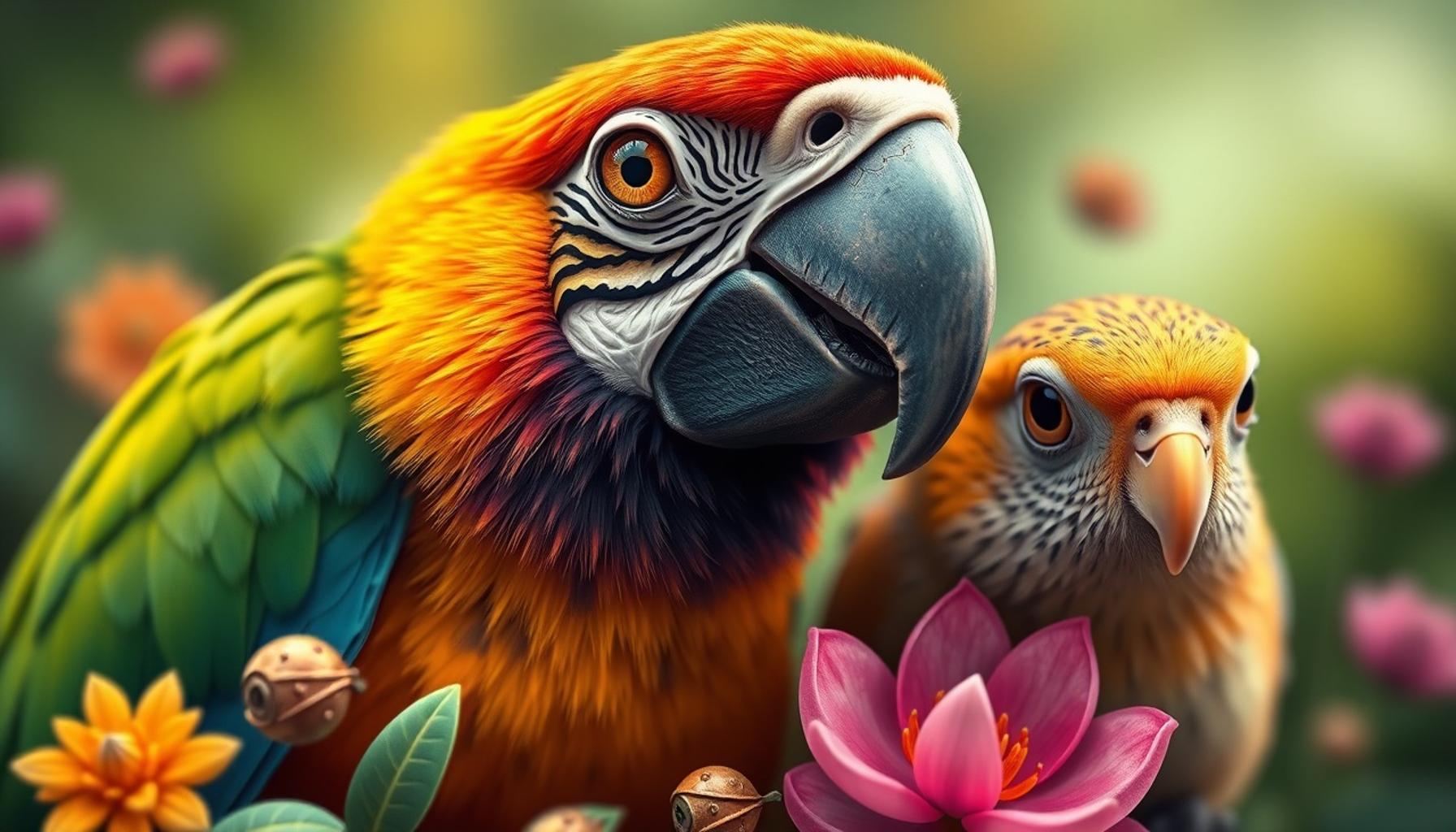
One of the notable benefits of owning exotic pets is their potential as ambassadors for their species. For instance, keeping a parrot can ignite interest in its natural habitat and challenges faced in the wild. Pet owners often share their experiences, which can foster a community of awareness and appreciation for biodiversity. Schools, zoos, and conservation organizations sometimes use these pets to educate the public about their ecological roles, encouraging conservation actions. As people learn about the intricate systems of various ecosystems, they may be inspired to contribute to conservation efforts voluntarily.
Conservation Support
In certain cases, owning exotic pets can indeed support conservation. For example, captively bred populations of certain reptiles are increasingly being used to help bolster dwindling wild populations. When managed properly, these breeding programs can decrease the demand for wild-caught animals, relieving pressure on their natural habitats. This scenario highlights how responsible pet ownership can align with conservation goals, creating a beneficial situation for both animal lovers and wildlife.
Risks of Invasive Species
Despite the potential benefits, the ownership of exotic pets does not come without significant drawbacks. A pressing concern is the potential for these animals to become invasive species if they escape into local ecosystems. For instance, the Burmese python, originally a popular exotic pet, is now a major invasive predator in Florida’s Everglades. Such alterations in local fauna can disrupt food chains and lead to the decline of native species. Pet owners must understand the ecological impact their animals could have should they escape or be released.
Animal Welfare Concerns
Another critical aspect is animal welfare. Exotic pets often have specific dietary, environmental, and social needs that can be challenging to meet in a home setting. Failure to provide adequate care can result in health problems for the animal, raising ethical questions about their ownership. For example, some reptiles may require particular temperature and humidity levels that may be difficult for average owners to replicate consistently. Educational initiatives promoting responsible pet ownership can help mitigate such risks and enhance animal care standards.
Legal and Ethical Considerations
The legal landscape surrounding exotic pet ownership is complex and varies significantly from state to state. Many places in the United States, such as California and New York, have strict regulations that prohibit the ownership of certain exotic species due to conservation and safety concerns. Understanding these legal and ethical considerations is crucial for potential pet owners. Engaging with local wildlife laws not only protects the owner but also benefits local ecosystems by preventing the introduction of non-native species.
In conclusion, the allure of exotic pets is an enticing topic, yet it presents a myriad of challenges intertwined with conservation efforts. As society navigates the beauty of these creatures, it must also address the responsibilities that come with them to ensure both animal welfare and environmental sustainability are upheld. With informed decisions and a deeper understanding, pet owners can play a pivotal role in fostering a harmonious relationship between humanity and nature.
Understanding the Dual Nature of Exotic Pet Ownership
Owning exotic pets often ignites a passionate discussion about their role in biodiversity and conservation. While many individuals are enamored with the idea of embracing the unusual in their homes, it is essential to dissect the implications of this trend on conservation efforts. The dual nature of exotic species ownership presents both notable advantages and significant obstacles that contribute to the ongoing dialogue surrounding wildlife protection and species preservation.
The Appeal of Unique Companionship
The growing fascination with exotic pets can be attributed to several appealing factors. Uncommon animals, such as fennec foxes, capybaras, and macaws, captivate owners not only through their distinctive appearances but also through their intriguing behaviors. Their appeal often lies in their ability to offer a unique companionship that transcends the typical pet experience. This allure can result in a deeper connection between people and animals, fostering a nurturing love that can extend beyond personal enjoyment.
Community Impact and Advocacy
One of the less-discussed benefits of owning exotic pets is their potential to mobilize community engagement in conservation activities. By showcasing the beauty and uniqueness of their animals, pet owners often become informal advocates for their species and ecosystems. Their enthusiasm can lead to various outreach initiatives, including:
- Participation in Local Conservation Programs: Many owners collaborate with conservation organizations focused on habitat preservation and awareness of endangered species.
- Educational Workshops: Exotic pet owners can hold discussions and workshops that highlight conservation needs, encouraging responsible pet ownership and sustainable practices.
- Social Media Awareness: The online presence of exotic pet enthusiasts can raise awareness rapidly, often bringing attention to specific conservation issues and encouraging a wider audience to get involved.
Such endeavors highlight the positive ripple effect of exotic pet ownership, which can lead to informed actions within the community that benefit conservation.
The Backlash of Poor Practices
However, amid this potential for good lies a considerable challenge: many exotic pets are acquired without sufficient knowledge of their complex care requirements. Pet owners sometimes underestimate their responsibilities, which can result in detrimental consequences for the animal. Even more alarming, the trend of exotic pet ownership has led to an increase in subpar breeding practices and black market sales, further endangering wild populations. This raises a fundamental question about the ethical considerations of pet ownership:
- Are we inadvertently supporting illegal wildlife trade?
- How can we ensure our pets are ethically sourced?
These questions require pet owners to assess their role in the broader context of wildlife conservation. Continuing education about responsible and ethical ownership practices is crucial to combat the pitfalls associated with exotic species.
As this discussion unfolds, it is vital to maintain awareness of the fine line between appreciation and exploitation. The charm of exotic pets brings with it a responsibility that challenges individuals to consider how they can positively impact conservation while enjoying the delightful company of their unique companions.
| Advantages | Details |
|---|---|
| Educational Opportunities | Owning exotic pets can lead to increased awareness of biodiversity and conservation issues. |
| Support for Conservation Programs | Purchasing exotic pets can contribute to funding for wildlife protection and environmental conservation. |
| Preservation of Endangered Species | Responsible breeding of exotic pets may help reduce pressure on wild populations. |
| Unique Companionship | Exotic pets offer distinctive interactions and experiences, enriching the owner’s life. |
Delving deeper into the world of exotic species as pets reveals a tapestry of complexities that go beyond mere ownership. While the appeal of unique companions draws many to adopt these animals, their potential impact on conservation must be carefully considered.The educational opportunities that arise from owning exotic species are significant. Owners often become informal ambassadors for conservation, sharing knowledge about the habitats and needs of their pets. Furthermore, pet owners can inadvertently support conservation programs by purchasing exotic pets that are bred ethically, providing funding for important ecological initiatives.Another crucial advantage lies in the preservation of endangered species. By supporting captive breeding efforts, enthusiasts may play a role in helping to stabilize populations that are struggling in the wild. However, it’s essential to approach this topic with vigilance, as ownership must always be rooted in a respect for animal welfare and biodiversity. Ultimately, the allure of exotic pets brings both excitement and responsibility, inviting potential owners to think not just about companionship, but also about the broader implications for conservation efforts worldwide.
Navigating the Ethical Dilemmas of Exotic Pet Ownership
With the charm of exotic pets comes a web of ethical dilemmas that demands scrutiny. Potential pet owners often fall into the alluring trap of an exotic animal’s beauty while overlooking the myriad of complexities tied to their care and conservation status. Understanding these intricacies is vital for both animal welfare and the wider conservation effort.
The Conservation Status of Popular Exotic Pets
Many exotic species that find their way into homes are either threatened or endangered in the wild. For instance, the African grey parrot is renowned for its intelligence and ability to mimic human speech, making it a highly sought-after pet. Yet, due to habitat destruction and capture for the pet trade, their populations are declining. According to the IUCN Red List, the African grey is classified as vulnerable, signaling an urgent need for conservation. The act of purchasing an animal like this may not merely be a personal choice; it can inadvertently contribute to the pressures on wild populations.
Legal Regulations and Their Implications
The legal framework surrounding exotic pet ownership in the United States is both inconsistent and complex. Certain states have stringent regulations prohibiting or limiting the ownership of particular species. For instance, Florida has implemented strict laws regarding the ownership of reptiles and amphibians, a response to the ecological impacts of invasive species that were released into the wild. Navigating these legal waters is essential for potential pet owners to ensure they are compliant and not contributing to illegal trading practices.
Moreover, the reduction of certain species from the wild can lead to a lack of genetic diversity, making future generations of captive-bred animals at higher risk for health problems. This has profound implications for conservation genetics, as biodiversity is crucial for a species’ long-term survival. Engaging responsibly with exotic pet ownership means considering the larger picture of genetics and species resilience.
The Importance of Responsible Breeding and Sourcing
Finding a reputable source for exotic pets is essential. Unfortunately, not all breeders adhere to ethical practices, with many prioritizing profit over the welfare of animals. Responsible breeding programs prioritize the well-being of the animals, often adhering to standards set by organizations such as the American Association of Zoo Keepers (AAZK). This emphasizes the role of education in discerning ethical acquisition methods, such as:
- Researching Breeders: Potential pet owners should investigate breeding facilities that are transparent about their practices and are committed to the health and welfare of their animals.
- Supporting Sanctuaries: Some sanctuaries specialize in rehabilitation and adoption of exotic species, allowing individuals to provide a home to animals in need while supporting conservation efforts.
- Promoting Conservation-Oriented Practices: Owners should advocate for practices that prioritize the sustainability of species and their habitats, giving credence to their role in the broader conservation narrative.
As the dialogue around exotic pets evolves, increasing awareness of the intricate balance between conservation and pet ownership is paramount. It’s clear that an exotic pet can serve as an ambassador for their wild counterparts, but this synergy must be anchored in ethics, education, and responsible action. By being informed and proactive, exotic pet owners can become integral players in the conservation of our planet’s rich biodiversity.
Wrapping Up: The Dual Edge of Exotic Pet Ownership
In conclusion, the allure of exotic species as pets brings both exhilaration and responsibility. As we have explored, owning these remarkable animals can facilitate important conversations about conservation and biodiversity. They serve not only as companions but as ambassadors for their wild counterparts, inspiring pet owners to advocate for ecological preservation.
However, this enthusiasm must navigate the challenges that come with it. The significant ethical dilemmas presented by ownership, coupled with the pressing need for conservation efforts, underscore the necessity for informed decision-making. With many exotic pets classified as threatened or endangered, every purchase has far-reaching implications, potentially exacerbating the decline of wild populations. Responsible breeding and sourcing practices become paramount in mitigating these consequences, ensuring that one’s passion does not lead to unintended harm.
Furthermore, legislation surrounding exotic pets varies widely across the United States, highlighting the importance of understanding regional laws to prevent illegal practices that may harm ecosystems. By adhering to ethical guidelines and supporting well-established sanctuaries and responsible breeders, prospective pet owners can align their desires with sustainable practices that bolster conservation.
Ultimately, the journey of owning an exotic pet requires continuous education, commitment, and a willingness to engage with the larger narrative of wildlife conservation. As interest in exotic species persists, a conscientious approach can convert personal enjoyment into a formidable force for ecological stewardship, fostering a world where both people and animals thrive in harmony.