Exotic Species as Pets: Benefits and Challenges for Owners and Ecosystems

The Allure of Exotic Pets
In recent years, the popularity of exotic species as pets has surged across the United States. Enthusiasts are drawn to unique animals, seeking companionship beyond traditional pets like cats and dogs. This growing trend reflects a desire for novelty and individuality in pet ownership, prompting many to explore the vibrant world of exotic animals. However, the choice to welcome an exotic animal into one’s home carries significant implications that prospective owners must consider carefully.
Benefits of Owning Exotic Pets
One of the most appealing aspects of exotic pet ownership is the opportunity for unique companionship. Animals such as reptiles, birds, or even small mammals like sugar gliders offer distinct personalities and behaviors that differ vastly from conventional pets. For instance, a Bearded Dragon may display various moods, from basking luxuriously under a heat lamp to displaying intriguing social behaviors, providing endless entertainment and engagement for their owners.
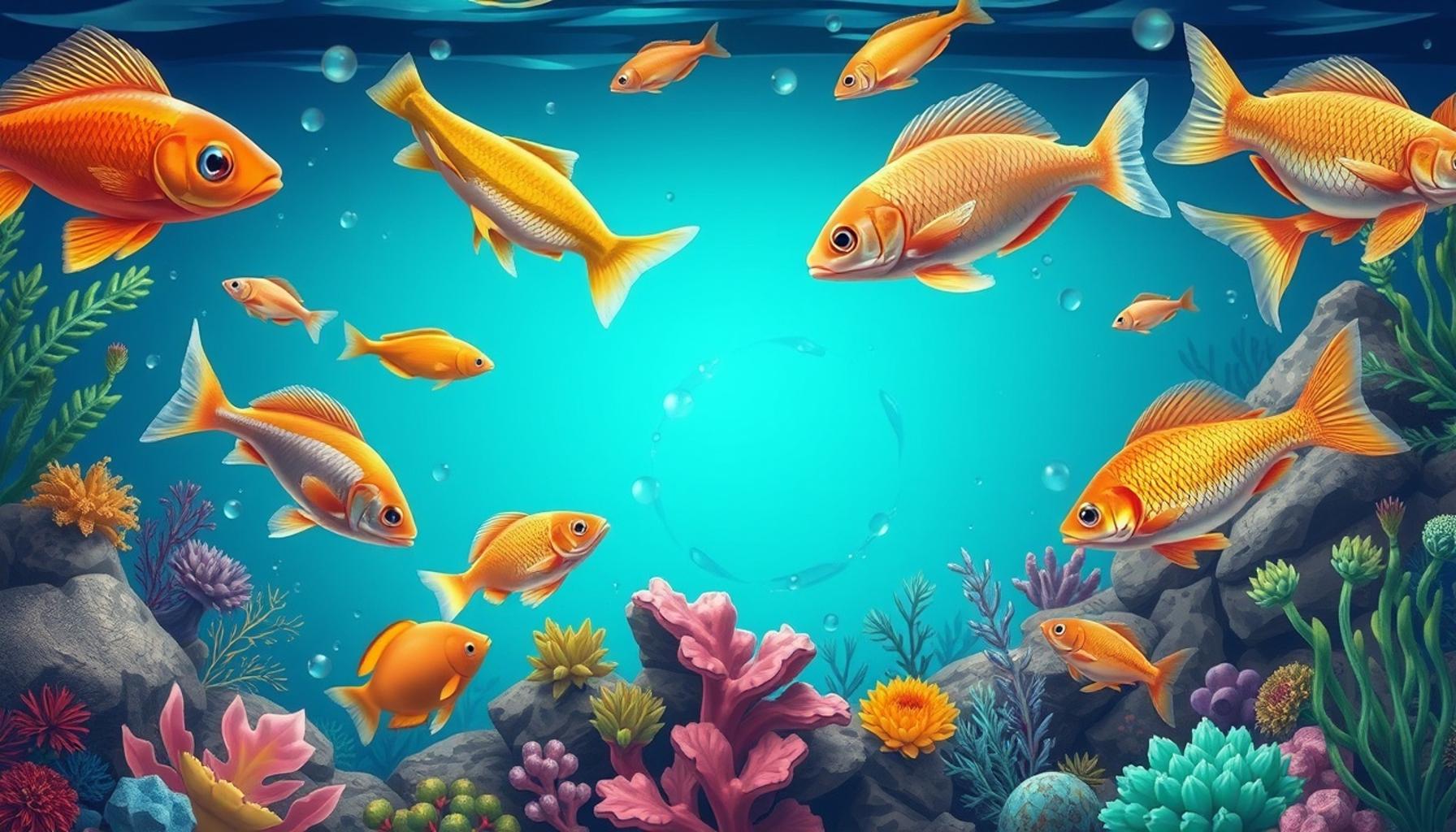
Additionally, these animals can provide diverse behavioral traits and enrichment not commonly found in cats and dogs. Watching a parrot imitate human speech can be an enchanting experience, while the maintenance of a large aquarium filled with exotic fish can become a visual art form that enhances home decor. Furthermore, owning an exotic pet can serve as a potential educational experience, allowing owners to delve into the unique ecosystems these creatures come from, as well as the importance of wildlife conservation and biodiversity.
Challenges to Consider
Despite the excitement exotic pets bring, they also come with their share of significant challenges. One major issue is the complex care requirements associated with many exotic species. For example, certain reptiles may require specific humidity levels, heat sources, and diets that can be costly and time-consuming to maintain. Failing to meet these needs can lead to health problems for the animal, which can be both distressing and heartbreaking for the owner.
Moreover, the risk of zoonotic diseases—diseases that can be transmitted from animals to humans—poses a legitimate concern. Some exotic pets, like certain rodents or reptiles, can harbor diseases that may not be immediately apparent, leading to potential health issues for their human companions. Lastly, the ecological impact of keeping exotic animals is a point of concern; if these species escape or are released into the wild, they can disrupt local ecosystems, outcompete native species, and even lead to extinctions of vulnerable indigenous wildlife.
Understanding the Responsibilities
As enthusiasts delve deeper into the world of exotic pets, it becomes crucial to understand both the allure and the caution surrounding this trend. Owning an exotic animal is not merely a matter of personal preference; it involves numerous responsibilities that span from the animal’s welfare to the broader implications for local ecosystems. Potential pet owners are encouraged to thoroughly research the needs of various species, the ethical considerations of exotic pet ownership, and local regulations regarding ownership—many states have specific laws that restrict or regulate the possession of certain exotic animals.
In conclusion, while the idea of owning an exotic pet can be captivating, it is essential for prospective owners to weigh both the benefits and the challenges. Understanding what it truly means to invite an exotic species into your home can enrich not only your life but also contribute to better care and greater awareness of wildlife conservation. Are you ready to explore this fascinating journey into exotic pet ownership?
Weighing the Pros and Cons of Exotic Pet Ownership
As the fascination with exotic species as pets continues to grow, it is vital for potential owners to consider the multifaceted benefits and challenges that accompany this lifestyle choice. While the prospect of owning a rare creature can be exhilarating, it also demands a careful assessment of the implications that arise from bringing these animals into our homes.
Benefits of Owning Exotic Pets
Embracing the world of exotic pets offers several notable benefits that can enhance the owner’s experience:
- Unique Companionship: Exotic pets, from colorful parakeets to fascinating reptiles, offer a companionship that is distinct from traditional pets. This uniqueness often draws individuals searching for a deeper connection with their animals.
- Diverse Behaviors: Exotic animals exhibit a range of intriguing behaviors. For example, a hedgehog may curl into a ball, showcasing its defense mechanism, while a ferret might engage in playful antics that keep their owners entertained for hours.
- Educational Value: Exotic pet ownership often involves learning about the natural habitat, diet, and social behavior of the creature. Understanding these elements can lead to a greater appreciation of biodiversity and the significance of wildlife conservation.
- Aesthetic Appeal: Many exotic pets, such as brightly colored geckos or exotic fish, can serve as beautiful additions to home decor. Their unique appearances can create visually striking displays that capture attention.
These factors contribute to a rewarding experience for owners primarily attracted to the novelty and charm of exotic species.
Challenges of Exotic Pet Ownership
While the benefits can be compelling, it’s essential to recognize the challenges that often accompany owning an exotic pet:
- Specialized Care: Many exotic species have complex care requirements that may include specific diets, habitat conditions, and socialization needs. Ignoring such requirements can lead to serious health issues for the animals.
- Potential Health Risks: Certain exotic pets might transmit zoonotic diseases. For instance, reptiles are known carriers of Salmonella, and a lack of proper hygiene can lead to health risks for humans.
- Ethical Considerations: The decision to keep an exotic animal raises ethical questions regarding their capture, breeding, and housing. Many species are at risk from habitat destruction and illegal wildlife trade.
- Legal Regulations: In some states, laws restrict or regulate the ownership of specific exotic animals. Prospective owners should thoroughly research the legal implications in their region to avoid legal challenges.
Addressing these challenges is crucial for ensuring the well-being of both the pet and the owner, as well as the protection of local ecosystems.
The Intersection of Passion and Responsibility
As individuals contemplate the allure of exotic pets, it becomes imperative to balance passion with responsibility. This balance can foster a fulfilling experience for both the pet and the owner while taking into account the well-being of wildlife ecosystems. Understanding these dynamics ensures that the trend of exotic pet ownership is not merely a fleeting fascination but a commitment to care and conservation.
Ultimately, the exploration of exotic species as pets invites a conversation around the responsibilities that come with unique animal companionship, acknowledging that each choice impacts not only the individual owner but the wider world.
| Advantages | Considerations |
|---|---|
| Unique Companionship | Exotic pets offer a distinctive experience compared to traditional pets. |
| Conservation Awareness | Owning these species can promote education about endangered species and their habitats. |
| Exotic Beauty | Their stunning appearances can add aesthetic value to pet ownership. |
| Behavioral Enrichment | Engaging with exotic pets can lead to fulfilling interactions and mental stimulation. |
Exploring the world of exotic species as pets unveils a wealth of both benefits and challenges. While the charm of unique companionship and the awareness of conservation are enticing aspects of owning these animals, potential owners must also navigate complexities surrounding their care. The need for specialized habitats, diet, and enrichment to mimic their natural environments cannot be overstated. Such requirements often demand significant time, finances, and commitment.Additionally, the environmental impact of keeping exotic animals in captivity raises important questions. Unregulated pet trade can threaten wild populations and disrupt local ecosystems. Therefore, responsible ownership is essential, emphasizing the importance of thorough research and possibly supporting sustainable practices in the pet trade. By understanding these dynamics, pet owners can make informed choices that not only enhance their lives but also contribute positively to greater ecological awareness and preservation efforts.
Navigating the Wild World of Exotic Pets
When diving deeper into the realm of exotic species as pets, it is essential for owners to adopt a proactive approach toward both the challenges and responsibilities that come with these unique animals. This undertaking is not solely about personal gratification; it requires a commitment to the animal’s well-being and a conscious effort to minimize the impact on natural ecosystems.
Understanding the True Needs of Exotic Pets
A common misconception among potential exotic pet owners is that these animals are less demanding than traditional pets. However, the reality is often quite the opposite:
- Environmental Enrichment: Exotic pets require environments that replicate their natural habitats to thrive. For example, chameleons need specific humidity and temperature settings, alongside the right foliage to climb and hide. Creating an optimal home setup often demands financial investment and diligence.
- Dietary Considerations: The dietary needs of exotic animals can be more intricate than those of dogs or cats. For instance, some exotic birds require a carefully balanced diet that includes seeds, fruits, vegetables, and even special supplements to maintain their health and vibrancy.
- Socialization and Bonding: Unlike traditional pets that may enjoy human companionship, many exotic animals have different social structures. For example, some reptiles are solitary creatures, while others thrive in pairs. This variation necessitates a profound understanding of the species’ social needs to foster a healthy bond.
By prioritizing the holistic care required by exotic pets, owners not only enrich the lives of their companions but also broaden their knowledge of wildlife, ultimately transforming into advocates for conservation and animal welfare.
Impacts on Local Ecosystems
The desire for exotic pets can have profound repercussions, not just for the animals themselves but for local ecosystems as well:
- Invasive Species Risks: The escape or release of non-native species can contribute to ecological disruption. For instance, the introduction of pythons in the Florida Everglades has resulted in significant declines in native fauna. Owners must understand that their pet choices have potential ramifications on local ecosystems.
- Conservation Efforts: Responsible exotic pet ownership necessitates understanding how one’s choice encourages or inhibits conservation efforts. Some species thrive in captivity, providing opportunities for breeding programs that support endangered species. By tapping into these programs, owners can contribute to biodiversity preservation.
- Illicit Wildlife Trade: The demand for exotic pets fuels illegal wildlife trafficking, leading to detrimental effects on global ecosystems. Many exotic pets come from the wild, and their extraction can cause population decline and habitat destruction. Knowledge of ethical sourcing practices becomes paramount for potential owners.
Awareness of these ecological impacts not only empowers owners but also challenges them to consider their role in the larger picture of wildlife conservation.
The Social Responsibility of Pet Ownership
As the trend of exotic pet ownership rises, it is crucial for society to foster a culture of responsible pet ownership. This entails establishing community networks where experienced exotic pet owners can share knowledge and best practices, facilitating mentoring opportunities for newcomers. Furthermore, engaging in local conservation activities and ensuring compliance with wildlife regulations help cultivate an ethical approach to pet ownership.
As we delve into the often overlooked complexities of having exotic pets, it becomes evident that these creatures offer unique opportunities for understanding nature, but they also come with responsibilities that extend beyond the individual owner. By navigating this wild terrain thoughtfully, both pet owners and wildlife can coexist harmoniously.
Final Thoughts on Exotic Species as Pets
In conclusion, the allure of exotic species as pets is both captivating and complex, presenting an array of benefits and challenges that potential owners must carefully consider. While owning exotic pets can deepen our understanding of wildlife and inspire a profound appreciation for biodiversity, it also demands a comprehensive commitment to their care and the broader implications on ecosystems. As we have explored, creating a suitable habitat, fulfilling dietary requirements, and recognizing social needs present hurdles that require dedicated effort and resources.
Moreover, the impacts on local ecosystems cannot be overlooked. Owners have a crucial role in preventing ecological disruption, stemming from the risks associated with invasive species and the implications of illegal wildlife trade. In this light, a responsible approach to pet ownership is not merely a personal obligation but a social responsibility that echoes in conservation efforts. By seeking ethically sourced animals and contributing to breeding programs for endangered species, owners can positively influence the preservation of wildlife.
Ultimately, as the enchantment of exotic pets draws in new enthusiasts, fostering a culture of education, awareness, and ethical practices is essential. Engaging in community networks and conservation activities empowers individuals to navigate the intricate landscape of exotic pet ownership responsibly. In doing so, we not only benefit from the joy of these unique companions but also safeguard the delicate balance of our planet’s ecosystems, ensuring that both pets and wildlife can thrive harmoniously for generations to come.