Horse Breeds as Pets: Advantages and Challenges

Exploring the World of Equine Companionship
Horses are magnificent creatures that have long been admired for their strength and grace. As pets, they can provide unique companionship and joy. However, owning a horse comes with its own set of advantages and challenges that potential owners should carefully consider.
Benefits of Having Horses as Pets
- Bonding Experience: Horses are known for their ability to form deep connections with their owners. This bond is built through consistent interaction, grooming, and riding, which can be incredibly rewarding. For example, many horse owners report that their horses can sense their emotions and respond accordingly, providing both comfort and companionship.
- Physical Activity: Caring for a horse encourages an active lifestyle and outdoor engagement. Daily activities such as mucking out stalls, riding, and even just walking with your horse contribute to physical fitness. For instance, riding a horse can burn more calories than jogging, making it a fun way to stay in shape while building a relationship with your pet.
- Therapeutic Value: Interacting with horses can improve mental well-being and reduce stress. Horseback riding is often incorporated into therapeutic programs in the U.S. for individuals with anxiety, PTSD, and autism, due to the calming effect that horses can have on humans. Many studies have shown that spending time with horses reduces cortisol levels and increases feelings of happiness and relaxation.
Challenges of Horse Ownership
- Space Requirements: Horses need ample space to roam, graze, and thrive. Ideally, a horse requires at least one to two acres of land for optimal living conditions. This not only allows for free movement but facilitates natural behaviors such as grazing and socializing with other horses.
- Financial Commitment: Costs for feed, veterinary care, and equipment can add up quickly. On average, the cost of keeping a horse can range from $2,000 to $4,000 annually. This includes expenses for feed, routine veterinary check-ups, hoof care, and stable maintenance, which can be a significant financial commitment for many families.
- Time Investment: Daily care and exercise are essential for maintaining a horse’s health. Horses thrive on routines, so potential owners must dedicate significant time to feeding, grooming, and exercising their animals. This can mean spending at least an hour every day, not including additional time for riding and care during special circumstances, such as veterinary visits or health concerns.
As interest in horse ownership continues to grow across the United States, it’s imperative to weigh these factors. Understanding both sides of the equation can help aspiring horse owners foster a fulfilling relationship with their equine friends. It’s essential to do thorough research on different breeds, their temperament, and specific care requirements before making a decision. The intricate world of horse breeds offers a vast array of choices, from the gentle nature of Morgan horses to the spirited character of Thoroughbreds. Each breed has its distinct traits and needs, making knowledge an invaluable tool for potential horse owners. Exploring local riding clubs or equine rescue organizations can also provide insight and experience, connecting enthusiasts to the rich culture of horsemanship.
DISCOVER MORE: Click here to learn about the vital role of animal adoption organizations
Understanding the Unique Traits of Different Horse Breeds
When considering horse ownership, it is vital to understand the diverse characteristics of various breeds, as these traits significantly influence the experience of having a horse as a pet. Each breed possesses its own personality, intelligence level, and care requirements, all of which can affect a horse owner’s day-to-day life. Here are some key insights into popular horse breeds and their suitability as pets:
Popular Horse Breeds and Their Characteristics
- Morgan: Known for their gentle disposition and versatility, Morgans make excellent companions for novice owners and families. These horses typically stand between 14.1 and 15.2 hands and are praised for their friendly nature. Their adaptability permits them to excel in various disciplines, from dressage to trail riding.
- Thoroughbred: Recognized for their speed and athleticism, Thoroughbreds are commonly associated with racing, but they can transition to recreational riding nicely. Typically taller than other breeds, they require a knowledgeable owner who can navigate their spirited personality and high energy levels.
- Quarter Horse: This breed is cherished for its calm demeanor and impressive versatility. Quarter Horses are often used in ranching and rodeo activities, renowned for their speed in short distances. Their generally easygoing nature makes them suitable for riders of all experience levels.
- Arabian: Renowned for their endurance and intelligence, Arabians are among the oldest horse breeds. They bond closely with their owners and often exhibit a strong desire to please. However, their spirited nature can sometimes be a challenge for less experienced riders.
Tailoring Your Horse Choice to Your Lifestyle
When selecting a horse breed, aligning the animal’s characteristics with your lifestyle is paramount. It is not merely about preference; understanding the specific needs and temperaments of various breeds can enhance the overall experience of horse ownership. For instance, if you live in a small area with limited space, opting for a smaller breed like a Morgan or a more placid horse may be advisable. Conversely, those with ample land and experience might find the spirited nature of Thoroughbreds to be an exhilarating challenge.
Visiting local stables, engaging in equine workshops, or connecting with horse enthusiasts can provide invaluable insights. By immersing oneself in the community, aspiring owners can glean information regarding breed-specific care requirements and develop realistic expectations about what horse ownership entails. Ultimately, the goal is to forge a sustainable and rewarding relationship between owner and horse, one that enriches both of their lives.
As we delve deeper into the fascinating realm of horse breeds as pets, it is crucial to consider how preferences, capabilities, and personal circumstances will shape your equestrian journey. Understanding these aspects will serve as a foundation for making informed choices, ensuring that the bond with your equine companion thrives.
Horse Breeds as Pets: Advantages and Challenges
Exploring the world of horses as pets opens up a fascinating dialogue about the advantages and challenges associated with their ownership. Horses can serve as magnificent companions, offering a unique blend of affection, intelligence, and strength. However, potential horse owners must carefully consider the implications of having a horse as part of their family.
| Advantages | Challenges |
|---|---|
| Bonding Nature | High Maintenance: Horses require extensive care, including feeding, grooming, and health monitoring. |
| Physical Activity | Space Requirements: They need sufficient space for grazing and exercise, which might not be available in urban settings. |
| Versatility: Horses can participate in various activities, from riding to therapy roles. | Financial Commitment: Owning a horse can be costly, factoring in stabling, food, and veterinary care. |
By weighing these advantages against the challenges, potential owners can prepare for the rewarding yet demanding journey of welcoming a horse into their lives. Understanding the characteristics of different horse breeds can also aid in making the best choice for a family pet. For instance, some breeds, like the Appaloosa, are known for their gentle temperament, making them suitable for novice riders, while others might demand more experience due to their spirited nature.
It’s clear that horses, as pets, offer a remarkable relationship but come with substantial responsibilities. Readers intrigued by the idea of having a horse as a pet can explore further into specific breeds and their unique traits, ensuring a harmonious match between the owner and their equine companion.
DISCOVER MORE: Click here to find the perfect cat for your lifestyle
Evaluating the Challenges of Horse Ownership
While horse ownership can be immensely rewarding, it is essential to acknowledge the unique challenges that come with having these majestic animals as pets. Understanding these potential obstacles not only prepares prospective owners for the responsibilities they will undertake but also fosters a greater commitment to the welfare of the animal. The following outlines some common challenges associated with horse ownership.
Space and Shelter Needs
Horses are large animals that require considerable space to thrive. Typically, a single horse needs around 1.5 to 2 acres of pasture land. For those considering a horse as a pet, it is imperative to ensure they have enough room to roam, graze, and exhibit natural behaviors. Furthermore, adequate shelter is vital for protecting horses from extreme weather conditions and providing a safe environment.
A stable or run-in shed must be well-ventilated and spacious enough for the horse to move comfortably. Owners must factor in the cost of constructing or maintaining appropriate facilities as part of their overall budget. This is a significant commitment that requires planning and resources.
Feeding and Nutritional Requirements
Feeding a horse can also present a challenge, as these animals have specific dietary needs that must be met to ensure their health. A diet primarily consisting of hay and grains may require additional supplements to provide balanced nutrition. Owners must also be aware of their horse’s weight and body condition, adjusting feeding practices accordingly.
Furthermore, horses drink a substantial amount of water – typically about 10 to 12 gallons per day. Access to clean, fresh water is essential. The cost of feed and ongoing veterinary care can add up quickly, demanding a solid financial commitment from owners.
Time and Commitment
Horses are social animals that thrive on companionship and interaction. Consequently, they require significant time and attention from their owners. Daily care routines often consist of feeding, grooming, and exercising the horse. Developing a bond and training your horse can take time and commitment, making it crucial for prospective owners to consider their schedules and lifestyle.
For those who may only have time for occasional visits, owning a horse might not be the best fit. Long-term dedication is vital in providing consistent care, addressing any behavioral issues, and ensuring the horse’s overall well-being and happiness.
Health Concerns and Veterinary Care
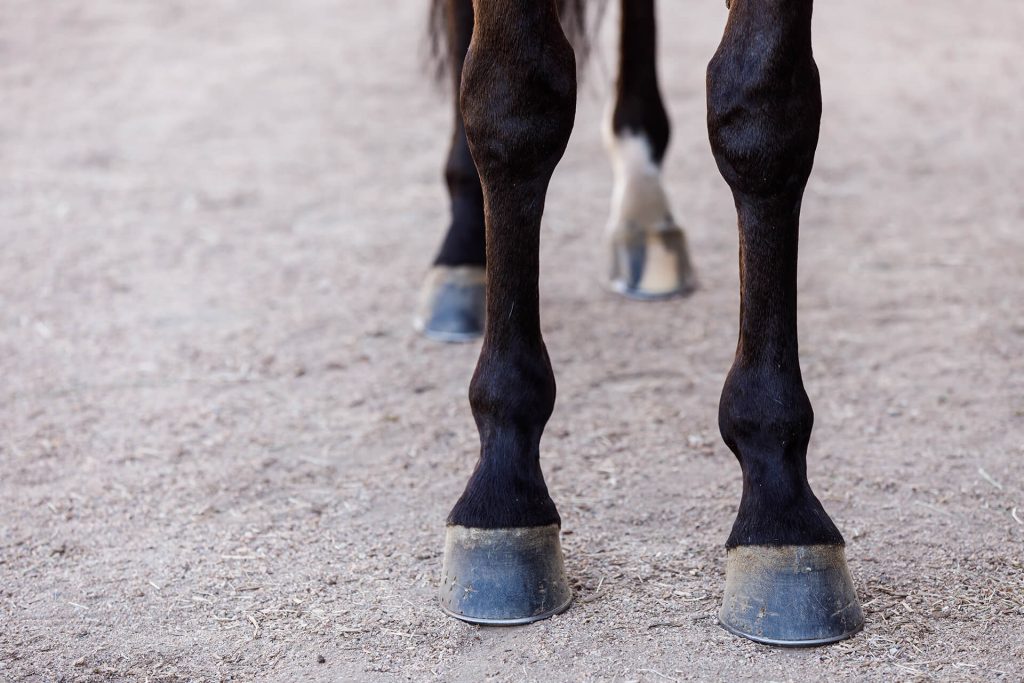
Owning a horse also comes with the responsibility of ensuring proper health care. Regular veterinary check-ups, vaccinations, dental care, and farriery (hoof care) are all critical aspects of responsible ownership. Health issues can arise unexpectedly, potentially leading to significant financial expenses. Owners should be prepared for the possibility of emergencies or chronic conditions that may require ongoing treatment.
Developing a relationship with a knowledgeable veterinarian experienced in equine care is essential. This partnership can help ensure that any health challenges are addressed promptly and efficiently.
Understanding these challenges will prepare potential horse owners for the reality of horse ownership. While the rewards of companionship, joy, and personal growth that horses provide are unparalleled, taking on the responsibility of caring for a horse requires serious thought and commitment.
DISCOVER MORE: Click here to learn about how genetics shape dog behavior
Conclusion: Weighing the Advantages and Challenges of Horse Ownership
In conclusion, the journey of horse ownership is one marked by both rewarding experiences and considerable responsibilities. The idea of bringing a horse into your life can ignite a sense of joy, foster a deep connection, and offer opportunities for personal growth. However, prospective owners must carefully consider the challenges that accompany this unique relationship. From the need for adequate space and proper shelter to the complexities of nutrition and veterinary care, horse ownership is a significant commitment that goes far beyond the initial attraction of having a majestic pet.
As highlighted throughout this article, understanding the requirements of horse breeds as pets—ranging from time and financial considerations to emotional fulfillment—is vital for ensuring the well-being of both owner and animal. Furthermore, educational resources are abundant, with numerous books, online forums, and communities dedicated to supporting horse enthusiasts. Engaging with these resources can provide invaluable insights and help potential owners make informed decisions.
Ultimately, while horses can be wonderful companions, they are not for everyone. By taking the time to evaluate your lifestyle, available resources, and commitment level, you can determine whether adding a horse to your family aligns with your personal goals and capacity. Embracing this responsibility can lead to a fulfilling and enriching experience, creating a harmonious bond between horse and owner.