How to Create a Safe and Stimulating Environment for Indoor Pets
Creating a Safe Oasis for Your Indoor Pets
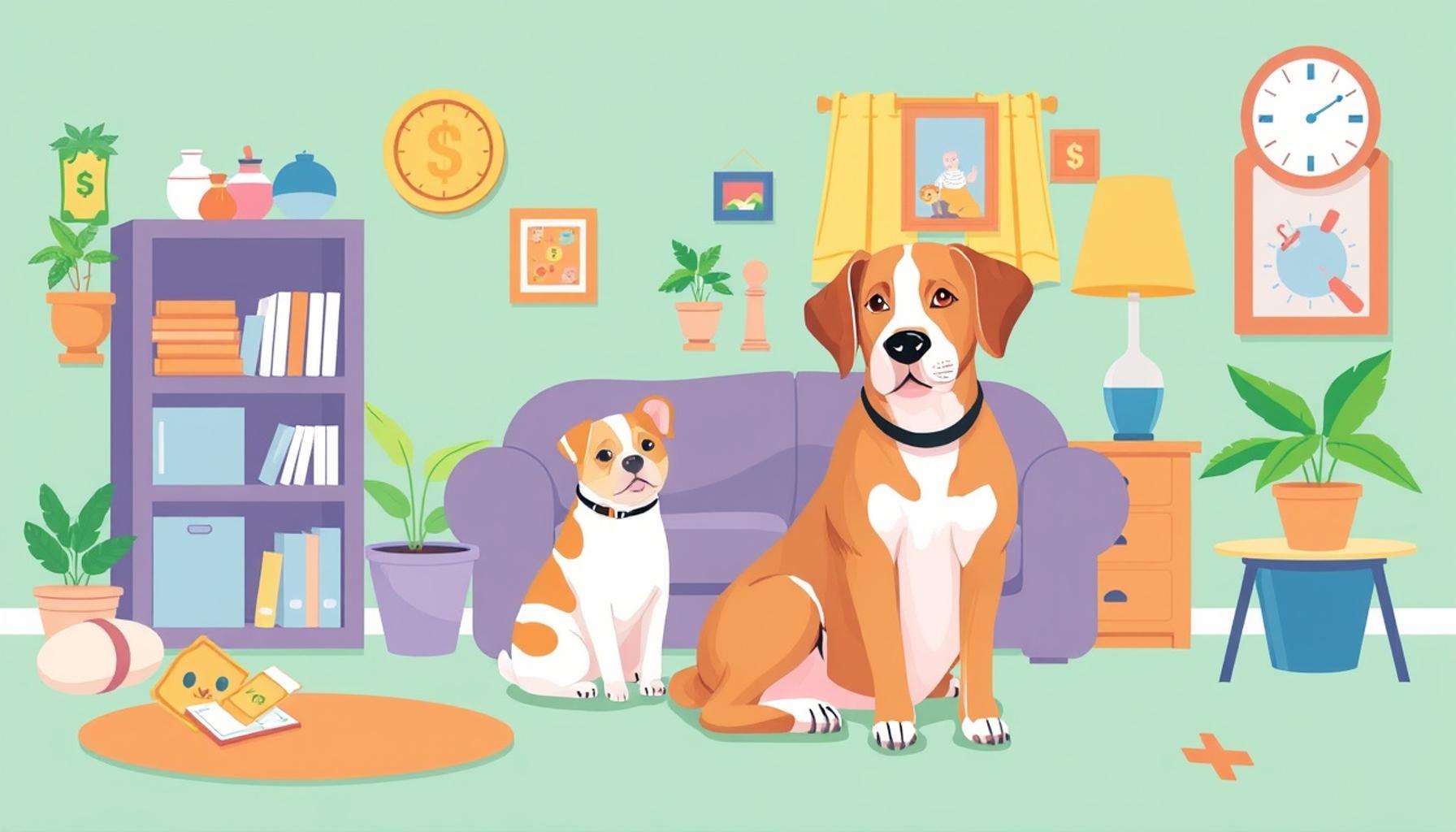
Providing a secure and nurturing environment for indoor pets is essential for their overall happiness and well-being. A well-designed living space not only protects them from potential hazards but also enhances their mental and physical health. Here are some crucial elements to consider for creating an indoor oasis for your furry companions.
- Safety Features: Begin by assessing your home for potential dangers. Common choking hazards include small objects like buttons, rubber bands, and toys with detachable parts. Additionally, be aware of toxic plants such as lilies, poinsettias, and philodendrons, which can be harmful if ingested. To prevent accidents, tape down electrical cords and secure heavy items that could easily tip over. Childproof locks on cabinets can also keep them away from harmful household cleaners and chemicals.
- Enrichment Activities: A stimulating environment is vital for your pets’ mental health. Consider incorporating a variety of toys, such as puzzle feeders that challenge them to think critically to access treats, or scratching posts designed for their natural instincts. For active pets like cats, installing climbing shelves or cat trees can provide an elevated play area, while dogs appreciate interactive games that require them to use their sense of smell and problem-solving skills.
- Comfort Zones: Your home should include cozy spaces where pets can feel safe and relaxed. Designate areas with soft, plush bedding where they can curl up and unwind away from household activity. Use quiet corners, fur-lined crates, or special pet-friendly nooks where they know they can retreat whenever they feel overwhelmed. This sense of security is essential for their mental health.
Each pet has its own unique needs and preferences, making it essential to observe their behaviors and tailor the environment accordingly. Indoor pets, whether they be cats, dogs, or small mammals, flourish in settings that harmoniously blend safety and stimulation.
- Routine: Establishing a consistent daily schedule can create a sense of predictability for your pets. Feeding, play, and exercise times are vital to maintain their health and happiness. A routine can help reduce anxiety, as pets thrive on knowing what to expect throughout their day.
- Social Interaction: Quality time spent with your pets is invaluable. Engaging in play, training exercises, or simply relaxing together strengthens your bond and provides necessary social interaction for their emotional development. Positive partnerships with humans can significantly improve their overall behavior and lessen feelings of loneliness.
- Variety: To keep things exciting, regularly rotate toys and activities. This strategy not only helps maintain your pet’s interest but also encourages ongoing engagement and exploration. Introduce new textures or scents in their environment to stimulate their curiosity and enrich their playtime.
By focusing on these critical areas, your living space can become a harmonious sanctuary that significantly improves your indoor pets’ lives. With a little creativity and attention to detail, you can ensure that your pets are not only safe but joyfully engaged every day, leading to a happier, healthier life.
Essential Safety Considerations for Indoor Pets
When it comes to our beloved indoor pets, their safety should always be the top priority. Ensuring a safe environment means not only removing immediate dangers but also considering long-term health and well-being. Here are key safety features to keep in mind:
- Hidden Dangers: Many household items that seem innocuous can pose serious threats to pets. For instance, strings from blinds or electrical cords can be choking hazards. Ensure that these items are securely fastened out of your pet’s reach, or consider investing in cord management solutions. Additionally, be vigilant about items left lying around, such as paper clips or rubber bands, which can easily capture a curious pet’s attention.
- Pet-Friendly Plants: Aesthetic plants can enhance your living space, but some common houseplants can be toxic to pets. Before introducing greenery to your home, research to make sure they are pet-friendly. Popular non-toxic options include spider plants, bamboo palms, and Boston ferns, all of which can safely coexist with your furry friends.
- Secure Spaces: Create designated areas where pets can safely explore without the risk of injury. If you have multiple rooms, using baby gates can prevent pets from accessing hazardous areas, such as kitchens or staircases. This way, you give them the freedom to roam while ensuring their safety within controlled limits.
Aside from safety, taking a comprehensive approach to your pet’s environment involves considering their psychological health as well. It’s crucial to offer experiences and interactions that promote mental stimulation.
Exploring Mental Enrichment
A stimulating environment for your indoor pets can significantly enhance their quality of life. Here are some engaging activities that contribute to their mental well-being:
- Puzzle Feeders: These creative toys provide an interactive way for pets to receive treats. They challenge your pet’s problem-solving skills and can make mealtime more engaging. Cats often enjoy toys that mimic hunting behavior, while dogs benefit from feeders that require them to work to uncover their food.
- Training Games: Regular training sessions not only help in reinforcing good behavior but also stimulate your pet’s mind. Incorporating new tricks or commands can keep their brains active while strengthening your bond through positive reinforcement techniques.
- Movement and Space: Indoor pets need room to move around and explore. Consider setting up an agility course or creating zones with different textures, surfaces, and climbing opportunities which can induce natural exploration tendencies. For instance, using a series of tunnels and small boxes can encourage cats to leap and hide, enhancing their playful instincts.
By focusing on these essential safety features and mental enrichment activities, you will cultivate a thriving indoor environment for your pets. Not only will your home become a safe sanctuary, but it will also foster a stimulating atmosphere for playful and enthusiastic pets, fulfilling their innate needs. Exploring these elements deeply will lead to a happy, well-adjusted pet and a harmonious household.
Creating a safe and stimulating environment for indoor pets is essential not just for their well-being, but also for maintaining a harmonious household. Indoor pets, from cats to dogs and even small mammals, benefit significantly from a carefully curated living space. Below are some valuable aspects to consider when designing your pet-friendly environment.First and foremost, safety is paramount. Ensure that your home is free from hazards such as toxic plants, small objects they could swallow, or exposed wires. Many common household items, including certain cleaning products and human foods, can be harmful to pets. Awareness and prevention can mitigate risks, allowing pets to explore safely. Additionally, utilizing safety gates or netting can help keep pets confined to specific areas of the home while reducing the chances of accidents.Moreover, mental stimulation is crucial for your pet’s health. Incorporating a variety of toys, scratching posts, climbing structures, and interactive puzzles can significantly enhance their well-being. This variety caters to their natural instincts—cats, for instance, love to climb and scratch, while dogs need toys that challenge them mentally. The right mix of activities can stave off boredom and behavioral issues.Environmental enrichment extends beyond toys. Adding cozy nooks, such as pet beds or safe perches, gives pets a comforting space where they can retreat. Incorporating elements like cat trees or dog ramps allows pets to express natural behaviors while enjoying their surroundings. Don’t forget that social interaction plays a key role as well. Engaging your pets in playtime or training sessions strengthens your bond and keeps their minds sharp. Consider setting aside dedicated time each day for this purpose, as regular interaction can help alleviate anxiety and promote a happier pet.Finally, always be vigilant and attentive to the changing needs of your pet. Regularly assessing their environment and adjusting it to better suit their needs is crucial. This proactive approach not only ensures a safe atmosphere but also creates a fulfilling living space that promotes happiness and health for your indoor companions.By focusing on these foundational elements—safety, mental stimulation, comfort, and interaction—you can master the art of creating a secure and enriching environment for your beloved indoor pets.
Enhancing Social Interactions and Physical Activity
While mental stimulation is essential, social interactions and physical activity are equally critical in nurturing the overall well-being of indoor pets. A holistic approach to their environment includes fostering healthy relationships with both humans and fellow pets, as well as encouraging physical play. Here are methods to integrate these aspects into your indoor space:
- Socialization Opportunities: Allowing pets to mingle with family members or other pets can reduce anxiety and promote happiness. Create scheduled playdates with other pet owners or, if feasible, adopt another pet that complements your existing one. For example, a playful dog can benefit from a companion cat’s presence, while both gain from each other’s antics.
- Engaging Toys: Invest in a variety of toys tailored for your pet’s species and personality. For instance, dogs may enjoy interactive squeaky toys or tug ropes, while cats might prefer feather wands or laser pointers. These toys not only provide entertainment but also encourage you to actively participate in play, reinforcing your bond and providing the exercise your pet craves.
- Outdoor Exploration: Whenever possible, enhance your pet’s environment with safe outdoor experiences. Explore options like leash training for dogs to ensure they can enjoy fresh air and new scents while remaining under your control. For cats, consider creating a secure ‘catio’—an enclosed outdoor space that offers a taste of nature without the risks of roaming free. This can include climbing trees, perches, and shaded areas for rest.
Providing a Variety of Enrichment Activities
To stimulate both the mind and the body, incorporating a range of enrichment activities can lead to a vibrant and engaging indoor environment. Here are creative ideas to expand your pet’s life:
- Rotating Toys: Keeping your pet’s toys fresh can rekindle interest and excitement. Regularly cycle different toys in and out of their play area so that they encounter “new” items frequently. This simple strategy is often enough to engage their natural curiosity without needing to purchase additional toys.
- DIY Enrichment: Get crafty with DIY projects that provide enrichment without breaking the bank. For example, a simple cardboard box can become an adventurous hide-and-seek space for cats, while dogs may enjoy sniffing out treats hidden in a towel roll. These activities bring out your pet’s innate instincts, fulfilling their need to explore.
- Utilizing Technology: In today’s digital age, technology can play an instrumental role in pet enrichment. Interactive cameras or treat dispensers can allow you to engage with your pet remotely. Features that enable you to dispense treats or even communicate through a two-way audio function can alleviate separation anxiety and keep your pet mentally stimulated while you’re away.
By facilitating effective socialization, providing varied physical activities, and creatively engaging enrichment opportunities, you can significantly enhance the happiness and health of your indoor pets. This careful attention to both their social needs and physical activity levels is paramount in constructing an environment that nurtures both safety and stimulation, creating a fulfilling life for your furry companions.
Conclusion
Creating a safe and stimulating environment for indoor pets is not just about meeting basic needs; it’s about fostering a vibrant and enriching life that promotes overall well-being. By addressing the physical, mental, and social aspects of your pet’s life, you set the stage for a happier and healthier companion. Begin by incorporating safe spaces tailored to their unique needs, ensuring they have areas for relaxation and security. Meanwhile, addressing their need for mental stimulation through engaging toys, interactive play sessions, and puzzle games encourages them to utilize their natural instincts.
Moreover, fostering social interactions with both humans and fellow pets can significantly enhance their emotional health, reducing anxiety and promoting positive behaviors. Don’t underestimate the value of physical activity. Regular playtime and safe outdoor exploration can provide an outlet for energy and much-needed exercise, contributing to a balanced lifestyle. And as technology continues to evolve, consider leveraging innovative tools that allow you to connect with your pets even when you’re apart.
Ultimately, the goal is to create an environment that reflects a thoughtful consideration of your pet’s needs. By investing in their happiness through diverse enrichment activities, you not only strengthen your bond but also enrich their quality of life. As you embark on this journey, remember that each pet is unique—take the time to observe their preferences and behaviors to tailor your approaches to ensure a fulfilling indoor life for your cherished companions.