
How to Prepare Your Home for the Arrival of an Adopted Pet: Safety and Comfort
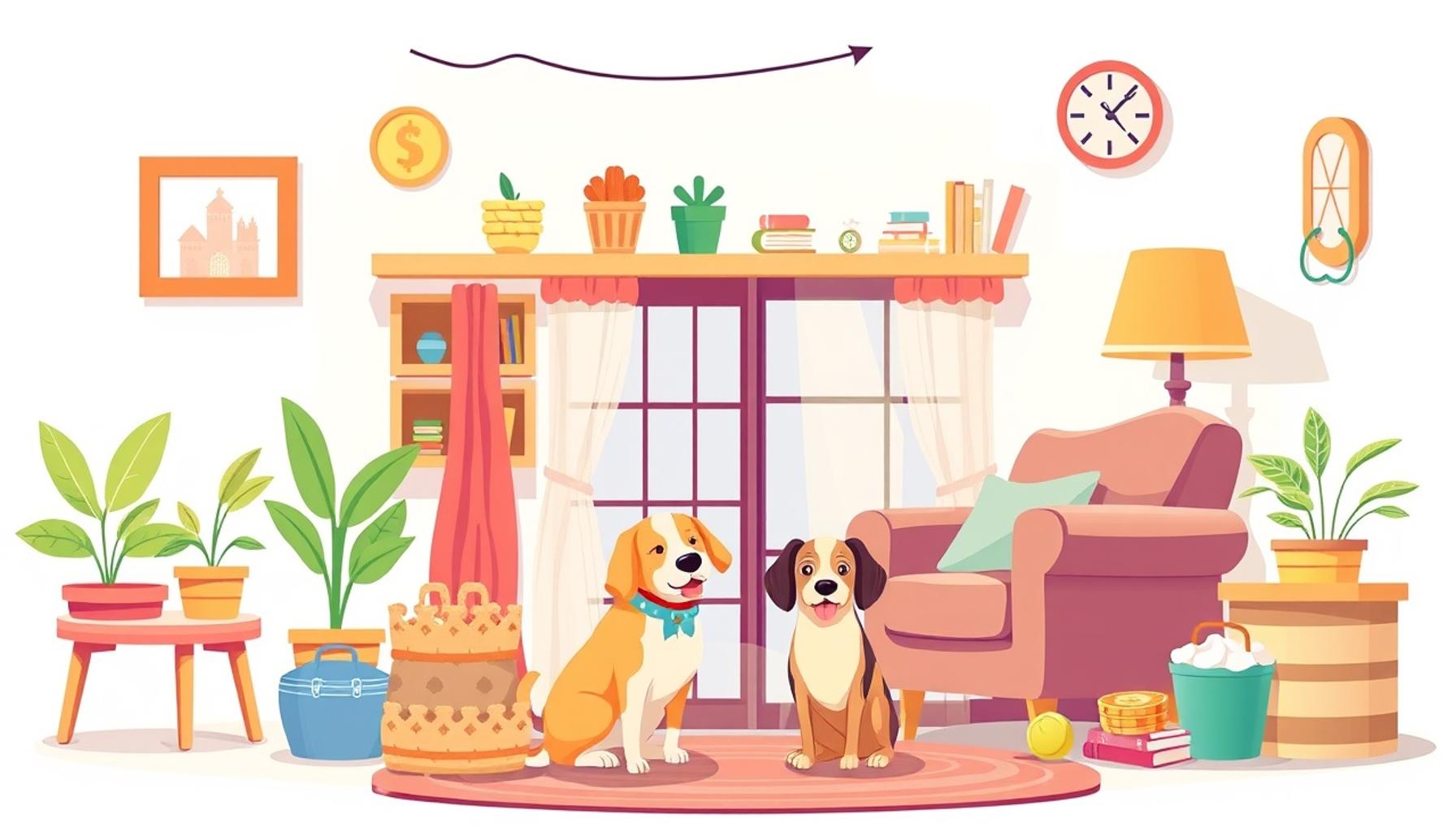
Creating a Safe and Welcoming Environment for Your Pet
Welcoming an adopted pet into your home is an adventure filled with excitement and joy. However, this journey also demands a series of responsibilities aimed at ensuring both safety and comfort for your new furry friend. Before you bring home your new companion, it’s essential to take proactive steps that will facilitate a smooth transition for both you and your pet.
Pet-Proofing Your Space
One of the most crucial aspects of preparing for a new pet is pet-proofing your home. Start by identifying potential hazards. For instance, many common household plants are toxic to animals, including philodendrons and lilies. Remove these from your living space or place them in areas that are completely inaccessible to pets. Additionally, make sure to hide or secure loose cords, as curious pets may chew on them, posing a serious electrical hazard. Open trash cans can be a treasure trove of dangers; consider investing in pet-proof lids or simply keeping them behind cabinet doors.
Setting Up a Designated Area
Establishing a cozy, designated area for your pet can significantly aid in their adjustment. This spot should ideally be quiet and away from the hustle and bustle of your household. Equip this space with a comfortable bed, engaging toys, and easily accessible food and water bowls. A familiar item, such as a blanket from the shelter or a piece of your clothing, can also help ease their transition by providing a sense of security and familiarity.
Gathering Essential Supplies
Prior to your new pet’s arrival, it is vital to gather supplies that will meet their immediate needs. For dogs, this includes high-quality dog food, treats, and a harness or collar. Cats, on the other hand, require litter, a litter box, and possibly scratching posts to help them express their natural behaviors. Additionally, basic grooming tools such as brushes and nail clippers are important for regular maintenance and hygiene. Being well-prepared can make your new pet’s transition into your home smoother and more comfortable.
Understanding Unique Needs
Every pet is unique, coming with specific requirements derived from their breed, age, and temperament. Researching these needs further ensures that your home environment is tailored to your pet’s lifestyle. For example, high-energy breeds like Border Collies will need ample space and opportunities for exercise, while more laid-back breeds may thrive in quieter settings. Understanding your pet’s behavior patterns will not only enhance their comfort but also strengthen the bond you share.
With all of these preparation steps, you’re creating an environment where your adopted pet can truly thrive. Every action taken towards making your home pet-ready enhances not just their quality of life, but also brings peace and harmony to your household. Stay engaged with us as we explore more in-depth considerations and practical tips for making your home a loving sanctuary for your new furry family member. Your future companion will undoubtedly appreciate the thought and care you put into making them feel at home!
DISCOVER MORE: Click here to learn about the importance of supplements in pet nutrition
Essential Preparations for Your New Companion
As you prepare to welcome an adopted pet into your home, the excitement for this new chapter is often accompanied by an understanding of the responsibilities that lay ahead. Ensuring a safe and comfortable environment is paramount to making this transition successful. Taking the time to assess and adjust your living space can set the stage for a joyful and harmonious relationship with your new furry friend.
Identifying Safety Hazards
Before the arrival of your pet, it is critical to conduct a thorough examination of your home for potential safety hazards. These can range from exposed electrical cords to chemicals stored under your sink. Here’s a checklist to help you identify potential risks:
- Toxic plants: Common houseplants like aloe vera and sago palms can be harmful to pets. Consult sources such as the ASPCA’s list of toxic plants or seek advice from your local veterinarian.
- Small objects: Items left on the floor, such as coins, buttons, or decorative pieces, can become choking hazards for curious pets.
- Cabling and cords: Ensure all wires and cords are secured out of reach or protected by cord covers to prevent curious pets from chewing.
- Open windows: Install screens on windows to prevent falls, especially if your pet is prone to exploring high places.
- Medications and chemicals: Store all medications, cleaning supplies, and potentially hazardous substances in closed cabinets out of your pet’s reach.
By addressing these factors, you can significantly reduce the risks your pet may encounter as they navigate their new environment.
Setting Up a Comfort Zone
Creating a comfort zone within your home will not only make your pet feel welcome but also offer them a place to retreat whenever they feel overwhelmed. This area should be accessible but away from high traffic zones. Here’s how you can set up their comfort zone:
- Comfortable bedding: Choose a bed that meets your pet’s size and comfort preferences, as it will be their go-to spot for naps and relaxation.
- Toys: Include a selection of engaging toys that are suitable for your pet’s age and size to encourage play and exploration.
- Food and water bowls: Set up a designated feeding area with durable bowls that are easy to clean and refill.
- Safe space: Consider a crate or an enclosed area where your pet can feel secure, especially during the initial adjustment period.
Adopting these recommendations will help your pet feel secure in their new home and allow them to acclimate at their own pace.
Stocking Up on Supplies
Once you’ve established a safe and comfortable environment, it’s time to gather essential supplies for your pet. Taking the time to purchase the right items can be a game-changer in ensuring your pet’s well-being right from day one. Here’s a list of essential supplies you may need:
- High-quality pet food: Research and choose food that caters to your pet’s specific dietary needs based on their age, breed, and health requirements.
- Leashes and collars: Ensure you select products that fit your pet comfortably while also accounting for their size and strength.
- Grooming tools: Invest in brushes, combs, and nail clippers to maintain your pet’s hygiene and health.
- Training materials: If you’re bringing home a puppy or kitten, consider purchasing training pads or behavioral aids to facilitate their training.
By gathering these essential supplies ahead of time, you can ensure a smoother transition for your new pet and show them that your home is their home too.
Creating a Safe Environment for Your Adopted Pet
Once you have decided to adopt a pet, the first step is to prepare your living space to ensure a safe and comfortable environment. This involves several practical steps to address potential hazards within your home.
Pet-Proof Your Home
Begin by identifying areas in your house that may pose risks to your new furry friend. Start at ground level, as many pets are naturally curious and tend to explore low surfaces. Secure loose wires and remove any small items that could be swallowed. It’s important to store harmful substances, such as cleaning supplies, medications, and chemicals, out of reach or in locked cabinets to prevent accidental ingestion. Next, ensure that windows and balconies are secure. Installing screens can help protect your pet from falls or escapes. If you have a garden, check for toxic plants; several common household and garden plants are poisonous to pets.
Comfort and Adaptation
Establish a dedicated space for your pet that includes a cozy bed, food and water bowls, and toys. This safe zone can help your pet feel at home and reduce anxiety during the transition. Introducing a consistent routine for feeding and walking will also aid in their adaptation, establishing trust and security as they learn their new environment.Moreover, consider the type of flooring and furnishings in your space. Soft rugs can prevent slips and falls, while durable, washable materials can tackle pet hair and accidents, making the cleaning process easier.
Building a Positive Environment
To encourage a positive association with their new home, engage in interactive play that stimulates your pet’s mind while strengthening the bond you share. Using treats can aid in training and reinforce good behavior, paving the way for a harmonious living arrangement. These essential steps not only promote your pet’s safety but also foster comfort, setting the foundation for a lasting companionship as they settle into your home. With the right preparations, your adopted pet can thrive in a secure and joyful atmosphere.
LEARN MORE: Click here for effective housebreaking tips
Your New Pet’s Health and Wellness
As the excitement builds for the arrival of your new furry friend, ensuring their health and wellness is just as crucial as creating a safe and comfortable environment. From vet visits to preventive measures, making provisions for your pet’s well-being can greatly affect their happiness and quality of life. Understanding what measures to take before your pet arrives will help you navigate the first few days with ease.
Establish a Veterinary Connection
Before your pet comes home, it’s wise to find a reputable veterinary clinic. A good veterinarian will not only provide essential vaccinations and health check-ups but will also serve as a valuable resource for questions about nutrition or behavioral issues. Research and schedule an initial consultation, and consider asking the following:
- Vaccination protocols: Understand what vaccinations your pet needs and what timelines you should follow.
- Dietary recommendations: Discuss what diet is best for your adopted pet based on their breed, age, and health background.
- Preventive medications: Inquire about flea, tick, and heartworm prevention to protect your pet from common parasites.
Having these discussions before your pet arrives can help to ensure a smooth transition from the shelter or rescue to your home.
Creating a Routine
Pets thrive on routine, and establishing a schedule early on can ease anxiety during the adjustment period. Be consistent with feeding, bathroom breaks, and playtime, which helps your pet settle in. Consider the following steps to create a reliable routine:
- Mealtime: Feed your pet at the same times each day to help them learn when to expect meals.
- Bathroom schedule: Regular potty breaks will aid house training and give your pet a sense of security.
- Playtime and exercise: Regular physical activity helps prevent behavior issues related to boredom and can be a great bonding experience.
By establishing a well-defined routine, you reinforce a comforting structure that your new companion can rely on as they acclimate.
Pet Proofing for Wellness
While you’ve previously assessed areas for safety hazards, pet-proofing also contributes significantly to your pet’s health. Beyond removing immediate dangers, consider the following wellness-related adjustments:
- Non-slip mats: If you have hardwood or tile floors, use non-slip mats to prevent accidents while they learn to navigate their new environment.
- Temperature control: Ensure your home’s temperature is comfortable for your pet. Avoid leaving them in areas where heat or cold can become too extreme.
- Regular grooming: Prepare equipment and designate a grooming area since grooming contributes significantly to your pet’s overall health.
Taking proactive steps can help to eliminate unnecessary stress and discomfort during your pet’s transition into your home.
Socialization and Adjustment Strategies
Finally, socialization is a critical component that often gets overlooked. As your new pet adjusts, it’s essential to introduce them to various aspects of their new life gradually. Here’s how to facilitate a smooth socialization process:
- Controlled introductions: If you have other animals, introduce them slowly and carefully to prevent overwhelming your new pet.
- Positive reinforcement: Use treats and praise when your pet explores new areas or meets new people or pets to foster good connections.
- Time outs: Allow your pet to retreat to their comfort zone when they feel stressed; never force them to confront new experiences too quickly.
By integrating these strategies, you provide an enriching experience and a more inviting home for your newly adopted pet, ensuring a happy and fulfilling environment for both of you. Taking these steps is not just about preparing your home; it’s about setting the stage for a loving partnership that flourishes over time.
LEARN MORE: Click here for effective training tips
Final Thoughts on Welcoming Your New Companion
Preparing your home for the arrival of an adopted pet is an essential step in ensuring their safety and comfort. By proactively focusing on aspects like health care, establishing a routine, and effectively socializing your new friend, you are laying the groundwork for a strong and lasting bond. Each measure you take not only enhances your pet’s quality of life but also illustrates your commitment to their well-being as part of your family.
As you navigate this exciting journey, consider the unique needs of your new pet, whether it be their species, breed, or individual personality traits. Every step—from removing hazards to implementing a daily schedule—helps build a robust foundation of trust and security. Remember, the adjustment period may take some time, and it is perfectly normal for your pet to explore their surroundings at their own pace. Patience and understanding are key.
Ultimately, your loving and prepared environment will make all the difference in how quickly your new pet adapts. As you welcome them into your home, you are not just providing a roof over their head but also a loving space where they can thrive. Dive deep into the resources available on pet care, connect with local shelters, and stay informed about ongoing support for adopted animals. Each small action contributes toward a harmonious life together, ensuring many joyful years ahead filled with memories, companionship, and love.