How to Train Your Dog to Obey Basic Commands: Practical Tips for Beginners
Understanding the Basics of Dog Training
Training your dog to obey basic commands is not just about ensuring good behavior; it’s about establishing a strong bond between you and your furry friend. Many pet owners underestimate the power of foundational commands. However, mastering these skills can lead to a happier, safer life for both you and your dog.
Why Basic Commands Matter
Teaching your dog essential commands is crucial for several reasons:
- Safety: Commands like “sit” or “stay” can prevent accidents in potentially dangerous situations. For example, a dog that knows to sit before crossing the street can avoid traffic-related hazards.
- Control: Having your dog respond to commands allows for better management in public spaces. Imagine a bustling park: a well-trained dog is able to enjoy their freedom while ensuring that you have the control necessary to keep them and others safe.
- Communication: Training opens lines of communication, fostering understanding between you and your dog. This two-way interaction enhances the relationship and creates a more harmonious home environment.
Many may wonder where to start with dog training. The truth is, consistency and patience are key. A dog’s ability to learn is astonishing; they can understand words, gestures, and even tonal changes in your voice. With committed practice, any breed can learn to obey basic commands, whether it’s a lively Labrador Retriever or a clever Poodle.
A Practical Approach for Beginners
This guide offers practical tips and techniques that are perfect for those new to dog training. One of the first steps is to choose the right rewards. Positive reinforcement—like treats, praises, or playtime—can motivate dogs far more than punishment. For instance, rewarding your dog with their favorite treat after they sit on command reinforces good behavior and encourages them to repeat it.
Another important element is understanding your dog’s body language. Signs of engagement, like a wagging tail or an alert posture, indicate they are ready to learn, while signs of stress, such as cowering or growling, suggest a need for a softer approach. Recognizing these cues can be pivotal in shaping effective training sessions.
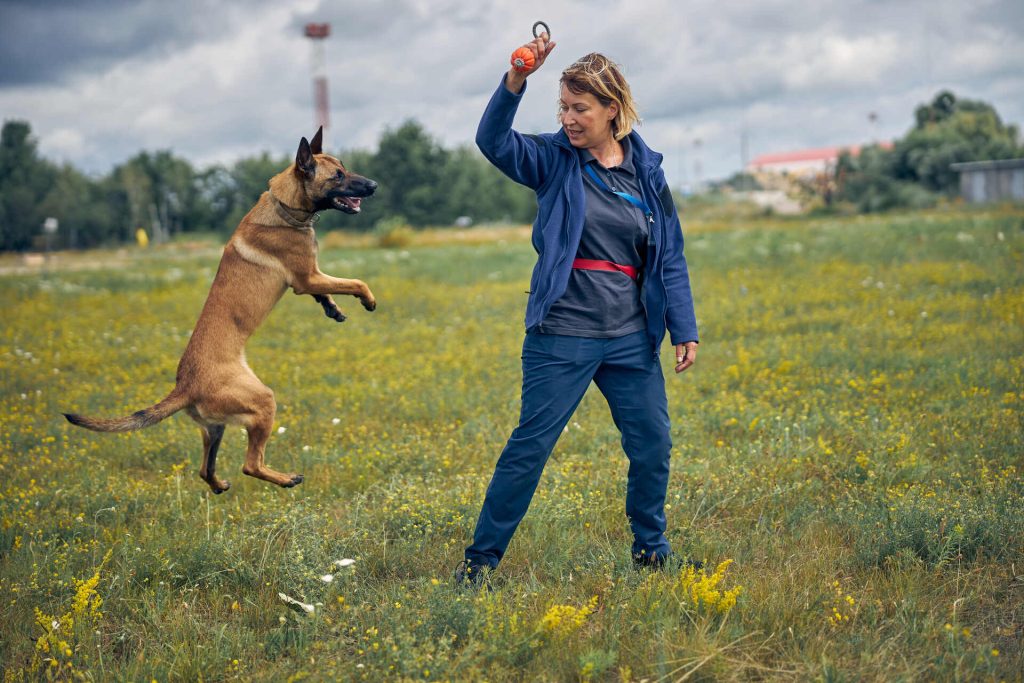
Additionally, training sessions should be short and enjoyable. Dogs have relatively short attention spans, so keeping training sessions upbeat and around 5 to 10 minutes can lead to more productive sessions. Ending on a positive note, perhaps with a game of fetch, reinforces the excitement of learning.
By implementing these strategies, you can foster a solid groundwork for a well-behaved pet. Join us as we explore these vital commands and the effective methods you can apply today to enhance your training experience and strengthen the bond with your four-legged companion!
DIVE DEEPER: Click here to learn more about pet nutrition
Establishing a Positive Learning Environment
Creating the right atmosphere for dog training is vital for achieving success. A calm and distraction-free setting helps your dog stay focused, allowing them to absorb the commands more effectively. Start training in a quiet area of your home, gradually introducing distractions as your dog becomes more proficient at following commands. This progressive approach ensures that your four-legged companion learns to obey commands in various environments.
Choosing the Right Time for Training
Timing can greatly influence your dog’s ability to learn. Dogs are most alert and eager to engage shortly after they’ve had exercise or playtime. Plan training sessions when your dog is relatively calm but still has energy. Otherwise, a dog that’s too tired or too hyper can struggle to concentrate, undermining the effectiveness of your training efforts.
Finding the Best Training Techniques
There are numerous techniques to explore when starting your dog’s training journey. Here are a few effective methods to consider:
- Clicker Training: Using a clicker can help mark the desired behavior precisely at the moment it occurs. After clicking, reward your dog immediately. This reinforces the behavior you want to encourage.
- Leash Training: While teaching commands, use a leash to guide your dog gently into the correct position. This also establishes boundaries, making it easier for your dog to learn.
- Modeling Behavior: Sometimes, having another trained dog demonstrate commands can influence your dog’s learning. Dogs are observant creatures, and watching a peer obey a command can motivate them to do the same.
As you explore these different techniques, keep in mind that not every method will suit every dog. Feel free to experiment to see which approach resonates best with your pet; they may respond strongly to one method over another.
Key Commands to Teach First
Before diving deeper into training, it’s essential to identify which basic commands you’d like to introduce first. The following commands are a great starting point for beginners:
- “Sit”: A fundamental command that serves as a good starting point for establishing control.
- “Stay”: This command can prevent your dog from wandering off or entering dangerous situations.
- “Come”: A vital command for ensuring your dog returns to you, especially off-leash. It can be a lifesaver in unpredictable scenarios.
By focusing on these invaluable commands, you set the stage for more advanced training, reinforcing the bond you share while promoting your dog’s safety and well-being. Training is an ongoing process—one full of discovery and joy. As you continue this journey, remember that patience and positivity can go a long way in shaping a well-behaved and responsive pet. Stay tuned as we delve deeper into effective methods for each command and tips on how to troubleshoot potential setbacks along the way!
Understanding the Basics of Dog Training
Training your dog to obey basic commands is an essential part of pet ownership that sets the foundation for a well-behaved and happy companion. Before diving into specific commands, it’s important to understand that consistency, patience, and positive reinforcement are key elements in effective dog training. Establishing a bond with your dog through trust and respect will encourage them to respond more positively to your commands.To begin, familiarize yourself with the most common commands that all dogs should learn. These include “sit,” “stay,” “come,” “down,” and “leave it.” Each command plays a crucial role not only in obedience but also in the safety of your dog, particularly in high-stress situations or around potential dangers. Positive reinforcement, such as praise or treats, is a technique that encourages your dog to repeat desired behaviors.
Creating a Conducive Training Environment
When beginning your dog’s training journey, it’s vital to create an environment conducive to learning. Choose a quiet location with minimal distractions for your training sessions. Make sure to have some tasty treats on hand to reward your dog immediately when they follow a command. Remember, the positive reinforcement must occur right after the desired behavior to help your dog make the connection.Training sessions should be kept short and engaging, ideally lasting between 5 to 10 minutes. Puppies and young dogs may have shorter attention spans, so frequent, brief sessions can be more effective than longer ones. Keep the tone upbeat and lively; your enthusiasm can greatly influence your dog’s eagerness to learn.
Implementing Practical Techniques
When teaching commands, start with simple actions like “sit.” Hold a treat close to your dog’s nose, and then move the treat upwards, allowing them to follow it with their head. As their head moves up, their bottom will naturally lower. Once they are in a sitting position, communicate the command clearly and reward them immediately. Repeat this process consistently until they have mastered the command.For more complex commands, use clear and specific cues, both verbal and physical. For example, when teaching “stay,” use a hand signal as a visual cue alongside the verbal command. This dual approach aids in memory retention and reinforces their understanding of what is expected.As your dog becomes proficient with basic commands, gradually increase the level of difficulty by introducing distractions or practicing in different environments. This helps generalize the commands and ensures they learn to obey regardless of the surroundings.Remember, patience and a positive mindset are crucial when training your dog. Celebrate their small victories, and remember that training is an ongoing process. With each command learned, you’ll strengthen the bond with your furry friend and ultimately foster a more harmonious household. Incorporating these techniques into your routine can not only boost your dog’s obedience but also enhance their overall well-being, encouraging healthy habits and social behavior. The journey of training your dog can be immensely rewarding, paving the way for a lasting companionship filled with trust and understanding.
DISCOVER MORE: Click here to learn about essential nutrition for your pets
Reinforcing Commands with Rewards and Praise
One of the most effective ways to promote good behavior and ensure your dog learns to follow commands is through a system of rewards and positive reinforcement. Dogs naturally respond well to praise, treats, and petting, creating a motivating environment that encourages compliance. The key is to give rewards immediately after your dog successfully follows a command, reinforcing the connection between the action and the reward.
Understanding the Power of Treats
When it comes to training your dog, treats can be a powerful tool. High-value treats, such as small pieces of chicken, cheese, or commercial dog-training treats, are often more effective than regular kibble. Choose something that your dog finds exceptionally appealing. Use these treats judiciously—reserve them for training sessions to keep your dog excited and engaged. As your dog begins to understand the commands, you can gradually introduce less enticing rewards but continue to offer verbal praise and affection for reinforcement.
Incorporating Verbal Praise and Affection
In addition to treats, it’s important to incorporate verbal cues such as “good boy” or “well done” when your dog successfully follows a command. The sound of your voice can reinforce their behavior and strengthen the bond you share. Dogs are incredibly attuned to human emotions; using an upbeat, cheerful tone can motivate them to engage more eagerly in training. Physical affection, such as petting or playtime, can also deepen this connection and encourage your dog to perform well.
Maintaining Consistency in Commands
Consistency is vital in dog training. Dogs thrive on routine and clear expectations. Use the same word and tone for each command to avoid confusion. For instance, if you’re teaching “sit,” always use that word—not “down” or “sit down.” This consistency extends to all family members; everyone in the household should use the same commands to ensure your dog receives uniform guidance.
Gradual Progression and Expectations
As your dog masters the basic commands, begin to introduce variations in the training environment. Start by asking them to execute commands in different rooms, then progress to distracting locations, such as a park or backyard. Remember to set realistic expectations—every dog learns at their own pace. Be patient and avoid showing frustration; this can impede progress and create anxiety for your pet. If your dog struggles with a command, it may be beneficial to take a step back and reinforce the command in a familiar, calm environment before trying again.
Troubleshooting Common Training Issues
It’s common to encounter challenges during training sessions. If your dog doesn’t respond or seems distracted, consider the choice of rewards or the training environment. Sometimes, if your dog isn’t interested in treats, it may be necessary to change up your approach. Additionally, a dog showing signs of anxiety or stress during training might benefit from shorter, more frequent training sessions instead of longer ones, reducing any overwhelming feelings. Remember that building a strong foundation takes time, and each small success leads to more significant strides in your dog’s training journey.
As you continue to explore various techniques and methods, keep the focus on creating a positive experience for both you and your dog. Celebrate the small victories and watch your furry friend blossom into a well-trained companion, ready to tackle new commands and challenges along the way.
DON’T MISS: Click here for expert puppy training tips
Conclusion
Training your dog to obey basic commands is an essential step in fostering a harmonious relationship between you and your furry friend. By employing positive reinforcement, utilizing high-value treats, and incorporating verbal praise, you can create an engaging and motivating training environment. Remember, each dog is unique and may progress at different rates, so patience and consistency are of utmost importance throughout this journey.
As you work through the challenges of training, consider the importance of maintaining a routine and using clear, consistent commands. This clarity allows your dog to build confidence and successfully respond to your requests. When issues arise, take a moment to assess the training environment and your approach, perhaps adjusting your methods to reinstate enthusiasm for learning.
Ultimately, the goal is to ensure that your training sessions remain enjoyable for both you and your dog. Celebrate those small victories and embrace the learning process as a collaborative effort. As your dog masters these commands, you’ll find yourselves strengthening your bond while preparing for the exciting opportunities that lie ahead, from agility courses to outdoor adventures. For further learning on this charming endeavor, consider exploring additional resources on canine behavior and advanced training techniques, and watch as your dog transforms into a well-behaved and responsive companion.