Hybrid Cat and Dog Breeds: Trends, Care, and Impacts on the Pet Market
Emergence of Hybrid Breeds
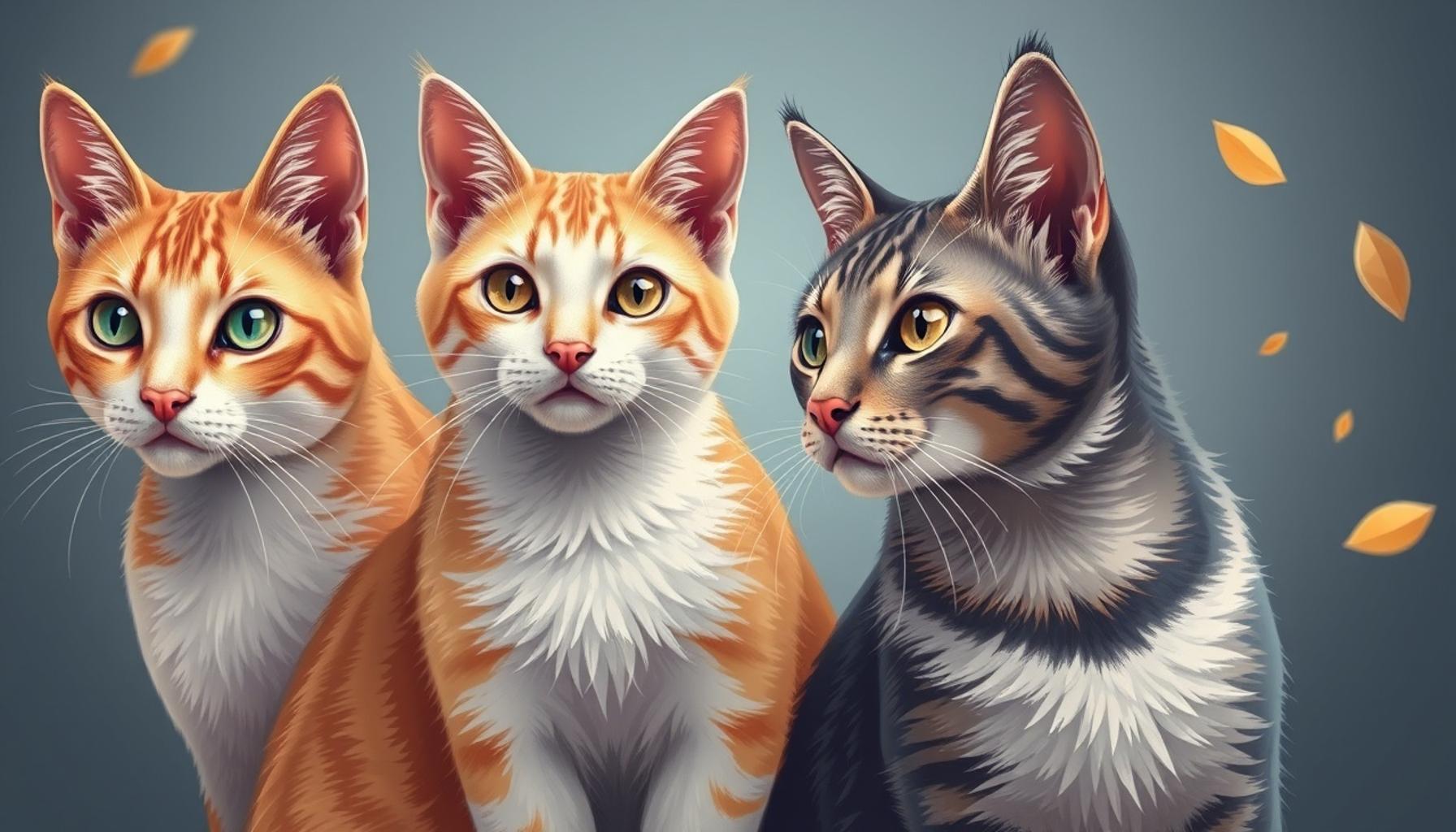
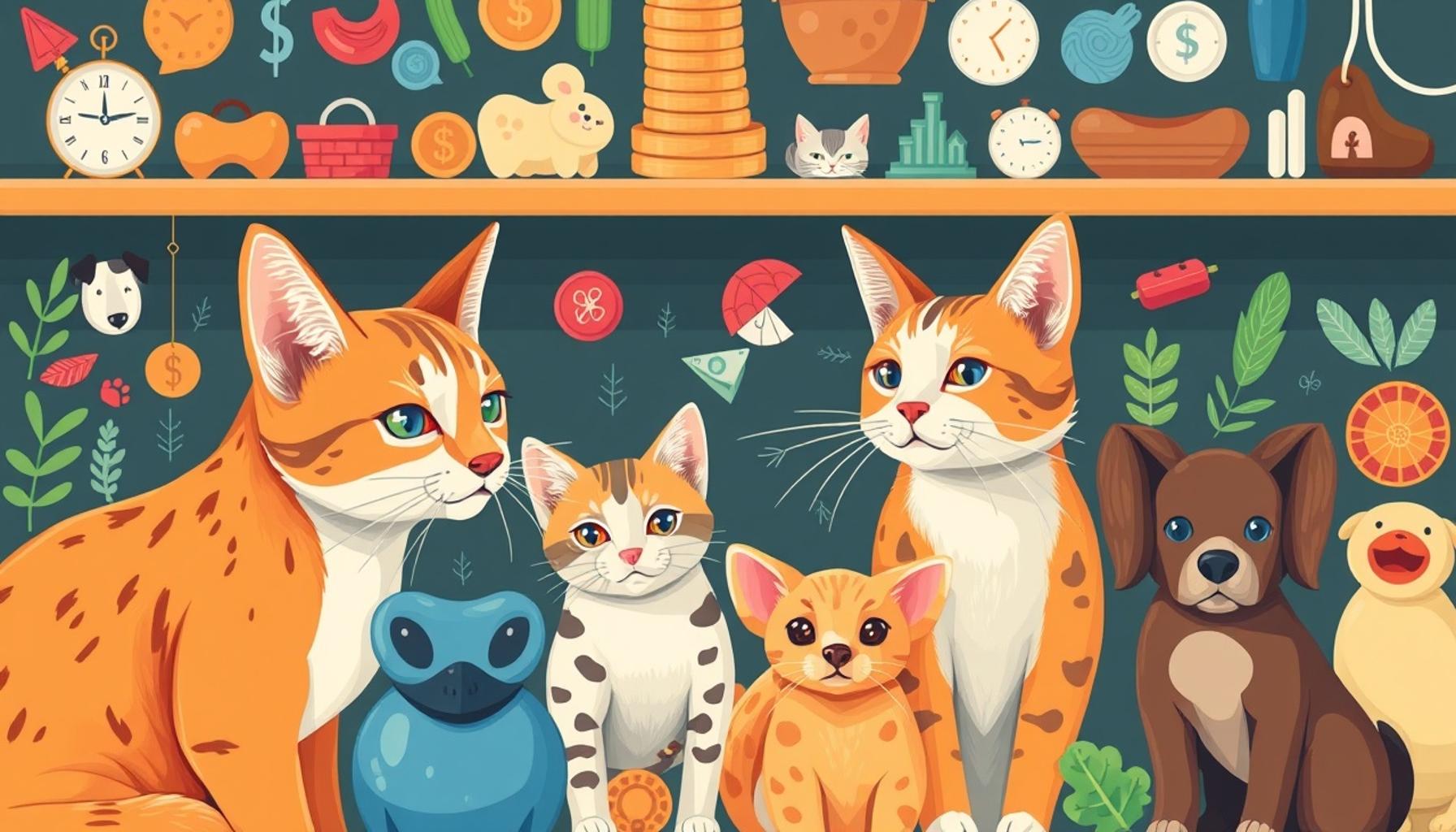
In recent years, the world of pets has seen a fascinating shift with the emergence of hybrid cat and dog breeds. These unique hybrids, created by breeding different species or breeds, offer an intriguing combination of traits, aesthetics, and temperaments that appeal to many pet lovers. They are not merely mixes of physical characteristics; instead, they embody the complexities of genetics, leading to diverse appearances and personalities that can vary dramatically even within the same litter.
Reasons Behind Their Popularity
Hybrid breeds are gaining traction for several compelling reasons:
- Distinctive appearances that blend the unique characteristics from both parent breeds. For instance, the Maine Coon and the Persian cat can produce hybrids that boast the tufted ears of the Maine Coon alongside the round face of a Persian.
- Varied temperaments allow potential owners to select hybrids that cater to their personal lifestyle. Take the Labrador Retriever and Poodle mix, famously known as the Labradoodle, which is often friendly, intelligent, and hypoallergenic—ideal for families or allergy sufferers.
- Hybrid vigor, or the potential for improved health, is another significant factor. By breeding two different breeds with diverse genetic backgrounds, hybrids may inherit a wider array of genes, potentially leading to greater resistance to common breed-specific health issues.
Understanding Their Care Requirements
As pet owners increasingly pursue these novel breeds, comprehending their care requirements is essential. From nutritional needs—many hybrids may require specialized diets tailored to their unique metabolic rates—to exercise requirements that can vary widely depending on the parent breeds, understanding these aspects is key to ensuring health and happiness for these animals. Socialization also plays a crucial role; for instance, a hybrid of a social and active breed will require consistent interaction and stimulation to thrive.
The Impact on the Pet Market
The impact of hybrid breeds on the pet market is profound, influencing breeding practices, pricing, and consumer demand. The surge in interest has led to a premium pricing model for many hybrids, as pet lovers are often willing to pay more for the uniqueness and perceived benefits of these breeds. However, this trend underscores the importance of responsible breeding and ethical considerations; potential owners should be cognizant of adopting from reputable breeders who prioritize the health and well-being of the animals over profit.
Conclusion
Join us as we explore the latest trends in hybrid cat and dog breeds, delve into their care needs, and analyze their effects on the overall pet market. This captivating journey reveals how hybrids are changing the landscape of pet ownership in the United States, reflecting a shift in consumer preferences towards healthier, more diverse, and visually striking companion animals.
Trends in Hybrid Breeds
The trend of hybrid cat and dog breeds has revolutionized the traditional pet ownership landscape in the United States. With the allure of unique genetic combinations, many pet enthusiasts are turning to these hybrids for their distinctive looks and characteristics. Among the most notable trends is the increasing prevalence of intentional breeding practices aimed at producing pets with specific behavioral and physical traits. For instance, the popularity of the French Bulldog has seen a rise in demand for hybrids that prioritize health and temperament, such as the Frenchton, a cross between a French Bulldog and a Boston Terrier.
Notable Hybrid Breeds
Diving deeper into the world of hybrids, several breeds have emerged as fan favorites among pet owners. Each of these hybrids showcases the unique blend of features from its parent breeds:
- Goldendoodle: A charming mix of the Golden Retriever and the Poodle, this breed is celebrated for its friendly disposition and low-shedding coat, appealing to families with allergies.
- Munchkin Cat: By breeding standard cats with Munchkins, this hybrid brings a playful, elongated personality paired with adorable short legs, captivating cat lovers everywhere.
- Puggle: A delightful cross between a Pug and a Beagle, the Puggle embodies an engaging personality with a trademark wrinkled face, making it a sought-after companion for active individuals.
These hybrids are not just about appearance; they also reflect a growing consciousness among pet owners about the importance of temperament. The careful selection of breeds can yield animals that are more suited for various lifestyles. For instance, owners of hybrid breeds often report more adaptable and trainable pets, making them excellent companions for first-time pet owners.
Health Considerations
One of the key recommendations for potential owners is to consider the health implications associated with hybrid breeds. It’s essential to recognize that hybrids can inherit health issues from their parent breeds. While hybrid vigor may reduce certain hereditary conditions, it does not eliminate the risks entirely. Hence, prospective owners are urged to conduct thorough research about the genetic predispositions of each parent breed and their potential hybrids. Consulting with veterinarians or reputable breeders can provide invaluable insight into the long-term health implications and specific care needs of hybrid pets.
In summary, the trend of hybrid cat and dog breeds continues to create a buzz in the pet world, offering not only aesthetic appeal but also an opportunity for healthier, temperamentally sound companions. As potential owners navigate this exciting landscape, understanding the characteristics, behaviors, and care requirements will be crucial in nurturing a loving environment for these unique animals.
| Category | Description |
|---|---|
| Popularity and Demand | Hybrid cat and dog breeds are gaining increased popularity among pet owners. This trend has led to a spike in demand for various hybrid breeds. |
| Unique Traits | These breeds often exhibit unique physical and behavioral traits inherited from their parent breeds, attracting a diverse range of pet enthusiasts. |
| Health Considerations | Understanding the health needs and potential illnesses associated with hybrid breeds is essential for prospective owners. |
| Market Impact | The rise of hybrids has created a dynamic shift in the pet industry, altering breeding practices and consumer choices. |
| Care Requirements | Proper care, including nutrition, exercise, and grooming, must be tailored to each hybrid’s specific needs to ensure their well-being. |
Continuing with the discussion on hybrid breeds, it is pivotal to examine how social media influences the popularity of these unique animals. Platforms such as Instagram and TikTok showcase the eccentric behaviors and adorable appearances of hybrid cats and dogs, leading to a surge in interest. Additionally, the availability of hybrid breeds through shelters and breeders reflects a shift in consumer preferences, as many owners seek distinctive pets that stand out in the growing pet market. The bespoke needs of these hybrids emerge not only in health considerations but also in environmental enrichment. Many hybrids require more mentally stimulating toys and social interaction to thrive, as they blend traits from their lineage. Recognizing these requirements can significantly affect the long-term happiness and health of the pets, ensuring they adapt well to family life or individual lifestyles. Owners and potential buyers should be educated on these aspects to foster responsible pet ownership.
Care Requirements for Hybrid Breeds
Caring for a hybrid cat or dog breed entails understanding the unique needs that arise from their genetic lineage. Since hybrids represent a combination of two distinct breeds, owners must be prepared to adapt their care strategies. This includes considering dietary requirements, exercise needs, and grooming routines that reflect the traits of both parent breeds.
Dietary Needs
One of the primary aspects of care that can vary drastically among hybrid breeds is their dietary requirements. For example, a hybrid like the Cavapoo, a mix of the Cavalier King Charles Spaniel and Poodle, may require a diet that addresses both the active lifestyle of the Cavalier and the potential sensitivity in the Poodle. An appropriate, balanced diet rich in protein, omega fatty acids, and essential vitamins is crucial for maintaining the health and energy levels of these pets. Owners should consult with pet nutritionists or veterinarians to ensure that they are providing the ideal diet tailored to their hybrid’s specific needs.
Physical Activity
Physical activity is another critical component of care. Many hybrid breeds inherit the energetic traits of their parent breeds, necessitating regular exercise. The Labradoodle, a combination of a Labrador Retriever and a Poodle, is known for its exuberance and stamina, requiring daily walks, playtime, and mental stimulation to remain happy and healthy. Conversely, some hybrids may inherit a more laid-back demeanor, such as the Ragdoll Cat hybrid, which enjoys leisurely play and snuggling over intense activity. Therefore, recognizing the activity levels associated with each hybrid is essential for keeping pets fit and engaged.
Grooming Considerations
Grooming is a significant aspect of pet care that varies among hybrids. Hybrid breeds can have coats that range from low-shedding to high-maintenance, depending on their ancestry. Breeds like the Shih-Poo, a cross between a Shih Tzu and a Poodle, are often more prone to tangles and require regular grooming to keep their curly fur healthy. Alternatively, hybrids like the Boxer-Corgi mix may have shorter coats, requiring less grooming effort. Every hybrid’s grooming needs must be evaluated in the context of their parent breeds, which can impact shedding, allergies, and overall hygiene.
Veterinary Considerations
When it comes to health, owning a hybrid breed may necessitate additional veterinary visits for preventative care. For instance, certain hybrids might be predisposed to specific health conditions based on their lineage. The Puggle, which stems from a Pug and Beagle, might inherit breathing issues common in Pugs, thus requiring attentive veterinary care to monitor respiratory health. Owners are encouraged to seek out veterinarians knowledgeable about the hybrid’s parent breeds to ensure comprehensive health care solutions.
The Importance of Socialization
Socialization plays a pivotal role in the development of hybrid breeds. Early exposure to various environments, people, and other animals can lead to well-rounded pets. For instance, hybrids like the Chiweenie, a mix between a Chihuahua and a Dachshund, often exhibit varying temperaments; high levels of socialization can help mitigate shyness or protectiveness. Providing a diverse social experience during the critical early months of a hybrid’s life can significantly enhance their adaptability and behavior as they mature.
In essence, caring for hybrid cat and dog breeds requires a nuanced understanding of their unique needs. As the demand for these distinctive animals continues to rise in the pet market, prospective owners are advised to prioritize the welfare of their pets by actively engaging in informed care practices that ensure a fulfilling pet ownership experience.
Conclusion
As the popularity of hybrid cat and dog breeds continues to surge, it is evident that these unique companions are reshaping the pet market landscape. They combine the appealing traits of their parent breeds, captivating pet enthusiasts and families alike. However, owning these one-of-a-kind pets comes with specific responsibilities. Understanding their distinct care requirements—from dietary needs to grooming intricacies—is essential for any prospective owner. The demand for hybrids like the Labradoodle or the Puggle necessitates informed decision-making to ensure they thrive in a loving environment.
Moreover, awareness regarding the importance of socialization and preventative veterinary care cannot be overstated. By connecting with experienced veterinarians and engaging in positive social experiences, owners can foster confident and healthy hybrids. It’s not just about the trendy appeal; it is about nurturing these pets that deserve a fulfilling life.
As we look towards the future of pet ownership, the trend of hybrid breeds shows no signs of slowing down. Market research indicates that consumers are seeking more personalized and diverse pet options, leading to various hybrid combinations. This trend reflects a changing ideology where pet owners prioritize not just aesthetics but also compatibility with their lifestyles. In sum, the emergence of hybrid breeds is not merely a fad; it represents an evolution in our relationship with pets, inviting further exploration into their care and influence on the pet industry.