Incorporating Games into Your Pet’s Training Routine: Making Learning Fun and Engaging
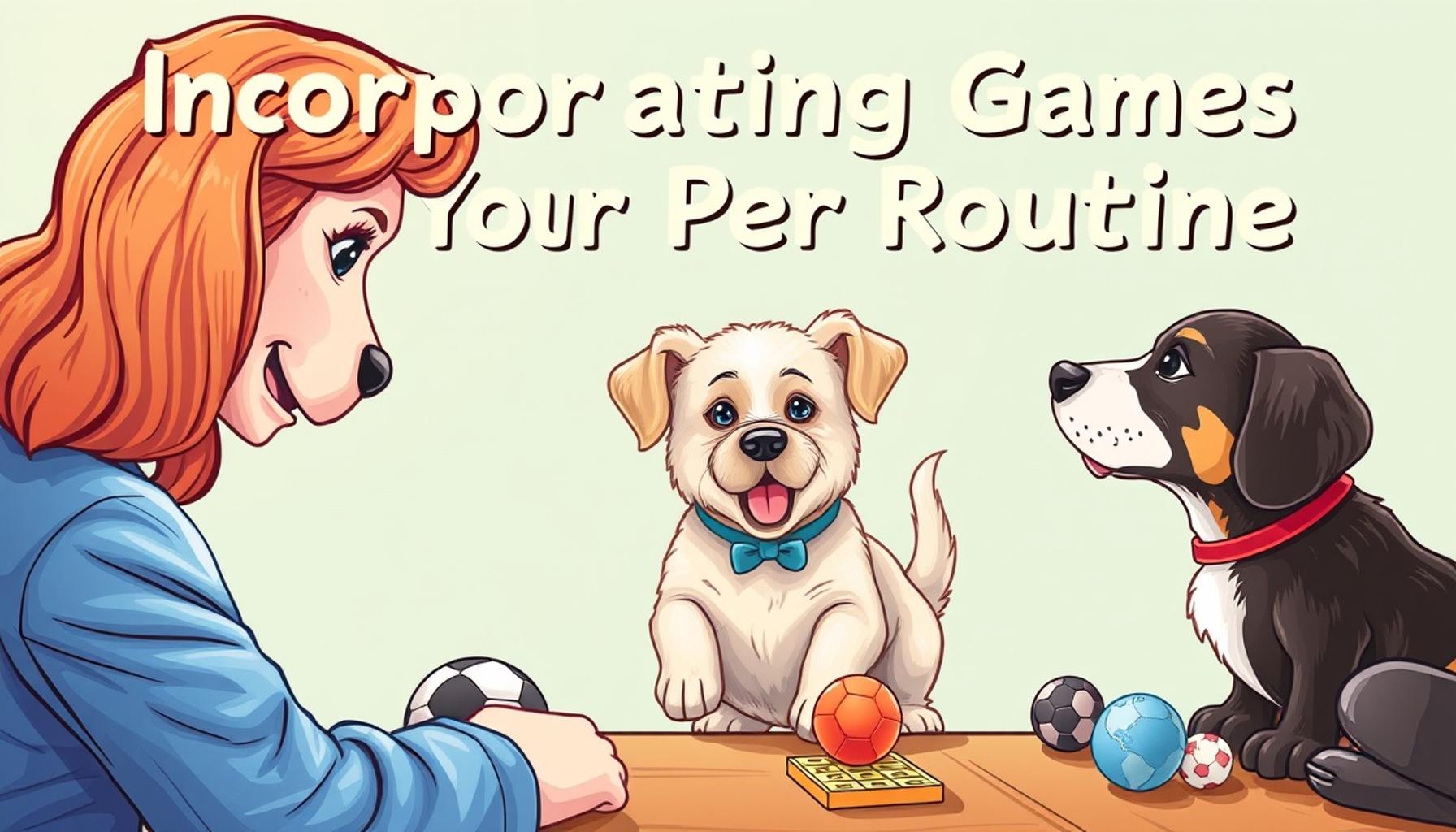
Transforming Training into Playful Experiences
Training your pets should be an enjoyable journey, rather than a chore. Instead of traditional methods that can often feel dull and repetitive, integrating games into your training sessions can not only improve skills but also create a joyful atmosphere for both you and your furry companions. This playful approach allows for a lively interaction that enhances learning efficacy and deepens the emotional connection between you and your pet.
Here are some compelling reasons to combine play with training:
- Enhances Focus: Engaging your pet in playful activities captures their attention, making it easier for them to grasp commands. For example, using a ball to redirect their focus to the task at hand can keep their minds sharp and attentive.
- Boosts Motivation: When pets see training as a game, they are more likely to participate and respond positively. Incorporating rewards, like treats or playtime, reinforces their willingness to learn.
- Reduces Stress: A fun-filled environment can alleviate anxiety, transforming training into an enjoyable experience. For instance, dogs that associate training with play are less likely to exhibit nervous behaviors and more likely to thrive in learning.
The beauty of blending learning with play is its adaptability. Numerous games cater to various training objectives and are suited for different types of pets, from rambunctious puppies to more sedate adult dogs.
Consider exploring a variety of activities, such as:
- Hide and Seek: This classic game not only strengthens recall skills but also provides a fun way to engage with your pet. By hiding and calling your pet, you stimulate their problem-solving abilities while rewarding them with praise or treats.
- Obstacle Courses: Building a simple obstacle course in your backyard or living room can enhance your pet’s agility and obedience. Using cones, tunnels, or even furniture encourages physical activity while teaching your pet to navigate commands.
- Tug-of-War: This interactive game fosters a sense of control and discipline. It can teach your pet to respect boundaries and develop impulse control when played with established rules.
By merging fun with learning, you can cultivate not only your pet’s skills but also create cherished memories that will last a lifetime. Each play session can foster a positive emotional bond, enriching your relationship. Embrace this exciting method of training and witness the transformation it brings in both your and your pet’s experience!
Engaging Techniques to Foster Learning
Incorporating games into your pet’s training routine doesn’t just bring fun; it revolutionizes how your pet learns and retains new skills. By infusing elements of play into each session, you tap into their natural instincts, making training an even more enriched experience. This innovative approach not only stimulates mental agility but also enhances your pet’s willingness to engage with you as their trainer.
One of the primary benefits of this game-based training is its adaptability to both individual pet needs and training objectives. Here’s a closer look at some game strategies that can seamlessly blend fun with effective training:
- Fetch with Purpose: While fetch may seem like straightforward fun, you can incorporate commands like “sit” or “stay” before throwing the ball. This promotes discipline while retaining the excitement of the game.
- Interactive Puzzle Toys: These toys offer an excellent way to combine mental stimulation with physical play. As pets navigate through the puzzles to find treats, they enhance their problem-solving skills, making the process enjoyable and rewarding.
- Training Tag: Use elements of tag by calling your pet to you in a playful chase. When they reach you, shower them with praise or a reward. This not only reinforces recall but also instills a sense of joy in the process.
- Scavenger Hunt: Hide treats or favorite toys around the house or yard and encourage your pet to find them. This game appeals to their natural instincts, providing both motivation and excitement while promoting scent training and focus.
As you explore these options, consider the following essential points:
- Know Your Pet’s Preferences: Every pet has unique preferences and learning styles. Pay attention to which games spark their interest and adapt your training methods accordingly.
- Make It Routine: Regularly integrating these games into your training sessions can create a stronger structure that pets thrive on. Consistency will help maintain their focus and improve learning retention.
- Gradually Increase Difficulty: As your pet masters specific games, progressively increase the challenge to keep them engaged. This encourages continuous improvement while preventing boredom.
By employing these engaging techniques, training transforms from a mundane task into an exciting adventure. The emphasis shifts to creating memorable moments, which is essential not just for learning, but for bonding with your pet. This unique approach fosters a positive environment where your pet feels motivated and eager to learn, ultimately leading to a more enriching training experience for both of you!
| Game Type | Benefits |
|---|---|
| Interactive Toys | Stimulate mental agility and provide physical exercise while keeping pets engaged. |
| Agility Games | Enhance physical coordination and improve focus, turning training into a fun, rewarding experience. |
| Hide and Seek | Encourages problem-solving skills while fostering a deeper bond between pet and owner. |
| Fetch Variations | Promotes exercise in a playful manner, aiding in weight management and cardiovascular health. |
Incorporating games into your pet’s training routine not only enhances learning but also transforms mundane tasks into fulfilling activities. Interactive toys, for instance, can engage pets both physically and mentally, ensuring they are stimulated and not bored. By using agility games, owners can improve their pet’s physical coordination while making training sessions more dynamic.Moreover, fun activities like hide and seek not only build cognitive skills but also strengthen the emotional bond between pets and their owners. This sense of connection can lead to improved behavior and responses during training sessions. Fetch variations add an exciting twist to regular exercise, helping to instill discipline while keeping pets healthy and happy. Such engaging practices reinforce the idea that learning and play can coexist beautifully, making everyday training memorable for both pets and their humans.
Expanding the Learning Experience Through Socialization and Variety
Incorporating games into your pet’s training routine not only enhances their learning but also paves the way for vital social skills and adaptability. By introducing your pet to varied environments and engaging them with other animals, you can create dynamic learning opportunities that go beyond standard training sessions.
Socialization is a critical aspect of pet training. By opting for group training sessions or playdates with other pets, you can utilize the concept of games to cultivate positive interactions. For example, you might organize a mini agility course where multiple dogs can practice commands and share the excitement of completing tasks with peers. This enhances their training through observation and imitation, factors that bolster overall learning experience.
Playing group games, like “musical chairs” for pets or relay races, can add an exciting social element to training. Here’s how these collaborative games work: when the music stops (or you call “stop”), a specific command (like “sit” or “down”) is given. Pets must respond quickly, reinforcing their training amidst enjoyable distractions. This encourages not only training but also team spirit and camaraderie among pets, creating a fun and engaging atmosphere.
To maximize the benefits of incorporating games, consider the following strategies:
- Vary Locations: Change your training environment occasionally. Whether at a local park, your backyard, or a friend’s house, new settings can introduce different stimuli, keeping your pet intrigued and adaptable.
- Intersperse Learning with Fun: For every new command learned or obstacle mastered, incorporate a short but fun game as a reward. This maintains motivation and reinforces the idea that learning can be enjoyable.
- Utilize Technology: Apps and online training programs often gamify pet training, allowing your pet to engage with interactive tasks, challenges, and even virtual rewards. Leveraging technology can enhance the training experience through diversification and modern engagement.
Moreover, consider the integration of obedience and agility training games that cater to various skill levels. Utilizing tools like tunnels, jumps, or weave poles can transform traditional obedience training into exciting physical challenges. These games not only build physical coordination and strength but also foster mental engagement, ensuring your pet is both physically and mentally healthy.
Diverse games also allow for unique adaptations to address your pet’s specific needs—be it anxiety, high energy levels, or behavioral challenges. For instance, introducing calming games like “find the treat” can distract a nervous pet during stressful situations, reinforcing their trust in you and their environment.
As you venture further into the realm of game-based training, remember that the ultimate goal is to create a balanced approach. Merging play with education not only enriches your pet’s learning journey but also strengthens the bond between you and your furry companion. By ensuring each training session is an engaging adventure, you cultivate a lifelong love for learning in your pet, making them not just better learners, but also happier and more fulfilled members of your family.
Conclusion: A Playful Path to Learning
Incorporating games into your pet’s training routine unlocks a vibrant world of learning that transcends traditional methods. The combination of education and play fosters not just obedience, but also a sense of joy and fulfillment for your furry friend. By engaging in various activities—whether through group training sessions, interactive technology, or outdoor adventures—you create a stimulating environment that nurtures your pet’s social skills and adaptability.
Additionally, utilizing games such as agility courses or collaborative play not only enhances physical coordination but builds lasting bonds between pets and owners. Each game becomes an opportunity to reinforce commands while cultivating confidence in your pet. Remember, the focus should be on making learning a delightful experience; as you intersperse training with fun, you maintain their enthusiasm and eagerness to learn.
Moreover, the versatility in adapting games to meet your pet’s unique needs—be it for anxiety relief or physical fitness—ensures you cater to their well-being holistically. This allows for a tailored training approach that not only addresses behavioral challenges but also promotes a healthier, happier lifestyle.
As we advance into an era where innovation and engagement go hand in hand, consider exploring more game-based techniques that make training not just a necessity but an enjoyable journey for both you and your pet. By embracing play as a pedagogical tool, you foster a creative atmosphere for learning, turning every training session into an exciting adventure and enriching your relationship with your beloved companion.