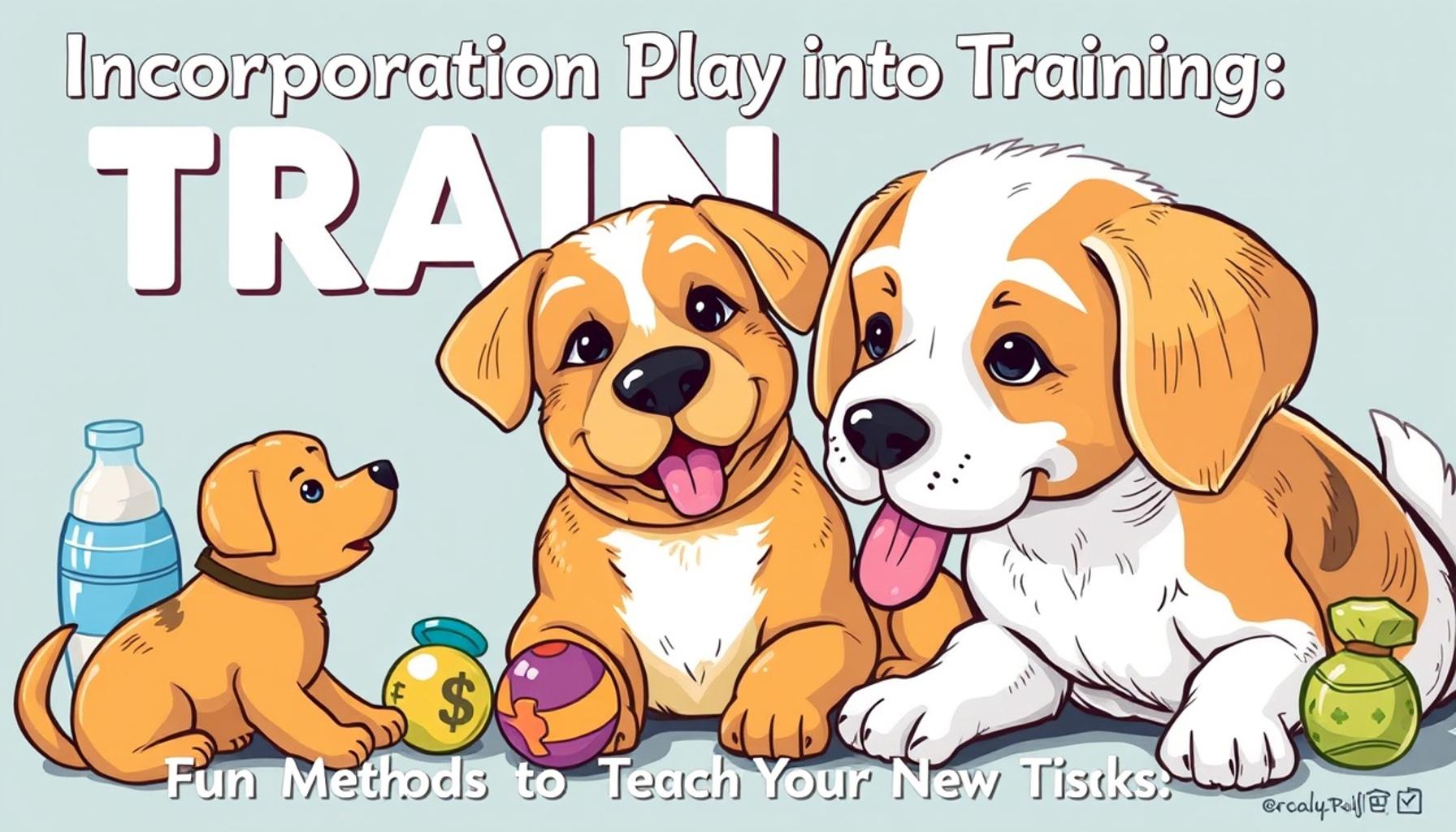
Incorporating Play into Training: Fun Methods to Teach Your Pet New Tricks
Transformative Training Experiences for Pets
Training your pet often conjures images of endless repetition and discipline, both for you and your beloved companion. However, the narrative can easily shift from mundane to exhilarating with one significant adjustment: introducing play into your training sessions. The amalgamation of fun and learning not only benefits your pet but also fosters a deep bond between you two, turning what might feel like a chore into a fulfilling experience.
Understanding how dogs and cats learn is crucial in shaping effective training methods. Various engaging techniques can help optimize this learning process:
- Interactive Games: Explore toys designed to challenge your pet’s intellect. Puzzle toys, for example, are wonderful for dogs and cats alike. They often require pets to solve problems to access treats. These games tap into a pet’s natural instincts and keep them mentally stimulated while building essential skills.
- Positive Reinforcement: This method is all about rewarding desired behaviors. Whether your pet sits on command or performs a new trick, offering immediate rewards, such as their favorite treat or enthusiastic praise, can greatly enhance their learning. Studies show that pets respond faster and more reliably to positive reinforcement compared to punitive methods.
- Obstacle Courses: Setting up simple obstacle courses in your backyard or living room can be a fantastic way to teach agility while learning commands like “jump” or “crawl.” Utilize household items like cushions, chairs, and boxes to create a mini course that is both challenging and entertaining.
When play is woven into training, it cultivates a vibrant atmosphere filled with excitement. As pets engage in playful learning, they not only absorb commands more effectively but are also more likely to retain and recall them later. The playful environment encourages pets to approach learning with enthusiasm rather than apprehension.
Additionally, playful training methods have been backed by research highlighting their positive impact on your pet’s cognitive abilities. An engaged mind is a key factor in developing a well-behaved pet, which can result in a more harmonious household. This cognitive stimulation is similar to the way children learn better when they play—turning what could be tedious drills into dynamic activities that promote growth.
Are you prepared to dive into the world of creative and enjoyable pet training? Embracing these playful training techniques promises not only improved obedience but also countless joyful moments. By blending learning with fun, you can establish a lifelong bond with your pet, encouraging a happy and fulfilling relationship for years to come.
DISCOVER MORE: Click here to learn how to ease your pet’s transition</
Engaging Techniques to Enhance Learning
When it comes to teaching your furry friend new tricks, the approach you take can significantly impact their learning experience. The traditional methods that focus solely on commands may create a stressful atmosphere, whereas incorporating play can transform this dynamic into a joyous adventure. To help you get started on this engaging journey, here are some innovative techniques that are both effective and enjoyable for your pet:
- Fetch with a Twist: The classic game of fetch is a wonderful opportunity to teach your dog more than just retrieval. You can incorporate commands such as “drop it” or “bring it here” during play. Utilize different toys to make it more interesting—like a frisbee or a ball with varied textures. The excitement of the game encourages your pet to learn and listen to your commands while having fun.
- Hide and Seek: This game isn’t just for kids! You can play hide and seek with your pet where they must find you or a favorite toy. This method promotes both physical activity and cognitive skills. Start by commanding your pet to stay, and then hide somewhere nearby. When they find you, remember to reward them with praise or a treat!
- Trick Training Through Music: Pets are often responsive to rhythm and sounds. You can create a fun atmosphere by playing upbeat music while teaching tricks like spinning in circles or dancing. Not only does this stimulate your pet’s movement, but it also makes learning feel less like a task and more like a performance. Observing your pet’s unique responses to music can lead to creativity and spontaneity in training.
These techniques emphasize the crucial principle of making training enjoyable. Engaging in play not only promotes enthusiasm but also enhances retention rates. For instance, studies indicate that pets trained in a playful environment display improved memory recall, meaning they are likely to remember instructions and commands over time.
By blending play with training, not only are you influencing your pet’s behavior positively, but you also strengthen the bond between you. A strong connection encourages mutual trust, allowing your pet to feel more comfortable as they navigate new skills. It’s important to recognize that each pet has a unique personality, and play styles can vary widely. Investing time to understand what excites and motivates your pet will lead to more fruitful training sessions.
Ultimately, integrating play into your training routine can reshape your experiences together. Reimagining unconventional training practices can make learning much more captivating, so keep experimenting until you uncover the perfect balance that suits your pet.
Incorporating Playful Elements in Training
Utilizing fun and play-based methods in your pet’s training can transform a mundane learning experience into an engaging adventure. One effective approach is to integrate games such as fetch or hide-and-seek into the training process. These activities not only stimulate your pet’s mind but also strengthen your bond, making them more receptive to learning.
Another innovative method is to use treat-based rewards during playtime. This technique, often referred to as “training through rewards,” encourages your pet to perform commands during their favorite games. For instance, asking your dog to sit before throwing a ball reinforces their obedience while maintaining an enjoyable atmosphere.
Interactive toys that dispense treats can provide additional motivation. These toys encourage your pet to think critically while engaging in playful behavior, blending exercise with mental stimulation. Additionally, consistently incorporating elements of surprise and variability in your training sessions keeps your pet intrigued, enhancing their learning experience.
Socialization is also an important factor. Incorporating play with other pets can teach valuable skills such as patience and turn-taking, which are essential for their development. Engaging in group play sessions can vastly expand their horizons and improve their ability to learn commands amidst distractions.
Lastly, don’t underestimate the power of enthusiasm. Your own positive energy and enthusiasm during training will motivate your pet to join in the fun, creating a joyful environment that fosters learning. Experimenting with different playful techniques can unveil what resonates best with your pet, ultimately leading to a more enriching experience.
| Category | Advantages |
|---|---|
| Play-Based Training | Enhances engagement and excitement in learning |
| Socialization | Teaches important social skills in a fun context |
By leveraging the innate desire to play, you create a dynamic learning environment that maintains your pet’s interest and enthusiasm, paving the way for successful outcomes in their training journey.
DIVE DEEPER: Click here to discover more
Dynamic Activities to Foster Skill Development
As you set out on the adventure of incorporating play into your training routine, consider the various dynamic activities available that can significantly boost your pet’s skill development. Each of these activities not only engages your pet physically but also elevates their mental stimulation, making the entire learning process more effective and enjoyable. Here are a few creative activities that can enhance your pet’s repertoire of tricks:
- Obstacle Course Fun: Create a mini obstacle course in your backyard or living room using everyday items like cushions, chairs, and boxes. Guide your pet through the course, teaching them to jump, weave, and maneuver around obstacles. This interactive style of training promotes agility while reinforcing commands like “hop,” “go around,” or “wait.” Using positive reinforcement throughout the course encourages success and keeps the experience lighthearted.
- Interactive Puzzle Toys: Challenge your pet with interactive puzzle toys that require them to solve problems in order to earn a treat. These toys often involve hiding treats within compartments that your pet must learn to unlock. This not only entertains but also sharpens their cognitive skills. Utilize this method to teach your pet patience and persistence by encouraging them to figure out how to reach the rewarded treat.
- Training with Touch: Teach your pet to respond to touch by introducing a target stick or your hand as a guide. Using positive reinforcement, encourage your pet to touch the stick or hand with their nose, paws, or any part of their body. This method can be especially useful for introducing new commands or behaviors, as it helps pets understand their spatial orientation and encourages exploration. Playfully rewarding this behavior strengthens their understanding and connection to training tasks.
Implementing these activities not only promotes skill acquisition but also adds variety to your routine, essential for keeping your pet engaged. A crucial element in teaching tricks through play is the element of surprise. Incorporating or rotating different games or techniques can keep your pet enthusiastic and excited during training sessions. For instance, one day you might focus on an obstacle course, while the next day could involve puzzle toys. This alteration can keep your pet’s learning experience fresh and dynamic.
In addition to enhancing learning efficacy, these engaging activities also nurture your pet’s natural instincts. For example, fetching and searching for items invokes their predatory instincts, allowing them to express their talents in ways that are instinctively satisfying. These play-based activities not only cater to their physical needs but also meet a deeper emotional craving for interaction and mental exercise.
By infusing each training session with creativity, you’re not merely teaching your pet new tricks but also enriching their lives. The joy of learning together fosters a sense of companionship that transcends routine and monotonous training sessions. Whenever you observe their enthusiasm as they navigate through the obstacles or successfully unlock a treat, you’re not just cultivating skills—you’re crafting memories that will last a lifetime.
Incorporating play into training is more than just a technique—it’s a philosophy that nurtures the intrinsic bond between you and your pet. The blend of exercise, mental stimulation, and joyful interaction creates an environment ripe for exceptional learning experiences. With the right mindset and approach, you’ll find that teaching your pet becomes not just an obligation, but a holistic venture filled with laughter and learning.
LEARN MORE: Click here for tips on choosing the perfect pet
Conclusion: The Joy of Learning Through Play
Incorporating play into your pet’s training is a game-changer that transforms learning into an exciting adventure. By using dynamic activities such as obstacle courses, interactive puzzle toys, and touch-based training techniques, you not only cultivate your pet’s skills but also foster a deeper bond with them. The magic lies in the blend of fun and education, creating an environment where both you and your pet can thrive. When training sessions are infused with play, they become a platform for exploration, trust, and shared joy.
This innovative approach addresses the physical and mental needs of your pet, ensuring they are not only adequately stimulated but also emotionally satisfied. Remember, variety holds the key to maintaining enthusiasm; rotating activities can keep your furry friend engaged and eager to learn. As you witness their excitement and success in mastering new tricks, each moment becomes a memory you will cherish together.
Ultimately, this philosophy of playful learning reshapes the conventional views of training as a chore. Instead, it emerges as an enriching experience that combines both personal growth and shared happiness. So, gather your creativity, introduce playful strategies into your training regimen, and embark on a fulfilling journey of teaching your pet new tricks while deepening the bond you share. The rewards of this playful approach extend far beyond the learning process—they cultivate a harmonious relationship that lasts a lifetime.