Incorporating Play into Your Pet’s Training Routine: Making Learning Fun
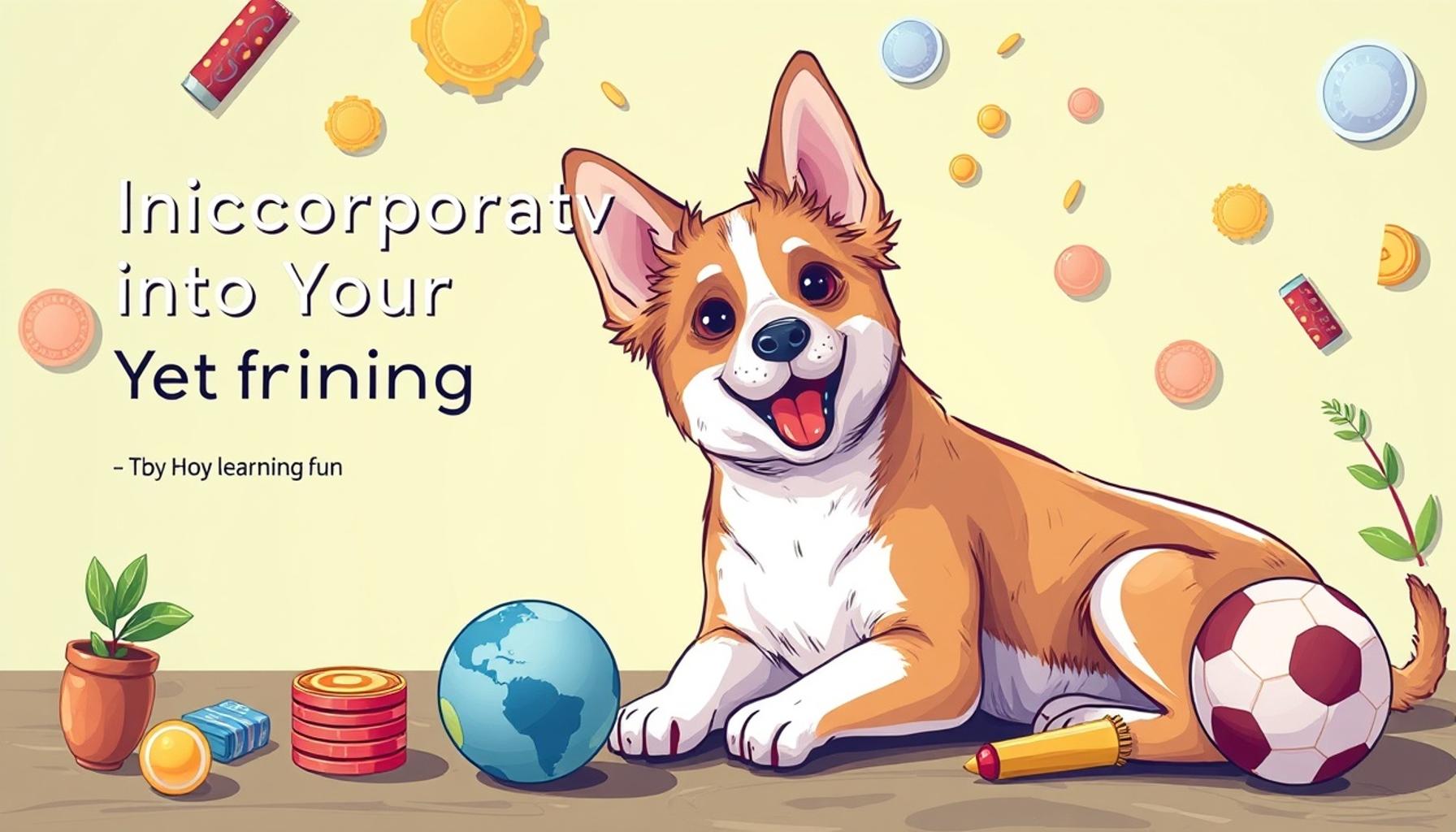
The Joy of Interactive Pet Training
Training your pet can become a delightful adventure rather than a monotonous task. By incorporating play into your pet’s training sessions, you can enhance their learning experience and foster a deeper bond between you and your companion. Transforming what are typically routine commands into engaging games not only helps in teaching obedience but also makes the process enjoyable for both parties involved.
Why Play Matters
Animals, much like humans, thrive on engagement, particularly when activities stimulate both mental and physical aspects. Research supports the notion that play is crucial in enhancing the training process. Here are a few compelling reasons to embrace a playful methodology:
- Increased Motivation: Pets become more eager to learn when their training is intertwined with fun. For instance, dogs are known to respond better to commands when they associate them with a game of tug-of-war or fetching a ball.
- Enhances Retention: Playful training aids memory retention significantly. Studies indicate that dogs trained in a playful manner were able to recall commands more effectively than those trained in a traditional setup.
- Reduces Stress: Fun-filled training settings can minimize anxiety among pets. Engaging activities not only relieve stress but also create a positive emotional environment, making pets more open to learning.
Consider a scenario where your dog learns to sit while joyfully retrieving items, or your cat perfects her tricks using an enticing feather wand. These interactions not only make the learning process effective but also foster joyful memories that strengthen your relationship.
Getting Started
Incorporating play into your training sessions can be seamless when you adopt the right strategies:
- Interactive Toys: Invest in toys that stimulate thought and challenge your pet intellectually. Puzzle toys that dispense treats can keep your pet engaged while reinforcing their problem-solving skills and ensuring that training feels like play.
- Rewards-Based Games: Utilize treats or praise as positive reinforcement during games. For example, give your dog a small treat every time he successfully retrieves a ball after responding to a command.
- Varied Activities: Keep the training fresh by rotating different games. Whether it’s agility training in the backyard or clicker training in the living room, alternating activities prevents monotony and maintains your pet’s interest.
By adopting a playful approach to training, you set a foundation for a partnership filled with joy, learning, and mutual respect. Dive deeper into the world of playful training and discover how it can transform your pet’s behavior while enriching your relationship. The bond you’ll develop through these shared experiences is truly invaluable, paving the way to a harmonious and fulfilling life together.
DISCOVER MORE: Click here for the complete guide
Transforming Training into Playtime
Adding an element of play to your pet’s training routine can turn what was once a chore into an exciting adventure for both you and your furry friend. Play is not merely an outlet for energy; it can also serve as an effective learning tool by embedding commands into enjoyable activities. When pets are actively engaged and having fun, they are more inclined to listen, learn, and respond positively.
Engaging Your Pet’s Mind and Body
When you incorporate play into training, you are doing more than just teaching commands; you are stimulating your pet’s cognitive and physical abilities. Activities that involve physical exertion, such as fetch or agility-based games, can help burn off excess energy while simultaneously enhancing their learning potential. Here are a few ideas to get you started:
- Hide and Seek: This classic game isn’t just for kids. Teaching your dog to find you or a hidden object can enhance their scent-tracking abilities and reinforce their recall command.
- Obstacle Courses: Set up a mini agility course using household items or store-bought agility equipment. Navigating through tunnels and jumps teaches dogs to follow direction while promoting physical exercise.
- Interactive Training Sessions: Combine obedience commands with playful activities. Practice “sit” or “stay” before engaging in a game of tug-of-war or chasing a toy, making the commands feel relevant and fun.
The incorporation of play transforms commands into experiences, deepening the understanding and enjoyment for your pet. For example, teaching your dog to “roll over” followed by a game of fetch offers him a reason to recall that command effectively. It’s crucial to create a dynamic where your pet sees training not as a task, but as part of a fun playtime session.
Understanding Your Pet’s Play Style
Each pet has a unique play style, and understanding this can significantly enhance the training process. For instance, some dogs are motivated by tugging games, while others may prefer fetching a ball or frisbee. Cats, on the other hand, often enjoy play that mimics their natural hunting instincts, such as chasing feathered toys or engaging with laser pointers. Tailoring your training approach to match your pet’s preferences will enhance their engagement and enthusiasm.
Moreover, observing your pet during play can yield insights into their personality and learning pace. Some pets are more rambunctious and thrive in high-energy setups, while others may require calm environments to learn effectively. This awareness allows you to fine-tune your training strategy, creating a more efficient and enjoyable experience.
By understanding your pet’s play style and incorporating it into training routines, you set a foundation for learning that is both effective and fun. Embrace the joy of bonding through play, paving the way for compliant and well-adjusted furry companions.
| Category | Details |
|---|---|
| Engagement | Interactive play keeps pets engaged, making training less monotonous and more attractive. |
| Motivation | Incorporating games can create a rewarding training experience, enhancing obedience and skill retention. |
| Variety | Using different play methods ensures that training remains fresh and exciting for pets. |
| Bonding | Playtime activities foster a stronger human-pet relationship, deepening trust and affection. |
By integrating play into your pet’s training routine, you not only make learning enjoyable but also effectively enhance various skills. For instance, simple games like fetch can improve recall abilities while also promoting physical fitness. Moreover, pet owners can utilize puzzle toys to sharpen their companions’ problem-solving skills, allowing them to think critically while having fun. This approach has proven beneficial in yielding faster learning outcomes as pets become more enthusiastic participants in their training. Engaging in regular play also contributes to reducing anxiety and behavioral issues, as it channels excess energy into constructive activities. With these techniques, the journey of training transforms from a chore into an adventure, making both the pet and owner excited about each session.
DIVE DEEPER: Click here to learn more about different dog breeds
Creating a Structured Play-Based Training Plan
To fully harness the benefits of incorporating play into your pet’s training routine, it’s essential to establish a structured play-based training plan. This plan should outline key goals, techniques, and a consistent schedule that aligns with your pet’s natural play tendencies. A well-organized approach not only makes learning easier for your pet but also helps maintain consistency in their training, which is crucial for effective learning.
Setting Clear Goals
The first step in enhancing your pet’s training through play is to identify clear and achievable goals. Whether you want to teach your dog to perform a specific trick or help your cat learn how to use a scratching post properly, having goal-oriented sessions will keep your efforts focused. For instance, if your target is to improve your dog’s recall, you might integrate fetch games that prompt him to return with the toy after hearing the command “come.”
To reinforce the importance of structured goals, consider implementing the SMART criteria—Specific, Measurable, Achievable, Relevant, and Time-bound. For example, instead of saying “I want my dog to fetch well,” you could say, “In the next two weeks, I want my dog to fetch the ball and return it to me 8 out of 10 times during our play sessions.” This level of specificity creates accountability for both you and your pet.
Frequency and Duration of Play Sessions
Consistency is key in any training regime. Establishing a regular schedule for play-based training sessions not only helps reinforce learned behaviors but also builds a routine for your pet. Aim for several short training sessions during the week rather than a few long ones. Research has shown that pets, especially dogs, have a limited attention span and tend to learn best with sessions that last 5 to 15 minutes.
During your sessions, balance the energy levels. For example, alternate between high-energy activities, like fetch, and calmer interactions, such as practicing commands while using a frisbee as a lure. This varied pace keeps your pet stimulated and engaged, making them more likely to retain what they’ve learned. Plus, mixing activities aids in keeping training fresh and exciting, preventing monotony from setting in.
Rewarding Playful Learning
One of the most effective methods of reinforcing good behavior during play sessions is to incorporate rewards that match the play. Using treats is common, but you might find that your pet responds even better to their favorite toy or extra playtime with you. For instance, after successfully executing a command during an agility course, a pet may respond better to a round of tug-of-war than just a cookie. The excitement of the reward can form a powerful association with the command, turning every training session into a fun and productive experience.
Moreover, consider offering praise and positive reinforcement. Vocal encouragement can boost your pet’s confidence, signaling that they are doing a good job. Making the emotional connection between play and learning can yield astonishing results, leading your pet to actively seek out training as an opportunity for joyous interaction with you.
Ultimately, creating a structured play-based training plan enables you to cultivate an environment where your pet thrives, learns effectively, and enjoys the process. By embracing these strategies, you unlock the true potential of play as a vital component of your pet’s training routine, ensuring that learning remains a joyful adventure for both of you.
LEARN MORE: Click here to discover the significance of genetic diversity
Conclusion: Embracing Play for a Happier Training Experience
Incorporating play into your pet’s training routine is not just a creative approach—it’s a profound way to enhance the learning experience for your furry friend. By establishing a structured plan that emphasizes goal-setting, consistent practice, and engaging rewards, you create an atmosphere where training becomes as enjoyable as it is effective. Remember, the essence of training is not to impose control, but to foster a bond of trust and joy between you and your pet.
Have you considered how your pet’s natural instincts can guide you in tailoring your training sessions? Whether it’s through interactive games, agility courses, or fun tricks, the possibilities are immense. The effective use of play serves dual purposes: fulfilling your pet’s need for mental stimulation and providing a platform for positive learning experiences.
Additionally, incorporating elements of positive reinforcement like praise and engaging rewards reinforces desired behaviors, making your pet more eager to participate. This method not only fosters a love for learning but also strengthens the emotional connection between you and your pet, enhancing overall well-being and happiness.
As you embark on this playful journey, keep in mind that patience and flexibility are paramount. Each pet is unique, and what works for one may not work for another. Remaining open to tweaks and adaptations ensures the training remains beneficial and enjoyable for both of you. So, unleash your creativity, embrace the fun, and watch as your pet flourishes in a learning environment enriched with play!