Master Puppy Training Effective Techniques for Your New Furry Friend

Welcoming a New Puppy into Your Home: An Exciting Adventure Awaits
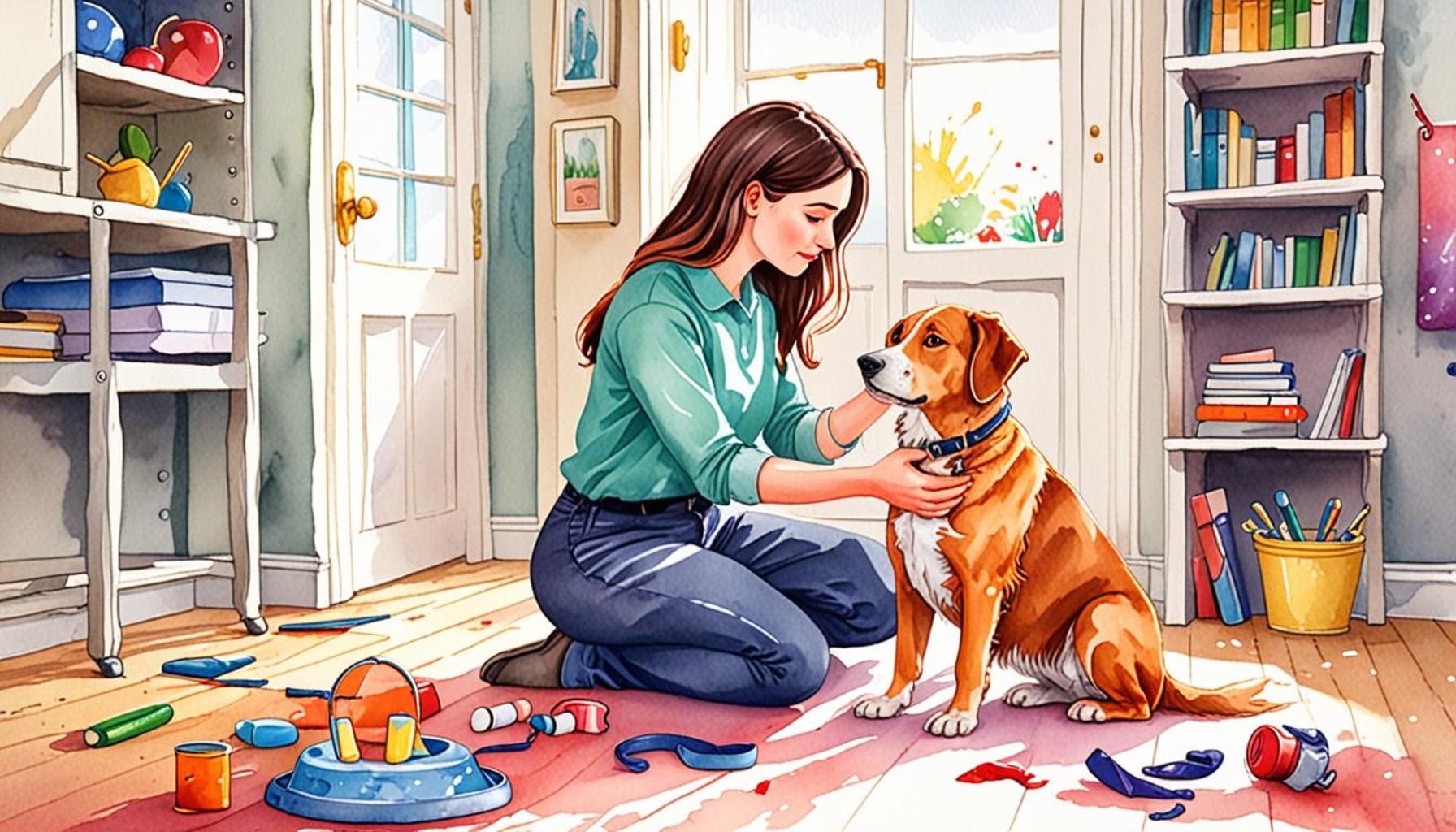
Bringing a new puppy into your home is not just about acquiring a pet; it’s about embarking on a thrilling life journey. The joy of watching your puppy learn and grow is unmatched, but it’s important to remember that this journey is as challenging as it is rewarding. A cornerstone of this experience is understanding effective training techniques that can guide you and your new four-legged friend toward mutual happiness and understanding.
Why Early Training Matters
Starting with good habits from day one is crucial. Early training helps not only in creating a well-behaved pet but also in fostering a deep and lasting bond between you and your furry companion. This practice becomes especially significant when dealing with common puppy challenges that every new owner encounters.
Overcoming Common Challenges
Every new puppy owner is likely to face specific hurdles, such as:
- Housebreaking: Patience and consistency are key when teaching your puppy the rules of bathroom etiquette.
- Socialization: Introducing your puppy to different people, environments, and other animals is essential for them to become a well-rounded adult dog.
- Barking Control: Identifying triggers and providing adequate training can help manage excessive barking.
- Basic Commands: Teaching commands like sit, stay, and come can make daily interactions much smoother.
- Destructive Behaviors: Chewing and digging can be managed with appropriate toys and positive reinforcement.
By incorporating proven training methods, not only are you preparing your puppy for a more harmonious life with you but also paving the way for your mutual success. In this article, we will delve into the top five techniques that can significantly optimize your training experience and set the foundation for a lasting relationship. Stay tuned to uncover these strategies and transform the way you connect with your newest family member.
Top 5 Effective Techniques for Training Your New Puppy
Welcoming a new puppy into your home marks the start of a charming journey filled with endless joy and the adorable antics of your new friend. However, along with this joy comes the critical task of training your puppy to foster good behavior and maintain harmony within the household. Whether you’re embarking on this journey for the first time or are a seasoned pet owner revisiting this experience, understanding and implementing effective training techniques is key to making the process enjoyable for both you and your puppy. In this article, we delve deeper into the top five training techniques that lay the groundwork for a well-behaved canine companion.
5. Positive Reinforcement
At the heart of effective puppy training lies the principle of positive reinforcement. This approach emphasizes rewarding your puppy for good behavior, as opposed to punishing them for mistakes. The theory is straightforward: when a puppy receives a reward, whether it’s a favorite treat, enthusiastic praise, or a short play session, they are more inclined to replicate the behavior that earned them the reward.
To effectively implement positive reinforcement:
- Ensure that the treats you use are high-value, meaning they are irresistible to your puppy.
- Quickly reward your puppy immediately after they perform the desired action to reinforce the connection between the behavior and the reward.
- Maintain consistency with verbal cues and commands to cement understanding.
Positive reinforcement not only nurtures a trusting relationship between you and your puppy but also has been found to lead to better retention of commands over the long run, according to recent studies in animal behavior.
4. Consistent Command Usage
The next vital technique involves consistent command usage. Puppies thrive in environments where they receive clear and simple communication. Establishing a solid association between a word and an action is crucial, as it helps puppies understand exactly what is expected of them.
To optimize command usage:
- Stick to one-word commands like “sit,” “stay,” or “come” to minimize confusion.
- Ensure that all family members are on the same page, using these commands consistently.
- Reinforce commands at each training session to solidify learning.
Adhering to a consistent set of commands accelerates a puppy’s learning process, ensuring smoother and more effective training.
3. Short and Engaging Training Sessions
Lengthy training sessions can be counterproductive. Instead, short and engaging training sessions help your puppy learn better. Puppies are known for their short attention spans, and extended sessions may result in frustration for both parties.
To keep training effective:
- Capsule training sessions to 5-10 minutes, keeping them within your puppy’s attention span.
- Integrate various exercises to keep sessions vibrant and stimulating.
- Conclude each session on a positive note, marking successful achievements with treats or praise.
Implementing these short bursts of focused and fun training not only captures your puppy’s attention but also reinforces learning in a fatigue-free manner.
2. Socialization with Other Dogs and People
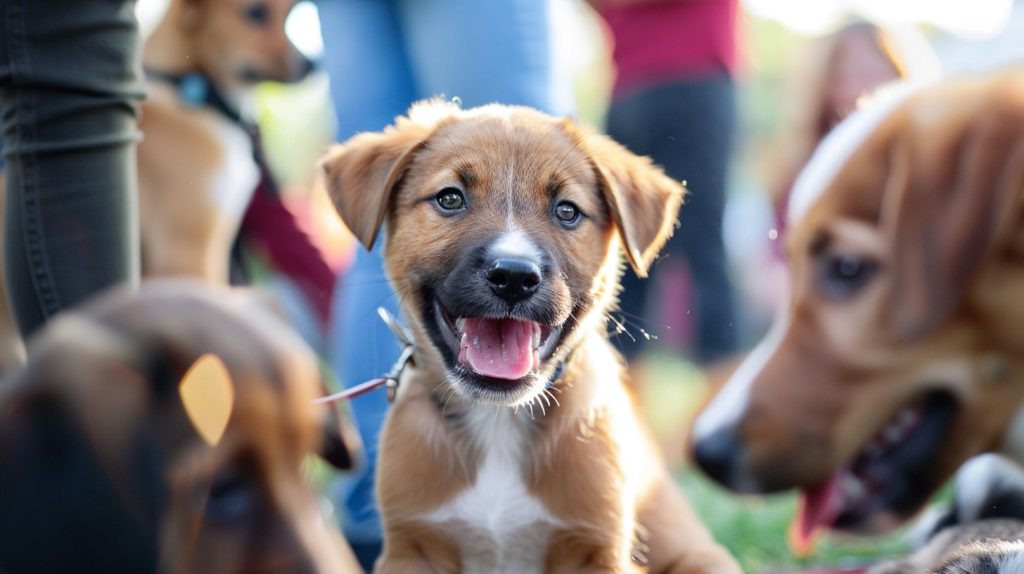
The second most vital technique on our list is socialization with other dogs and people. Early socialization is indispensable for cultivating a well-adjusted puppy. Exposing your puppy to different environments, people, and other animals is critical in reducing potential anxiety and other behavioral challenges in the future.
Key strategies to effectively socialize your puppy include:
- Arranging playdates with other vaccinated dogs to encourage friendly interactions.
- Introducing your puppy to varied settings such as bustling parks, tranquil nature trails, and pet-friendly stores.
- Encouraging your puppy to meet and interact with people of varying ages and appearances.
The wider array of experiences your puppy is exposed to, the more confident and adaptable they become when navigating diverse situations later in life.
1. Positive and Structured Environment
At the pinnacle of our list is the importance of creating a positive and structured environment. The foundation of effective training lies in a balanced environment that fosters learning and encourages positive habits. Organizing your home strategically supports your puppy in grasping new routines with greater ease.
Essential elements in crafting a conducive training environment include:
- Designating a specific training area to minimize distractions and maximize focus.
- Utilizing crates or defined safe spaces to provide structure during periods of rest or downtime.
- Implementing a consistent daily routine that encompasses regular feeding, scheduled potty breaks, and ample playtime.
A structured environment not only helps your puppy feel secure but also enhances their ability to learn and adhere to commands, essentially setting the groundwork for a well-behaved pet.
In conclusion, training your new puppy involves utilizing a combination of thoughtful and strategic approaches to nurture both learning and a positive relationship. By embracing positive reinforcement, consistent command usage, short engaging sessions, prioritized socialization, and a structured living environment, you’ll set your puppy on the path to becoming a well-behaved companion. These methods, backed by canine behavior experts, ensure a rewarding experience for both you and your new furry friend, enhancing the bond shared in this unique journey of companionship.
| Category | Details |
|---|---|
| Positive Reinforcement | Utilizing treats and praise to encourage desired behaviors enhances learning and builds a strong bond. |
| Consistent Commands | Using the same verbal cues and hand signals helps puppies understand what is expected, reducing confusion. |
| Short Training Sessions | Keeping training sessions brief (5-10 minutes) maintains puppy focus and prevents frustration for both trainer and pet. |
| Socialization Opportunities | Introducing puppies to various environments, people, and other animals fosters adaptability and reduces anxiety in new situations. |
In training your new puppy, positive reinforcement plays a pivotal role. Methods that reward good behavior—such as treats, verbal praises, and affectionate gestures—can significantly enhance the learning process. This technique is not only effective but also creates a nurturing environment, fostering mutual trust between the owner and the puppy.Moreover, implementing consistent commands is essential for clear communication. Puppies thrive on repetition and clarity. By using the same words and signals for training exercises, you cultivate an understanding that makes learning more intuitive. Multiple commands for the same action can lead to confusion and hinder the training process.Another vital consideration is the length of training sessions. Puppies have relatively short attention spans; therefore, it is advisable to conduct short training sessions lasting no more than 5-10 minutes. This approach keeps the puppy engaged and eager for more while reducing the risk of overwhelming them.Lastly, socialization opportunities are crucial for a well-adjusted puppy. Exposing your puppy to different situations, such as interacting with various people and encountering other animals, can significantly alleviate potential anxiety. This exposure promotes adaptability and helps create a confident, well-rounded canine companion ready to tackle new experiences.
Frequently Asked Questions About Training Your New Puppy
What is the most important first step in training my new puppy?
The most critical first step is establishing a consistent routine. Puppies thrive on predictability, and a structured routine will help them understand what is expected. Begin with a set schedule for feeding, potty breaks, and playtime. Consistency not only aids in faster learning but also helps your puppy feel secure and well-adapted to their new environment. Moreover, it lays the groundwork for successful training sessions as your pup grows.
How can positive reinforcement improve my puppy’s learning process?
Positive reinforcement involves rewarding your puppy for good behavior, which encourages them to repeat those actions. This method is highly effective because puppies are naturally eager to please. Rewards can be treats, praise, or playtime—anything your puppy finds motivating. By focusing on what your puppy does right, as opposed to punishing unwanted actions, you build a trusting relationship and promote long-lasting behavior changes. Remember, timing is crucial; rewards should be given immediately after the desired behavior for the best results.
When should I start socializing my puppy, and why is it important?
Socialization should begin as early as possible—ideally between 3 and 14 weeks of age. This phase is critical for introducing your puppy to varied environments, people, and other animals, helping them become well-adjusted adults. A lack of socialization can lead to fearful or aggressive behaviors due to unfamiliarity. Taking the time to properly socialize your puppy fosters confidence and can prevent behavioral issues later in life.
How do I handle undesirable behaviors such as biting or chewing?
Biting and chewing are natural behaviors for puppies, especially during teething. It’s essential to provide appropriate chew toys to redirect this behavior. If your puppy nips during play, immediately stop the interaction, showing that biting means ‘no more fun’. This teaches them bite inhibition—a vital social skill. Consistency is key, so ensure everyone interacting with your puppy follows the same steps. This approach encourages the transition from undesirable to acceptable behaviors over time.
How often should training sessions be conducted for optimal results?
Short and frequent training sessions are most effective for puppies. Aim for multiple sessions throughout the day, each lasting around 5 to 10 minutes. Puppies have short attention spans, and brief, focused training prevents frustration and boredom. Each session should be enjoyable, ending on a positive note to ensure your puppy remains eager for each subsequent learning opportunity. Consistent, regular training helps solidify new skills and accelerates your puppy’s learning curve.
Conclusion
Training a new puppy can be one of the most rewarding experiences for a pet owner, shaping the foundation for a lifelong friendship. Throughout the journey of puppy training, certain techniques stand out for their proven effectiveness. These strategies serve not only to discipline but also to deepen the bond between you and your furry companion.
Key Takeaways
- Positive reinforcement remains crucial, offering rewards to encourage desired behaviors.
- Consistency in commands and routines helps your puppy to understand expectations and the household’s rhythm.
- Remember the importance of socialization, as it prepares your puppy to interact confidently with other animals and humans.
- Patience and persistence ensure that training remains a joyful process for both parties.
- Setting up a dedicated schedule creates a structured environment conducive to successful training.
Tackling puppy training with these effective strategies not only results in a well-behaved pet but also enriches the overall relationship between you and your puppy. As each small victory builds upon the next, you’ll find a growing sense of mutual respect and love. Embracing these techniques is more than just a pathway to a disciplined companion; it’s a step towards a rewarding, richer life with your dog. Let the excitement of discovery guide you as you delve deeper into this exciting and fulfilling chapter of pet ownership, knowing that the investment in training today leads to a harmonious companionship tomorrow.