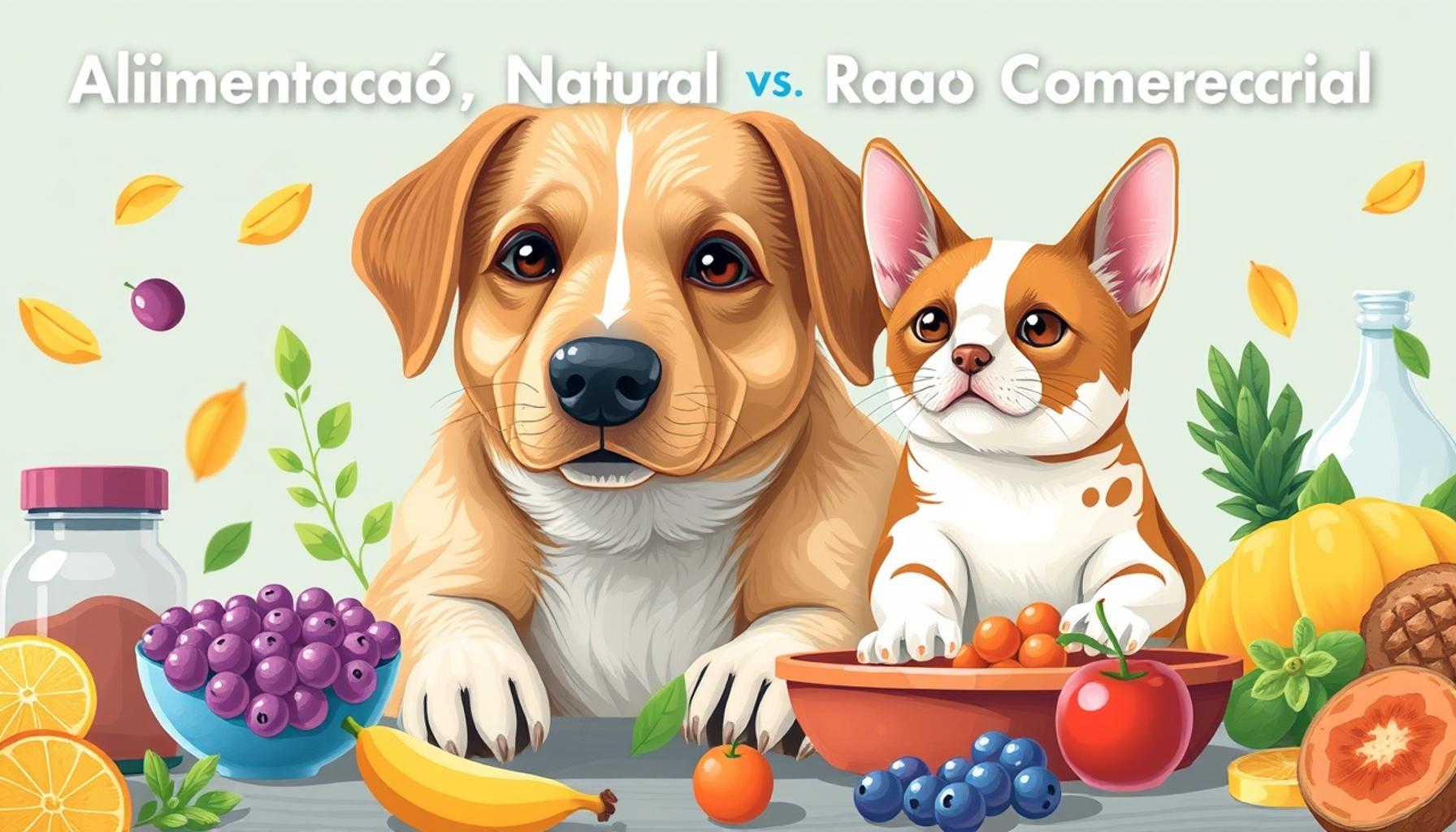
Natural Food vs. Commercial Feed: What is Better for Your Pet?
The Choices in Pet Nutrition
In recent years, pet nutrition has evolved into a complex landscape where pet owners are inundated with choices ranging from natural food to commercial feed. Understanding these options requires a closer look at the types of ingredients involved, potential benefits, and the impact each choice can have on your pet’s health.
Natural food emphasizes whole ingredients that are recognizable and minimally processed. Typical components of natural pet food often include:
- Fruits and vegetables: Ingredients like sweet potatoes, carrots, and blueberries provide essential vitamins and antioxidants.
- Meat and fish: These are prime sources of protein, providing the necessary amino acids for muscle maintenance and development.
- Whole grains and legumes: Brown rice and lentils serve not only as energy sources but also as fibers for healthy digestion.
On the other hand, commercial feeds generally consist of highly processed ingredients, which can sometimes lead to confusion about nutritional content. Common characteristics of commercial pet food include:
- Processed kibble: Often produced in large batches, these dry foods can sometimes lose nutrients and may contain fillers that serve little nutritional purpose.
- Meat by-products: Ingredients labeled as such can include lower-quality parts of animals, raising concerns about their overall health benefits.
- Artificial additives and preservatives: These ingredients are often used to prolong shelf life but can be detrimental to long-term health.
Beyond taste preferences, the choice between natural and commercial options influences critical aspects such as your pet’s health, age, and lifestyle. Research has shown that proper nutrition can lead to a longer, healthier life for pets. For instance, a diet rich in omega-3 fatty acids from fish can support cognitive function in older dogs.
When considering your options, pet owners should weigh several important factors:
- Cost implications: Natural diets may sometimes come at a premium, but they can save money in the long run by potentially reducing veterinary bills.
- Nutritional value: Making an informed choice based on guaranteed analysis on the packaging can ensure your pet receives balanced nutrition.
- Long-term health impacts: The cumulative effect of diet on your pet’s health cannot be overstated, making it essential to prioritize quality ingredients.
Ultimately, educating yourself about the various elements of pet nutrition is crucial to offering your furry friends the best possible care. As you navigate these choices, consider your pet’s individual needs and consult with a veterinarian for personalized guidance. By taking the time to investigate further, you can truly optimize your pet’s health and happiness.
Understanding Nutritional Benefits
When it comes to understanding what is truly better for your pet, it’s essential to delve into the nutritional benefits of both natural food and commercial feed. Each option presents a unique set of advantages that may align with your pet’s specific needs, making it crucial to assess the particular requirements of your furry friend.
The Advantages of Natural Food
Natural pet food has gained significant popularity among pet owners who prioritize health and wellness. One of the standout features of natural food is its commitment to using whole ingredients devoid of artificial additives. This can have several advantages:
- Enhanced digestibility: Many dogs and cats thrive on natural diets as they tend to be easier to digest, potentially leading to fewer gastrointestinal issues.
- Allergy reduction: By knowing exactly what is in their food, owners can make informed decisions when it comes to potential allergens, which can be a common issue among pets.
- Improved skin and coat health: Natural ingredients rich in essential fatty acids can lead to a shinier coat and reduced skin irritations.
Moreover, natural diets often emphasize the incorporation of various vitamins and minerals that are naturally occurring in fruits, vegetables, and proteins. For example, the use of ingredients such as spinach and pumpkin not only adds flavor but also provides your pet with significant health benefits through their high nutrient content. These benefits can be particularly pronounced in pets with specific health challenges.
Commercial Feed: Convenience and Consistency
While the debate over commercial feed often highlights its processed nature, it’s essential to also recognize the benefits it brings to the table. Many brands focus on producing a well-balanced diet that can support a pet’s dietary needs.
- Consistency in formulation: Commercial feeds offer a reliable nutritional profile that takes the guesswork out of feeding. This can be particularly appealing for busy pet owners.
- Cost-effective options: When compared to natural foods, commercial feeds can be more budget-friendly, providing a broader range of meals for those on a fixed income.
- Extended shelf life: The preservatives found in commercial pet foods can contribute to longevity, preventing spoilage and reducing food waste.
However, it’s important to note that all commercial feeds are not created equal. The quality of ingredients can vary widely among brands. Often, pet owners need to read labels carefully to ensure they are selecting a product that provides the necessary nutrients without excessive fillers.
In conclusion, both natural food and commercial feed have their own sets of benefits and drawbacks. Understanding these aspects will assist pet owners in making informed decisions that align with their companion’s health needs and lifestyle. As you navigate this essential aspect of pet care, consider having regular conversations with your veterinarian to tailor a nutrition plan that is perfect for your beloved pet.
Natural Food vs. Commercial Feed: What is Better for Your Pet?
As the debate over natural food versus commercial feed intensifies, it’s crucial to analyze the vital factors that influence your pet’s health and wellbeing. Natural foods, often derived from whole ingredients without additives or preservatives, are heralded for their nutritional benefits. These options are typically high in essential proteins, vitamins, and minerals that support a pet’s immune system and vitality. Moreover, whole foods may offer less processing and heightened palatability, making meals more appealing to pets with food sensitivities or preferences.On the other hand, commercial feeds—specifically formulated by pet nutritionists—present a level of convenience and consistency that natural foods sometimes can’t match. These products are rigorously tested for safety and can include added nutrients that are specifically designed to meet the dietary requirements of pets at different life stages. Many modern commercial feeds also cater to specific dietary needs, such as weight management, grain-free formulations, or limited ingredient diets, making them suitable for a wide range of pets.Compelling evidence suggests that while natural foods can offer superior quality in terms of ingredients, they require careful preparation to ensure a balanced diet, which can pose a challenge for pet owners without nutritional expertise. Conversely, commercial feeds may provide an easier solution for those who seek reliable, nutritionally complete options without the hassle of meal prep.To help navigate these options, here’s a brief overview of some advantages associated with each feeding method.
| Natural Food | Commercial Feed |
|---|---|
| Whole food ingredients | Convenient and consistent |
| Higher nutrient quality | Safe and nutritionally complete |
In understanding these differences, pet owners can make more informed choices tailored to their pets’ unique needs, paving the way for healthier, happier lives. Each option possesses distinct characteristics that might cater to various lifestyles, budget considerations, and health requirements.
Potential Risks and Considerations
While both natural food and commercial feed offer unique benefits for pet nutrition, it’s vital to consider potential risks and important factors that can greatly influence your decision. Each option can come with its own set of challenges that pet owners should be aware of as they aim to provide the best for their companion.
Challenges of Natural Food
Natural pet food, despite its many benefits, may not be suitable for every animal. Some of the challenges include:
- Time and effort: Preparing a homemade natural diet can be time-consuming. Pet owners must invest time in researching recipes that meet their pet’s nutritional requirements, which can become burdensome for busy individuals or families.
- Nutritional balance: Achieving a balanced diet is crucial, yet challenging. Many pet owners may unintentionally omit essential nutrients, leading to deficiencies over time. This underlines the importance of consulting with a veterinarian or a pet nutrition expert.
- Risk of contamination: Unlike commercially produced food, which adheres to strict safety regulations, homemade diets are susceptible to handling errors or contamination during preparation. This could lead to foodborne illnesses in pets.
For example, a study published by the Journal of the American Veterinary Medical Association revealed that homemade pet diets may sometimes lack appropriate levels of calcium, phosphorus, and other vital nutrients, potentially leading to health issues if consumed long-term without professional guidance.
Critiques of Commercial Feed
On the other hand, while commercial feeds offer convenience, they are not free from critique:
- Quality control: The quality of ingredients in commercial pet foods can differ significantly. Some brands utilize fillers, like corn or soy, which may not provide the same nutritional value as high-quality protein sources, causing concerns over their long-term effects on pet health.
- Additives and preservatives: Many commercial pet foods incorporate chemical additives to enhance flavor or extend shelf life. Some pet owners worry that these substances could lead to health issues, although studies are ongoing to evaluate their effects on pets.
- Hidden allergens: For pets with allergies, hidden fillers can trigger health problems, leading owners to unknowingly choose foods that could exacerbate those issues. This makes label reading and careful selection paramount.
An eye-opening statistic from a 2020 survey conducted by the American Pet Products Association indicates that over 30% of pet parents reported switching brands due to dissatisfaction with the ingredients, showcasing how consumer awareness is growing regarding the nutrition they provide to their pets.
The Regulatory Landscape
In terms of regulations, commercial pet food production is more closely monitored than natural recipes. The Association of American Feed Control Officials (AAFCO) sets guidelines that inform pet food labeling and formulations, ensuring a standard level of quality and nutrition. However, the challenge lies in interpreting these labels correctly. Many pet owners may need assistance in understanding what terms like “natural,” “premium,” or “grain-free” actually mean in practical terms.
Ultimately, making informed choices about your pet’s diet requires thorough research and an understanding of how both natural food and commercial feed impact your pet’s health, well-being, and dietary preferences. Regular consultations with veterinarians can help navigate these decisions, tailoring nutrition plans that fit best with your pet’s lifestyle, age, health conditions, and more.
Conclusion: Finding the Right Balance for Your Pet
As pet owners navigate the debate surrounding natural food versus commercial feed, it becomes clear that there is no one-size-fits-all solution. Each option carries its distinct advantages and drawbacks that pet parents must evaluate based on their individual circumstances and their pet’s specific needs. While natural pet food offers the allure of whole, unprocessed ingredients, it demands significant time and effort to ensure nutritional balance, along with a commitment to safety practices that mitigate contamination risks. Conversely, commercial pet food’s convenience and regulatory oversight provide reassurance, yet the wide variety of quality across brands can lead to potential shortcomings in ingredients and allergens.
Before settling on a feeding strategy, pet owners should consult with a veterinarian to tailor their pet’s diet according to their unique dietary requirements, lifestyle, and health conditions. It’s also essential to remain informed on the feeding landscape, as consumer trends evolve and new data emerges about both natural and commercial options. In fact, ongoing research continues to shed light on optimal pet nutrition, empowering owners to make educated choices that promote long-term health.
Whether you choose the whole-food approach or the convenience of commercial feed, the goal remains the same: providing your beloved pet with the best nutrition possible. By carefully considering your choices and staying attuned to your pet’s responses, you can embark on a fulfilling feeding journey that not only supports their health but also strengthens the bond you share.