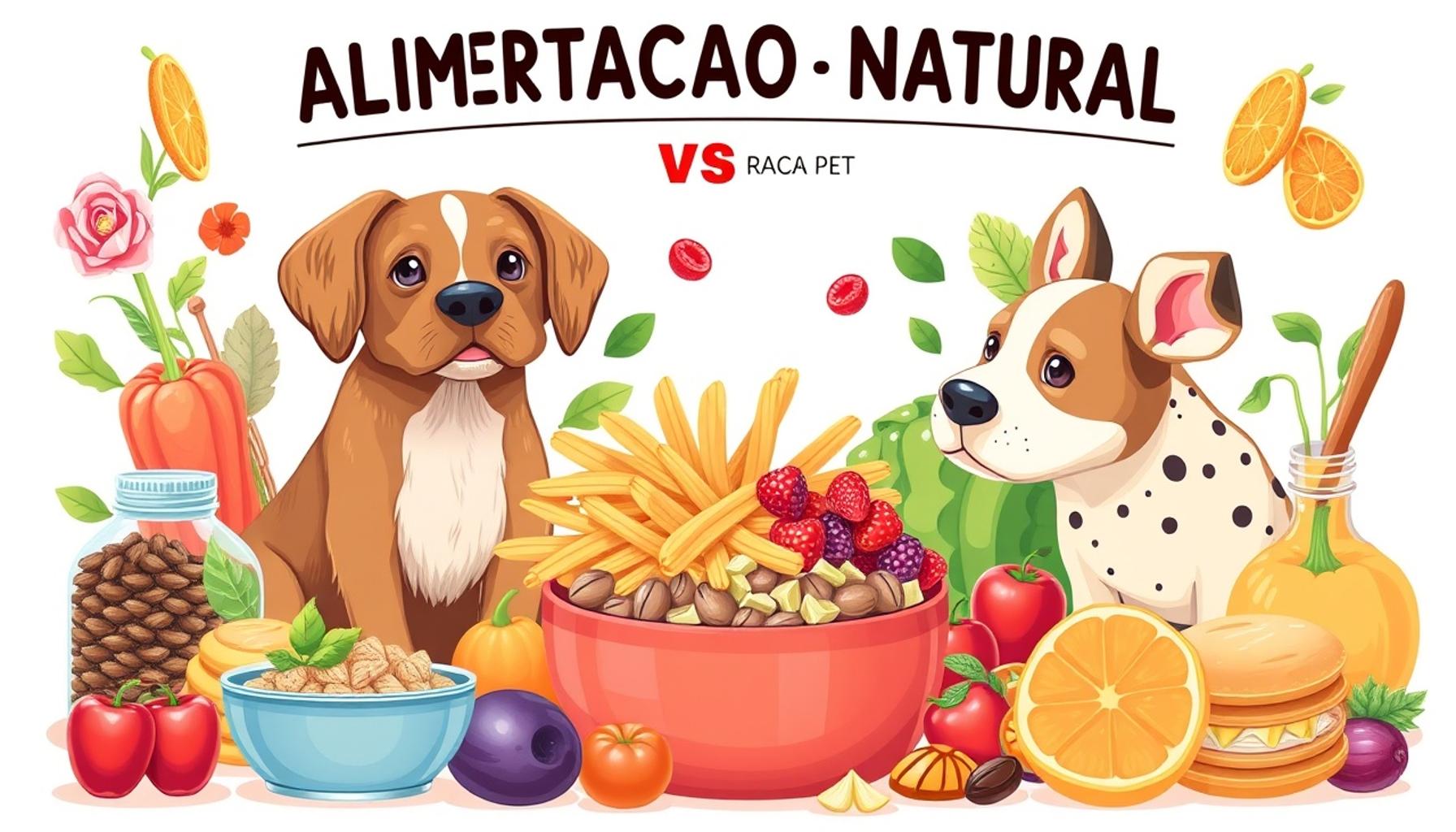
Natural Nutrition: Benefits and Challenges in Pet Diets
The Rising Trend of Natural Nutrition in Pet Diets
The shift towards natural nutrition in pet diets reflects a broader movement emphasizing health and sustainability among American consumers. Pet owners are increasingly concerned about the quality of the food they provide for their furry companions, similar to their choices in personal diets. Natural pet foods avoid artificial additives, preservatives, and by-products, favoring whole ingredients that are both nourishing and recognizable. This inclination is not just a trend; it represents a fundamental change in how we view pet health and nutrition.
Benefits of Natural Nutrition
One of the most significant advantages of natural pet nutrition is improved health. Many commercial pet foods are laden with fillers and synthetic ingredients that do little to support a pet’s well-being. Contrarily, natural diets, abundant in fruits, vegetables, lean proteins, and wholesome grains, can lead to better overall health outcomes. For instance, dogs often thrive on a diet rich in real meat and vegetables, which can result in shinier coats, increased energy levels, and improved immune function.
Better digestion is another compelling benefit. Pets on natural diets frequently exhibit fewer digestive issues, such as gas, bloating, or diarrhea. Whole ingredients are typically easier for pets to process. Introducing high-fiber foods, like pumpkin or sweet potatoes, can enhance digestive health by promoting regular bowel movements, which is particularly vital for maintaining a healthy weight. A balanced diet can contribute significantly to combating obesity by helping pets feel satiated, thus preventing overeating.
Addressing the Challenges
While the advantages of natural nutrition are clear, pet owners face considerable challenges when navigating this complex landscape. Balancing nutrients in homemade or natural diets can be quite intricate. Essential vitamins and minerals must be incorporated in adequate amounts to prevent deficiencies. Pet owners should consider consulting with a veterinarian or a pet nutritionist to ensure meals are not only appetizing but also nutritionally sound.
Cost is another hurdle. Natural pet foods often come with a higher price tag compared to their conventional counterparts. This can discourage some pet owners from making the switch, despite the potential health benefits. However, it’s worth noting that investing in quality nutrition may reduce veterinary costs in the long run by preventing diet-related health issues.
Additionally, ingredient sourcing can be daunting. Reliable suppliers for high-quality natural ingredients may not be widely accessible, particularly in rural areas. Consumers are encouraged to read labels carefully and research brands to connect with producers that prioritize quality in their offerings. For those looking to make their pets’ meals at home, sourcing fresh, organic ingredients from local farmers’ markets can be a rewarding, albeit time-consuming, endeavor.
As the interest in natural diets continues to grow, pet owners must navigate the complexities of this nutritional paradigm judiciously. Learning how to read ingredient labels and understanding the unique health needs of their pets are crucial steps in promoting optimal well-being through natural nutrition.
DISCOVER MORE: Click here to delve into the benefits and challenges of natural feeding for your cat
Exploring the Health Benefits of Natural Nutrition
Natural nutrition offers a myriad of benefits that resonate strongly with pet owners eager to ensure their beloved companions receive the best possible diet. Among these advantages is enhanced vitality. Pets consuming a diet rich in natural ingredients often exhibit increased energy levels and improved physical performance. This resurgence in energy can significantly impact their quality of life, enabling them to engage in more active playtime and exercise, which is crucial for their overall health.
Another remarkable benefit of natural pet nutrition is improved skin and coat condition. Many pet owners notice a visible difference in their pets’ fur when switching to natural diets. Ingredients like omega-3 fatty acids, found in fish and flaxseed, contribute to glossy coats and help manage common skin issues such as dryness and irritation. This improvement often translates to fewer visits to the veterinarian for skin-related concerns, which can save both time and money in the long run.
Moreover, natural nutrition can play a significant role in emotional well-being. Research indicates that a balanced diet can elevate a pet’s mood and reduce anxiety levels. Certain nutrients stimulate brain function, improving cognitive abilities and overall emotional stability. This is particularly vital for older pets facing cognitive decline, where diets enriched with antioxidants can help slow the progression of symptoms.
As pet owners navigate the landscape of natural nutrition, it’s essential to understand the different types of ingredients that should be incorporated into their pets’ diets. Here are some key components to consider:
- High-quality proteins: Meat, fish, and eggs are excellent sources that support muscle development and overall health.
- Whole grains: Ingredients like brown rice and oats provide essential carbohydrates and fiber, contributing to energy levels and digestive health.
- Fruits and vegetables: Foods such as carrots, apples, blueberries, and spinach are rich in vitamins and antioxidants that bolster the immune system.
- Healthy fats: Animal fats and plant oils contribute to energy levels, skin health, and the absorption of fat-soluble vitamins.
Understanding these components can empower pet owners to make informed dietary choices that align with their pets’ specific health needs. However, balancing these elements to create a complete and nutritionally adequate diet requires careful planning. This highlights the importance of consulting with veterinary professionals or certified pet nutritionists who can provide tailored guidance based on individual pet profiles.
Ultimately, the journey toward natural nutrition is a worthy pursuit that can lead to a longer, healthier life for pets. As more pet owners embrace this philosophy, we must also address the potential challenges that come with transitioning to a natural diet, ensuring that our beloved animals thrive in every aspect of their well-being.
| Advantage | Description |
|---|---|
| Whole Food Ingredients | Natural diets often emphasize whole food ingredients which can lead to improved digestion and nutrient absorption in pets. |
| Tailored Nutrition | These diets allow pet owners to create tailored nutrition plans that meet the unique needs of their pets based on breed, age, and health condition. |
Exploring the balance between benefits and challenges in pet diets is vital for ensuring our furry companions thrive. The trend towards natural nutrition reveals significant advantages, like the enhanced bioavailability of nutrients that whole foods provide. Moreover, customizing a pet’s diet enables a more targeted approach, which is crucial for managing specific health issues such as allergies or obesity. However, the road isn’t entirely smooth. Transitioning to a natural diet requires careful planning and research to prevent any nutritional deficiencies. Moreover, sourcing quality ingredients can sometimes be a task in itself due to availability and pricing challenges. It’s essential for pet owners to remain informed and consult with veterinarians to navigate these hurdles effectively. Ultimately, the journey into natural nutrition remains a fascinating terrain that is ripe for exploration and promises potential improvements in the overall health and vitality of our pets.
DISCOVER MORE: Click here to learn about clicker training
Navigating the Challenges of Implementing Natural Pet Nutrition
While the benefits of natural nutrition for pets are substantial, the transition to a more natural diet does come with its own set of challenges. One of the most significant hurdles pet owners face is ensuring a balanced diet. Unlike commercially prepared pet foods that are formulated to meet specific nutritional guidelines, natural diets require pet owners to become well-informed about the nutritional needs of their pets. This includes understanding the right proportions of proteins, fats, carbohydrates, vitamins, and minerals essential for their breed, age, and health condition.
Furthermore, ingredient sourcing can pose a challenge. Many pet owners may find it difficult to access high-quality, organic ingredients consistently. Issues such as seasonality, price fluctuations, and availability of fresh produce can hinder the ability to provide a well-rounded diet. For example, while local farmers’ markets can offer fresh, organic meats and vegetables, the availability often varies, and prices may be higher than processed pet food options available at big-box retailers.
Additionally, there is a potential for nutritional deficiencies when pets transition abruptly from commercial food to a natural diet. Pet owners must be particularly cautious during this process, as many pets may be accustomed to certain flavor profiles or food textures. If dogs or cats do not receive an adequate supply of essential nutrients, they may develop health issues, ranging from skin problems to metabolic disorders. A gradual transition over weeks, incorporating a variety of food types, can help mitigate this risk.
Another challenge is the myth of raw feeding, which has gained popularity among natural nutrition advocates. While raw diets can provide benefits, such as fresher ingredients and fewer preservatives, they carry risks, including exposure to pathogens like Salmonella or E. coli. Pet owners opting for a raw feeding regimen should educate themselves on safe handling practices and consider the potential health risks associated with feeding raw meat.
It’s also worth mentioning the common misalignment between pet owner perception and veterinary advice. Some pet owners may believe that natural diets are inherently superior, while veterinarians might still emphasize the safety and nutrient adequacy of premium commercial diets. This disparity can create confusion, prompting pet owners to ignore expert recommendations or to not fully embrace the idea of natural nutrition, even when they wish to make dietary improvements for their pets.
To navigate these challenges effectively, pet owners should consider investing time in research and consultation. Nutritionist consultations or working with veterinarians experienced in veterinary nutrition can provide personalized feeding plans tailored to a pet’s specific needs. These professionals can also help dissect food labels, ensuring the chosen ingredients align with the desired health outcomes.
Ultimately, while the challenges of implementing a natural nutrition plan for pets may appear daunting, they can be addressed with diligence and the right resources. By focusing on educating themselves and potentially collaborating with experts, pet owners can unlock the full benefits of a natural diet, promoting long-lasting health and happiness for their furry companions.
DIVE DEEPER: Click here to learn more about balanced diets
Conclusion: Embracing Natural Nutrition for Pets
As we explore the realm of natural nutrition in pet diets, it is evident that the rewards are manifold; pet owners can foster healthier, more vibrant lifestyles for their furry friends by incorporating whole, minimally processed foods. The potential benefits, from improved digestion to enhanced energy levels and reduced health issues, highlight why many are drawn to this approach. However, the path to adopting natural nutrition is littered with obstacles. Ensuring a balanced diet, sourcing high-quality ingredients, avoiding nutritional deficiencies, and navigating the complexities of feeding practices require significant commitment and knowledge.
Moreover, the existing gap between pet owner perception and veterinary guidance underscores the importance of informed decision-making. It is crucial for pet owners to engage with professionals—nutritionists and veterinarians specialized in pet health—to tailor diets that genuinely meet their pet’s individual needs. Armed with the right resources, pet owners can make thoughtful transitions, gradually introducing their pets to a natural diet and ensuring that they receive all the necessary nutrients.
In conclusion, while the journey towards natural nutrition may present challenges, it also opens doors to a holistic approach that can enhance the well-being of pets. As awareness and understanding of pet nutrition continue to evolve, pet owners are encouraged to become proactive in their research and maintain open communication with veterinary experts. Ultimately, embracing a natural diet could pave the way for healthier, happier lives for pets, transforming the way we perceive and provide for our beloved companions.