Navigating Food Labels: Making Informed Nutritional Decisions
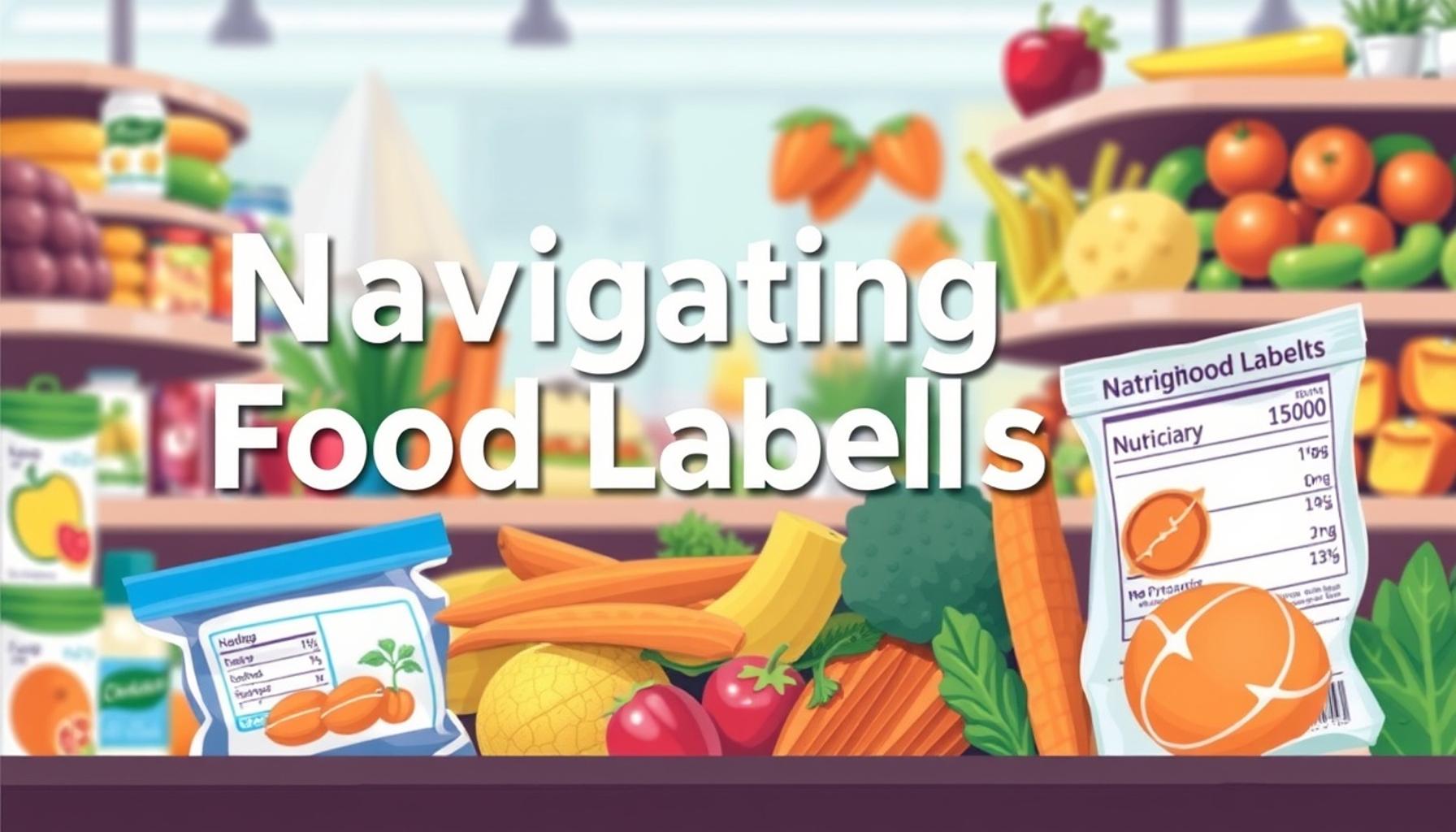
Decoding Food Labels for Healthier Choices
Navigating the intricate world of food labels can indeed feel like traversing a complex maze, especially with a plethora of information available at our fingertips. Yet, the knowledge gained from understanding these labels is critical for making informed nutritional choices that align with our well-being and health goals. In a grocery store brimming with options, it is essential to equip ourselves with the tools necessary to decipher what we are buying.
Nutritional Facts: The Essentials
The Nutritional Facts panel is perhaps the most critical feature of any food label, as it provides an overview of vital information such as caloric content, total fats, sugars, protein, and essential vitamins and minerals. For instance, when selecting a breakfast cereal, it is essential to check the sugar content; a product that boasts “healthy” grains can sometimes contain just as much sugar as a dessert. Labels typically list these nutritional elements per serving, so diligence in measuring serving sizes is key to accurately assessing our intake. Aiming for a diet that limits added sugars to less than 10% of our daily caloric intake is a good place to start.
Ingredients Matter
Next, the Ingredients section is a treasure trove of information, revealing precisely what’s in your food. Ingredients are listed in descending order by weight, which means the first few ingredients make up the bulk of the product. If sugar, high fructose corn syrup, or other processed additives are among the first ingredients, it may be worth reconsidering. For example, a label that reads “whole grain” but lists enriched flour as the primary ingredient could indicate a less healthy option.
Serving Size: Key to Understanding Your Intake
The Serving Size noted on the label is another vital component. Often, consumers overlook this, leading to unintentional overconsumption. For example, a bag of chips might say it contains 150 calories per serving, but if there are 2.5 servings in the bag, it is essential to multiply 150 by 2.5 to find out the total caloric intake. This oversight can significantly affect meal planning and daily caloric goals.
Certifications and Labels
In the United States, food labels must comply with the FDA regulations; however, not all products are equal in quality. The USDA Organic stamp signifies adherence to specific farming practices that support environmental health, but it is not an automatic guarantee of superior nutrition. Likewise, the Non-GMO Project Verified label indicates that the product is free from genetically modified organisms, appealing to a health-conscious demographic. However, understanding what these certifications mean in fine detail enhances consumer knowledge.
Beware of Marketing Tactics
Furthermore, be cautious of marketing claims like “low-fat” or “natural.” These terms can be misleading, as “natural” does not have a defined regulatory meaning in the U.S., and “low-fat” does not always equate to being healthier; often, sugar is added to compensate for flavor loss. Thus, educating oneself in recognizing these tactics can help decipher the true healthfulness of a product.
By honing your skills in understanding food labels and recognizing these vital components, you can transform your shopping habits and improve your dietary choices significantly. Simple adjustments, such as prioritizing whole foods and scrutinizing labels more closely, can lead to a healthier lifestyle—for not just you, but for your family as well. In the end, knowledge is not just power; it is a pathway to better health.
Understanding Key Components of Food Labels
When it comes to navigating food labels, familiarity with key components can significantly enhance your ability to make healthier choices. Let’s explore the crucial aspects of food labels that every consumer should be mindful of. Understanding these elements not only aids in smart shopping but also contributes to better overall health and nutrition.
The Importance of Nutritional Facts
The crux of any food label lies in its Nutritional Facts panel. This section offers a concise summary of the product’s nutritional profile, including calories, fats, carbohydrates, proteins, and vitamins. For instance, a snack bar may appear healthy at a glance, but analyzing its calorie count, serving size, and sugar content will reveal whether it truly aligns with your dietary goals. The FDA mandates that these panels display critical information in an easy-to-read format. Key numbers to watch for include:
- Total calories: Essential for managing energy intake.
- Added sugars: Limit to less than 10% of your daily caloric intake.
- Fats: Differentiate between trans fats, saturated fats, and healthier unsaturated fats.
- Protein: A crucial macronutrient for muscle development and repair.
- Fiber: Important for digestive health; aim for products that contain at least 3 grams per serving.
By familiarizing yourself with these aspects of the nutritional panel, you can better gauge how a product fits into your overall dietary framework.
Diving Deeper into Ingredients
The Ingredients list serves as a detailed account of what you’re consuming. Not all ingredients are created equal, making this section worth a closer look. Ingredients are listed in descending order by weight, meaning the first few items are the most prevalent in the product. If sugar is near the top, it might indicate that the product is less nutrient-dense than advertised. Additionally, be on the lookout for:
- Whole Grains: A product labeled as “whole grain” should list whole grains first.
- Preservatives and Additives: Try to minimize consumption of artificial ingredients.
- Allergens: Watch for common allergens like peanuts, gluten, or dairy.
Understanding the quality of ingredients can help you make choices that support long-term health rather than quick-fix solutions.
Serving Size: Your Guide to Portion Control
Too often, the Serving Size is overlooked, which can lead to unintentional overeating. Each label will indicate the serving size, and all nutritional information is tailored to that portion. For example, a frozen pizza may list 300 calories per serving, but if it contains four servings, your total caloric intake is 1200 calories—far more than you might have assumed. Being aware of serving sizes can aid in maintaining a balanced diet and managing weight effectively.
By paying attention to these essential components of food labels, consumers can navigate the visual clutter of the grocery aisle more effectively and make conscious choices that resonate with their health objectives. Understanding these basics equips you with the knowledge to transform your shopping habits, not just for yourself but also for your family.
Navigating Food Labels: Making Informed Nutritional Decisions
Understanding the complexities of food labels is essential for making informed dietary choices. With possibly misleading claims and a plethora of information presented in a small package, it can be overwhelming for consumers. However, by learning to decode food labels, individuals can take control of their nutritional intake.One key aspect to consider is serving sizes. Many consumers overlook how a “serving” is defined by the manufacturer, leading to misinterpretation of the quantities of calories, sugar, and fat they’re actually consuming. Understanding this can aid in better portion control and can significantly impact overall health.Another vital component of food labels is the ingredient list. Ingredients are listed in order of quantity, with the first ingredients being the most prominent. By identifying unhealthy additives, artificial ingredients, or allergens, consumers can make more informed choices that align with their dietary needs and preferences.To help readers further grasp the significance of these nutritional nuances, here’s an informative table focusing on two crucial categories regarding food labels:
| Category | Details |
|---|---|
| Nutritional Information | Contains calorie counts, fats, carbohydrates, proteins, and vitamins critical for health choices. |
| Health Claims | Describes the health benefits of products but may sometimes be misleading; always check details. |
By leveraging accurate nutrition information found on food labels, consumers can embark on a journey toward healthier eating habits, making better food choices that foster well-being. Knowing how to read and interpret this information is not just empowering; it’s essential in today’s food landscape. The next time you shop, take a moment to scrutinize the label—your health may depend on it.
Decoding Health Claims and Certifications
In addition to the nutritional facts and ingredients list, health claims and certifications on food labels can tell you a great deal about a product’s nutritional value. These claims may range from “low-fat” to “heart-healthy,” but it’s crucial to understand what they really mean. The presence of certain phrases can sometimes be misleading, so consumer vigilance is key.
Common Health Claims to Understand
Health claims are statements that connect a food or ingredient to a reduced risk of a disease or health-related condition. Some might promote certain benefits, but not everyone is accurate. Here are a few common ones to be wary of:
- “Natural”: While it sounds appealing and suggests fewer additives, there’s no standard definition, which leaves room for interpretation. A product labeled “natural” may still contain processed ingredients.
- “Organic”: Certified organic products follow strict regulations regarding farming and production. Look for the USDA Organic seal to ensure the product meets these standards.
- “No Added Sugar”: Be cautious with this claim; it doesn’t always mean the product is low in sugar, as it may contain natural sugars or sweeteners.
Understanding these claims can avoid confusion and help you maintain a nutrient-dense diet that aligns with your health goals.
Certifications That Matter
Various certifications indicate a commitment to quality or specific health benefits. Recognizing reputable certifications can aid you in selecting healthier options. Some common ones include:
- Non-GMO Project Verified: This label signals that the product is free from genetically modified organisms.
- Whole Grain Stamp: This stamp certifies that a product contains at least 8 grams of whole grains per serving.
- Gluten-Free Certification: Look for products certified gluten-free, especially if you have gluten sensitivities or celiac disease.
Using these certifications as a guideline can support better food choices while ensuring that you are consuming products that align with your dietary requirements.
Reading Between the Lines: Marketing Words to Watch
In a world of aggressive marketing, it’s important to remain discerning. Words like “light,” “wholesome,” and “healthy” often feature prominently. However, their meanings can be ambiguous and do not always correlate with the healthiness of a product. For example, a “light” product might still be high in sugars or unhealthy fats. It’s imperative to look beyond marketing buzzwords and explore the actual nutritional content by examining the Nutritional Facts panel and Ingredients list.
Moreover, where a product is positioned on the supermarket shelf also plays a role in consumer perception. Items found at eye level are often those with higher profit margins, not necessarily those that are healthiest. Be proactive and explore lower shelves where healthier alternatives might be offered.
Ultimately, when consumers become familiar with health claims, certifications, and the deceptive nature of some marketing tactics, they equip themselves with the tools necessary to navigate the grocery aisles confidently. The pursuit of healthier eating doesn’t have to be complicated—it begins with understanding what’s truly on your plate.
Conclusion: Empowering Yourself Through Knowledge
In navigating the complex landscape of food labels, informed nutritional decisions become attainable for everyone. As we’ve explored, the Nutritional Facts panel and Ingredients list serve as your primary tools in understanding what you consume. Equipping yourself with knowledge on health claims and certifications can be the differentiator between an empowered consumer and a passive one. This journey towards healthier eating is not merely about counting calories; it is about understanding the quality of the foods you select.
As you approach the grocery store, be mindful of marketing tactics that thrive on ambiguity. Phrases like “natural” and “light” can often inflate expectations inaccurately. Instead, take the time to decipher the critical information hidden within the ingredients list and health certifications. Recognizing reputable certifications can act as a safeguard against misleading claims, guiding you toward products that genuinely align with your health objectives.
Moreover, being aware of the strategic placement of products on store shelves can influence your choices. Challenge yourself to seek out healthier alternatives that may be less prominently displayed. Ultimately, navigating food labels requires both vigilance and curiosity in your pursuit of better nutrition. By embracing these practices, you can cultivate a greater understanding of food, make wiser dietary choices, and foster a healthier lifestyle that enriches both your well-being and your palate.
As a final thought, continue this journey of exploration by learning more about dietary guidelines, nutritional science, and how to make balanced meal choices. Empower yourself, and let informed decision-making lead you toward a nourishing path!