
Preparing Your Home for the Arrival of a New Adopted Pet
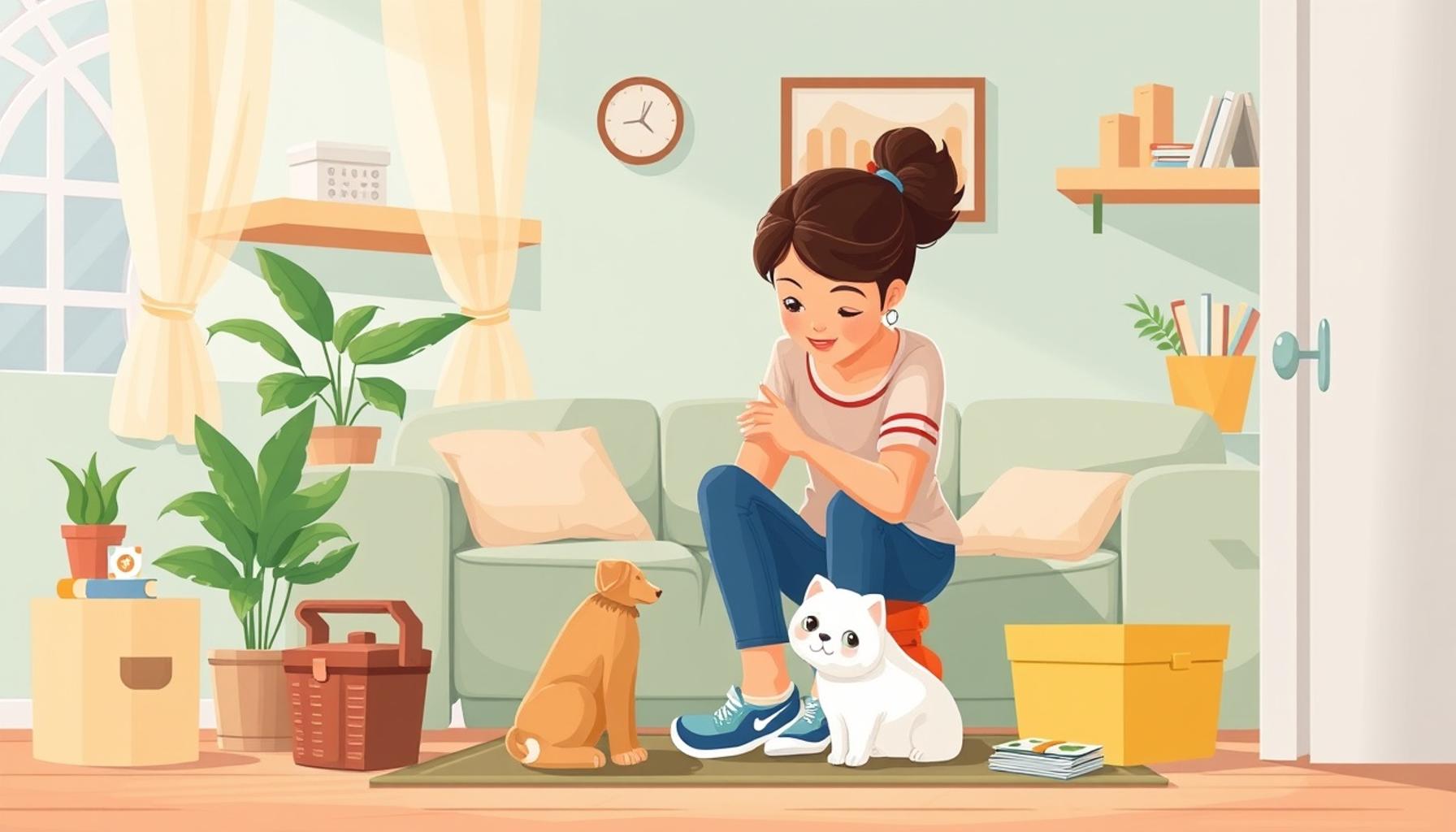
Welcoming a New Furry Family Member
Bringing a new adopted pet into your home is an exhilarating experience filled with the promise of companionship and joy. The impact a pet can have on a household is profound, offering both emotional support and an opportunity for a more active lifestyle. However, to ensure your new furry friend feels safe and comfortable in their new environment, careful planning and preparation are essential.
Essential Steps to Prepare Your Home
- Pet-proof your home: Begin by inspecting your living space for potential hazards. Toxic plants such as lilies and philodendrons can pose serious health risks to curious pets. Additionally, small objects like coins, screws, and other choking hazards should be removed or stored out of reach. Consider purchasing safety latches for cabinets that house cleaning supplies, as many common household products can be harmful if ingested.
- Create a designated space: Setting up a cozy area for your new pet is crucial. This space should include a comfortable bed or crate where they can retreat when they need a quiet moment. Provide an array of toys to stimulate their minds and discourage destructive behavior. Feeding supplies should include high-quality food tailored to your pet’s needs, as well as water bowls that are easily accessible and regularly filled.
- Secure important items: To safeguard both your possessions and your pet, it’s important to store away medications and valuable items that could be damaged or ingested. This includes anything from jewelry to electronics, ensuring a safe space where your new pet can explore without causing accidents.
Understanding your pet’s specific needs is crucial. For instance, rescue dogs may require extra patience and socialization, while cats often need vertical spaces to climb and explore. Moreover, emotional considerations are vital; new pets can feel anxious in unfamiliar surroundings. Consider using calming aids such as pheromone diffusers or calming treats to help ease their stress.
Getting Ready for Adoption Day
- Gather essential supplies: Before bringing your new pet home, gather all necessary supplies to ensure their comfort. Food and water bowls, a leash for walks, and a litter box for cats are indispensable. Don’t forget to have grooming tools handy, as keeping your pet clean and groomed contributes to their overall well-being and comfort.
- Plan for introductions: Thoughtfully plan how to introduce your new pet to family members and other household pets. A gradual introduction can foster positive relationships and reduce tension. Create a controlled environment where interactions can happen at a pace that feels comfortable for everyone involved.
- Research training techniques: Equip yourself with information about effective training methods, particularly those focused on positive reinforcement. This approach encourages good behavior while building trust between you and your pet. Consider enrolling in local training classes or engaging with online resources tailored to your specific animal.
By adhering to these preparatory steps, you can create a welcoming atmosphere that facilitates a successful transition for your new pet. The journey of pet adoption is not just about expanding your family; it’s about cultivating a lifelong bond fueled by trust, love, and shared adventures. Thoughtful planning lays the groundwork for a fulfilling relationship that will undoubtedly enrich your life for years to come.
LEARN MORE: Click here for essential tips on puppy socialization
Essential Preparations for Your New Companion
As you eagerly await the arrival of your new adopted pet, it is crucial to create an environment that not only meets their physical needs but also nurtures their emotional well-being. The transition to a new home can be overwhelming for any animal, especially those coming from shelters, so taking the necessary steps can facilitate a smoother adjustment period.
Understanding Your Pet’s Needs
Before your pet arrives, it’s important to take some time to research and understand their specific needs. Different animals have varying requirements; for example, dogs often thrive on structure and routine, while cats may require enrichment through playtime and vertical spaces for climbing. Each pet comes with its own personality, which can greatly influence their behavior in new surroundings.
Furthermore, shelter pets may exhibit signs of anxiety or fear. Familiarizing yourself with behavioral cues can guide you in creating a supportive environment. For instance, offering a quiet, safe space with bedding and toys will help your pet feel secure as they adjust to their new home.
Preparing Your Living Space
One of the first steps in preparing for your new pet is to thoroughly pet-proof your home. Here are some tips on how to make your home a safer place:
- Check for toxic plants: Many common household plants can be harmful if ingested by pets. Plants such as azaleas, oleander, and sago palms should be removed from your living area.
- Secure loose wires and cords: Pets, especially puppies and kittens, are naturally curious and may chew on cords or wires. Use cord covers or tuck them away to prevent accidents.
- Lock away harmful substances: Store cleaning supplies, medications, and chemicals in locked cabinets. Accidental ingestion can lead to severe health issues in animals.
- Remove small items: Coins, buttons, and small toys can pose choking hazards. Ensure these items are kept out of reach, especially in areas accessible to your new pet.
Additionally, creating a designated pet area can go a long way in helping your new family member settle in. This dedicated space should include everything they need, from a comfortable bed or crate to toys that will keep them engaged and discourage undesired behaviors. Setting up a feeding station with high-quality, species-appropriate food and clean water will further establish routines that your pet will find reassuring.
By adequately preparing your home through understanding your pet’s needs and taking proactive measures, you’ll lay the groundwork for a positive and nurturing environment. Your efforts will not only bring comfort to your new furry family member but also enhance your bond from day one.
| Category | Key Features |
|---|---|
| Animal Safety | Ensures your home is free from hazards like toxic plants and sharp objects. |
| Comfort Setup | Designate a cozy space with bedding, toys, and suitable food and water bowls. |
| Preparation | Identify potential dangers and create a pet-friendly environment. |
| Adoption Readiness | Gather all necessary supplies before the pet arrives to ease the transition. |
As you embolden yourself to welcome a new adopted pet into your life, one crucial aspect stands out: your home must be a safe haven. Consider animal safety as non-negotiable. Remove hazardous items such as toxic plants, wires, and choking hazards, ensuring your pet can explore without risk. Next, focus on creating a comfort setup. Designate a ‘pet corner’ where your new furry friend can feel secure with their own bed, some engaging toys, and bowls filled with nutritious food and fresh water. The right environment will help your pet adjust better to their new home.Preparation is key: Take time to think through your living space and make necessary adjustments beforehand. Being proactive about potential dangers can pave the way for a smooth transition when your new friend finally arrives. Gather all essential supplies in advance to relieve stress for both you and your new pet. This preparation will kick off an exciting journey of companionship and love.
LEARN MORE: Click here for effective housebreaking techniques
Creating a Welcoming Atmosphere
Once your living space is pet-proofed, the next step is to focus on crafting an inviting atmosphere that promotes comfort and belonging for your new companion. Creating a welcoming environment goes beyond just physical necessities; it encompasses emotional and sensory aspects that help your pet feel at home.
Choosing the Right Supplies
The pet supply industry offers a plethora of options, and selecting the right products can significantly impact your pet’s adjustment period. Begin with a comfortable bed or crate, which provides a secure space where your pet can retreat. Studies show that having a designated sleeping area is vital for their sense of safety, especially for animals rescued from uncertain situations. Look for materials that are easy to clean and hypoallergenic to cater to sensitive pets.
Don’t overlook grooming supplies. Depending on your pet’s breed, regular brushing may be essential. For example, long-haired cat breeds like Persians require frequent grooming to avoid matting. Keeping your pet well-groomed not only contributes to physical health but also promotes bonding time between you and your new companion.
Establishing Routines and Training
Continuity in a pet’s schedule promotes stability and lowers anxiety levels. Aim to establish a consistent routine for feedings, bathroom breaks, and playtime. This structure is particularly essential for dogs, who thrive on procedural consistency. You can enhance this routine through basic training; incorporating commands like sit and stay not only fosters discipline but also creates a deeper connection between you and your pet.
Additionally, positively reinforcing desired behaviors through treats and praise can make training enjoyable. While it may seem overwhelming at first, consider breaking lessons into short, manageable sessions to avoid overwhelming your new pet.
Socialization and Environmental Enrichment
Socialization is another critical element in a pet’s adaptation process. Gradually introducing your new pet to different family members, visitors, and other animals can build confidence and ease anxiety. Be mindful, however, to allow your pet to initiate interactions at their own pace. Patience is key, particularly for pets who may have had negative experiences in the past.
Moreover, providing environmental enrichment through toys and activities can stave off boredom and destructive behavior. Interactive toys, puzzle feeders, and scratching posts for cats can enhance mental stimulation. Conversely, for dogs, engaging in activities like fetch or tug can help burn off excess energy and build a stronger bond.
Working with Veterinary Professionals
Prior to your pet’s arrival, consider scheduling a visit with a veterinarian to establish a health baseline. A check-up not only ensures your new companion is in good shape but also gives you a chance to discuss vaccinations, parasite prevention, and potential behavioral concerns. Many shelters and rescue organizations provide initial veterinary records; however, having a dedicated veterinary relationship can be invaluable in addressing emerging needs.
Adopting a pet is a significant commitment and requires an educated approach to ensure a seamless transition. By focusing on your pet’s supplies, routines, socialization, and health monitoring, you are laying the foundation for a lasting, loving relationship. Preparing your home holistically allows your new furry friend to thrive in their forever home, filled with love and safety.
DISCOVER MORE: Click here to find the perfect pet for your family
Conclusion: A Loving Environment Awaits
Preparing your home for the arrival of a new adopted pet is an enriching journey, one that not only transforms your space but also strengthens the bonds between you and your new companion. As you create an environment filled with love, security, and routine, you’re unlocking the key to a lasting relationship based on trust and affection.
Understanding your pet’s needs is paramount; from choosing appropriate supplies to establishing consistent routines, every action contributes to their well-being and happiness. Socialization practices ensure your adopted pet becomes comfortable and secure in their new setting, while environmental enrichment keeps their minds active and engaged. Remember, your new furry friend may have a unique past, necessitating patience and empathy as they acclimate to their forever home.
Moreover, collaborating with veterinary professionals can bolster your pet’s health and provide proactive care that sets the stage for a vibrant life together. Knowing that you are well-prepared can reduce stress for both you and your pet during this transition.
In conclusion, adopting a pet is a life-changing decision that comes with responsibilities and rewards. By being attentive and proactive in preparing your home, you are not just providing shelter but a nurturing haven where your new pet can thrive. Continue to learn and adapt as you grow together, and cherish the moments that will undoubtedly fill your life with joy and companionship.