
Preparing Your Home for the Arrival of a New Pet: Essential Adoption Tips
Welcoming a Furry Friend
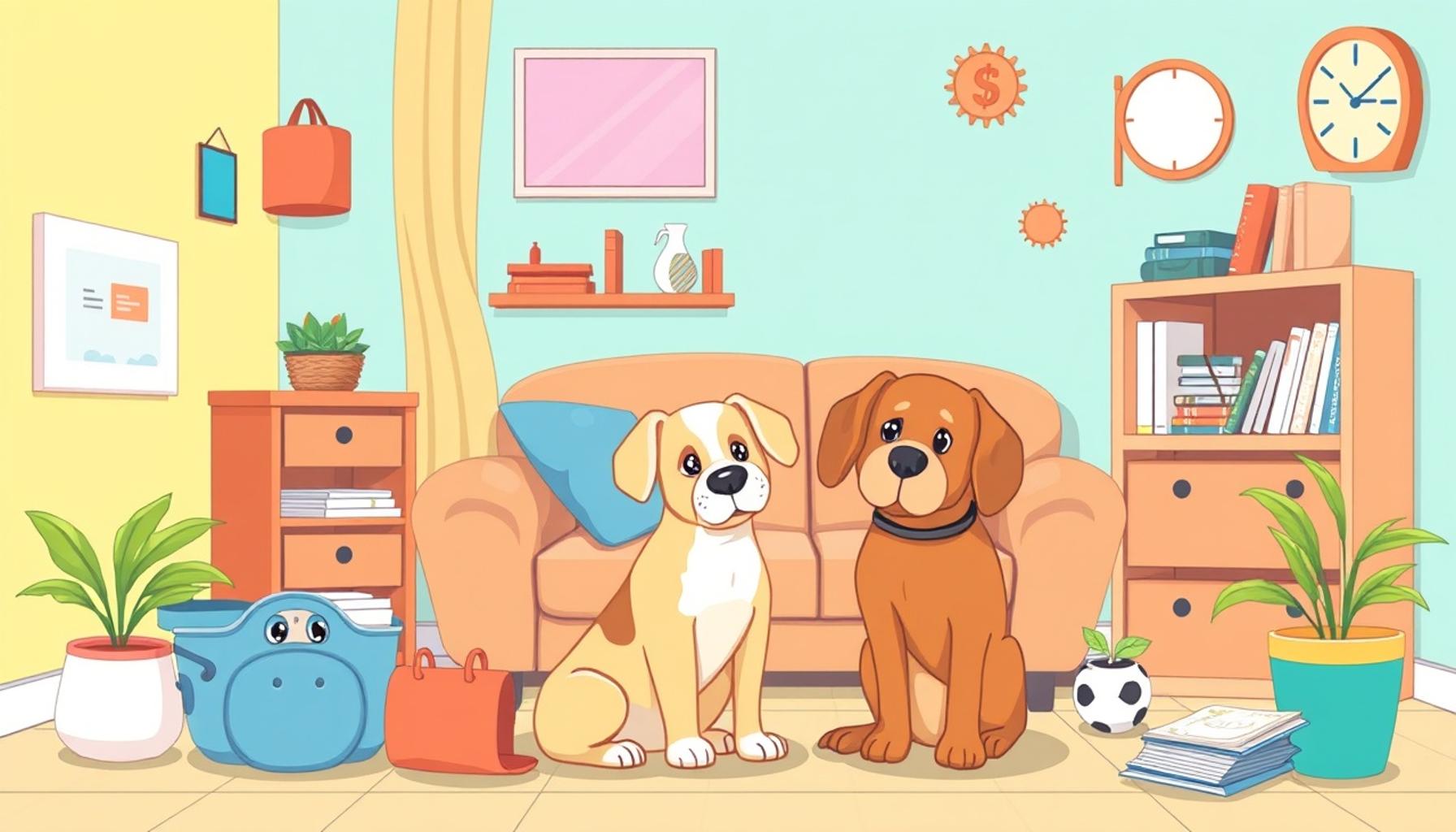
The excitement of adopting a new pet can be exhilarating! However, before you bring home your new companion, it’s essential to ensure your space is ready. A well-prepared environment can make a huge difference in your pet’s adjustment and your overall experience as a pet owner. This article will guide you through the critical preparations necessary to create a welcoming atmosphere for your furry friend.
Key Preparations to Consider
Here’s a brief overview of what you need to do to ensure a smooth transition for your pet:
- Pet-proof your home: Begin by removing potential hazards that could endanger your pet. This includes relocating toxic plants, such as lilies and philodendrons, which can be harmful if ingested. Additionally, secure small objects like coins or hair ties that could pose a choking risk, and utilize cord management solutions to tuck away electrical cords that curious pets might chew on.
- Designate pet areas: Create safe spaces within your home where your new pet can comfortably eat, sleep, and play. For instance, setting up a cozy sleeping area with soft bedding away from noisy traffic can help your pet feel secure. You might also consider using a dedicated corner of the living room for playtime that features age-appropriate toys, ensuring your pet has a stimulating yet safe environment.
- Gather supplies: Stock up on essential supplies such as high-quality pet food tailored to your animal’s age and nutritional needs, water bowls that are easy to clean, sturdy toys to keep them entertained, and comfortable bedding. You might also want to invest in a crate for training and safety purposes, as well as grooming tools to maintain their hygiene.
In addition to these important steps, consider the emotional and physical needs of your future pet. Understanding their breed-specific traits can be crucial. For example, an energetic Labrador Retriever may thrive with regular outdoor activity and social interaction, while a more reserved breed like the French Bulldog may prefer a calm setting with less vigorous play. Such insights can dramatically affect how well your pet adapts to their new home.
Engaging with Resources
Researching local shelters and rescue organizations is an excellent way to find your perfect match while giving a home to an animal in need. Additionally, reading up on pet care through reputable websites, books, or even attending community workshops can significantly enhance your knowledge and preparation. Connecting with other pet owners through forums or local meet-ups can provide invaluable tips and shared experiences that resonate with your pet journey.
As you embark on this rewarding journey, remember that preparation is key. Every moment spent preparing your home sets the stage for a harmonious relationship with your new pet. By being informed, proactive, and ready, you can create a loving and secure environment that ensures your furry friend will feel cherished and at home. The adventure of pet ownership is both fulfilling and transformative, making your readiness an essential aspect of this beautiful bond.
LEARN MORE: Click here to discover the benefits of socialization for your pets
Creating a Safe and Inviting Space
When welcoming a new pet into your home, one of the most crucial steps is designing a space that is safe and accommodating for your furry companion. Pets, particularly those that have come from shelters or rescue organizations, can be sensitive to their new environment. Making careful preparations will not only help them feel secure but also assist in building a bond that flourishes over time.
Understanding Your Pet’s Needs
Before bringing your new pet home, it’s essential to understand their specific needs based on their age, breed, and temperament. For instance, puppies require a different level of supervision and structure than adult dogs. Similarly, kittens might need varied stimulation compared to older cats. Familiarize yourself with the developmental stages and behavioral traits of the breed you plan to adopt. This information can provide valuable insights that will greatly enhance your ability to cater to their needs.
Pet-Proofing Your Living Space
A significant aspect of preparing your home revolves around pet-proofing—it’s vital to eliminate hazards that could jeopardize your pet’s safety. Here are some essential steps:
- Secure toxic items: Identify common household items that can be harmful to pets. Ensure that cleaning supplies, medications, and hazardous materials are stored out of reach, preferably in locked cabinets.
- Remove choking hazards: Keep small objects that could be ingested or pose a choking risk securely stored. This includes children’s toys, coins, and any loose items that could easily be swallowed.
- Cover electrical outlets: Consider using safety covers on electrical outlets and cords to prevent curious paws and mouths from accidentally encountering them.
- Close windows and balcony doors: Keeping windows secured and balcony doors closed will prevent any potential escapes or accidents, especially if your pet is new to their surroundings.
Setting Up a Comfortable Environment
Next, think about how to create a welcoming atmosphere for your new pet. Determine a specific area where they can feel comfortable and secure. For dogs, this might mean a cozy bed in a quiet corner, away from the hustle and bustle of daily activities. For cats, a high perch or a secluded nook might be ideal for observing their surroundings safely.
Having a dedicated space not only eases your pet’s anxiety but aids in training as well. The establishment of a designated eating area reinforces routine and consistency, which are imperative for developing trust and comfort in a new home.
Moreover, enriching their space with age-appropriate toys and stimulating activities can help alleviate any bored or anxious behaviors. Invest in durable toys that promote healthy play, as well as puzzle toys that encourage cognitive engagement. This will help shape your pet’s transition into their new life with you.
By ensuring your home is fully prepared and your new pet has a designated, safe space, you set the stage for a harmonious cohabitation experience. Taking these preliminary steps will not only enhance your pet’s comfort but also pave the way for a fulfilling and lasting relationship.
Ensuring a Safe Environment for Your New Pet
When you decide to bring a new pet into your home, one of the most critical steps is to ensure that your living space is safe and secure. Pets, especially puppies and kittens, are naturally curious and can quickly get into trouble if the environment isn’t properly prepared. Here are some essential tips to create a pet-friendly space:1. Remove Hazards: Take a thorough walkthrough of your home and identify any potential dangers such as toxic plants, electrical cords, and small items that can be swallowed. It’s important to relocate these items to higher shelves or secure them behind closed doors.2. Set Up Designated Areas: Designate specific areas in your home for your new pet. This can include a cozy corner for their bed, areas for toys, and designated eating spots. This not only helps in training them but also assists in providing a sense of security as they settle into their new home.3. Choose Appropriate Beds and Toys: Select comfortable bedding suited for your pet’s size and breed. Also, invest in durable toys that are safe to chew on. Pets like to explore their surroundings through their mouths, so high-quality, non-toxic toys are crucial.4. Block Off Unsafe Areas: Use baby gates or furniture to block areas you want to restrict your pet from accessing. Staircases, kitchens, and home offices may not be suitable for a new pet exploring their surroundings.5. Stock Up on Supplies: Before your pet arrives, ensure that you have everything they need, such as feeding bowls, food, leashes, grooming tools, and litter boxes if applicable. Having these supplies ready will ease the transition period for both you and your pet.By taking these necessary precautions, you will create a nurturing environment that allows your new companion to thrive. The first few days can be overwhelming for a new pet, and a secure space is crucial for their adaptation.
Establishing a Routine
Animals thrive on routine, and establishing a consistent daily schedule can help your new pet feel more secure. Here are some key elements to incorporate into your routine:- Feeding Schedule: Feed your pet at the same time each day. This not only helps in training but also gets them accustomed to you being a reliable source for food.- Exercise and Play: Set aside time each day for exercise and play. Depending on the pet, this could involve walking, playing fetch, or engaging with interactive toys. Regular exercise is essential for their physical and mental well-being.- Training Sessions: Incorporate short, positive training sessions into your daily routine to reinforce good behavior. Consistency will help your new pet learn faster and bond with you as their leader.- Socialization: Introduce your new pet to various environments, people, and other animals gradually. Proper socialization will help prevent behavioral issues in the future.By ensuring a safe environment and establishing an engaging routine, you will pave the way for a smooth transition for your new pet, fostering a lasting bond that enriches both your lives.
DISCOVER MORE: Click here to find out why adoption is the better choice
Essential Supplies for Your New Pet
Equipping your home with the necessary supplies for your new pet is a fundamental aspect of preparation that can help facilitate their transition. Depending on whether you adopt a dog, cat, or another type of pet, the supplies you’ll need may vary, but certain essentials are universal across species. Ensuring you have the right items will not only keep your pet comfortable but also make day-to-day care manageable.
Food and Water Stations
Every pet needs a reliable source of nourishment. High-quality pet food suited to your new companion’s age and dietary requirements is imperative. Consult with your veterinarian or pet adoption facility for recommendations on suitable brands and types that match your pet’s unique needs. Along with food, investing in durable bowls for food and water is essential. Choose non-slip designs to prevent spills and consider elevated feeding stations for larger breeds or older pets that may benefit from reduced strain while eating.
Optimal Bedding for Comfort
Your pet’s bed is more than just a place to rest; it serves as their retreat—a haven where they can relax and recharge. Select a bed that provides adequate support and cushioning based on your pet’s size. Look for materials that are easy to clean, particularly if your new pet is prone to shedding. Moreover, consider location. Ideally, the bed should be placed in a quiet, low-traffic area that feels secure yet accessible enough for you to check on them regularly.
Health and Grooming Supplies
Maintaining your pet’s health is a lifelong commitment. Start by having a first aid kit on hand that includes basics like antiseptic wipes, bandages, and flea treatments. Additionally, regular grooming equipment such as brushes, nail clippers, and pet-friendly shampoos should be acquired, accommodating your pet’s specific breed requirements. Notably, establishing a routine grooming schedule can greatly affect their well-being and comfort.
Training Tools for Socialization and Discipline
Training your new pet should be one of your primary focuses. For dogs, consider obtaining a variety of training tools such as a leash, harness, and collar. Properly sized items will ensure safety and comfort during walks. You might also explore training aids like clickers or treat dispensers that encourage positive behavior. For cats, you may want to invest in scratching posts and interactive toys that help promote exercise and healthy play.
Create a Pet-Friendly Atmosphere
While animal-proofing your home is vital, embracing a pet-friendly culture is equally important. This involves having designated areas where your pet can freely roam without fear of reprimand. Consider establishing pet-friendly zones that include both indoor and outdoor spaces where your pet can have stimulating playtime. Incorporate engaging activities such as agility training tunnels or interactive cat trees that motivate movement and exploration. Providing these outlets for play not only enriches their lives but can also prevent destructive behavior.
By assembling the right supplies and creating an accommodating environment, you set the foundation for a successful transition into your home. Understanding your pet’s needs, fostering their comfort, and optimizing their health should be at the forefront of your adoption preparations. This will lead to a thriving relationship between you and your new furry friend, ensuring that their new home feels stable and welcoming.
DISCOVER MORE: Click here to learn how to train your cat
Final Thoughts: Creating a Loving Home for Your New Pet
Bringing a new pet into your home is an exciting adventure that brings joy, companionship, and even a sprinkle of chaos. To ensure a seamless transition, it’s crucial to prepare your environment thoughtfully. By investing in essential supplies—from quality food and comfy bedding to grooming tools and training resources—you are not just simplifying logistics; you are actively enhancing your pet’s quality of life.
Moreover, fostering a pet-friendly atmosphere allows your new companion to feel safe, valued, and included. Creating designated spaces, not just for relaxation but also for play and exploration, can lead to a vibrant and fulfilling life for your furry friend. Remember, adopting a pet is a commitment that goes beyond the initial excitement; it involves establishing routines that promote their health, behavior, and happiness.
Ultimately, the experience of caring for a pet can significantly enrich your life. As you prepare your home, take the time to understand your new companion’s needs, learn about their behavior, and be patient throughout the adjustment period. The bonds you form and the memories you create will be invaluable. By taking these essential adoption tips to heart, you set the stage for a rewarding relationship that benefits both you and your new pet for years to come.