Preventive Care: Vaccines and Regular Check-ups for Pets

Understanding the Importance of Preventive Care for Pets
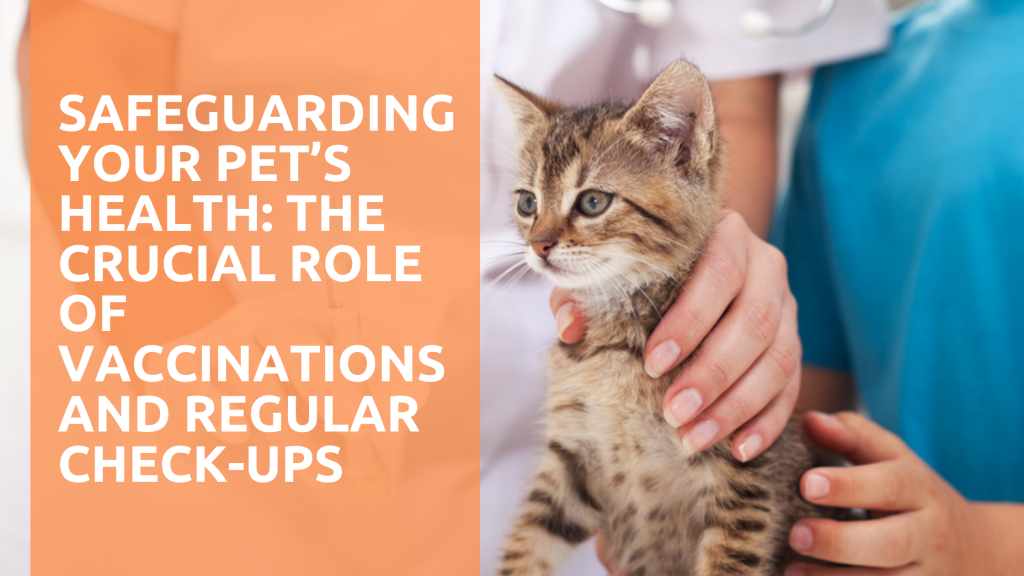
Every pet owner knows the love and joy that a furry friend brings into their life. However, maintaining their health can be just as crucial as providing affection. Preventive care, including vaccines and regular check-ups, plays a pivotal role in ensuring your pet enjoys a long and healthy life.
In the United States, pets face numerous health challenges that can often be avoided with proper preventive measures. Across the country, pets can be susceptible to certain diseases and conditions which, if left unchecked, can lead to severe health issues. By prioritizing preventive care, pet owners can provide their furry friends with a healthier future.
The Role of Vaccinations
Vaccinations are among the most effective tools in safeguarding your pet’s health. Vaccines work by stimulating your pet’s immune system to recognize and fight specific pathogens, thereby preventing diseases such as rabies, parvovirus, and distemper. For instance, rabies is a fatal disease that can also pose a risk to humans, making its vaccination not only important for pets but also essential for public health. According to the American Veterinary Medical Association, core vaccines are recommended for all pets, while non-core vaccines can be assessed based on individual lifestyle and risk factors.
Regular Vet Check-Ups
Regular vet check-ups are critical for early detection and management of potential health issues. During these routine visits, vets can perform thorough examinations, including checking heart functions, looking for signs of dental disease, and assessing overall wellness. Catching conditions such as diabetes, kidney disease, or allergies early can lead to more effective treatments and improved quality of life. For example, many dogs are prone to developing hip dysplasia, which can be managed much more effectively when diagnosed early.
Parasite Control
Parasite control is another essential aspect of preventive care. Fleas, ticks, and gastrointestinal worms can cause significant health problems for pets, ranging from skin irritations to severe internal conditions. In areas with high tick populations, such as the Northeastern US, protecting your pets with appropriate treatments is crucial to prevent diseases like Lyme disease or Ehrlichiosis. Regular use of flea and tick preventatives, along with deworming protocols, can safeguard against these pesky intruders.
Dental Care
Finally, dental care should not be overlooked in a pet’s healthcare regime. Just like humans, pets can suffer from periodontal disease—an infection of the structures surrounding the teeth that can lead to tooth loss and systemic infections if bacteria enter the bloodstream. Regular dental check-ups and at-home dental care, such as brushing your pet’s teeth or using dental treats, can maintain good oral hygiene and prevent discomfort.
By prioritizing your pet’s healthcare needs, you can not only reduce the risk of serious illnesses but also save on potential medical expenses down the road. The value of preventive care cannot be overstated; it leads to happier pets and less stressful situations for pet owners. In this article, we will explore how preventive care through vaccinations and regular check-ups can be a game changer for your beloved companions, ensuring that the joy they bring continues undisturbed for many years to come.
DISCOVER MORE: Click here for insights on a balanced diet
A Deep Dive into the Importance of Vaccines
The preventive care landscape begins with vaccination, a simple yet powerful way to shield your furry companion from a myriad of diseases. Vaccines are crucial in preventing highly contagious and potentially deadly infections, particularly in young pets whose immune systems are still developing. These immunizations work by stimulating the immune response without causing the disease itself, preparing your pet’s body to fight off infections effectively.
In the realm of pet health, vaccines are typically classified into two categories: core vaccines and non-core vaccines. Core vaccines are those deemed essential for all pets, covering severe illnesses like rabies, distemper, and parvovirus. Non-core vaccines, on the other hand, are recommended based on the pet’s lifestyle and environment. For example, if your dog frequently spends time outdoors or around other animals, vaccines for bordetella (kennel cough) or Lyme disease may be advised.
The CDC emphasizes that vaccinating pets not only protects them but also minimizes the risk of zoonotic diseases that can affect humans. This is particularly vital in areas where outbreaks of diseases such as rabies are more prevalent. The adoption of a proactive approach to vaccinations can significantly enhance community health as well.
The Significance of Regular Health Check-Ups
Beyond vaccinations, the essence of preventive care lies in regular health check-ups. These visits to the veterinarian provide an opportunity for early identification and intervention of health issues before they become more severe. Routine examinations typically include:
- Assessment of weight and nutritional status
- Heart and respiratory function evaluation
- Dental health checkups
- Skin and coat inspection
- Review of vaccination history
Each check-up serves as a critical time for pet owners to consult with their veterinarians about any observations regarding their pets’ behavior or physical changes. For instance, subtle changes in appetite or energy levels can be signs of underlying issues. Additionally, early screenings for common conditions, such as heartworm or diabetes, can lead to better health outcomes and potentially less expensive treatments.
It is important to adhere to an annual check-up schedule, but some pets may require more frequent visits based on age, health status, or medical history. Senior pets, for instance, often benefit from semi-annual check-ups to manage age-related health concerns effectively. By staying vigilant and prioritizing regular veterinary visits, pet owners can help extend their pets’ longevity and improve their quality of life.
Building a Strong Foundation for Pet Health
Preventive care through vaccines and regular check-ups forms the cornerstone of a pet’s health regime. Neglecting these vital practices can put your furry friend at risk for avoidable diseases and health complications. Through a committed partnership with your veterinarian, you can build a solid foundation for your pet’s lifelong health, ensuring that your bond with your beloved companion continues to thrive for many years. This commitment to preventive measures reflects a pet owner’s love and responsibility, enabling the joyful experience of pet ownership to be cherished for a lifetime.
Exploring Preventive Care for Your Pets
Preventive care is an essential element of responsible pet ownership. It involves routine actions taken to help keep your pets in top condition, reducing the risk of diseases and ensuring their overall well-being. Vaccinations and regular check-ups are critical components of this preventive care framework. However, understanding their significance, frequency, and the benefits they provide is vital for every pet owner.Vaccinations are designed to protect pets from various infectious diseases, many of which can be life-threatening. Common vaccines include those for rabies, distemper, parvovirus, and feline leukemia. These vaccines stimulate the immune system to ward off potential threats, creating a protective barrier for pets. Regular vaccination can also prevent the spread of diseases to other animals and even humans.Furthermore, annual check-ups allow veterinarians to monitor your pet’s health status, detect early signs of illness, and assess the efficacy of their current treatments or diets. Pets age faster than humans, which emphasizes the importance of maintaining a health schedule. During these exams, veterinarians perform thorough physical assessments, discuss behavioral changes, and recommend necessary preventative measures such as dental care or specific dietary needs.In addition to protecting health, preventive care can significantly reduce veterinary costs over time. Treating advanced diseases often incurs unexpected and hefty expenses, whereas regular vaccinations and check-ups can greatly mitigate these risks. Taking these steps enables pet owners to enjoy a more fulfilling life with their companions, focusing on joyful moments rather than unexpected emergencies.
Table of Advantages of Preventive Care
| Category | Advantages |
|---|---|
| Vaccination | Prevents serious diseases and promotes long-term health |
| Regular Check-ups | Allows early detection of health issues and tailored treatments |
These preventive efforts not only contribute to a pet’s longevity but also foster a stronger bond between the pet and owner, ensuring that every moment shared is rich with happiness and health. Embracing a preventive care strategy is paramount—for both peace of mind and the joy of sharing life with your furry friends.
LEARN MORE: Click here to discover why nutrition is key for your pet’s health
The Role of Parasite Prevention in Comprehensive Pet Care
While vaccines and regular check-ups form the foundation of preventive care, protecting your pet from parasites is another crucial aspect that cannot be overlooked. Parasitic infections can lead to significant health issues, affecting everything from skin conditions to more severe diseases that can threaten your pet’s life. Common parasites include fleas, ticks, heartworms, and intestinal worms, each presenting unique risks to your beloved companion.
Fleas and ticks are not just annoying; they can transmit diseases such as Lyme disease, which can cause serious health problems in dogs and can even infect humans. According to the American Veterinary Medical Association (AVMA), preventing flea and tick infestations is particularly important in regions with high tick populations. Utilizing topical treatments or oral medications as recommended by your veterinarian can help shield your pet from these harmful parasites. Additionally, regular grooming and home cleaning practices are crucial in maintaining a flea-free environment.
Heartworm disease is another critical concern, particularly in certain geographic areas, including the southern United States. This dangerous parasite is transmitted through mosquito bites and can lead to severe lung disease, heart failure, and even death if left untreated. Preventive medication is highly effective and generally administered on a monthly basis during warm weather months. Early detection through annual heartworm tests can help ensure your pet remains healthy, as early treatment is less complex and costly.
The Benefits of Pet Dental Care
Another often neglected area of preventive care is dental health. Just like humans, pets can suffer from dental issues, including periodontal disease, which affects their overall health. The American Veterinary Dental College estimates that by the age of three, most pets exhibit some form of dental disease. Regular veterinary check-ups can help monitor your pet’s dental health, and professional cleanings may be necessary to maintain a healthy mouth.
As a pet owner, it’s essential to incorporate at-home dental care routines, such as brushing your pet’s teeth and providing dental treats designed to reduce plaque and tartar build-up. This proactive approach not only improves your pet’s breath but can also prevent more serious health issues related to oral bacteria entering the bloodstream, which can affect the liver, heart, and kidneys.
Staying Updated on Vaccine Protocols
Vaccination protocols evolve regularly as new research emerges and outbreaks of various diseases are reported. It’s vital for pet owners to stay informed about the latest guidelines set forth by veterinary organizations such as the American Animal Hospital Association (AAHA) and the American Kennel Club (AKC). Vaccines can vary based on a pet’s age, medical history, and lifestyle factors, meaning that a customized vaccination schedule is critical for your pet’s health.
Engaging in preventive care is not just about maintaining a checklist; it’s an ongoing partnership with your veterinarian that fosters the wellbeing and longevity of your pet. Staying proactive in your pet’s health care can ward off potential health crises, saving you considerable time, stress, and expense in the long run. By understanding the significance of parasite prevention, dental care, and staying abreast of vaccination requirements, you empower yourself to provide the best possible life for your furry friend.
DON’T MISS: Click here to learn essential pet dental care tips
Conclusion: Prioritizing Preventive Care for a Healthier Pet
In summary, preventive care is essential for ensuring the health and longevity of our beloved pets. By investing time and resources into vaccination schedules, regular check-ups, and parasite prevention, pet owners can significantly reduce the risk of serious health problems. Each of these elements plays a unique role—vaccines equip your pet’s immune system to combat potential threats while regular veterinary visits provide a comprehensive overview of their overall health. Furthermore, staying proactive about parasite prevention, whether through medications or environmental controls, is vital in shielding your pets from debilitating diseases.
The importance of dental care should not be underestimated either, as maintaining oral health has far-reaching implications on a pet’s wellbeing. Ignoring dental issues can lead to serious medical conditions, which is why integrating at-home dental care into your routine can make a difference.
Lastly, staying updated on the latest vaccine protocols ensures that you are providing your pet with the best possible protection tailored to their specific needs. Your veterinarian is an invaluable partner in this journey of preventive care—one that not only protects your investment in your pet’s health but also enhances the quality of the time you spend together.
Embrace these preventive measures as critical pillars of responsible pet ownership to safeguard the health of your furry family member, ensuring they enjoy a happy and active life by your side.