Preventive Pet Care Tips for Maintaining Your Pets Oral Health
Oral health is a crucial yet often overlooked aspect of pet care that impacts overall wellbeing. Regular dental maintenance can prevent issues that might lead to serious health concerns, such as infections and systemic diseases. Understanding how to properly care for your pet’s teeth can save them from pain and costly veterinary bills.
Here are some staggering facts to consider:
- 70-80% of pets show signs of oral disease by age three.
- Dental disease can lead to kidney and heart problems if left untreated.
- A simple dental routine can extend your pet’s life by up to two years.
In this article, we’ll guide you through essential preventive measures to foster your pet’s oral hygiene. Get ready to explore our list of the Top 5 Preventive Tips for Your Pet’s Dental Health and discover simple practices you can implement at home.
Top 5 Preventive Care Tips: How to Maintain Your Pet’s Oral Health
When it comes to caring for our beloved pets, we often prioritize ensuring they get enough exercise, receive a balanced diet, and have regular playtime. However, many pet owners overlook one crucial aspect of their pet’s overall health: oral care. A pet’s dental health is integral to their well-being, and neglecting it can lead to severe health issues ranging from gum disease to systemic infections. By adopting preventive measures, you can help ensure that your furry friend leads a long and healthy life. Here are the top five strategies to maintain your pet’s oral health effectively.
5. Dental Chews and Toys
When it comes to maintaining your pet’s oral hygiene, introducing dental chews and toys into their routine can be a simple yet impactful step. These specially designed products work by mechanically removing plaque and tartar as your pet chews on them. Not only do they help keep the teeth clean, but they also provide mental stimulation and physical exercise.
- Dental Chews: When choosing dental chews, look for those with the Veterinary Oral Health Council (VOHC) seal of approval. This endorsement ensures the product has been tested and proven to help maintain oral health.
- Interactive Toys: Toys that encourage chewing, like rubber balls with textured surfaces or rope toys, can significantly aid in cleaning teeth and massaging gums.
- Consistency: Aim to integrate chew time into your pet’s daily routine, as regular use will yield the best results.
For example, if your dog is a strong chewer, a durable nylon chew might be appropriate. For more gentle chewers, rubber toys are great as they can be filled with treats to make them even more engaging.
4. Regular Vet Check-ups
One of the keystones to maintaining your pet’s oral health is ensuring that they receive regular check-ups with the veterinarian. These visits provide an opportunity for thorough oral examinations, allowing early detection of issues such as gingivitis or tooth decay. Timely intervention can prevent small problems from becoming larger, more painful, and expensive health concerns.
During a veterinary dental check-up, your vet may:
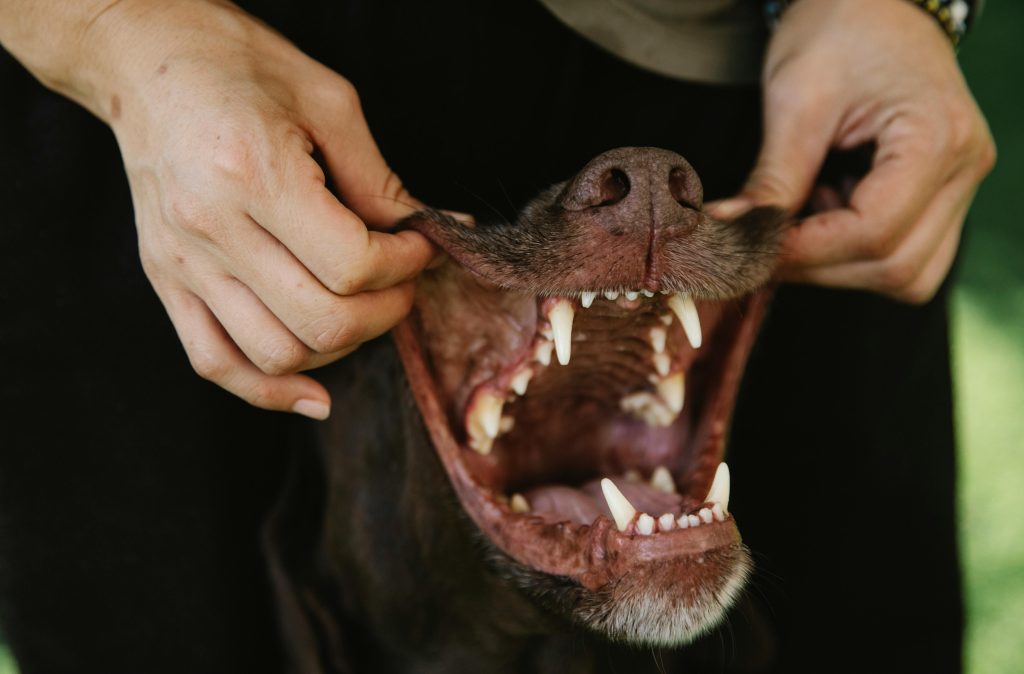
- Check for signs of gum disease such as redness, swelling, and bleeding gums. Early-stage gum disease is reversible with proper care.
- Assess tooth alignment and signs of wear, which could indicate underlying issues such as malocclusions or behavioral habits like excessive chewing.
- Perform professional dental cleanings, an essential service that helps remove plaque and tartar that home care cannot tackle.
It’s recommended that pets visit the vet for a dental check-up at least once a year. However, pets with known dental issues may require more frequent visits.
3. Oral Hygiene Products
To enhance your pet’s dental routine, consider investing in specialized oral hygiene products. These include a variety of items from toothpaste to mouth rinses. These products are designed specifically for animals, ensuring they are safe and effective.
Some crucial products to consider are:
- Pet Toothpaste: Use only pet-formulated toothpaste as human toothpaste can contain ingredients that are harmful or toxic to animals. Many pet toothpastes come in flavors like poultry or beef, making them more palatable for pets.
- Soft-Bristle Toothbrushes: Specially designed toothbrushes for pets can make it easier to clean hard-to-reach areas in their mouths without causing discomfort.
- Dental Rinses: These can be added to your pet’s water and help reduce plaque and freshen breath.
Incorporating these products into your pet’s daily care routine will help to significantly lower the risk of oral health issues.
2. Healthy Diet and Nutrition
A well-balanced diet is not only crucial for your pet’s general health but also plays a significant role in maintaining their oral health. Specific dietary choices can help minimize plaque formation and support overall dental hygiene.
Consider the following dietary components:
- Canned vs. Dry Food: While dry kibble may be beneficial for reducing plaque due to its abrasive action, some pets may require canned food due to health conditions like dental issues or digestive sensitivities.
- Dental-Specific Formulas: Many pet food brands offer kibbles that are specifically designed to help clean teeth and support oral health. These foods generally contain larger, textured kibble that helps scrub the teeth as the pet chews.
- Treats for Dental Health: Incorporate treats that claim to support dental health, which are often designed to help clean teeth or freshen breath.
Research indicates that pets fed specific dental diets have significantly lower rates of oral health issues when compared to those on standard diets.
1. Daily Brushing
Daily brushing remains the gold standard in preventive dental care for pets. Just as humans stave off cavities with regular brushing, pets too benefit from this routine, which eliminates food particles and prevents plaque build-up.
To successfully establish a brushing routine:
- Start Early: Begin introducing the concept of brushing as early as possible—ideally during the puppy or kitten stage. Early exposure increases acceptance in older age.
- Use Positive Reinforcement: Incorporate praise and rewards to make brushing a positive experience. This approach will encourage your pet to be more cooperative.
- Be Gentle: Use a gentle, circular motion and take care not to apply too much pressure, especially on sensitive gums.
Transitioning to a daily brushing habit may take time and patience, but the benefits are well worth the effort. Consistent practice can prevent the development of serious dental diseases and save on costly vet bills in the future.
By embracing these preventive care strategies, you’ll not only improve your pet’s oral health but also enhance their overall well-being. While it requires a bit of effort and dedication, the result is a happier, healthier pet with a bright smile to match. Remember, a small amount of attention now can make a significant difference later.
| Preventive Care Category | Importance and Benefits |
|---|---|
| Dental Hygiene Practices | Regular brushing using pet-specific toothpaste can reduce plaque buildup and prevent periodontal disease, which is crucial for your pet’s overall health. |
| Professional Dental Check-ups | Veterinarian dental cleanings and check-ups catch early signs of dental issues, potentially saving your pet from painful dental procedures later. |
| Dental Chews and Toys | Providing dental chews can help reduce tartar while offering mental stimulation and fun for your pet, making oral care enjoyable. |
| Awareness of Symptoms | Being aware of symptoms such as bad breath or changes in eating habits can lead to early intervention, ensuring ongoing dental health. |
In addressing the preventive care needed to maintain oral health in pets, it is essential to incorporate various practices. Understanding that dental hygiene practices play a pivotal role cannot be overstated. Regular brushing, coupled with using toothpaste specially formulated for pets, serves not only to control plaque but to ensure that harmful bacteria are kept in check. This simple routine can significantly reduce the likelihood of periodontal disease, protecting your pet’s overall well-being.Moreover, scheduling professional dental check-ups at the veterinarian offers an additional layer of security. These sessions not only provide thorough cleanings but also allow for the detection of emerging dental concerns. Such proactive measures can prevent more invasive treatments later on, which can be both costly and traumatic for your pet.Integrating dental chews and toys into your pet’s regimen is another excellent strategy. These not only promote good oral health by assisting in tartar removal but also serve to keep your pet engaged and entertained. Selecting appropriate products designed to promote dental care can lead to significantly improved oral hygiene, transforming mundane routines into delightful plays.Finally, increasing awareness of the symptoms that might indicate dental problems is crucial. Signs such as a persistent bad breath, difficulty in chewing, or changes in eating habits are often red flags. Recognizing these symptoms early opens the pathway to timely intervention and treatment, thereby protecting your pet from discomfort and potential health issues down the line.By implementing these strategies, pet owners can significantly enhance their furry companions’ health and happiness, setting the foundation for a longer, healthier life.
Frequently Asked Questions About Pet Oral Health Care
1. Why is oral health important for my pet?
Oral health is a crucial aspect of your pet’s overall well-being. Dental diseases can lead to serious health issues such as infections in the liver, heart, and kidneys. Regular dental care helps prevent these severe conditions. Ensuring that your pet’s mouth is healthy can also improve their quality of life and longevity, making it an essential part of their care.
2. How often should I brush my pet’s teeth?
Ideally, pet owners should aim to brush their pet’s teeth daily. Just like humans, pets benefit from regular oral hygiene practices. If daily brushing isn’t feasible, try for at least a few times a week. Consistency is key to preventing plaque and tartar buildup, which can lead to more significant oral health issues.
3. What are the signs of dental problems in pets?
Common indicators of dental problems include bad breath, difficulty eating, red or bleeding gums, and excessive drooling. Pets may also exhibit behavioral changes, such as irritability or withdrawing from playtime. If you notice any of these signs, it’s important to consult your veterinarian for a thorough examination.
4. Are there any specific products I should use for my pet’s dental care?
There are various products available designed specifically for pet dental care. Use a pet-safe toothpaste, as human toothpaste can be harmful to animals. Additionally, look for dental chews, mouth rinses, and water additives that can help maintain oral hygiene. Your veterinarian can recommend the best options based on your pet’s needs.
5. How can regular vet check-ups aid in my pet’s oral health?
Regular veterinary check-ups are vital for catching dental issues early. During these visits, veterinarians can perform professional cleanings and check for signs of oral disease. They can guide you on the best practices to keep your pet’s mouth healthy and recommend any necessary treatments. These proactive measures can prevent more severe health problems in the future.
Conclusion
Maintaining your pet’s oral health is a critical aspect of their overall well-being. Throughout this article, we’ve explored several key strategies that can greatly improve the oral hygiene of our beloved companions. Understanding that prevention is better than cure is fundamental when it comes to oral care for pets. By incorporating regular dental check-ups, consistent at-home cleanings, and a balanced diet into their routine, you can significantly reduce the risk of serious dental diseases.
Among the preventive measures, daily brushing stands out as the most effective tool for removing plaque and preventing tartar buildup. It’s essential to get your pet accustomed to this routine gradually, using the appropriate supplies designed for pet care. Additionally, providing dental treats and toys designed to clean teeth can complement their oral health regimen.
Regular veterinary visits are indispensable, as they allow professionals to perform thorough cleanings and detect any early signs of dental issues. It’s crucial not to overlook changes in your pet’s eating habits, bad breath, or visible discomfort, as these could be indications of oral problems that require immediate attention.
Ultimately, the effort invested in maintaining your pet’s oral health translates to more than just a bright smile—it contributes to their longevity and quality of life. Proper oral care ensures that your pets remain happy, healthy, and active companions for years to come. Embracing a proactive approach to dental care not only helps prevent costly treatments in the future but also strengthens the bond between you and your pet as you work together toward a healthier lifestyle.