Reptile Breeds as Pets: Care and Unique Characteristics
Unveiling the Joys and Responsibilities of Reptile Ownership
Reptiles are incredible companions that boast a range of distinctive traits, igniting curiosity among pet lovers. Their allure lies not only in their diverse appearances—from iridescent scales to captivating patterns—but also in their unique behaviors that set them apart from more traditional pets like cats and dogs. For those willing to embrace their specific needs, reptiles can be gratifying companions.
Before diving into the world of reptiles, it is essential to understand the nuances of different species. Each reptile breed has varying requirements that can significantly affect their well-being and the owner’s experience.
Popular Reptile Pets
- Bearded Dragons: These lizards are celebrated for their gentle nature and sociability. Bearded dragons thrive on interaction, often recognizing their owners and enjoying time out of their enclosures. Providing a well-maintained habitat with the right basking spots is essential for their health.
- Ball Pythons: Known for their calm temperament, ball pythons make an ideal choice for novice snake owners. They adapt well to handling and require a relatively simple habitat setup, usually including a secure enclosure with hiding spots and appropriate heating elements.
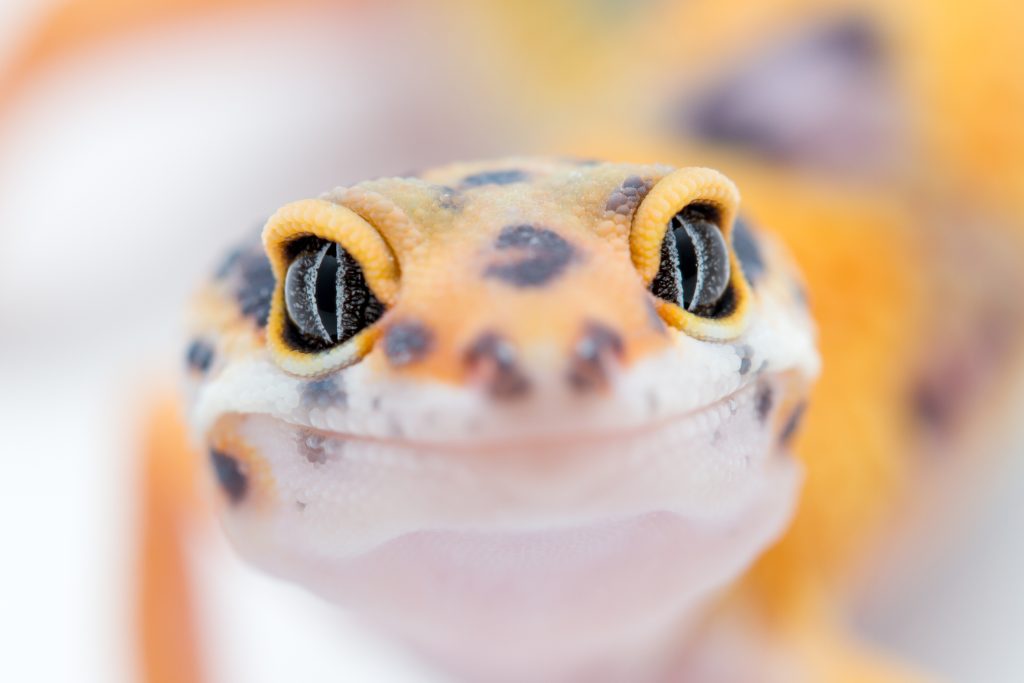
- Leopard Geckos: With their striking colors and low-maintenance requirements, leopard geckos are perfect for beginners. They thrive on a diet of insects and require a dry habitat that mimics their native desert environment.
- Red-eared Sliders: These aquatic turtles are one of the most popular pet turtle species in the United States. With a proper aquatic setup, including a basking area and UV lighting, red-eared sliders can live long, fulfilling lives in captivity.
Key Considerations for Potential Owners
Understanding the intricacies of reptile care is essential before adopting one. Owners must consider several factors:
- Overall lifespan and growth size: Many reptiles can live for decades, and potential owners should be prepared for a long-term commitment. For instance, bearded dragons can live up to 15 years, while ball pythons can easily surpass 20 years with proper care.
- Feeding habits and dietary needs: A balanced diet varies by species. Ball pythons eat frozen or live rodents, while leopard geckos thrive on insects. Accurate knowledge about their dietary preferences is key to maintaining their health.
- Habitat and enclosure requirements: Each species has specific habitat requirements, including humidity levels, temperature ranges, and space allowances. It’s critical to create an environment that mimics their natural habitats to avoid stress and health issues.
As you embark on this fascinating journey of reptile ownership, familiarizing yourself with care techniques suited to each breed will enhance your experience. Elements such as providing appropriate heating, UV lighting, and a suitable diet play vital roles in ensuring your reptilian friend thrives. Adequate preparation and commitment to their well-being will undoubtedly reward you with a loyal and mesmerizing companion.
Join us as we dive deeper into the enchanting world of reptiles and discover the specific care methods necessary to support these remarkable creatures in your home. With knowledge and passion, you can become a proficient reptile owner, enhancing both your life and that of your unique pet.
DISCOVER MORE: Click here to learn how pets can ease stress and anxiety
Understanding Reptile Care and Their Unique Traits
As prospective reptile owners embark on the enchanting journey of choosing a pet reptile, it is imperative to delve into the specifics of each species to ensure a harmonious relationship. Understanding the care needs, environmental preferences, and fascinating characteristics of these creatures will lay the groundwork for a rewarding experience. Let’s explore some of the most fascinating reptile breeds and the unique traits that make them great pets.
Bearded Dragons: The Affectionate Companions
Bearded dragons, or Pogona vitticeps, are often regarded as one of the most sociable reptiles available. With an average lifespan of 10 to 15 years, these lizards form bonds with their owners, often enjoying gentle handling and interaction. Bearded dragons are known for their playful behavior, frequently seeking attention and even displaying an array of facial expressions!
Creating a comfortable habitat is essential for their well-being. They require a spacious enclosure with a basking area that reaches temperatures between 95°F and 110°F, alongside cooler zones for thermoregulation. Proper UV lighting is crucial for their metabolic health, as it helps them synthesize vitamin D3 for calcium absorption.
Ball Pythons: The Gentle Giants
Ball pythons, or Python regius, are popular for their gentle temperament and manageable size. Typically reaching lengths of 3 to 5 feet, they are an excellent choice for novice snake owners. Their calm demeanor allows them to thrive in an interactive environment, making them a pleasure to handle.
With a lifespan that can extend beyond 20 years, owning a ball python requires long-term commitment. Their diets primarily consist of rodents, either frozen or live, and their enclosures should include secure hiding spots, a warm basking area, and appropriate humidity levels. Learning the nuances of their care will help ensure that they remain healthy and happy.
Leopard Geckos: Colorful and Low-Maintenance
Leopard geckos (Eublepharis macularius) have captured the hearts of many reptile enthusiasts due to their striking colors and easy-going nature. Perfect for beginners, these nocturnal lizards thrive on a diet of insects, such as crickets and mealworms, and can live up to 15 to 20 years with proper care.
Their habitat setup should replicate a dry, desert-like environment with hiding spaces and a temperature gradient to regulate their body heat. The care requirements for leopard geckos focus more on humidity control, as too much moisture can lead to health complications.
Red-Eared Sliders: The Aquatic Marvels
Red-eared sliders (Trachemys scripta elegans) are among the most popular pet turtle species in the U.S., and for good reason! These aquatic turtles can live for more than 20 years and require a well-maintained aquatic environment that includes a basking area and UV lighting for essential metabolism. They enjoy swimming and basking, making it essential to provide a spacious tank with ample water to keep them engaged.
These turtles primarily consume a diet of commercial turtle pellets, supplemented with vegetables and occasional protein sources. Understanding their specific needs will lead to a thriving aquatic pet.
As we continue on this voyage through the captivating world of reptiles, the importance of recognizing individual care requirements and each species’ unique traits becomes paramount. By investing time in proper care and knowledge, future reptile owners can develop a deep appreciation for these remarkable animals.
Understanding Reptile Breeds: Unique Characteristics and Care Requirements
When considering reptiles as pets, it’s essential to delve into their unique characteristics and specific care requirements. Each breed exhibits its distinct traits that can significantly influence the owner’s daily routine and long-term commitment. For instance, bearded dragons are known for their friendly demeanor and sociable behavior, making them great companions for families. In contrast, more solitary reptiles, such as ball pythons, prefer a thriving yet quiet environment, turning their tanks into a relaxed home setup.
Environment and Habitat Needs
Creating a comfortable habitat is key to keeping reptiles healthy. Different species have varied temperature and humidity requirements that must be adhered to meticulously. For example, iguanas thrive in warmer, humid conditions, necessitating temperature gradient setups to allow for basking and cooling areas. Additionally, the use of specific substrates like coconut coir or reptile carpet can influence the well-being of ground-dwelling species, showcasing the importance of tailored habitats.
Feeding and Dietary Considerations
Feeding reptiles involves understanding their dietary needs, which can vary greatly between species. Herbivorous reptiles like sulcata tortoises require a diet rich in leafy greens, while carnivorous varieties such as the green tree python thrive on a diet of rodents. It’s crucial for reptile owners to research and implement appropriate feeding practices, as improper diets can lead to health issues.
Behavioral Insights
Behaviorally, reptiles exhibit unique tendencies. Some may bask openly, displaying a lack of fear, while others might be shy or aggressive if they feel threatened. It’s important for potential reptile owners to spend time observing their pets to understand their likes, dislikes, and how to handle them properly. Social interaction can often alleviate stress and help build trust between human and reptile.For those keen on integrating reptiles into their lives, recognizing the commitment and specialized care they require is fundamental. This understanding not only promotes a healthy, happy pet but also establishes a rewarding relationship for pet owners. By embracing these unique characteristics and necessary care practices, pet enthusiasts can discover the fascinating world of reptiles and the joy they bring as companions.
DISCOVER MORE: Click here for essential training tips
Exploring the Care Requirements of Unique Reptile Breeds
In addition to their enchanting personalities, understanding the care requirements of various reptile species is crucial for any potential pet owner. Different reptiles thrive under specific environmental conditions and unique dietary regimens, making it essential to educate oneself on these distinctions. Below, we delve into several more captivating breeds that are worthy of consideration.
Corn Snakes: Colorful and Adaptable
Corn snakes (Pantherophis guttatus) are a highly sought-after pet for their beautiful array of colors and patterns. Ranging from 2 to 6 feet in length, they are particularly known for their docile nature and tolerance for handling, which makes them excellent for both rookie and experienced snake enthusiasts alike.
In terms of care, corn snakes require a secure habitat that allows for appropriate temperature gradients, typically with a basking spot around 85°F to 88°F, and a cooler area that dips to around 75°F. Their diet mainly consists of frozen or live rodents, with feeding intervals based on age and size. Interestingly, corn snakes are also relatively low-maintenance pets, as they can thrive in a range of humidity levels, further amplifying their appeal.
Green Iguanas: The Majestic Vegetarians
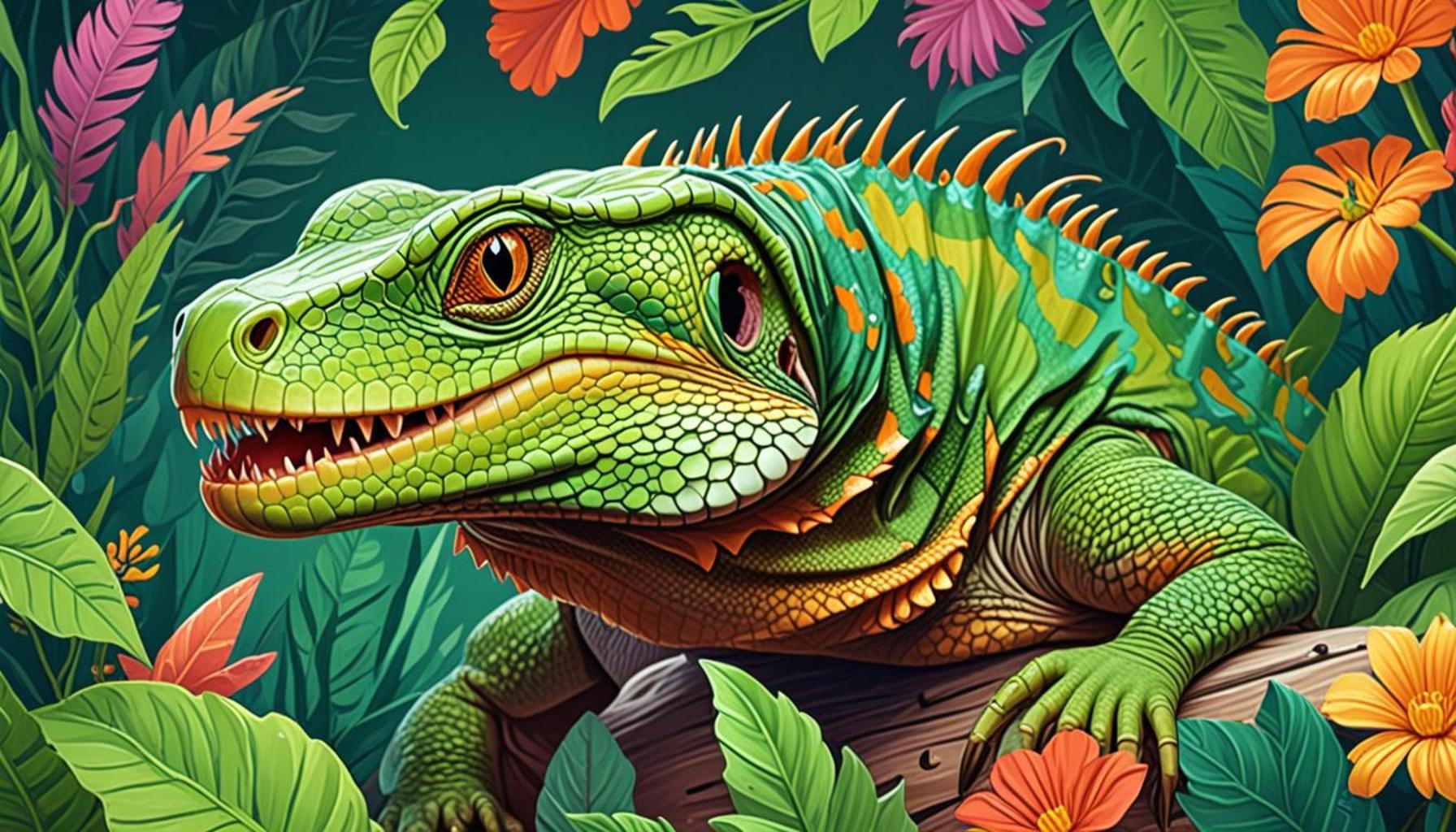
Green iguanas (Iguana iguana) are a striking and popular choice among reptile customers, thanks to their impressive size and vibrant green coloration. Capable of growing over 6 feet in length, they require a spacious enclosure to wander and flourish.
One key trait of green iguanas is their herbivorous diet, composed primarily of leafy greens, vegetables, and certain fruits. A balanced diet is crucial, as these reptiles need a good source of calcium and vitamin D3 to avoid metabolic bone disease. They also require a stable temperature gradient within their habitat, with basking areas around 95°F and cooler spots for thermal regulation. Additionally, providing adequate UVB lighting is significant for their health, allowing them to absorb the nutrients they need. Owners must understand that green iguanas can be quite active and may require a more dedicated approach to handling than smaller reptiles.
Bearded Dragons: The Social Centerpieces
Bearded dragons boast remarkable adaptability to different habitats and social structures, making them one of the most popular reptiles kept as pets. Their ability to bond with humans, combined with their inquisitive nature, opens avenues for interactive experiences that are unmatched among many other reptiles. Bearded dragons are also known for their diverse colors and morphs alongside their plethora of personality traits.
Owners must provide a balanced diet of both insects and plant matter, while ensuring a temperature gradient in their enclosure ranging from 70°F to 110°F. As these lizards enjoy basking, offering a proper heat source and ample opportunities for climbing and exploring can lead to happy and healthy pets.
Acknowledging the Incredible Diversity in Reptilian Companions
Reptiles possess an awe-inspiring diversity that extends to their unique care requirements and companionship potential. From the gentle ball python to the majestic green iguana, each species offers distinct traits that can enrich the lives of their owners. As you consider which reptile might be the best fit for your lifestyle, familiarize yourself with the intense commitment necessary for upkeep and the rewarding companionship these extraordinary creatures can provide.
By understanding the individual needs and characteristics of various reptile breeds as pets, you can embark on an enriching journey that transforms your living space into a realm of scaly marvels. Through patience, research, and dedication, the world of reptiles welcomes you, offering a unique companionship that is truly worthwhile.
DISCOVER MORE: Click here to learn about the calming power of pets
Bringing the World of Reptiles into Your Home
In conclusion, the journey of selecting and caring for reptile breeds as pets unveils a world rich in diversity and unique characteristics. From the colorful corn snake to the majestic green iguana and the engaging bearded dragon, each species offers a window into the fascinating adaptability and resilience of reptiles. Potential pet owners must understand that while reptiles can make rewarding companions, they come with specific care requirements that cannot be overlooked. These include tailored habitats, precise dietary plans, and proper environmental conditions essential to their well-being.
As you consider welcoming a reptilian friend into your life, engaging in thorough research and preparation is paramount. Delving deeper into the nuances of each breed can ensure a fulfilling experience for both the pet and the owner. The time and effort invested in understanding the unique needs of these creatures will lead to a bond that transcends the traditional pet-owner relationship.
Ultimately, the marvels of reptile ownership extend beyond their captivating appearance and into the rewarding therapeutic relationships they can foster. Whether you are drawn to their vibrant colors, fascinating behaviors, or simply their exotic allure, reptiles can enrich your life in unexpected ways. Embrace the adventure of reptile companionship, and discover a whole new realm of wonder that awaits in your home.